
Maras and Moray Tour from Cusco: Explore Inca Terraces and Salt Mines
 The Maras and Moray Tour from Cusco is one of the most popular excursions in the Sacred Valley, combining two of Peru’s most fascinating attractions in a single trip.
From the mysterious circular terraces of Moray to the impressive Maras Salt Mines, this journey offers a unique opportunity to explore Inca engineering, traditional Andean culture, and some of the most spectacular landscapes near Cusco.
Located northwest of Cusco, Moray and Maras reveal a different side of the Inca Empire beyond Machu Picchu. While Moray showcases the advanced agricultural knowledge of the Incas, the Maras Salt Mines continue preserving a centuries-old tradition that remains active today.
Together, these sites provide one of the best half-day experiences in the Sacred Valley.
What Is Moray?
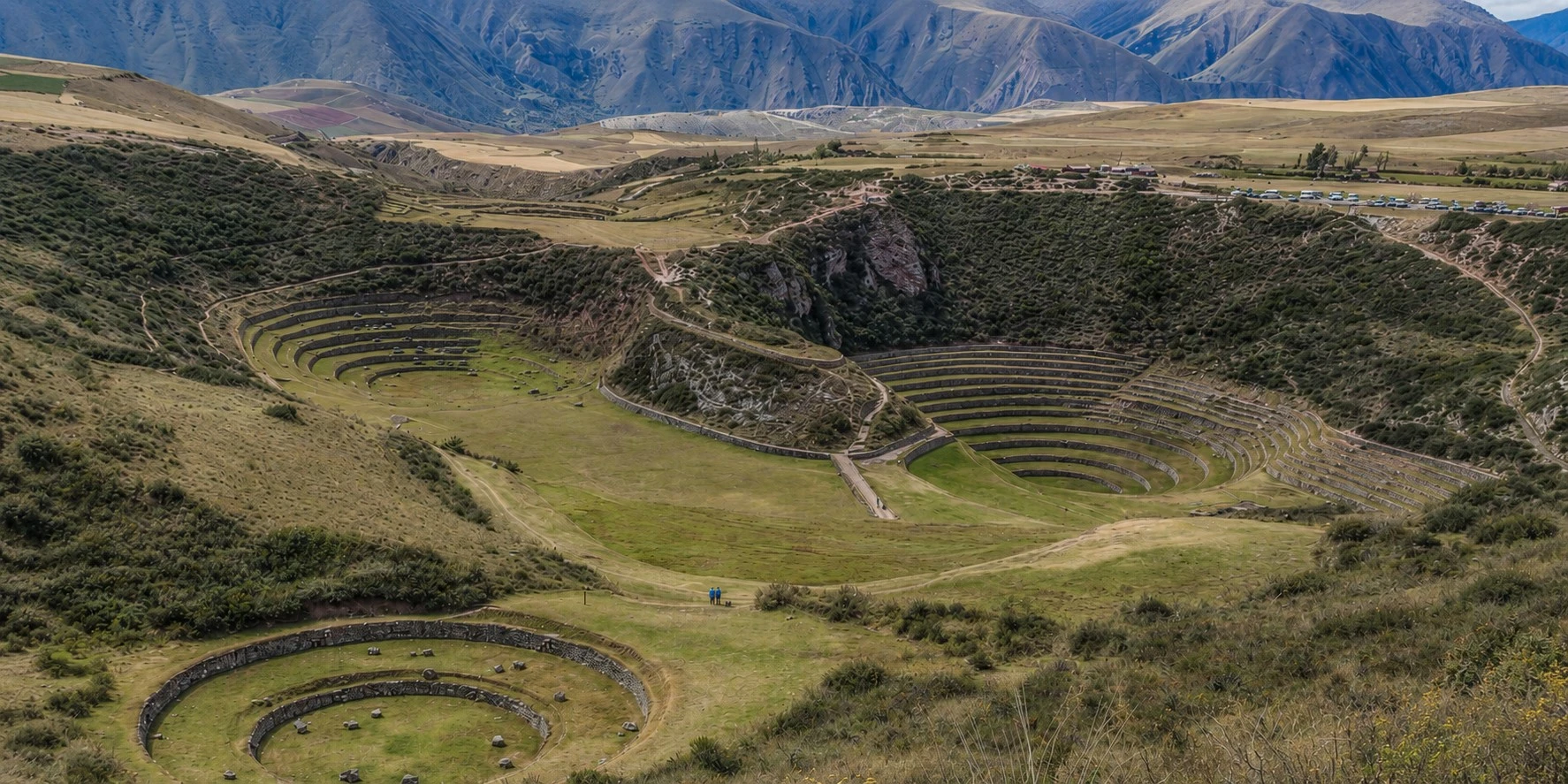
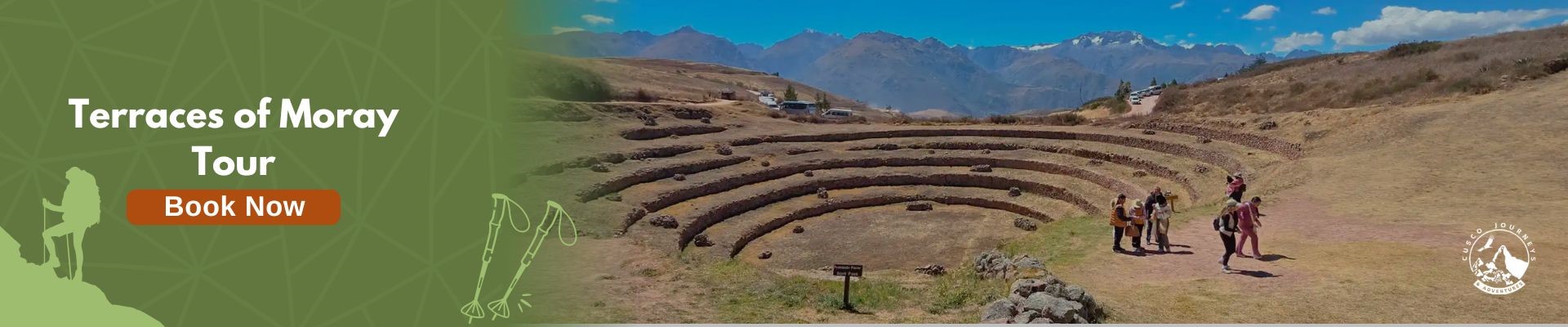
Moray is one of the most unique archaeological sites in Peru. Situated at approximately 3,500 meters (11,482 feet) above sea level, the site features a series of enormous circular terraces built within natural depressions in the landscape.
The largest terrace system descends more than 30 meters and consists of concentric levels that create different temperature zones. Archaeologists believe the Incas used Moray as an agricultural research center where crops could be tested under varying climatic conditions.
This innovative design allowed farmers to study plant adaptation and improve agricultural production throughout the empire. Today, Moray remains one of the most impressive examples of Inca engineering and scientific knowledge.
Why Is Moray Important?
Agriculture was essential to the success of the Inca Empire. Feeding millions of people across mountains, valleys, and deserts required extensive knowledge of crops and environmental conditions.
Many researchers believe Moray played an important role in developing agricultural techniques that were later used throughout the empire. Crops commonly associated with Inca agriculture include:
- Potatoes
- Corn
- Quinoa
- Beans
- Medicinal plants
- Native Andean crops
The site’s sophisticated design demonstrates the remarkable understanding the Incas had of climate, soil, and agricultural productivity.
The Maras Salt Mines
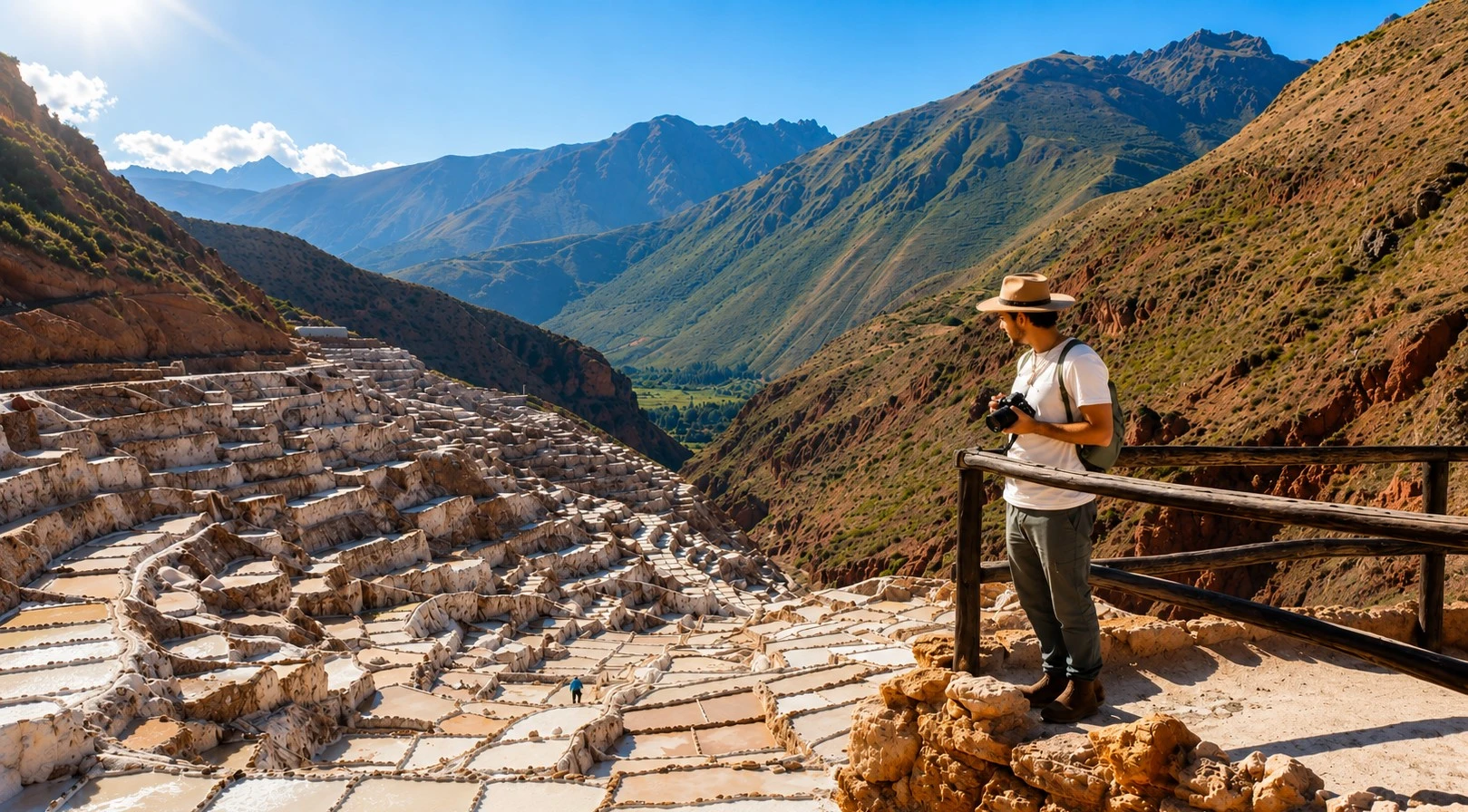 Just a short distance from Moray are the famous Maras Salt Mines, known locally as Salineras de Maras.
This extraordinary landscape consists of more than 3,000 individual salt ponds that cover the mountainside overlooking the Sacred Valley. The ponds are fed by a natural underground spring rich in minerals and salt.
As the water evaporates under the Andean sun, salt crystals form and are harvested by local families using traditional methods that have been preserved for generations.
The result is one of the oldest continuously operating salt-producing sites in South America and one of the most photographed destinations near Cusco.
History of the Maras Salt Mines
The origins of the Maras Salt Mines date back to pre-Inca times. Long before the rise of the Inca Empire, local communities discovered the mineral-rich spring and developed a system of channels and evaporation ponds to collect salt.
When the Incas expanded throughout the Sacred Valley, they incorporated the salt mines into their economic system. Salt became an important resource used for food preservation, trade, and everyday consumption.
Today, the salt ponds remain under the management of local families from the nearby village of Maras, preserving a tradition that continues to support the local economy.
What Makes Maras Salt Unique?
Maras salt is recognized for its natural production process and mineral content.
Unlike industrially produced salt, Maras salt is harvested by hand and contains trace minerals that contribute to its distinctive flavor and appearance.
Visitors can find:
- Pink salt
- Fine salt
- Coarse salt
- Gourmet culinary products
- Local handicrafts
Many restaurants and chefs around the world value Maras salt for its quality and natural characteristics.
How to Get to Maras and Moray
Maras and Moray are located approximately 40 kilometers (25 miles) from Cusco in the Sacred Valley.
Visitors can reach the sites through:
- Guided tours
- Private transportation
- Taxi services
- Public transportation
Most travelers prefer organized tours because they include transportation, expert guides, and a complete explanation of the historical significance of both attractions.
For travelers looking for a convenient and informative experience, our Moray Maras Salt Mines Tour provides one of the best ways to explore these remarkable sites.
What to Expect During the Maras and Moray Tour from Cusco
The Maras and Moray Tour from Cusco combines two of the most unique attractions in the Sacred Valley. Visitors can explore the circular terraces of Moray and the famous Maras Salt Mines while learning about Inca agriculture and local traditions.
Tour Highlights
- Moray circular terraces
- Maras Salt Mines
- Sacred Valley landscapes
- Inca agricultural history
- Traditional Andean culture
- Excellent photography opportunities
Best Time to Visit Maras and Moray
The best time to visit depends on the type of experience you are looking for.
Dry Season (May to September)
- Sunny days and clear mountain views
- Ideal for sightseeing and photography
Rainy Season (October to April)
- Green landscapes throughout the Sacred Valley
- Fewer visitors at the archaeological sites
Photography at Maras and Moray
Moray and the Maras Salt Mines offer some of the best photography opportunities in the Sacred Valley.
The circular terraces, salt ponds, and surrounding mountain scenery create spectacular viewpoints throughout the year.
Maras and Moray Tour vs Sacred Valley Tour
| Feature | Maras and Moray Tour | Sacred Valley Tour |
|---|---|---|
| Duration | Half Day | Full Day |
| Main Attractions | Moray & Maras Salt Mines | Pisac, Ollantaytambo & Chinchero |
| Focus | Inca agriculture & salt production | Inca history & archaeology |
| Walking Level | Easy to Moderate | Easy to Moderate |
| Ideal For | Short excursions from Cusco | Exploring the Sacred Valley |
After all, both tours offer different perspectives of the Sacred Valley and can be combined during your stay in Cusco.