
The Best Time to Visit the Inca Trail
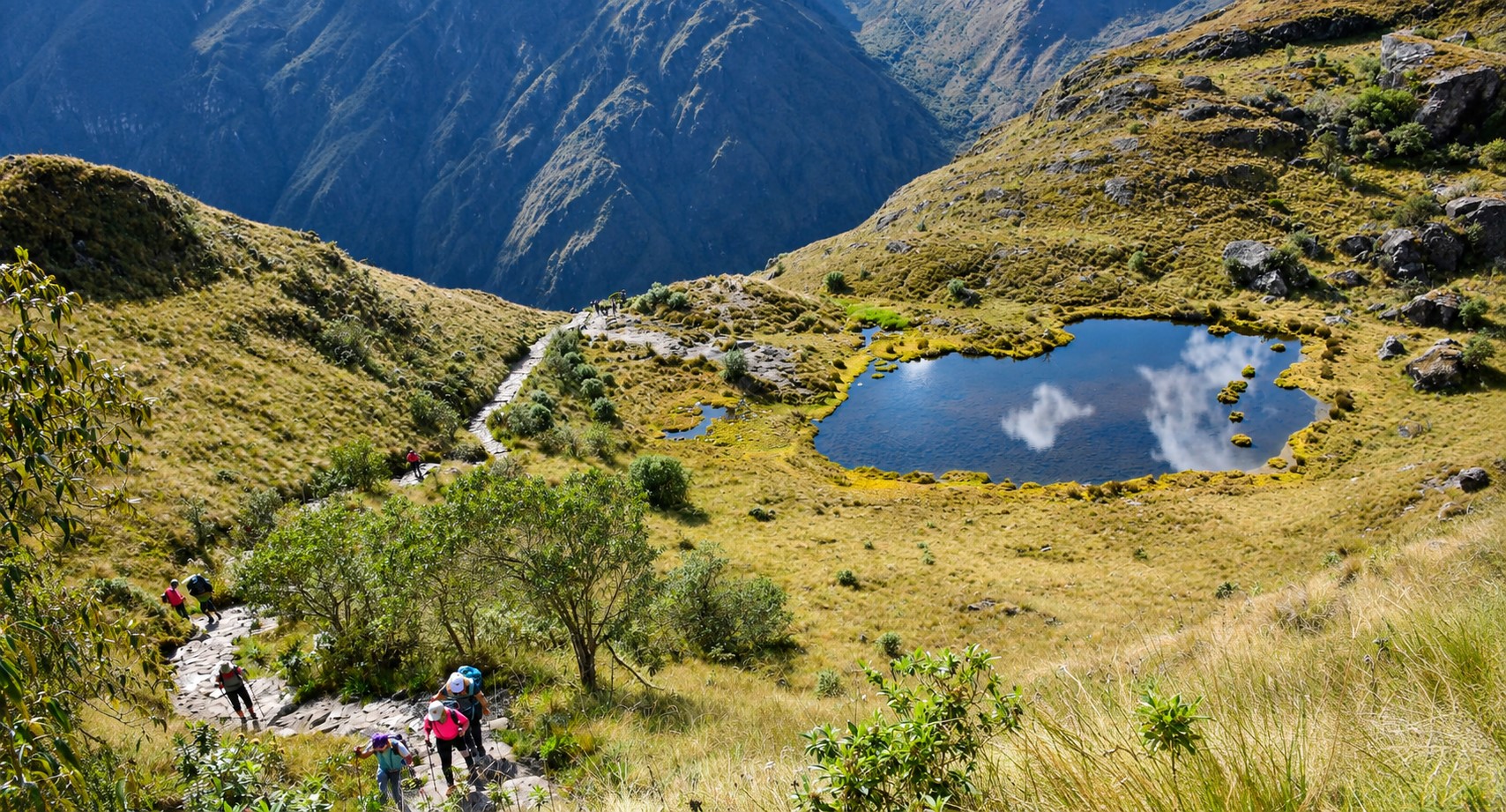 The Best Time to Visit the Inca Trail depends on the weather, trail conditions and the type of trekking experience you prefer. Located in the Cusco region of Peru, the route passes through different elevations and landscapes, from high Andean mountains to humid cloud forests.
The year is divided into two main seasons: dry and rainy. Most travelers choose the dry season, from April to October, when rainfall is generally lower and walking conditions are more favorable.
However, not every month offers the same conditions. May and September are particularly good options for combining relatively stable weather with manageable visitor numbers, while June, July, and August are among the busiest months.
The Best Time to Visit the Inca Trail also depends on how far in advance you can arrange your permits and which dates fit your travel plans. February is the exception, as the route closes every year for maintenance and conservation work.
Best Time to Visit the Inca Trail at a Glance
The Inca Trail is generally best visited between April and October. During these months, rainfall is usually lower and the stone paths are less affected by wet conditions. May, June, July, August, and September are especially popular for trekking.
Month |
Weather Conditions |
Visitor Levels |
Recommendation |
|---|---|---|---|
| January | Frequent rain | Low | Less favorable |
| February | Rainy; annual closure | Not available | Closed |
| March | Rain gradually decreases | Low to moderate | Variable |
| April | Changing weather | Moderate | Good |
| May | Mostly dry | Moderate to high | Excellent |
| June | Dry and sunny | High | Excellent |
| July | Dry, cold nights | Very high | Excellent |
| August | Mostly dry | High | Very good |
| September | Generally dry | Moderate | Excellent |
| October | Transition to rainy season | Moderate | Good |
| November | Rain becomes more frequent | Low to moderate | Variable |
| December | Rainy conditions | Moderate | Less favorable |
Which Months Are Best?
- May: A strong choice for travelers looking for generally dry conditions before the busiest part of the season.
- June: Good weather and clear mountain views, although demand for permits is high.
- July: Favorable trekking conditions, but it is one of the busiest months.
- August: Generally dry, with high demand and cold nights at higher elevations.
- September: A good balance between weather and visitor numbers.
- April and October: Useful alternatives for travelers with flexible dates, although rainfall can be less predictable.
When Is the Inca Trail Closed?
The Inca Trail closes every February for annual maintenance and conservation work. During this period, visitors cannot undertake the authorized trekking routes that are included in the annual closure.
The closure allows authorities to maintain campsites, drainage systems, archaeological structures and sections of the historic trail. Machu Picchu itself remains accessible through other authorized routes.
Travel Tip: If you plan to trek between May and September, organize your permits well in advance. Daily access is limited, and popular departure dates can become unavailable.
Inca Trail Weather by Month
Weather conditions change throughout the year, and the differences become more noticeable as you move between the high mountain sections and the cloud forest. Understanding the monthly conditions can help you choose suitable dates and prepare the right clothing.
January – Frequent Rainfall
January falls within the rainy season in Cusco. Rain can occur throughout the day, particularly in the afternoon, making stone steps and uneven sections slippery. Cloud cover can also limit visibility in some mountain areas.
Although fewer travelers choose this month, weather conditions can make the trek more demanding. It is generally not the first choice for visitors who want drier walking conditions.
February – Annual Closure
February is the only month when the Inca Trail closes every year for scheduled maintenance and conservation. The closure is intended to protect the historic route and allow authorities to carry out necessary work.
Travelers planning a visit to Machu Picchu during February can consider other authorized routes, such as the Salkantay Trek, depending on current operating conditions.
March – Rainy Season Begins to Ease
Rainfall usually starts to decrease toward the end of March, although wet days remain possible. The vegetation is green and the surrounding mountains can have substantial cloud cover.
Trail conditions may still be muddy, so travelers should be prepared for rain and slippery stone sections. March can be considered by visitors with flexible schedules who do not mind variable weather.
April – A Month of Transition
April marks the transition from the rainy season toward drier conditions. Rain becomes less frequent, although occasional showers can still occur.
The landscape remains green after the rainy months and visitor numbers are generally more manageable than during the peak trekking season. It is a good option for travelers who prefer a balance between changing weather and fewer crowds.
May – One of the Best Months
May is one of the most recommended months for the Inca Trail. Rainfall is generally lower, mountain views are often clearer, and the trail conditions tend to be favorable.
The vegetation remains green from the previous rainy season, creating good conditions for photography. Visitor numbers begin to increase, but May is generally less crowded than June, July, and August.
June – Dry Weather and High Demand
June is part of the dry season and offers favorable conditions for trekking. Rainfall is generally limited, and clear mornings are common.
It is also an important month for cultural celebrations in Cusco, particularly around June 24, when the Inti Raymi festival takes place. As a result, demand for accommodation, transportation, and Inca Trail permits can be high.
Travelers planning to hike in June should arrange their permits and other services well in advance.
July – Peak Trekking Season
July is one of the busiest months on the Inca Trail. It falls within the dry season, with generally favorable walking conditions and good visibility.
However, the high demand means permits can be difficult to secure for preferred dates. Nights at higher elevations can be cold, even when daytime temperatures are comfortable.
July is a good choice for travelers who prioritize dry weather and have enough flexibility to plan ahead.
August – Dry Conditions Continue
August generally offers stable trekking conditions, with relatively little rainfall and clear skies on many days.
It remains a popular month for international visitors traveling during the northern hemisphere summer holidays. Mornings and nights can be cold at higher elevations, so suitable layers are important.
If you choose August, check permit availability before confirming the rest of your travel arrangements.
September – A Good Balance
September is another excellent month for trekking the Inca Trail. Dry conditions usually continue during the first part of the month, while occasional rainfall becomes more likely toward the end.
Compared with July and August, visitor numbers generally begin to decrease. This makes September an attractive option for travelers looking for good trekking conditions without the highest levels of seasonal demand.
October – The Start of Changing Conditions
October is a transition month. Rainfall gradually increases, although many days remain suitable for trekking.
Temperatures can feel relatively mild during the day, but showers may occur, particularly in the afternoon. Travelers should carry waterproof clothing and protect their belongings from moisture.
October is a practical option for those who cannot travel during the main dry-season months.
November – Rainfall Becomes More Frequent
November marks the beginning of the rainy season. Showers become more common, and weather conditions can change quickly along the route.
The surrounding vegetation becomes greener, but wet stone paths can make walking more difficult. Travelers choosing this month should be prepared for rain and possible changes to trekking conditions.
December – Rainy Season Conditions
December is part of the rainy season in Cusco. Rainfall becomes more frequent, and cloudy conditions may affect views along the route.
Although the Inca Trail normally operates during December, weather conditions can make the trek more challenging. Travelers should bring waterproof clothing, suitable footwear, and protective covers for their backpacks.
Weather-related restrictions or temporary closures may also occur if authorities consider trail conditions unsafe.
Dry Season vs. Rainy Season on the Inca Trail
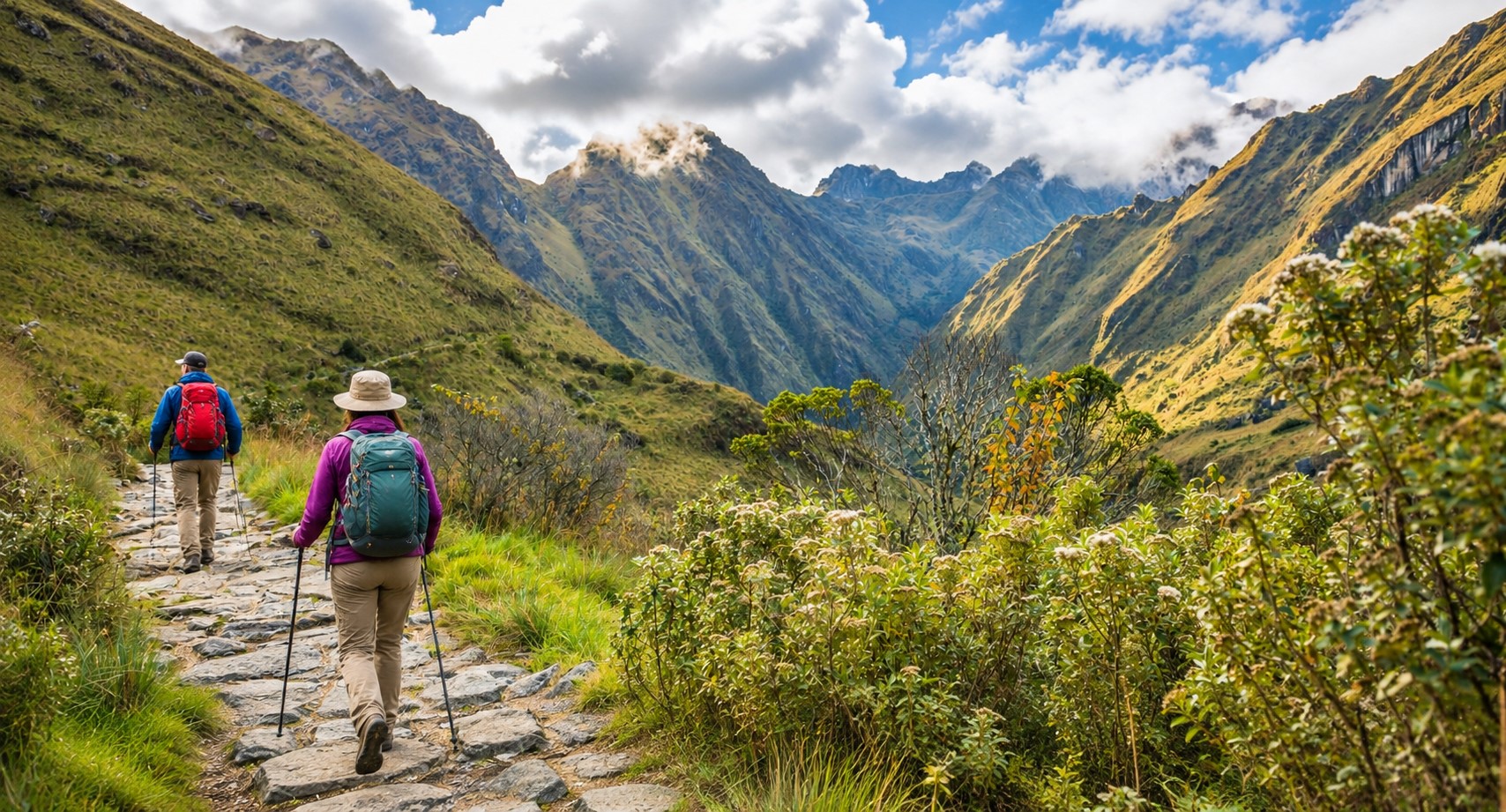 The Inca Trail has two main seasons, and each offers different conditions for trekking. The dry season is generally preferred for its lower rainfall and clearer skies, while the rainy season brings greener landscapes and wetter trails.
Dry Season (April to October)
The dry season offers the most favorable conditions for hiking, particularly from May to September. Rainfall is generally lower, mountain views are often clearer and the stone paths are usually drier. June, July and August are the busiest months, while May and September offer a good balance between weather and visitor numbers.
Rainy Season (November to March)
The rainy season brings more frequent showers, cloudy skies and slippery sections along the route. The surrounding mountains and cloud forests become greener, but walking conditions can be more challenging. January and March are generally quieter months, although February is reserved for the annual closure of the Inca Trail for maintenance and conservation work.
How Far in Advance Should You Book the Inca Trail?
The Inca Trail operates with a limited number of daily permits. Access is regulated by the Peruvian authorities and visitors must travel through an authorized operator with the required guide and permits.
The number of available places is restricted, so popular dates can sell out before the trekking season begins.
If you are planning to hike between May and September, it is advisable to organize your reservation several months ahead. June, July, and August generally require the most advance planning.
Before confirming flights or other non-refundable services, check the availability of your preferred departure date.
You can review our Inca Trail Availability page or contact Cusco Journeys to check your travel dates.
Important: Permit availability changes regularly. A date that is available today may not remain available later, so confirmation should always be based on the official booking system.
What Should You Pack for the Inca Trail?
Your packing list should reflect the month you choose. Even during the dry season, temperatures can change considerably between daytime and nighttime, particularly at higher elevations.
We recommend preparing for both sunny and cold conditions.
Essential clothing and equipment:
- Waterproof jacket or rain poncho.
- Breathable trekking shirts.
- Warm fleece or insulating jacket.
- Comfortable trekking trousers.
- Waterproof or water-resistant hiking boots.
- Extra pairs of trekking socks.
- Warm hat and sun hat.
- Gloves for cold mornings.
- Sunglasses and sunscreen.
- Reusable water bottle.
- Small backpack with a rain cover.
- Personal medication and basic toiletries.
During the rainy season, waterproof protection becomes especially important. In the dry season, sun protection and warm layers are essential.
You should also consider the altitude. The route reaches approximately 4,215 meters at Dead Woman’s Pass, so spending time acclimatizing in Cusco before starting the trek is recommended.
For more preparation advice, read our Inca Trail from Cusco guide.