
Vilcabamba Trek vs Inca Trail: Which Trek Is Better?
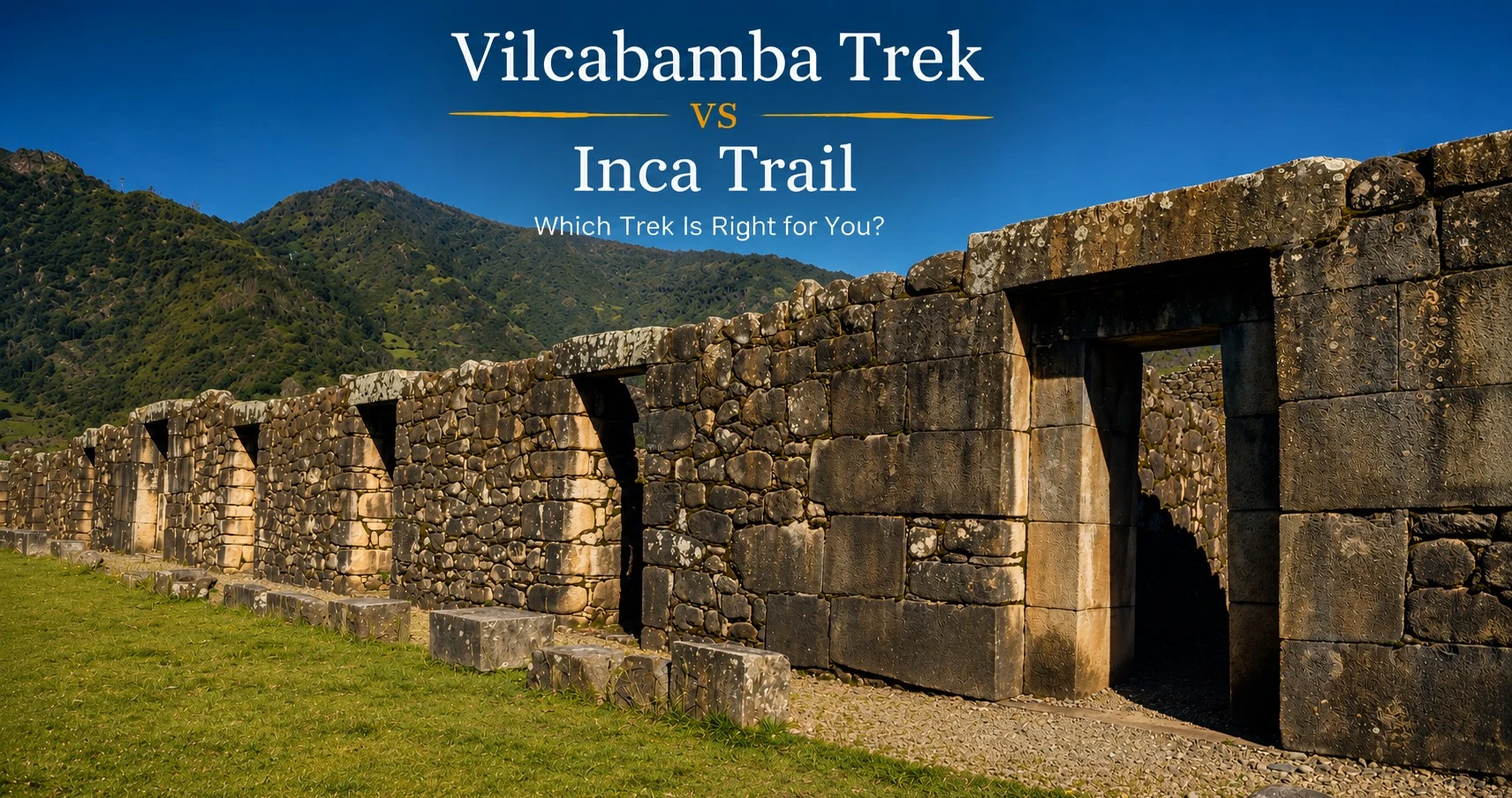 Vilcabamba Trek vs Inca Trail is one of the most common comparisons among travelers planning a trekking adventure in Peru. While both routes are deeply connected to the Inca civilization, they offer completely different experiences in terms of history, scenery, difficulty, and visitor numbers.
The Classic Inca Trail is world-famous for leading hikers to Machu Picchu through ancient stone pathways. The Vilcabamba Trek, on the other hand, explores one of Peru’s most remote regions, taking visitors to Espíritu Pampa, the last refuge of the Inca Empire.
In this guide, we’ll compare both treks to help you choose the adventure that best matches your interests, fitness level, and travel style.
Vilcabamba Trek vs Inca Trail: Key Differences
 Before choosing your adventure, here’s a quick comparison of Peru’s two most iconic trekking experiences.
Feature |
Vilcabamba Trek |
Classic Inca Trail |
|---|---|---|
| Duration | 5 Days / 4 Nights | 4 Days / 3 Nights |
| Hiking Distance | 72 km (45 mi) | 42 km (26 mi) |
| Maximum Elevation | 4,500 m (14,764 ft) | 4,215 m (13,828 ft) |
| Difficulty | Moderate to Challenging | Moderate |
| Main Destination | Espíritu Pampa | Machu Picchu |
| Crowds | Very Low | High |
| Archaeological Sites | Hidden Inca Ruins | Famous Inca Sites |
| Permits | Usually Available | Limited Availability |
History and Cultural Significance
Although both treks celebrate Peru’s extraordinary Inca heritage, they represent different moments in history.
The Classic Inca Trail follows part of the ancient Qhapaq Ñan, the vast road network that connected the Inca Empire. Along the route, hikers discover impressive archaeological sites before arriving at the breathtaking citadel of Machu Picchu through the Sun Gate.
The Vilcabamba Trek tells the story of the last Incas. After the Spanish conquest of Cusco, the Inca rulers retreated into the remote Vilcabamba region, where they established their final stronghold. The trek reaches Espíritu Pampa, one of the most important archaeological sites linked to the final years of the Inca Empire.
For history lovers, both routes are exceptional. The Inca Trail showcases the engineering achievements of the empire, while the Vilcabamba Trek offers a deeper look into the last chapter of Inca resistance.
Scenery and Natural Landscapes
Both routes feature spectacular scenery, but each offers a different type of adventure.
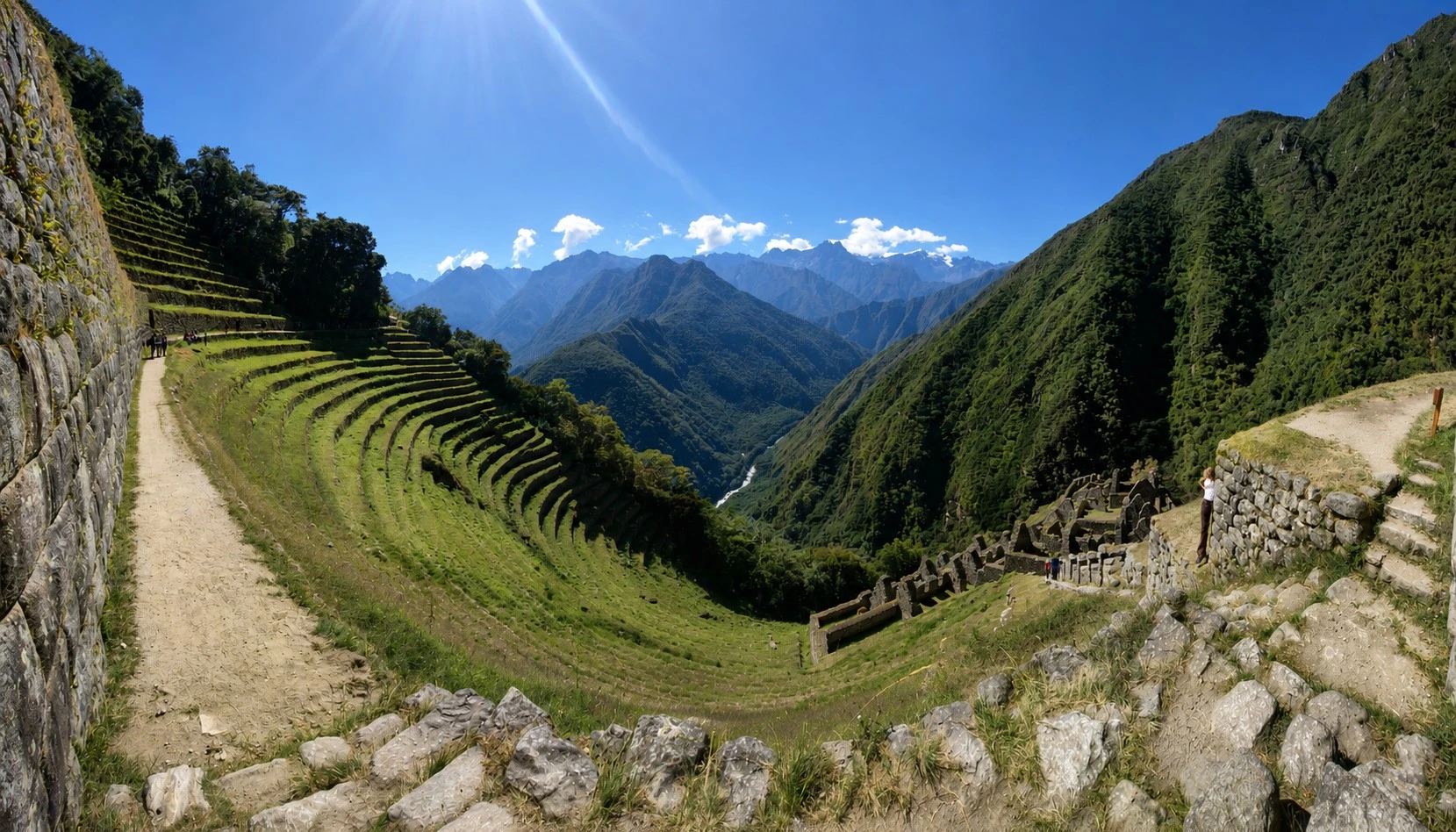
The Classic Inca Trail combines high mountain passes, original Inca stone trails, cloud forests, and unforgettable views before reaching Machu Picchu. It is a perfect balance of history and nature.
The Vilcabamba Trek takes hikers through untouched valleys, snow-capped mountains, crystal-clear rivers, cloud forests, and lush tropical vegetation. Because very few people visit this region, the landscapes remain remarkably pristine and peaceful.
Travelers looking for a remote trekking experience surrounded by nature often prefer the Vilcabamba Trek, while those dreaming of the iconic journey to Machu Picchu usually choose the Classic Inca Trail.
Difficulty and Physical Challenge
Both treks require good physical condition, but the Vilcabamba Trek is generally more demanding.
- The Classic Inca Trail covers approximately 42 km (26 mi) over four days and reaches its highest point at Dead Woman’s Pass (4,215 m / 13,828 ft). Although the route includes many steep stone steps, it follows a well-established trail with comfortable campsites.
- The Vilcabamba Trek extends for approximately 72 km (45 mi) over five days and crosses mountain passes reaching around 4,500 m (14,764 ft). Longer hiking days and more remote terrain make it a rewarding challenge for experienced hikers seeking a true wilderness adventure.
Archaeological Sites Along the Route
Both treks allow visitors to discover remarkable Inca sites, but the archaeological experience is completely different.
- The Classic Inca Trail passes several famous archaeological complexes, including Llactapata, Runkurakay, Sayacmarca, Phuyupatamarca, and Wiñay Wayna, before ending at the iconic citadel of Machu Picchu. These well-preserved sites offer a fascinating insight into the engineering and architecture of the Inca civilization.
- The Vilcabamba Trek focuses on hidden archaeological treasures rarely visited by tourists. Its greatest highlight are Espíritu Pampa, Rosaspata, Ñuspa Hispana an important archaeological site believed to have been one of the last refuges of the Inca Empire. Surrounded by dense vegetation and untouched landscapes, it offers a unique glimpse into Peru’s lesser-known history.
Crowds and Trekking Experience
 One of the biggest differences between these two routes is the number of visitors.
- The Classic Inca Trail is Peru’s most famous trekking route and requires limited permits issued by the government. During the high season, campsites and trails can be busy, creating a lively atmosphere shared with hikers from around the world.
- The Vilcabamba Trek remains one of Peru’s best-kept secrets. Its remote location means you can hike for hours surrounded only by mountains, forests, and wildlife. For travelers seeking peace, solitude, and an authentic off-the-beaten-path adventure, Vilcabamba is an outstanding choice.
Best Time to Hike
The best time to hike both the Vilcabamba Trek and the Classic Inca Trail is during the dry season, from April to October. These months usually offer sunny days, clear mountain views, and ideal trekking conditions.
The rainy season extends from November to March, bringing more frequent showers and muddy trails. While the Vilcabamba Trek can still be enjoyed depending on weather conditions, the Classic Inca Trail closes every February for annual maintenance.
Planning your trek between May and September generally provides the best overall hiking experience.
Which Trek Should You Choose?
Both routes offer unforgettable experiences, and the best choice depends on what you are looking for.
If your dream is to hike the legendary route to Machu Picchu, following ancient stone pathways and visiting world-famous archaeological sites, the Classic Inca Trail is the ideal option.
If you prefer remote landscapes, fewer tourists, fascinating history, and hidden Inca ruins, the Vilcabamba Trek offers one of Peru’s most authentic trekking adventures.
Its combination of spectacular scenery and cultural significance makes it an excellent alternative for experienced hikers and history lovers alike.
Explore the Vilcabamba Trek with Cusco Journeys
If you’re searching for an off-the-beaten-path adventure, our Vilcabamba Trek 5 Days 4 Nights is the perfect choice.
This unforgettable journey combines breathtaking mountain scenery, cloud forests, hidden archaeological sites, and the legendary ruins of Espíritu Pampa, offering an authentic trekking experience far from the crowds.
Discover one of Peru’s most rewarding hiking adventures and follow the footsteps of the last Incas with our experienced local guides.
Frequently Asked Questions
Si te gustó este artículo y la información que encontraste, ¡regálanos 5 estrellas!
 (Ninguna valoración todavía)
 Loading...