
Lares Trek Weather: A Complete Guide by Season and Month
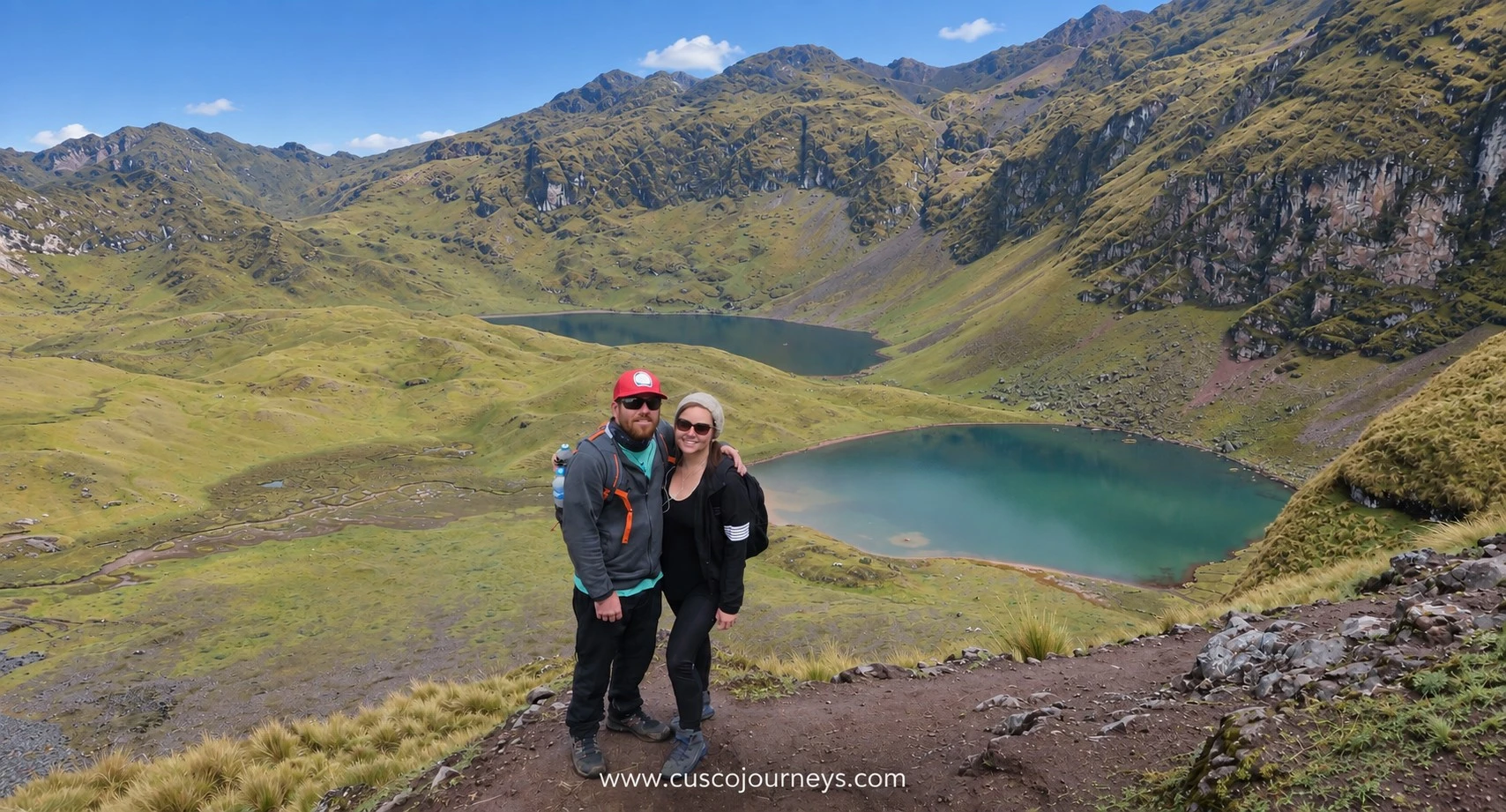 Planning a trek through the Peruvian Andes means being prepared for changing mountain conditions. Understanding Lares Trek Weather Guide can help you choose the right time of year, pack appropriately, and know what to expect during each stage of the journey.
The route passes through different elevations, so temperatures and weather conditions can vary considerably from one part of the trek to another. Lares Trek Weather follows the general seasonal pattern of the Cusco region, with a relatively dry period and a wetter period.
However, conditions are also strongly influenced by altitude. You may experience bright sunshine during the day, cold winds at higher elevations, rain showers in the afternoon, and very cold temperatures after sunset. Knowing these variations will help you enjoy the trek with the right preparation.
Lares Trek Weather at a Glance
The Lares Trek can be completed during different times of the year, but the experience changes depending on the season.
Season |
Months |
General Conditions |
Trail Conditions |
|---|---|---|---|
| Dry Season | May–September | Drier, clearer skies and cold nights | Generally firm and dry |
| Transition Season | April & October | Variable weather with occasional rain | Mostly good, some wet sections |
| Rainy Season | November–March | More frequent rain and cloud cover | Wetter and potentially muddy |
The most favorable period for stable trekking conditions is generally May through September, while April and October can be good transition months. During the rainy season, trekking remains possible, but travelers should be prepared for wetter trails and less predictable weather.
What Is the Climate Like on the Lares Trek?
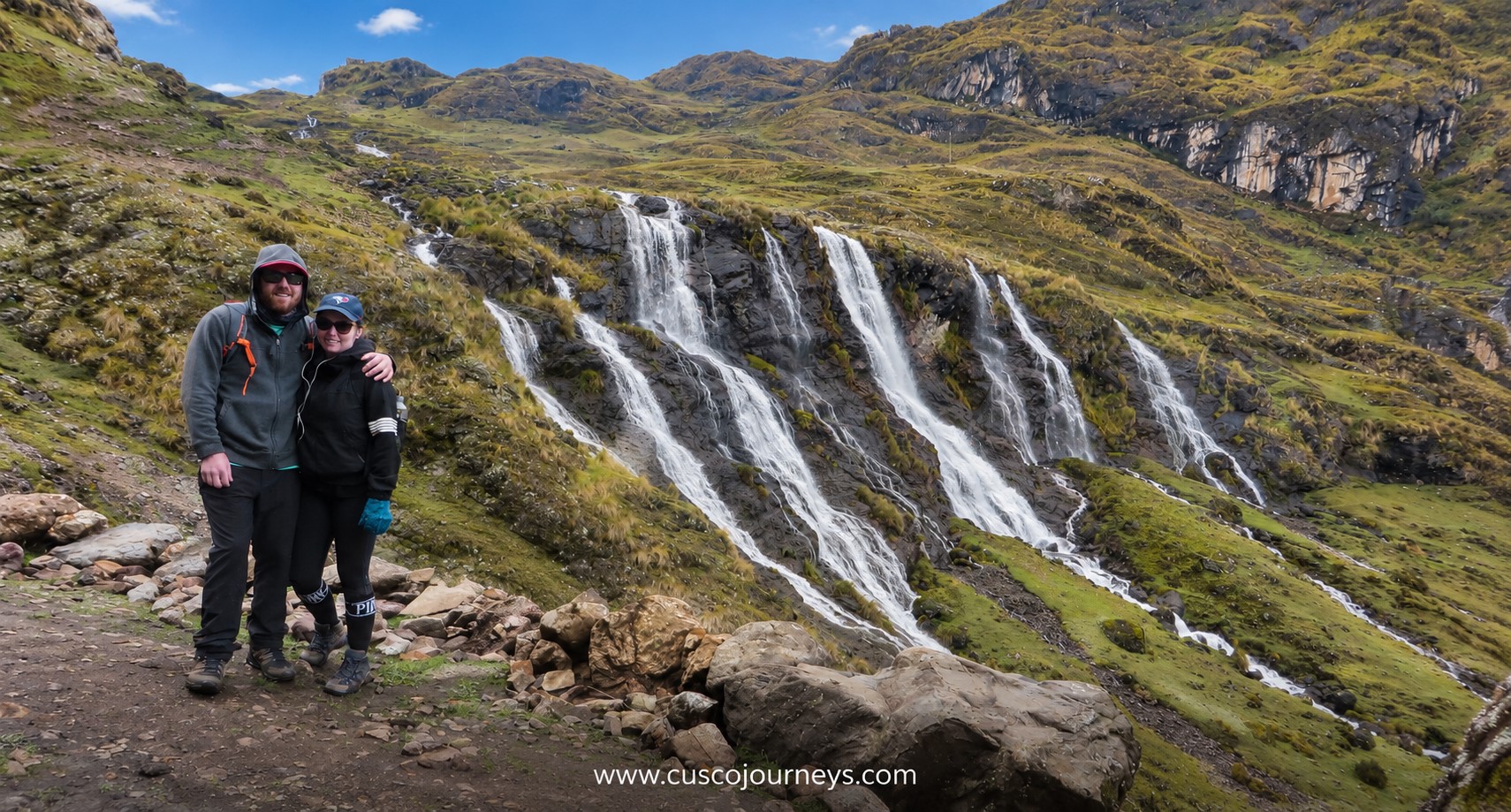 The climate along the Lares Trek is influenced primarily by altitude. Lower sections of the route can feel relatively mild during the day, while higher mountain passes and camps can be considerably colder.
Sunshine can also feel intense at high altitude, particularly during clear days. Once the sun goes down, temperatures can fall quickly, especially during the dry season. For this reason, travelers should be prepared for both warm daytime conditions and cold mornings and nights.
Weather can also change quickly in the mountains. A clear morning does not necessarily mean that the entire day will remain sunny, so carrying rain protection and warm layers is recommended regardless of the month you choose.
Dry Season: May to September
The dry season is generally the most popular period for the Lares Trek. Rainfall is lower, skies are more frequently clear, and trails are usually firmer and easier to walk.
June, July and August typically offer some of the most reliable conditions for trekking, although these months can also bring very cold nights at higher elevations. Clear skies are particularly beneficial for panoramic views of the surrounding mountains.
If your priority is better visibility, drier trails and more predictable trekking conditions, the dry season is an excellent choice.
What to expect during the dry season
- Clearer skies
- Lower probability of rainfall
- Drier and firmer trails
- Strong daytime sunshine
- Cold mornings and nights
- Very cold conditions possible at high elevations
- Excellent visibility for mountain scenery
Rainy Season: November to March
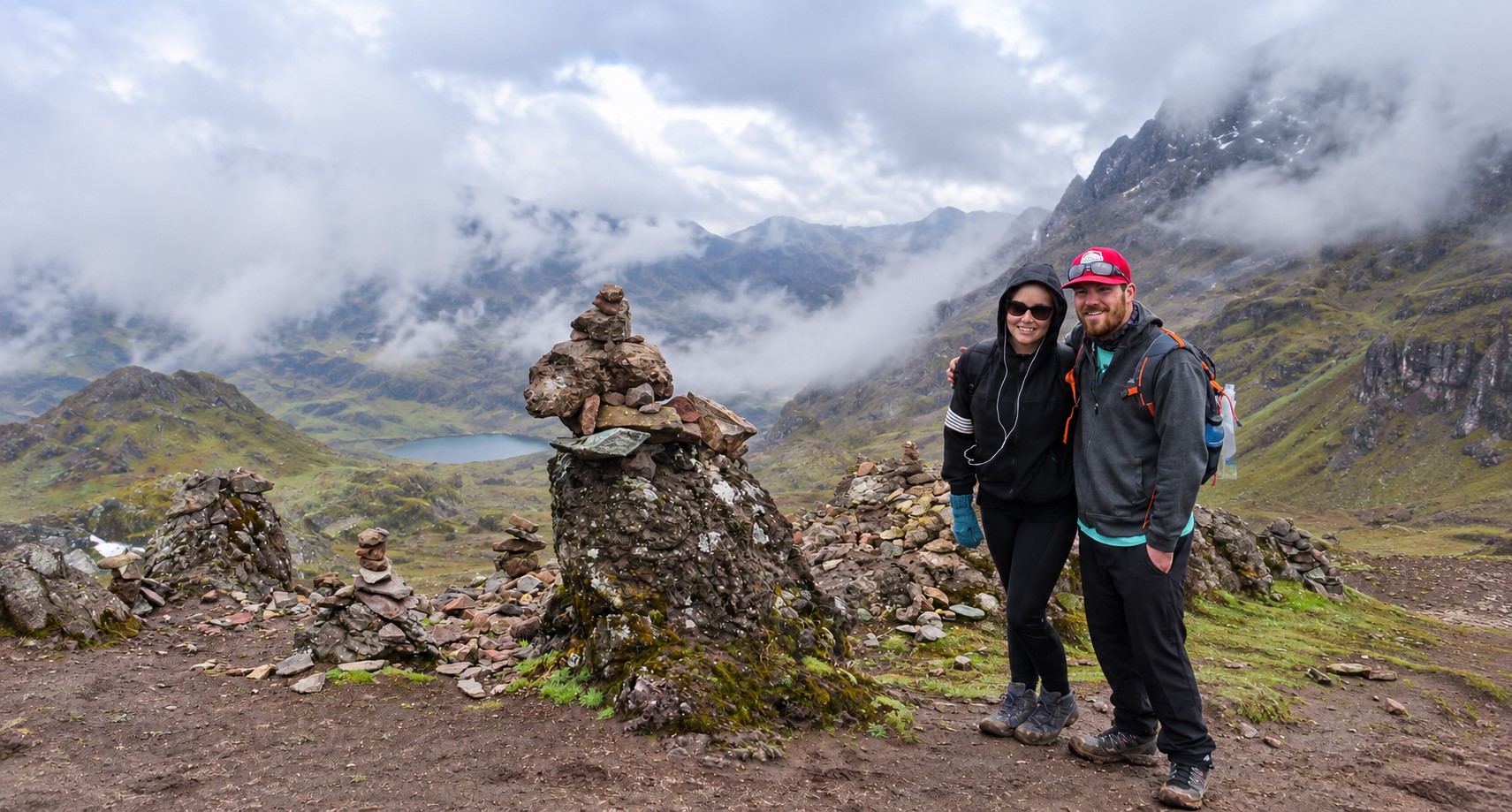
The rainy season brings more frequent precipitation to the Lares Valley. Rain does not necessarily continue throughout the entire day, but showers, cloud cover and wet sections of trail are more common.
The landscape can become particularly green and vibrant during this period, creating a different atmosphere from the dry season. There are also generally fewer trekkers compared with the busiest months.
Travelers choosing this season should be comfortable with changing conditions and carry reliable waterproof clothing. Wet and muddy sections can make certain parts of the route more demanding.
What to expect during the rainy season
- More frequent rain showers
- Cloudier mountain views
- Wet or muddy sections of trail
- Greener valleys and landscapes
- Fewer trekkers
- More variable daily conditions
- Need for good waterproof protection
Lares Trek Weather Month by Month
Weather conditions in the Lares Valley change throughout the year, with noticeable differences between the dry and rainy seasons. The following month-by-month guide will help you understand what to expect and choose the best time for your trek.
January
January is part of the wetter period, with a higher possibility of rain and cloudy conditions. Trails can become wet or muddy after prolonged rainfall, particularly in exposed or poorly drained sections. The surrounding valleys are usually lush and green, giving the trek a vibrant appearance even when the weather is unsettled.
February
February is typically one of the wetter periods of the year, so travelers should be prepared for frequent showers and reduced mountain visibility. Wet ground can make some sections slower and more slippery than during the dry season. Good waterproof clothing and appropriate trekking footwear are especially important if you choose to travel this month.
March
Rain remains possible in March, although conditions generally begin to improve toward the end of the month. The mountains and valleys remain green, and the trails can still be moist from the preceding rainy period. March can be appealing for travelers who prefer quieter trails and do not mind some weather variability.
April
April is a transition month, with rainfall generally beginning to decrease while the landscape remains green from the wet season. You can experience a mixture of sunny periods and occasional showers. It can offer a good balance between improving trekking conditions, beautiful scenery and fewer visitors than the peak dry-season months.
May
May marks the beginning of the more consistently dry period, with less frequent rainfall and increasingly clear skies. Trails generally become firmer, making long hiking days more comfortable. It is an excellent month for travelers who want relatively stable weather while avoiding some of the busiest periods of the year.
June
June is one of the most favorable months for trekking, with generally dry conditions and good mountain visibility. Clear nights can also make temperatures particularly cold at higher elevations. Bring warm layers and adequate protection for early mornings and evenings, especially when camping at altitude.
July
July continues the dry season and usually offers excellent conditions for hiking, with clearer skies and limited rainfall. Daytime sunshine can feel warm, while temperatures drop quickly after sunset. It is one of the best months for panoramic mountain views, although it is also part of the busier travel period in Cusco.
August
August generally remains dry, with good visibility and favorable conditions for long trekking days. Strong sunshine during the day can contrast sharply with cold temperatures after sunset, particularly at higher camps. The combination of clear skies and dramatic Andean scenery makes August a popular choice for the Lares Trek.
September
September generally remains favorable for trekking, although the probability of rainfall gradually begins to increase toward the end of the month. Daytime conditions are often comfortable, while nights can be less severe than in the middle of winter. September is a particularly good option for travelers looking for a quieter alternative to the peak months.
October
October is another transition month, with weather becoming increasingly variable as the wetter season approaches. Many days can still provide sunshine, although afternoon showers become more possible. It is a good month for travelers who want fewer crowds and are comfortable preparing for both dry and wet conditions.
November
November marks the return of wetter conditions, with increasing rainfall and cloud cover. Trails may become wetter as the month progresses, while the surrounding landscape becomes progressively greener. The trek remains possible, but carrying waterproof clothing and being prepared for changing weather is essential.
December
December is part of the rainy season, with a greater possibility of showers and cloudy periods. The landscape is generally very green, and nighttime temperatures can be less severe than during the coldest dry-season months. It can be a rewarding time for travelers who value lush scenery and quieter trails more than predictable weather.
Daytime and Nighttime Temperatures on the Lares Trek
Temperature varies significantly according to altitude, season and the exact location along the route. Rather than expecting one temperature for the entire trek, travelers should prepare for considerable changes throughout the day.
During sunny periods, daytime temperatures can feel comfortable for hiking, particularly in lower sections. At higher elevations, however, wind and altitude can make the air feel considerably colder.
After sunset, temperatures can fall rapidly. Clear nights during the dry season are often particularly cold, and temperatures around or below freezing are possible at higher elevations.
This is why layering is one of the most important strategies for the Lares Trek. You can remove layers while hiking under the sun and add them again when temperatures fall.
Is the Lares Trek Cold During the Day?
Not necessarily. During sunny periods, hiking can feel comfortable, especially when you are walking uphill and generating body heat.
However, the experience changes with altitude and weather. Windy sections, high mountain passes and cloudy conditions can feel considerably colder than sheltered areas lower in the valley.
The biggest difference is often between daytime and nighttime conditions. A sunny afternoon can be followed by a very cold evening, so it is important to keep warm clothing accessible rather than packed away.
How Does Rain Affect the Lares Trek?
Rain can change the trekking experience in several ways. Wet ground can become muddy or slippery, particularly on steeper sections, while clouds and mist can temporarily reduce visibility around the mountains.
This does not mean the Lares Trek cannot be completed during the rainy season. With appropriate clothing and footwear, the route remains an option for travelers who are comfortable with changing conditions.
One advantage of traveling during wetter months is the scenery. Regular rainfall keeps the valleys and hillsides particularly green, creating a very different landscape from the dry season.
What Should You Pack for Lares Trek Weather?
The best way to prepare for Lares Trek weather is to use layers rather than relying on one heavy item of clothing.
We recommend bringing:
- Waterproof trekking jacket
- Lightweight rain protection
- Thermal base layers
- Fleece or warm mid-layer
- Trekking pants
- Waterproof trousers
- Warm hat and gloves
- Sun hat or cap
- Sunglasses
- Sunscreen
- Comfortable trekking boots
- Extra trekking socks
- Warm sleeping bag suitable for high-altitude camping
- Backpack rain cover
- Water bottle
- Headlamp
Your clothing should allow you to adapt easily. During sunny periods, you may need fewer layers, while early mornings, mountain passes and evenings require considerably more protection.
What Is the Best Month for the Lares Trek?
For travelers looking for the most predictable weather, June, July and August are among the strongest choices. These months generally provide dry conditions, clearer skies and good visibility.
However, the best month depends on what you value most.
May and September can be excellent alternatives for travelers who want favorable trekking conditions with somewhat fewer visitors. April and October are also interesting transition months, although weather becomes less predictable.
The rainy season can also be rewarding for travelers who prioritize greener scenery and quieter trails and are prepared for rain.
Is the Lares Trek Possible During the Rainy Season?
Yes. The Lares Trek can be completed during the rainy season, although the experience is different from trekking during the dry months.
Rain can make some sections of the trail wet and slippery, while clouds may temporarily hide the surrounding mountains. Travelers should therefore allow for changing conditions and carry reliable waterproof protection.
The advantage is that the landscape can be exceptionally green, and the trail generally feels quieter. For travelers who do not mind occasional rain, the rainy season can offer a more peaceful experience.