
Best Time to See Condors in Cusco
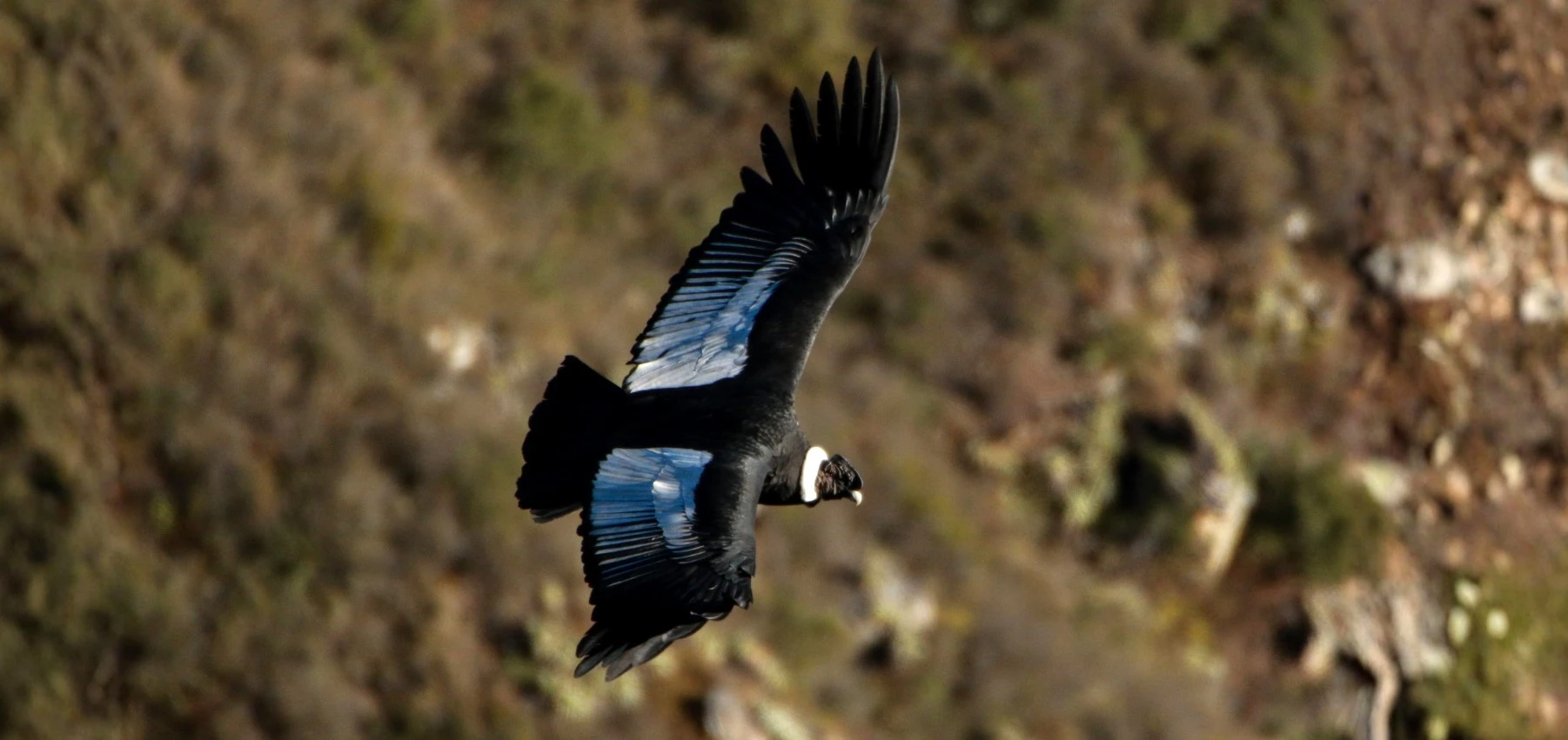 Watching the majestic Andean Condor soaring above the Andes is one of the most unforgettable wildlife experiences in Peru. Many travelers visit Cusco hoping to see this incredible bird in its natural habitat, but choosing the best time to see condors in Cusco can make all the difference.
Located just a few hours from the city, Chonta Valley offers one of the best places to watch the Andean Condor flying above the spectacular Apurimac Canyon.
In this guide, you’ll discover the best season, the ideal time of day, and practical tips to maximize your chances of seeing these magnificent birds.
If you’re planning your adventure, our Condor Sightings Cusco tour takes you to the best observation points with experienced local guides.
Why Chonta Valley Is the Best Place to See Condors
While many people associate condor watching with Colca Canyon, Chonta Valley has become one of the best places to see the Andean Condor near Cusco.
Overlooking the impressive Apurimac Canyon, it offers excellent opportunities to observe these magnificent birds in their natural habitat.
Unlike longer trips to southern Peru, Chonta Valley can be visited on a full-day excursion from Cusco. The journey combines beautiful mountain scenery, an easy hike, the archaeological site of Quillarumiyoq, and one of the country’s best viewpoints for condor watching, making it an unforgettable experience for nature lovers and photographers.

Chonta Valley vs. Colca Canyon
Both destinations are excellent for Andean Condor watching. Here’s how they compare.
Feature |
Chonta Valley (Cusco) |
Colca Canyon (Arequipa) |
|---|---|---|
| Distance from Major City | About 3 hours from Cusco | About 4 hours from Arequipa |
| Tour Duration | Full-day tour | Usually 2 days or more |
| Best Time to See Condors | 1:00 PM – 4:00 PM | Early morning |
| Scenery | Apurimac Canyon and Andean landscapes | Colca Canyon and traditional villages |
| Difficulty | Easy to moderate hike | Short walk to viewpoints |
| Ideal For | Travelers staying in Cusco | Travelers visiting Arequipa |
| Photography | Excellent canyon and wildlife photography | Excellent sunrise and condor photography |
How to Get to Chonta Valley
Chonta Valley is located approximately 3 hours northwest of Cusco, in the district of Limatambo, Anta Province. The route follows scenic mountain roads through traditional Andean communities before reaching the trailhead, where the hike to the famous Condor viewpoint begins.
While it is possible to visit independently, most travelers choose an organized tour for a safer and more convenient experience.
A guided excursion includes round-trip transportation, a visit to the archaeological site of Quillarumiyoq, and enough time to reach the Condor viewpoint during the best hours for observing the majestic Andean Condor soaring above the spectacular Apurimac Canyon.
Best Time of Year to See Condors
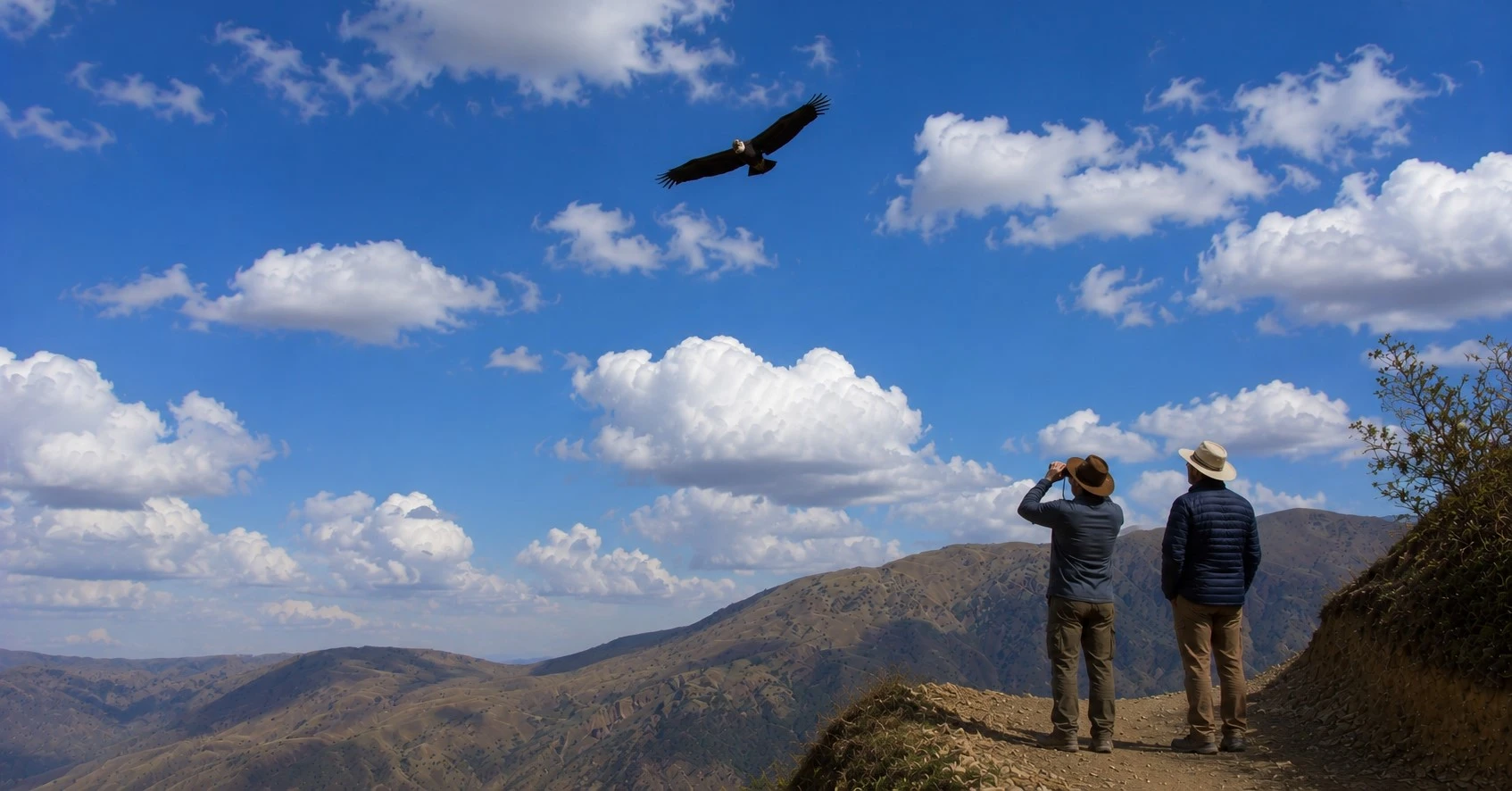 The Andean Condor can be seen throughout the year in Chonta Valley. However, weather conditions can influence visibility and the overall experience.
- Dry Season (April to October): The dry season is considered the best time to see condors in Cusco. Clear skies provide excellent visibility across the Apurimac Canyon, while stable weather offers ideal conditions for photography and a more comfortable hike.
- Rainy Season (November to March): Condor sightings are still possible during the rainy season, especially on days with favorable weather. Although afternoon showers are more common, the lush green landscapes create beautiful scenery and an enjoyable wildlife experience.
Best Time of Day for Condor Watching
The best time to see the Andean Condor in Chonta Valley is generally between 1:00 PM and 4:00 PM. During these hours, warmer temperatures create strong thermal air currents that allow condors to soar effortlessly above the spectacular Apurimac Canyon.
This is why the tour departs early from Cusco, allowing time to visit the archaeological site of Quillarumiyoq before arriving at the Condor viewpoint during the best hours for wildlife observation.
This timing offers visitors an excellent opportunity to watch these magnificent birds gliding above the canyon while enjoying breathtaking mountain scenery.
Why Do Condors Fly in the Afternoon?
The Andean Condor depends on rising thermal air currents to fly with very little effort. As temperatures increase throughout the day, warm air rises from the canyon walls, allowing condors to gain altitude and glide gracefully while searching for food.
This natural behavior explains why the afternoon offers the best opportunity to observe condors soaring above the Apurimac Canyon. Their impressive wingspan and effortless flight create one of the most spectacular wildlife experiences in the Peruvian Andes.
Weather Conditions for the Best Sightings
Sunny days with clear skies usually provide the best visibility for condor watching. Stable weather allows visitors to enjoy panoramic views of the Apurimac Canyon while increasing the chances of observing condors flying above the cliffs.
Although sightings are still possible on cloudy days, checking the local weather forecast before your visit and dressing in layers will help you enjoy a more comfortable experience.
Photography Tips
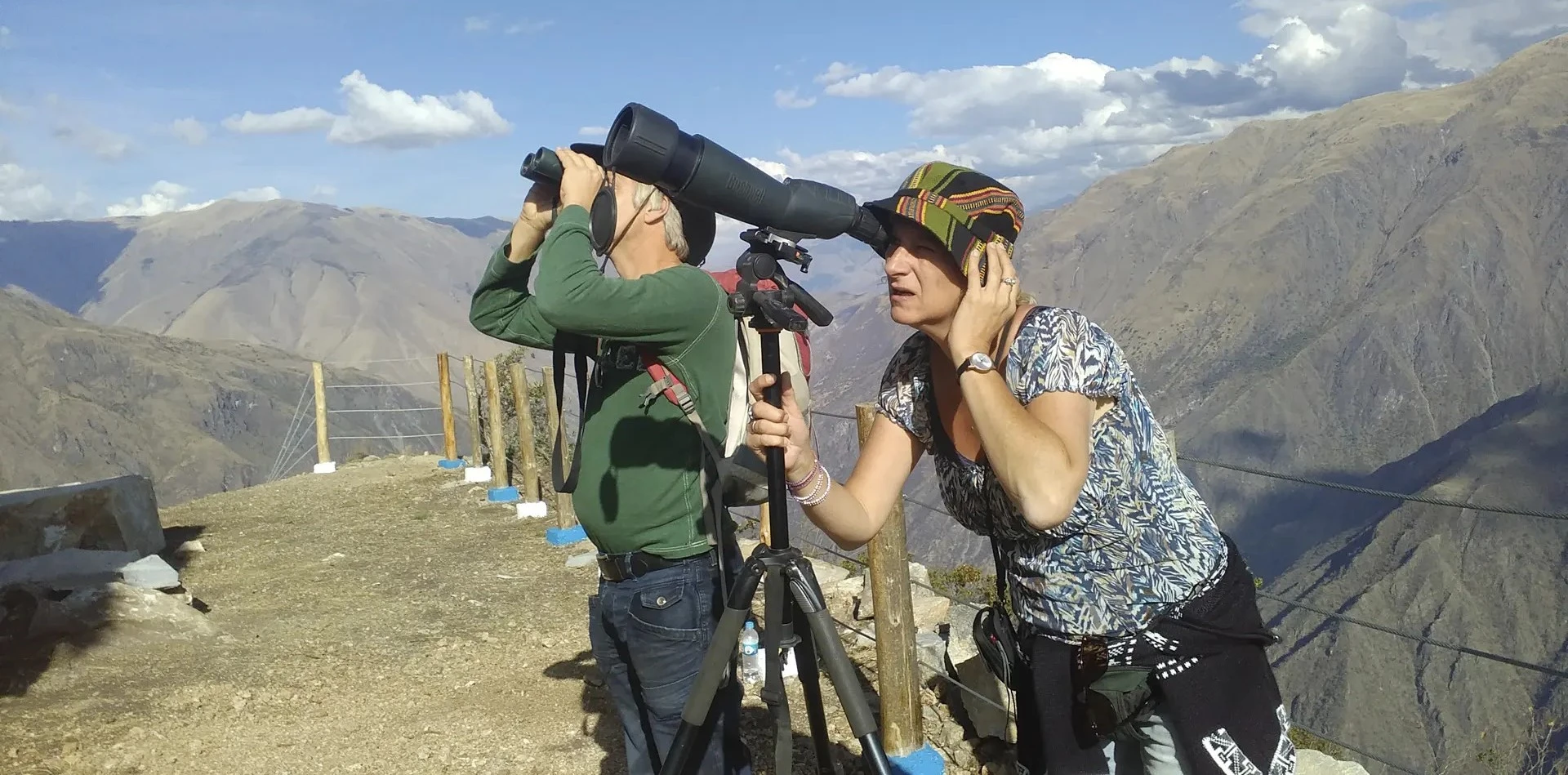 Photographing the Andean Condor is one of the highlights of visiting Chonta Valley. Their impressive wingspan and the dramatic scenery of the Apurimac Canyon create outstanding opportunities for wildlife photography during our Condor Sightings Cusco tour.
Bring a camera with a zoom lens if possible and carry extra batteries, as mountain temperatures can reduce battery life. Binoculars are also highly recommended for spotting condors before they approach the viewpoint. Patience is essential, as watching these magnificent birds glide above the canyon is an unforgettable experience.
What to Bring for Condor Watching
A little preparation will help you enjoy your condor watching experience in comfort. Weather conditions in the Andes can change quickly, so dressing in layers is always recommended.
- Comfortable hiking shoes
- Warm jacket or fleece
- Waterproof jacket during the rainy season
- Sun hat and sunglasses
- Sunscreen
- Camera with extra batteries
- Binoculars
- Reusable water bottle
- Small backpack for personal belongings
- Extra cash in Peruvian soles