
How Difficult is the Inca Trail Trek?
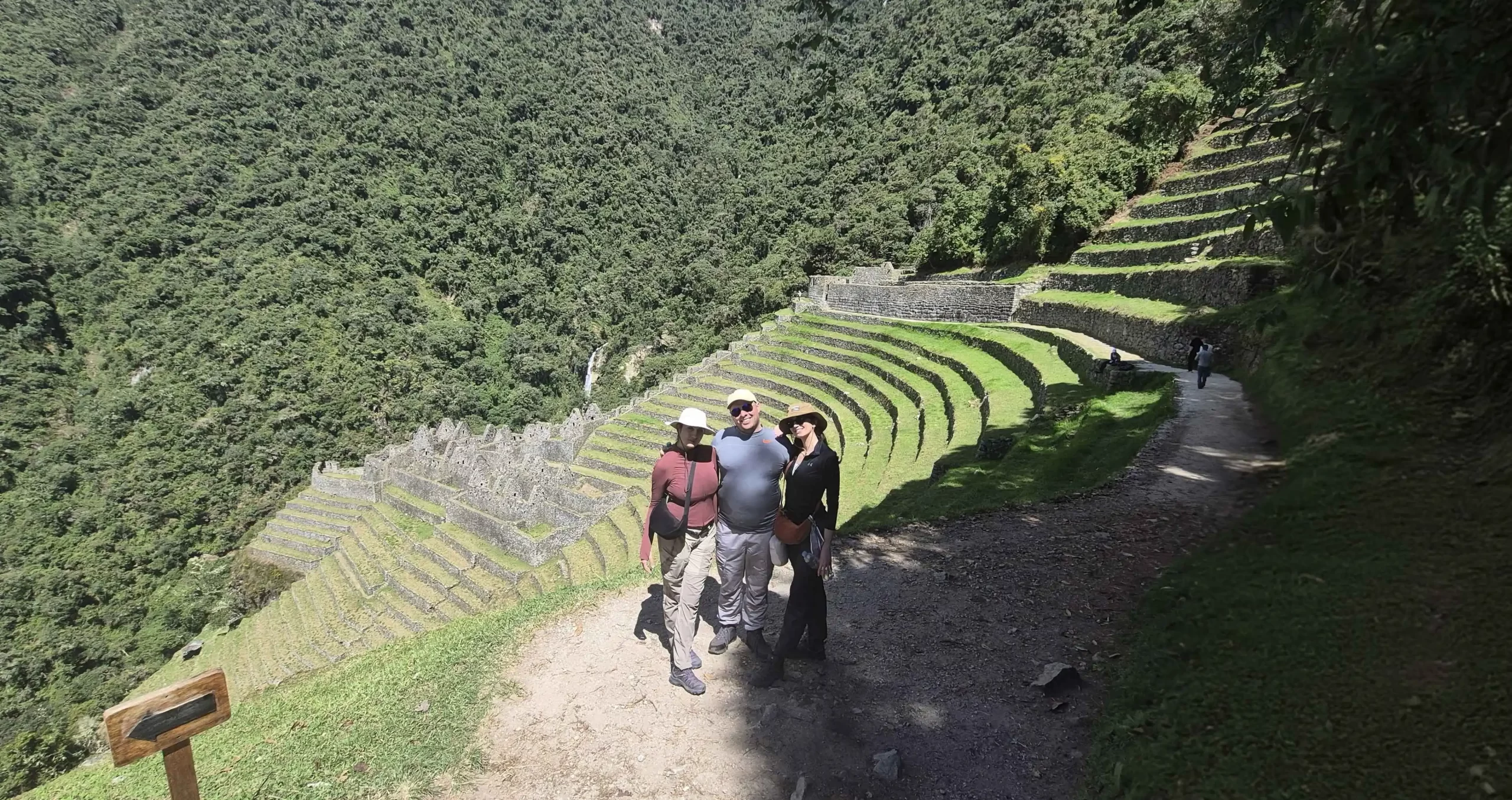 How difficult is the Inca Trail Trek? This is one of the most common questions travelers ask before booking their adventure to Machu Picchu. The Inca Trail is considered a moderate to challenging trek that combines high-altitude hiking, steep mountain passes, ancient stone stairways, and breathtaking Andean scenery.
While the trek requires physical effort and proper preparation, thousands of hikers of different ages and fitness levels successfully complete it every year.
The Inca Trail is much more than a hike; it is a journey through history, culture, and some of Peru’s most spectacular landscapes. Understanding what makes the trail challenging and how to prepare for it will help you enjoy one of the world’s most iconic trekking experiences.
Quick Answer: Is the Inca Trail Difficult?
The Inca Trail is challenging but achievable for most travelers with a reasonable level of fitness. The main difficulties are not the distance itself but rather the combination of altitude, steep mountain passes, uneven stone steps, and several consecutive days of hiking.
Many first-time trekkers successfully complete the trail every year. With proper preparation, acclimatization, and a positive attitude, the Inca Trail can be an unforgettable experience.
What Makes the Inca Trail Difficult?
Several factors contribute to the difficulty of the Inca Trail.
High Altitude
One of the biggest challenges is the altitude. The trail reaches elevations above 4,200 meters (13,800 feet), where oxygen levels are significantly lower than at sea level. Even experienced hikers may notice shortness of breath and fatigue while climbing.
Steep Ascents and Descents
The Inca Trail features numerous steep sections and thousands of ancient stone steps. Some climbs are physically demanding, while the descents can place extra pressure on the knees and legs.
Consecutive Days of Hiking
Unlike a typical day hike, the Classic Inca Trail requires several days of trekking. Hikers must be prepared to walk long distances while carrying a daypack and adapting to changing terrain.
Mountain Weather
Weather conditions in the Andes can change quickly. Sunshine, rain, wind, and cool temperatures may all occur on the same day, making proper clothing essential.
Inca Trail Difficulty by Day
Day 1: A Gentle Introduction
The first day is usually considered the easiest. The trail gradually ascends through beautiful valleys, small communities, and archaeological sites while allowing hikers to adapt to the pace of the trek.
- Difficulty Level: Moderate
Day 2: The Hardest Day
Day 2 is widely considered the most challenging day of the Inca Trail. Hikers climb to Warmiwañusca, also known as Dead Woman’s Pass, the highest point of the route.
The ascent is steep and physically demanding, but the incredible views from the summit make the effort worthwhile.
- Difficulty Level: Challenging
Day 3: History and Stunning Scenery
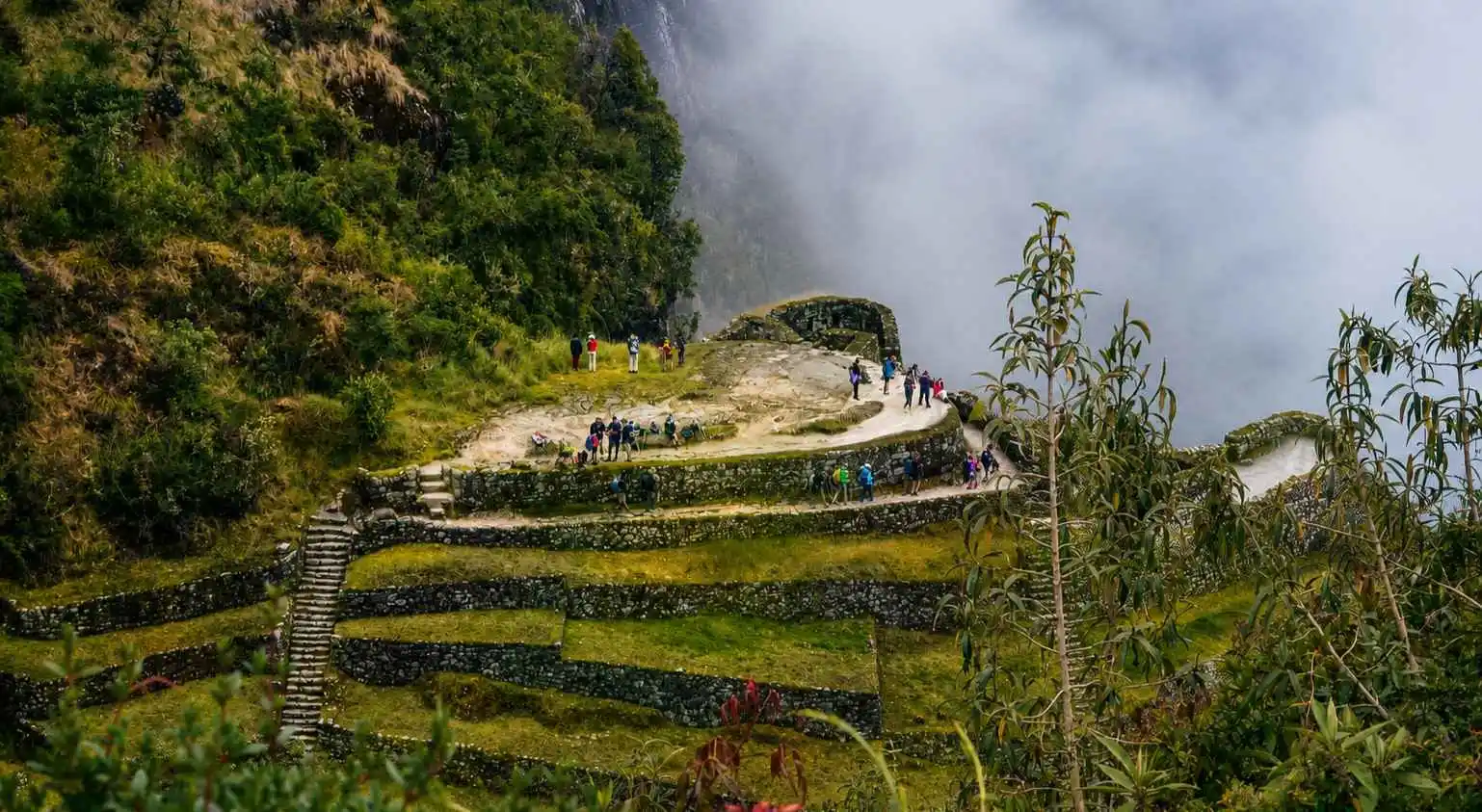
The third day offers some of the most beautiful scenery along the trail. Hikers pass through cloud forests, mountain ridges, and impressive Inca archaeological sites.
Although there are fewer major climbs, the numerous stone stairways can still be demanding.
- Difficulty Level: Moderate to Challenging
Day 4: Arrival at Machu Picchu
The final day begins before sunrise as hikers make their way to the Sun Gate. Reaching Inti Punku and seeing Machu Picchu appear in the distance is one of the most memorable moments of the entire trek.
- Difficulty Level: Moderate
Dead Woman’s Pass: The Toughest Part of the Inca Trail
Dead Woman’s Pass is often considered the greatest challenge of the Classic Inca Trail. Located at 4,215 meters (13,828 feet), it is the highest point of the trek and requires a long uphill climb.
Most hikers complete this section successfully by maintaining a steady pace, drinking plenty of water, and taking regular breaks. Reaching the summit provides an incredible sense of accomplishment and breathtaking views of the Andes Mountains.
Is the Inca Trail Difficult for Beginners?
Yes, beginners can complete the Inca Trail.
Many people who hike the trail each year have little or no previous trekking experience. While a reasonable level of fitness is important, determination and preparation often matter more than experience.
If you regularly walk, exercise, or participate in outdoor activities, you will likely be capable of completing the trek.
How to Prepare for the Inca Trail
Preparing before your trip can make a significant difference in your overall experience.
Improve Your Fitness
Activities such as walking, hiking, cycling, jogging, and swimming can help improve cardiovascular endurance and stamina.
Practice Hiking
If possible, train on hills or uneven terrain to simulate trail conditions.
Strengthen Your Legs
Exercises like squats, lunges, and stair climbing can help prepare your muscles for the steep ascents and descents.
Hike with a Backpack
Walking with a loaded daypack before your trip can help your body adapt to carrying extra weight during the trek.
Altitude and Acclimatization
Altitude is often more challenging than the hiking itself.
Cusco sits at approximately 3,400 meters (11,150 feet) above sea level, so spending at least two or three days acclimatizing before the trek is highly recommended.
To reduce the effects of altitude:
- Drink plenty of water.
- Get adequate rest.
- Eat light meals.
- Avoid excessive alcohol consumption.
- Spend time exploring Cusco or the Sacred Valley before starting the trek.
Essential Gear for a Comfortable Trek
Having the right equipment can make the hike more enjoyable and comfortable.
Recommended Gear
- Well-broken-in hiking boots
- Waterproof jacket
- Hiking pants
- Trekking poles
- Sun hat and sunglasses
- Sunscreen
- Reusable water bottle
- Warm clothing layers
- Small daypack
- Personal medications
Avoid wearing brand-new hiking boots, as they can cause blisters and discomfort during the trek.
Inca Trail Difficulty Compared to Other Treks
Compared to many popular trekking routes around the world, the Inca Trail is considered moderate to challenging.
While it is not a technical climb, the combination of altitude, steep stairways, and multiple days of hiking makes it more demanding than a standard day hike. However, with proper preparation, most travelers can complete it successfully.