
Huchuy Qosqo Trek from Cusco: Everything You Need to Know
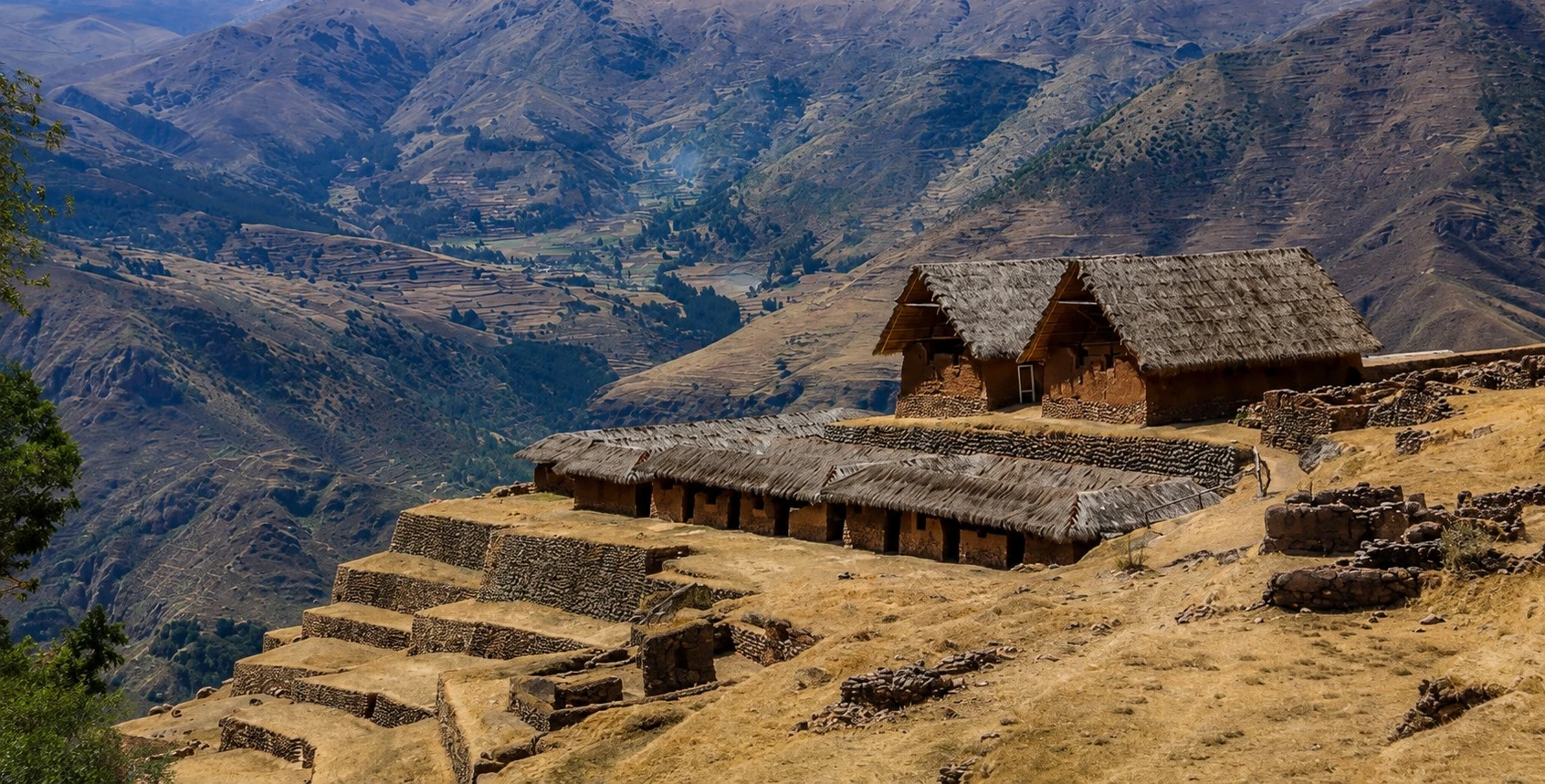 Huchuy Qosqo Trek from Cusco is a good choice for travelers who want to walk through the Andes, visit an important Inca archaeological site, and enjoy the landscapes of the Sacred Valley. Huchuy Qosqo sits high above the valley, surrounded by mountains, farming areas, and traditional Andean communities.
There are three ways to experience Huchuy Qosqo. The one-day option is a full-day trek with a return to Cusco. The two-day and three-day options continue to Machu Picchu.
All three itineraries pass through the Sacred Valley, but each one offers a different amount of time for trekking, local experiences, and exploring the region.
What Is Huchuy Qosqo?
Huchuy Qosqo means “Little Cusco” in Quechua. It is an Inca archaeological site located above the Sacred Valley, near Lamay in the Cusco region.
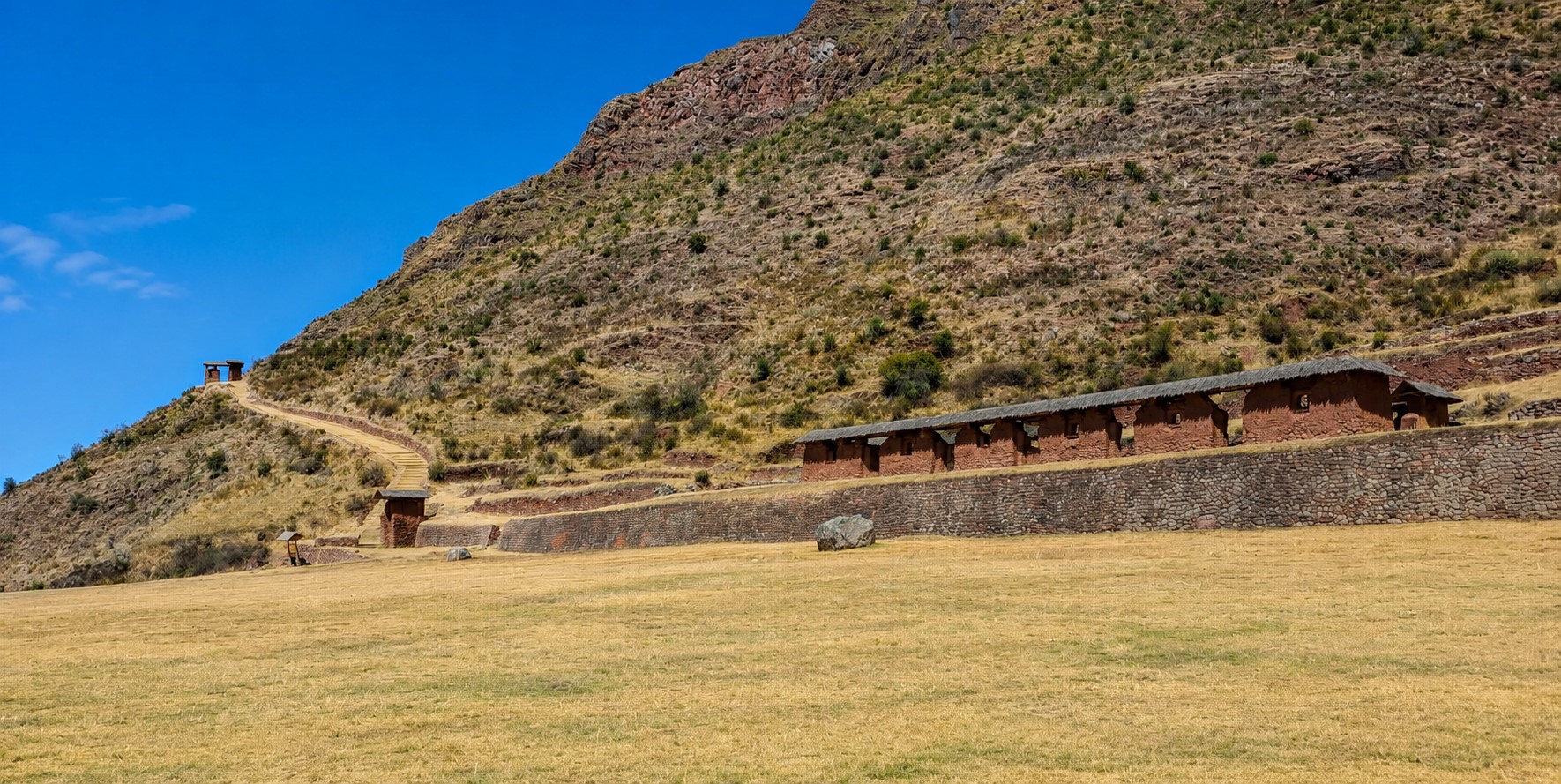
The site includes stone and adobe structures, agricultural terraces, walls, and remains of an irrigation system. Its elevated position also gives you views across the Sacred Valley and the mountains surrounding it.
Huchuy Qosqo is traditionally associated with the Inca ruler Viracocha. Today, the archaeological site gives visitors the opportunity to see Inca construction while learning more about the way people lived and worked in this part of the Andes.
Unlike Machu Picchu, Huchuy Qosqo is not reached by train. The final approach is done on foot, so the trek itself is an important part of the experience.
Where Is Huchuy Qosqo?
Huchuy Qosqo is located in the Calca area of the Cusco region, above the Sacred Valley and near the town of Lamay.
The archaeological site is around 3,650 meters above sea level. Some routes used to reach Huchuy Qosqo can reach higher elevations before descending toward the ruins.
From Cusco, the journey takes you toward the Sacred Valley and then into the surrounding highlands. The exact starting point of the hike depends on the itinerary you choose.
Because of the altitude, it is important to be properly acclimatized before starting the trek. A route that looks short on a map can feel much harder when you are walking at high altitude.
What Can You See at Huchuy Qosqo?
Huchuy Qosqo has several interesting features to see during the visit:
- Inca buildings: Stone and adobe structures remain throughout the archaeological complex.
- Agricultural terraces: The terraces follow the mountain slope and form an important part of the site.
- Stone walls: Several walls and enclosures can still be seen around the archaeological area.
- Irrigation channel: An old water channel shows how water was managed in the area.
- Sacred Valley views: The location provides wide views across the valley.
- Andean mountains: The surrounding peaks are visible from different parts of the site.
- Rural landscapes: The trekking routes pass through agricultural areas and traditional communities.
The archaeological site is not as large as Machu Picchu, but the setting gives Huchuy Qosqo its own character. You can take your time exploring the ruins and enjoying the views without feeling that you have to rush from one area to another.
Huchuy Qosqo Trek Options
If you are planning a visit, the main difference between the three options is the amount of time you have and whether you want to continue to Machu Picchu.
Feature |
Huchuy Qosqo 1 Day |
Huchuy Qosqo 2 Days |
Huchuy Qosqo 3 Days |
|---|---|---|---|
| Duration | Full day | 2 days / 1 night | 3 days / 2 nights |
| Sacred Valley | Yes | Yes | Yes |
| Huchuy Qosqo | Yes | Yes | Yes |
| Machu Picchu | No | Yes | Yes |
| Return to Cusco | Yes | Yes, after visiting Machu Picchu | Yes, after visiting Machu Picchu |
| Overnight | No | 1 night in a hotel in Aguas Calientes | 1 night in a local homestay and 1 night in a hotel in Aguas Calientes |
| Local experience | Day visit | Trekking experience | Homestay and cultural experience |
| Best for | Travelers with limited time | Travelers wanting Huchuy Qosqo and Machu Picchu in 2 days | Travelers wanting more time for trekking, local culture, and Machu Picchu |
Huchuy Qosqo 1 Day
The one-day option is a full-day trip from Cusco. You travel toward the Sacred Valley, complete the hike to Huchuy Qosqo, visit the archaeological site, and return to Cusco on the same day.
This is a good choice if you have limited time or prefer to keep your accommodation in Cusco. You can experience the mountains and archaeological site without adding an overnight stay to your itinerary.
The route also gives you time to enjoy the scenery along the way instead of visiting the archaeological site and immediately returning. You can walk at a comfortable pace and take in the views of the surrounding mountains.
Huchuy Qosqo 2 Days / 1 Night
The two-day option combines Huchuy Qosqo with Machu Picchu, while also giving you time to enjoy the Sacred Valley and the journey through the Andes.
The first day includes the trekking experience, the visit to Huchuy Qosqo, and the continuation toward the Sacred Valley and Aguas Calientes. You spend the night in a hotel in Aguas Calientes.
The following day is dedicated to Machu Picchu. After visiting the citadel, you begin the return journey to Cusco.
This option works well for travelers who want to experience Huchuy Qosqo and Machu Picchu without taking several extra days from their Peru itinerary.
It is also a good choice if you want to include a mountain trek without making the entire trip focused on trekking. You get to experience Huchuy Qosqo first and then have time for Machu Picchu the following day.
Huchuy Qosqo 3 Days / 2 Nights
The three-day option gives you more time to enjoy the trekking experience and the landscapes along the route.
During the first part of the itinerary, you walk through the Andean highlands and visit Huchuy Qosqo. You spend one night in a local homestay, giving you the opportunity to meet local people and experience a different side of life in the Andes.
The route then continues through the Sacred Valley toward Aguas Calientes. You spend the second night in a hotel before visiting Machu Picchu the following day. After the visit to Machu Picchu, you return to Cusco.
The extra day makes the journey less rushed and gives you more time to enjoy the countryside and local communities. It is a good option if you want the trekking experience to be an important part of your trip, rather than simply a way to reach Machu Picchu.
The Trekking Route
The route to Huchuy Qosqo takes you through the highlands above the Sacred Valley. Depending on the itinerary, you walk through open mountain terrain, grasslands, agricultural areas, and small Andean communities before reaching the archaeological site.
The higher sections offer wide views of the surrounding mountains. As you descend, the Sacred Valley becomes more visible, with its farms, villages, and mountains stretching across the valley.
The route also gives you a chance to see a quieter side of the Cusco region. Instead of spending the entire day around busy tourist attractions, you spend several hours walking through the countryside.
The altitude is an important part of the trek. Huchuy Qosqo is around 3,650 meters above sea level, and some routes reach higher elevations before descending toward the archaeological site.
How Difficult Is the Huchuy Qosqo Trek?
The difficulty depends on the route and itinerary. The one-day option is a full-day hike, while the two-day and three-day options give you more time to complete the trekking sections and continue toward Machu Picchu.
Altitude is one of the main factors to consider. Walking above 3,500 meters can feel much harder than walking at a lower elevation, even when the distance does not seem particularly long.
Some sections include uphill and downhill walking. You do not need technical climbing experience, but you should be comfortable walking for several hours in mountain terrain.
If you have recently arrived in Cusco, allow yourself enough time to acclimatize before starting the trek. A steady pace is usually much more comfortable than trying to walk too quickly.
Huchuy Qosqo and the Sacred Valley
The Sacred Valley is part of all three Huchuy Qosqo itineraries. The route gives you the opportunity to see the valley from different elevations and then continue toward the archaeological site.
The valley is known for its agricultural fields, traditional communities, archaeological sites, mountains, and the Vilcanota River. The landscape changes as you move between the highlands and the valley.
On the two-day and three-day itineraries, the journey continues through the Sacred Valley toward Machu Picchu. On the one-day option, you return to Cusco after completing the Huchuy Qosqo visit.
This makes the trek a good choice if you want to combine mountain walking, Inca history, rural landscapes, and the Sacred Valley in the same trip.
Staying with Local People
The three-day itinerary includes one night in a local homestay during the trekking experience. You stay with a local family before continuing toward the Sacred Valley and Aguas Calientes.
A homestay gives you a different experience from staying in a standard tourist hotel. You have the opportunity to meet local people, learn more about their daily life, and spend time in a rural Andean community.
The two-day itinerary does not include a homestay. The overnight stay is in a hotel in Aguas Calientes before the visit to Machu Picchu.
When Is the Best Time to Visit Huchuy Qosqo?
Huchuy Qosqo can be visited throughout the year, but the conditions are different during the two main seasons.
Dry Season – May to October: This is generally the better period for trekking, with drier trails and better chances of clear views across the mountains and Sacred Valley.
Rainy Season – November to April: Rain and clouds are more common, and some parts of the trail can become wet or muddy. The surrounding landscape is usually greener during these months.
Mountain weather can change quickly, so carrying rain protection is useful even during the dry season.
What Should You Bring?
You do not need a large amount of equipment, but you should be prepared for high-altitude conditions and changing weather.
- Comfortable trekking shoes
- Small backpack
- Water
- Warm layers
- Rain jacket or poncho
- Hat or cap
- Sunglasses
- Sunscreen
- Snacks
- Camera
- Trekking poles, if you normally use them
- Personal medication
For the two-day and three-day options, you should also bring the personal items you need for the overnight portions of the itinerary.
Huchuy Qosqo vs. the Inca Trail
Both treks offer a different way to experience the Andes around Cusco. Huchuy Qosqo is more flexible and can be done in one to three days, while the Classic Inca Trail follows a longer route with several archaeological sites before reaching Machu Picchu.
Feature |
Huchuy Qosqo |
Classic Inca Trail |
|---|---|---|
| Duration | 1 to 3 days, depending on the itinerary | Usually 4 days / 3 nights |
| Main attraction | Huchuy Qosqo and Andean landscapes | Inca Trail and several archaeological sites |
| Machu Picchu | Included in the 2-day and 3-day options | Yes |
| Difficulty | Moderate, depending on the route | Moderate to challenging |
| Altitude | High-altitude trekking | High-altitude trekking |
| Route | Mountain trails above the Sacred Valley | Ancient Inca pathways through the Andes |
| Flexibility | Several itinerary options | More fixed itinerary |
| Best for | Travelers looking for a shorter and more flexible trek | Travelers wanting the classic Inca Trail experience |
Huchuy Qosqo is a good option if you want to combine mountain scenery, Inca history, and the Sacred Valley without committing to the longer Classic Inca Trail. The three Huchuy Qosqo options also give you more flexibility depending on how much time you have.
Is Huchuy Qosqo Worth Visiting?
Huchuy Qosqo is worth considering if you want to experience a quieter side of the Cusco region.
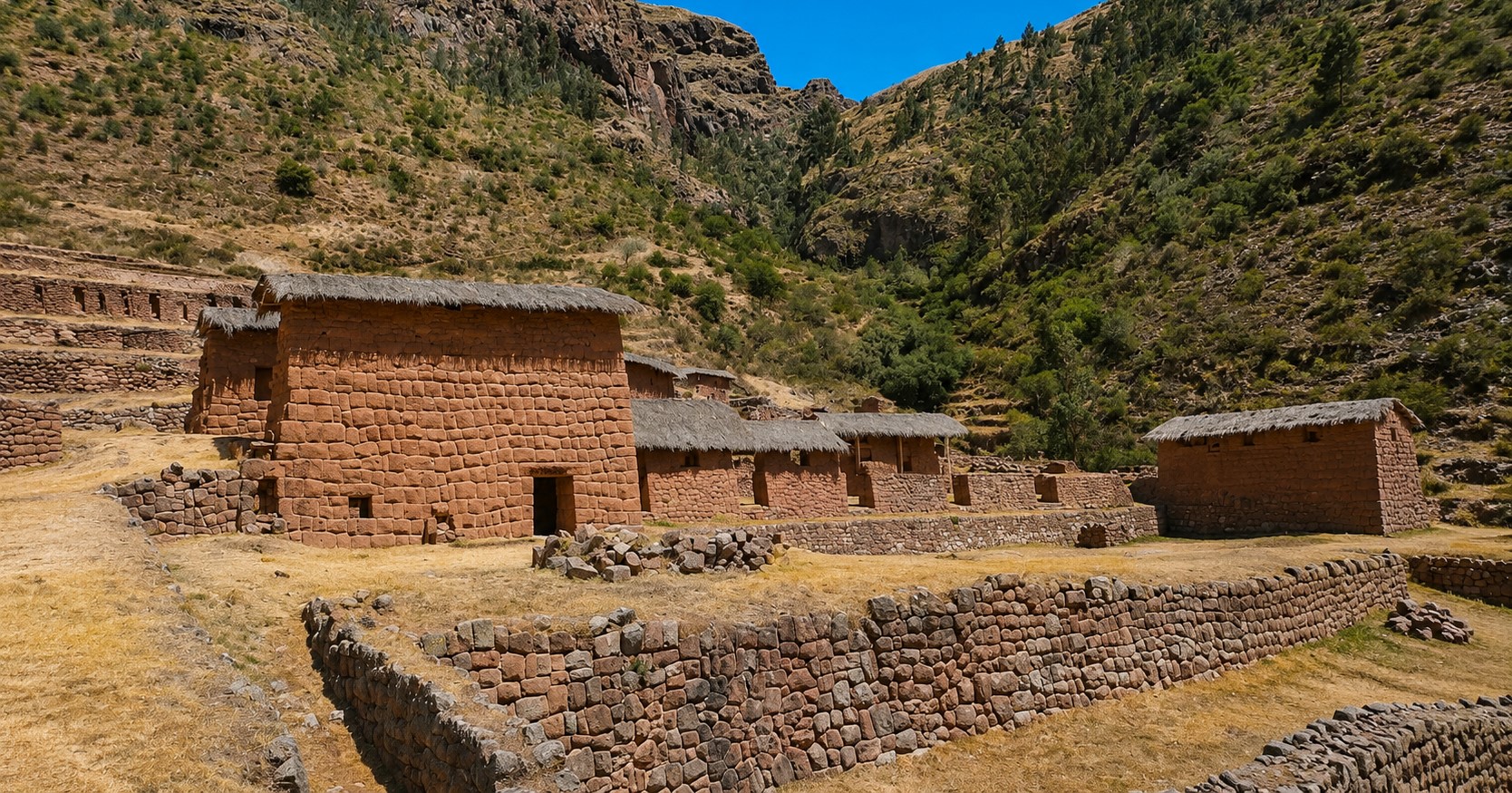
The archaeological site, mountain scenery, Sacred Valley views, rural communities, and trekking route all make the visit different from a standard sightseeing excursion.
Another advantage is the choice between three itineraries. You can return to Cusco after one day, or continue to Machu Picchu on the two-day and three-day options.
If you enjoy walking, archaeology, mountain landscapes, and local culture, Huchuy Qosqo is a route worth adding to your Peru itinerary.
Huchuy Qosqo Trek with Cusco Journeys
Cusco Journeys offers different Huchuy Qosqo itineraries depending on how much time you have.
The one-day option is a full-day trek from Cusco and returns to the city on the same day.
The two-day option combines Huchuy Qosqo with Machu Picchu and includes one night in a hotel in Aguas Calientes.
The three-day option gives you more time for trekking and includes one night with a local family and one night in a hotel in Aguas Calientes before visiting Machu Picchu.
This gives travelers the flexibility to choose Huchuy Qosqo according to their available time, trekking preferences, and interest in local experiences.