
How to Plan a Trip to Peru: Best Places to Visit, Tours and Travel Tips
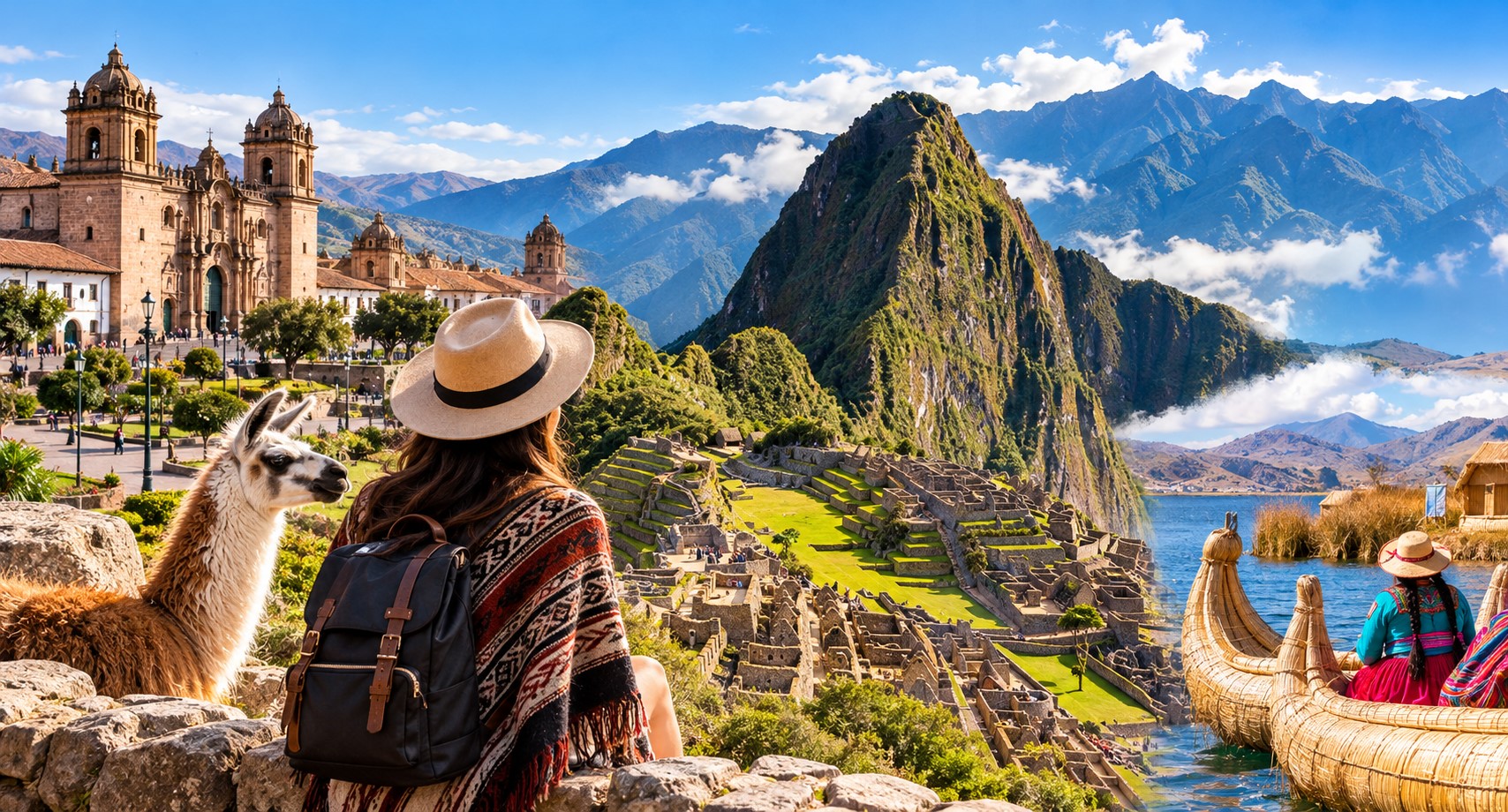 Knowing how to plan a trip to Peru starts with understanding the country’s remarkable variety of landscapes, cultures, and historical landmarks. From Lima and the desert dunes of Huacachina to the Nazca Lines, Colca Canyon, Lake Titicaca and Machu Picchu, Peru offers an extraordinary range of experiences.
This guide explains how to choose the best destinations, organize transportation, compare Peru tours and prepare for your journey. Whether you prefer independent travel or an organized tour, these recommendations will help you plan a trip that suits your time, interests, and budget.
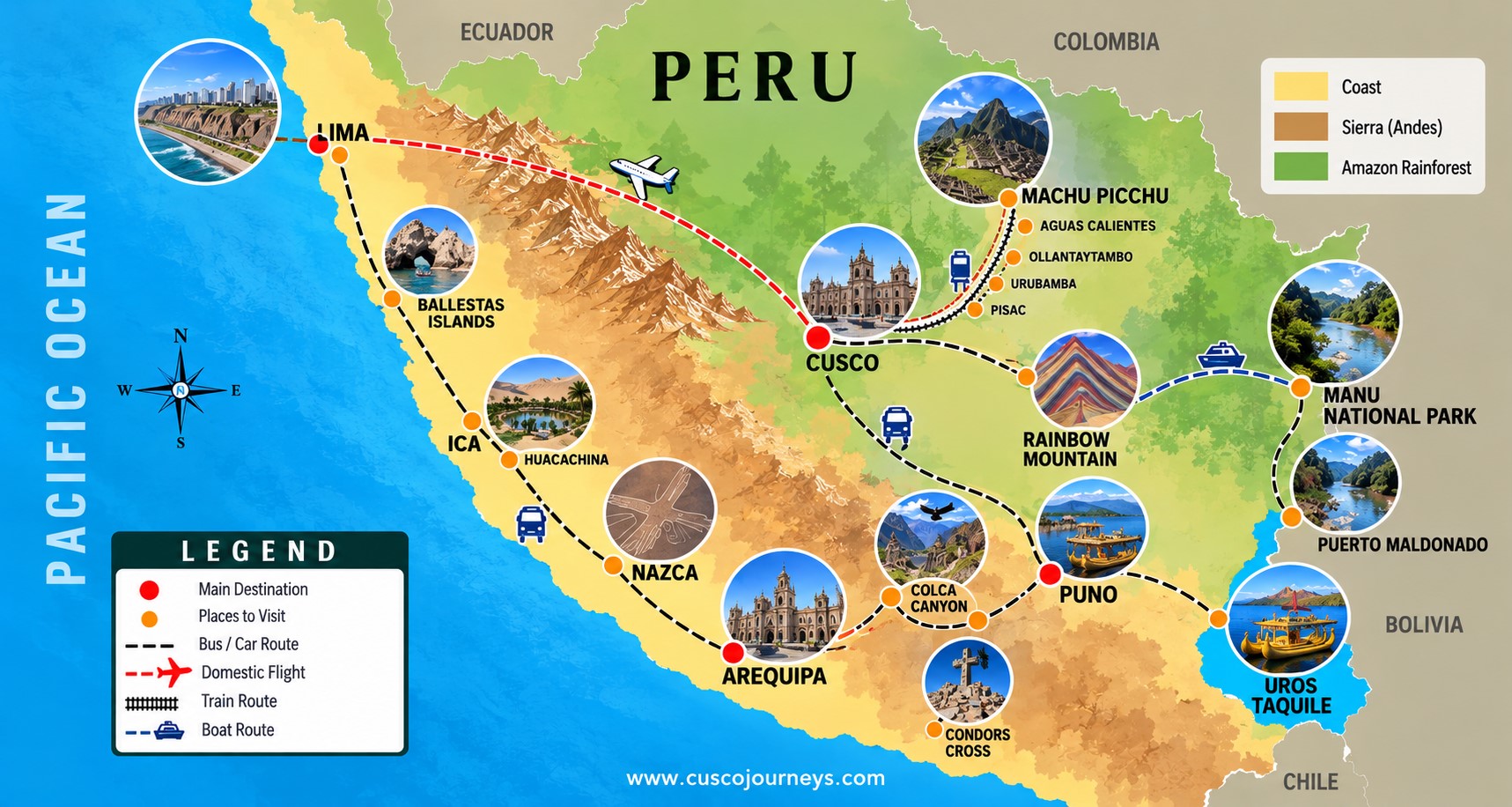
1.- What Should You Know Before Planning a Trip to Peru?
Peru has three main natural regions: the coast, the Andes and the Amazon rainforest. Each offers different landscapes, cultural experiences and transportation options. The coast includes Lima, Paracas, Huacachina, and Nazca, while the Andes are home to Cusco, Machu Picchu, Arequipa, Colca Canyon and Lake Titicaca. The Amazon is ideal for travelers interested in tropical forests and wildlife.
Before choosing your route, consider how many days you have, which destinations interest you most and whether you prefer independent travel or an organized tour. Planning around travel times and altitude will help you make better use of your stay.
2.- Best Places to Visit in Peru
Peru has destinations for travelers interested in archaeology, local culture, wildlife, mountain scenery, and coastal landscapes. The places you choose will depend on the time available and the kind of experience you want.
Lima: History, Food, and Coastal Views
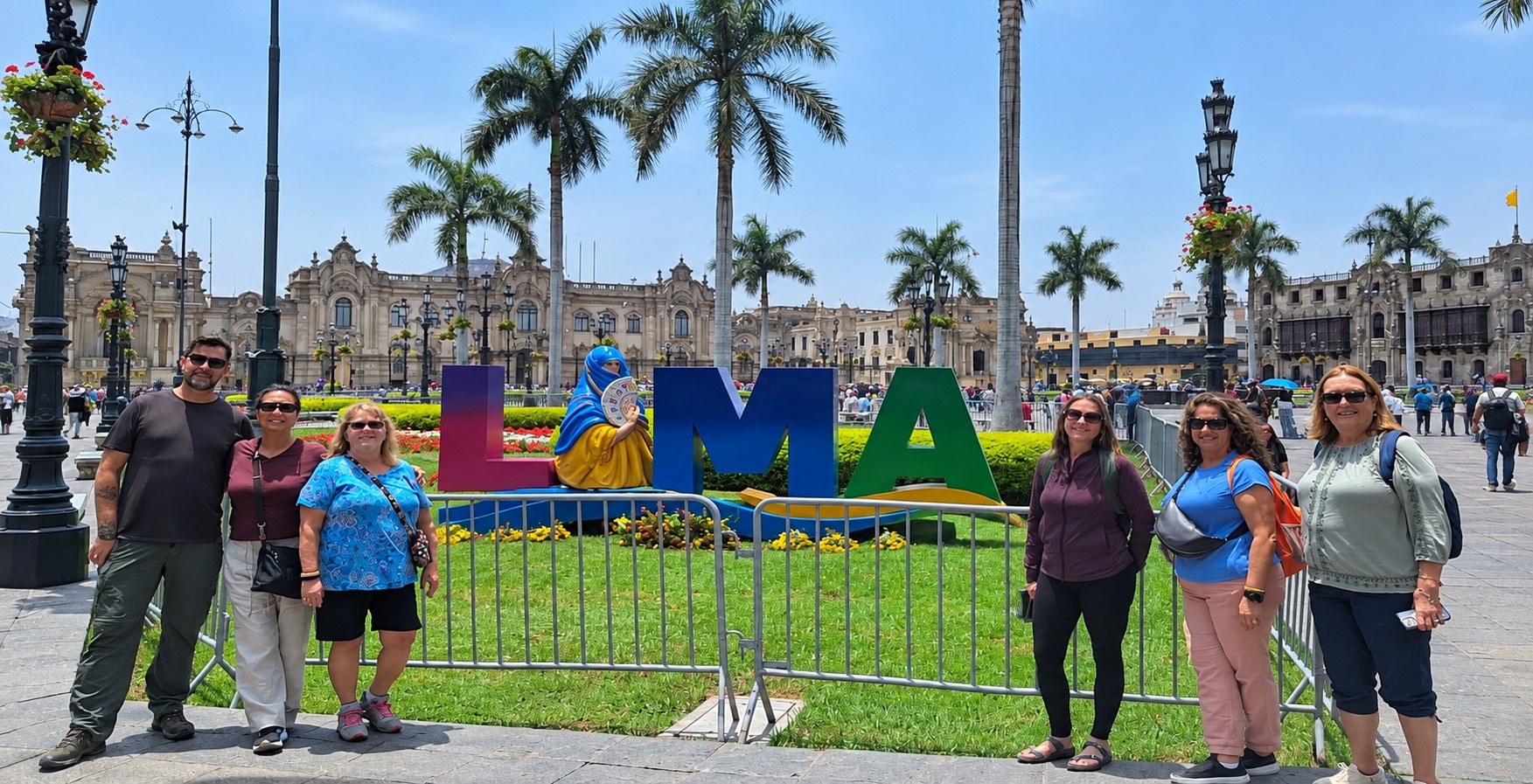 Lima is the main international gateway to Peru and a good starting point for your trip. Its historic center features colonial buildings and important landmarks, while neighborhoods such as Miraflores and Barranco offer ocean views, restaurants, galleries and a lively atmosphere.
The city is also known for its food. Travelers can try traditional Peruvian dishes, explore local markets and experience the country’s diverse culinary traditions before continuing to other regions.
Paracas and the Ballestas Islands: Wildlife Along the Coast
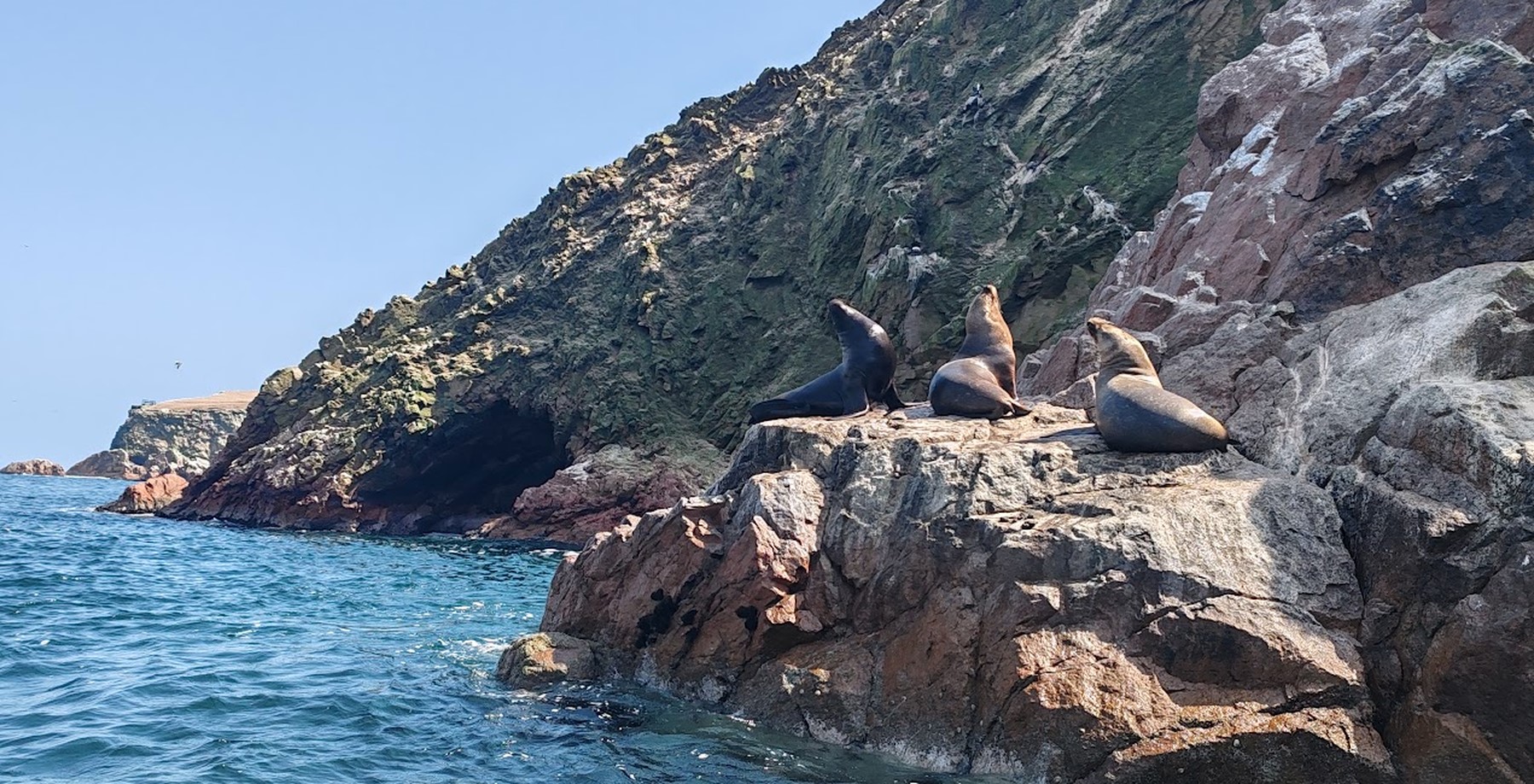 Paracas is a coastal destination known for its marine wildlife and desert landscapes. Boat excursions to the Ballestas Islands provide opportunities to see sea lions, seabirds, and other animals in their natural environment.
The nearby Paracas National Reserve combines desert scenery with beaches and coastal viewpoints. It is a worthwhile stop for travelers exploring southern Peru from Lima.
Huacachina: An Oasis in the Desert
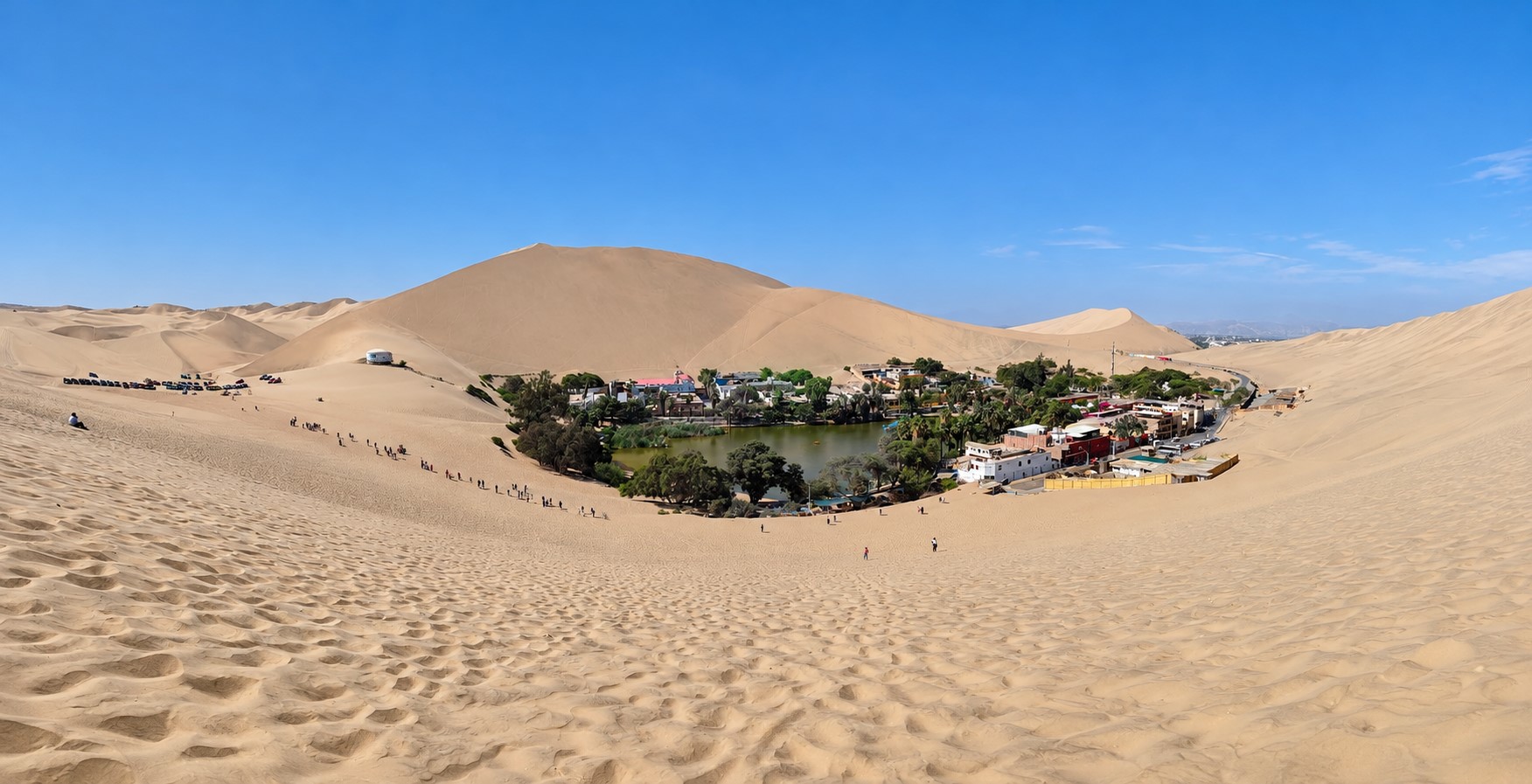 Huacachina is a small oasis surrounded by large sand dunes near the city of Ica. Visitors come to enjoy the desert scenery, take photographs and experience activities such as dune buggy rides and sandboarding.
The oasis is often visited on the route between Lima and Nazca. Travelers who have additional time can also explore Ica’s vineyards and learn about the region’s wine and pisco production.
Nazca: The Famous Desert Geoglyphs
The Nazca Lines are among Peru’s most recognized archaeological features. These enormous geoglyphs were created in the desert by ancient people and represent animals, geometric shapes, and other figures that can be difficult to appreciate fully from ground level.
A scenic flight offers a broader view of the designs and is a popular way to see figures such as the hummingbird and monkey. Because flights depend on weather and operational conditions, it is advisable to arrange the excursion ahead of time.
Arequipa: The White City
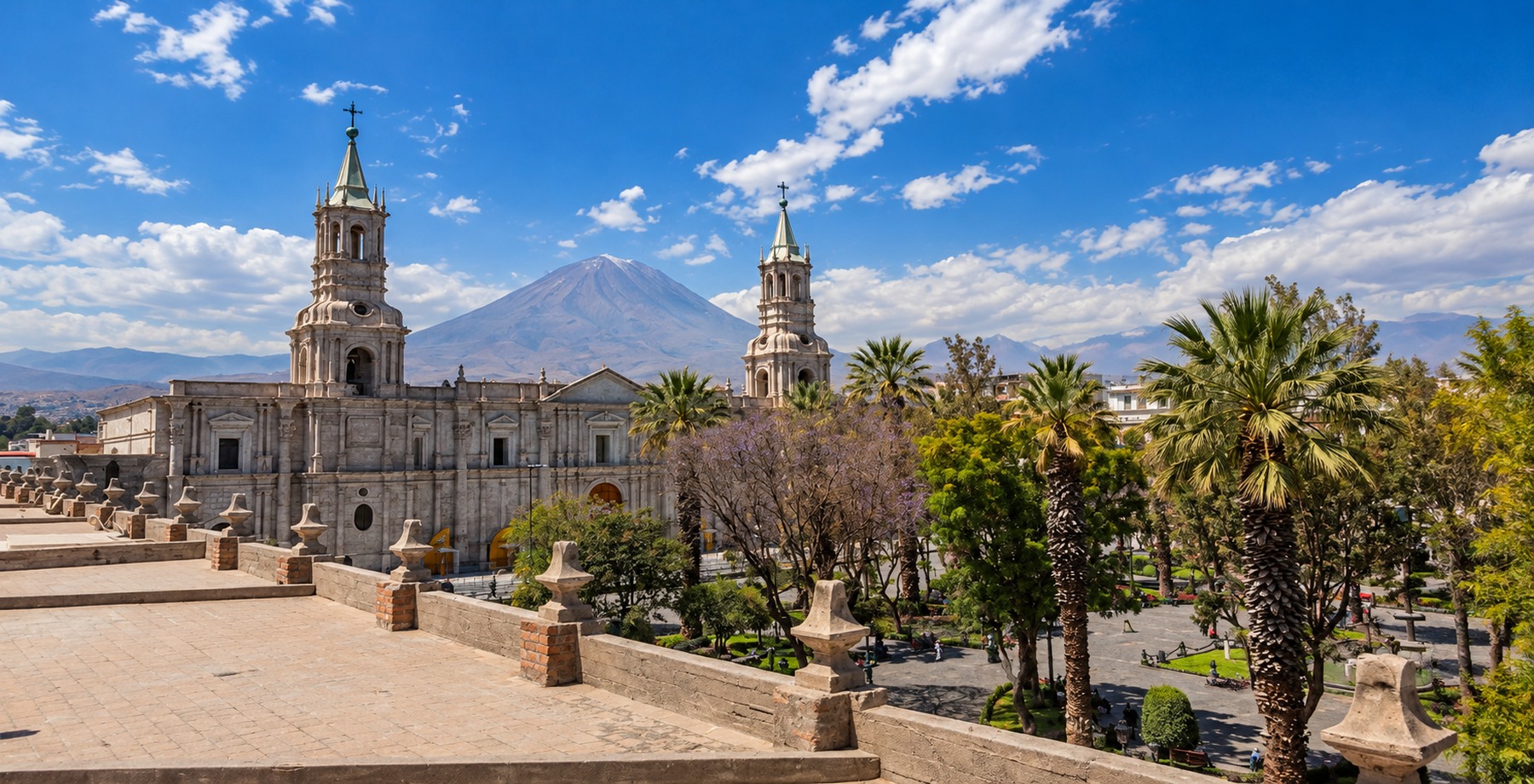 Arequipa is known for its historic center, traditional architecture, and buildings made from white volcanic stone called sillar. The Plaza de Armas and the Santa Catalina Monastery are among its best-known attractions.
The city is also a useful base for exploring the surrounding Andean landscapes. Many travelers include Arequipa in a southern Peru itinerary before continuing toward Colca Canyon or Lake Titicaca.
Colca Canyon: Andean Landscapes and Condors
Colca Canyon is known for its deep valleys, agricultural terraces, traditional villages, and expansive mountain views. Travelers often visit the Cruz del Cóndor viewpoint, where Andean condors may be seen gliding above the canyon.
Excursions range from scenic day trips to multi-day treks. The right option depends on your fitness level, available time and interest in hiking through the canyon.

Lake Titicaca: Island Communities and Highland Traditions
Lake Titicaca lies high in the Andes near Puno, close to the border with Bolivia. Its islands and lakeside communities are known for long-standing cultural traditions and distinctive ways of life.
Visitors can explore the Uros floating islands and, depending on the itinerary, travel to Taquile or Amantaní. Some tours include an overnight homestay, allowing travelers to spend more time with a local family and learn about daily life in the region.
Cusco: Inca History and Colonial Architecture
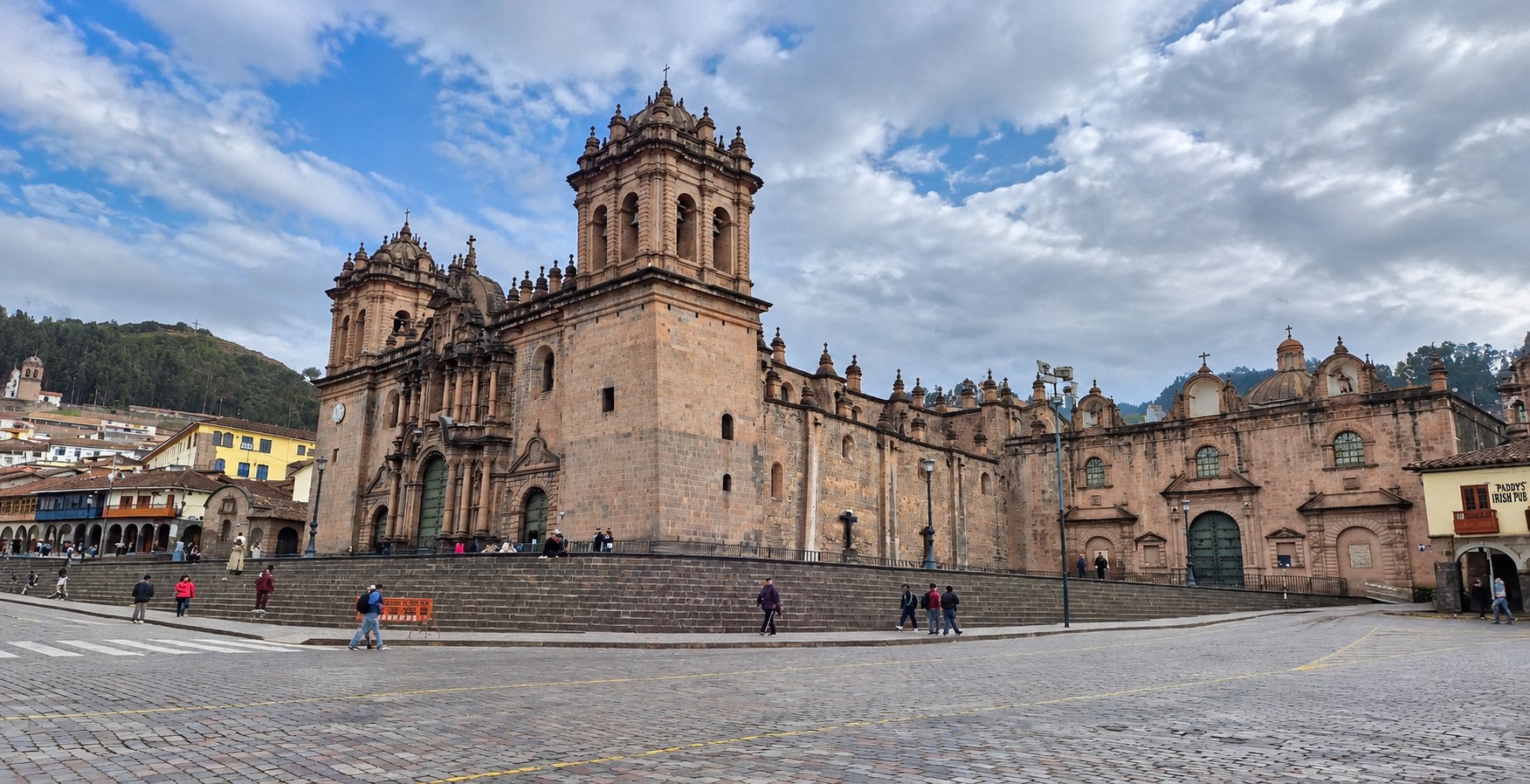 Cusco was the historic capital of the Inca Empire and remains one of the most important destinations in Peru. Its streets combine Inca stonework with colonial buildings, churches, museums and traditional markets.
The city is also the main starting point for visiting the Sacred Valley and Machu Picchu. Plan time to explore Cusco itself and allow your body to adjust to the altitude before undertaking demanding excursions.
The Sacred Valley: Inca Sites and Andean Villages
The Sacred Valley of the Incas stretches through the Andes near Cusco and contains archaeological sites, traditional villages, and agricultural terraces. Popular stops include Pisac, Ollantaytambo and Chinchero.
A visit to the valley helps travelers understand the region’s Inca history while enjoying its landscapes and local culture. Many itineraries include the Sacred Valley before traveling by train to Machu Picchu.
Machu Picchu: Peru’s Most Famous Archaeological Site
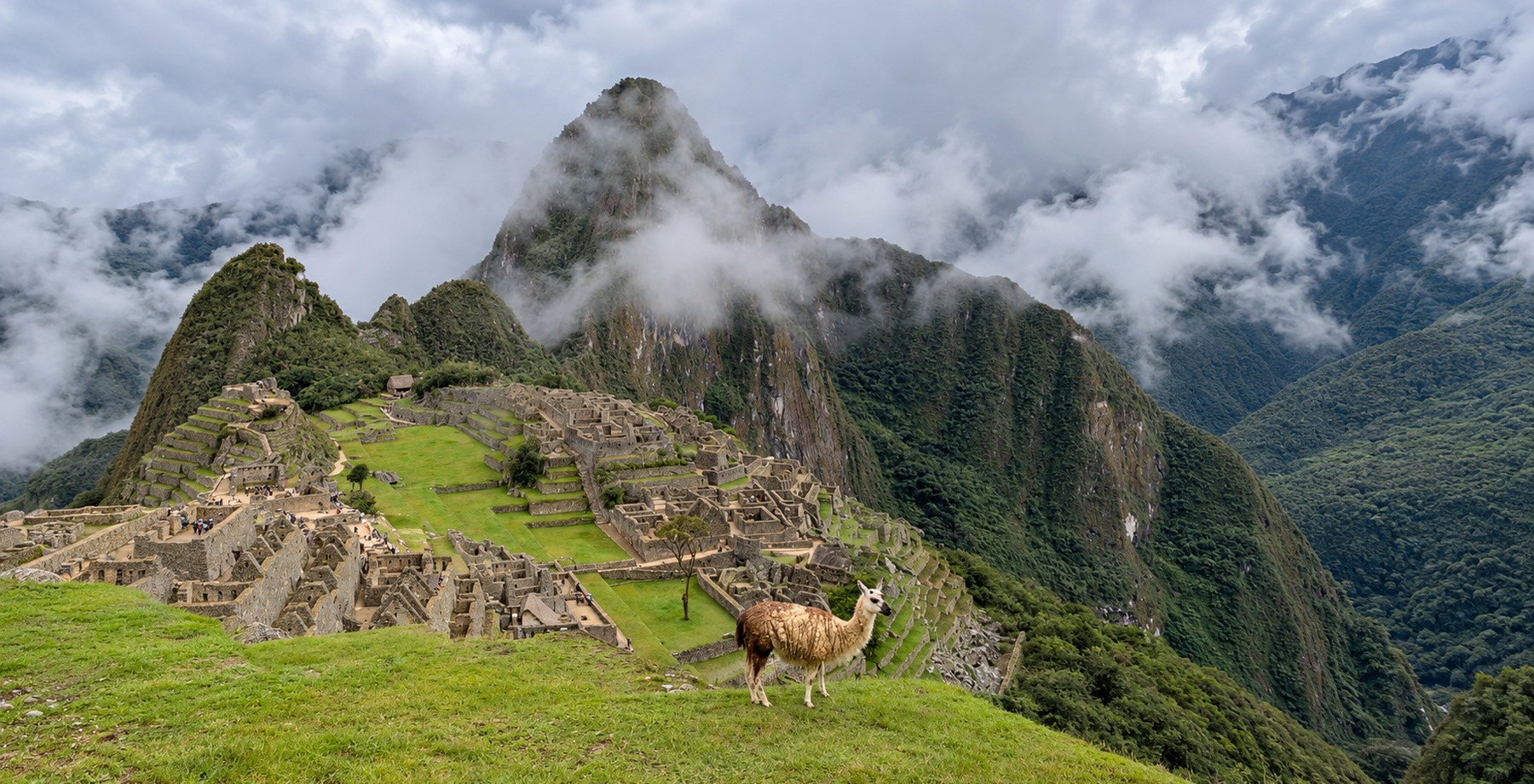 Machu Picchu is a historic Inca citadel set among the mountains of the Cusco region. Its stone structures, agricultural terraces and surrounding peaks make it one of the country’s most important archaeological destinations.
Visitors can reach the site by train and bus or choose a trekking route such as the Inca Trail. Entry tickets are regulated, and visitors must select an available circuit and entry time. Booking ahead is particularly important during busy travel periods.
Rainbow Mountain: A High-Altitude Andean Excursion
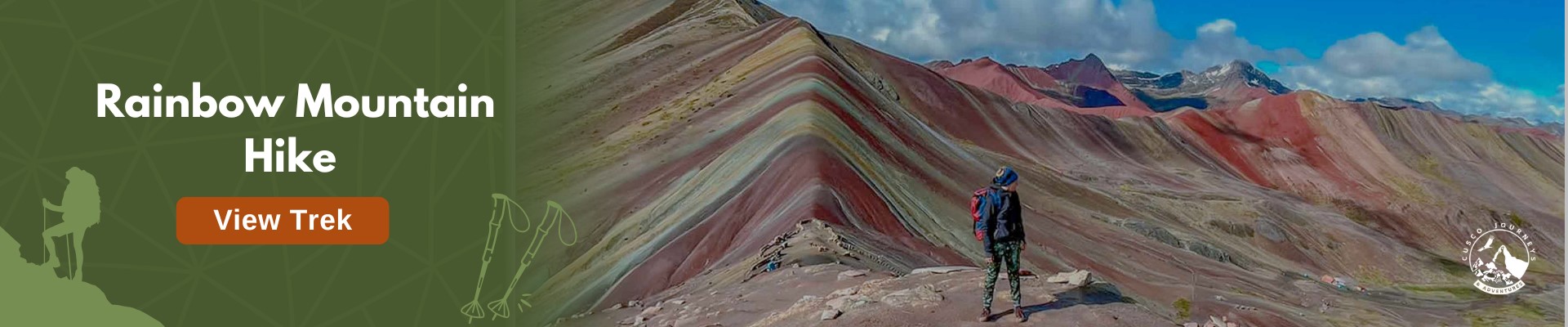
Rainbow Mountain, also known as Vinicunca, is recognized for its colored mineral layers and high-altitude surroundings. The excursion involves traveling through the Andes and hiking to viewpoints where the mountain’s distinctive colors become visible.
Because the route reaches a high elevation, travelers should consider their acclimatization, physical condition and the weather. Allowing time in Cusco before the excursion can make the experience more manageable.
3.- Which Peru Tours Should You Choose?
Choosing the right tour depends on the destinations you want to visit, the time available, and how much planning you want to handle yourself. Some travelers prefer focused excursions, while others want a complete itinerary with transportation, accommodation, and guided visits arranged in advance.
Cultural and Historical Tours
Cultural tours are a good choice for travelers who want to understand Peru’s history, architecture, traditions, and archaeological sites. They may include Lima, Arequipa, Cusco, the Sacred Valley, and other destinations depending on the length of the itinerary.
If you want to combine several regions in one trip, compare the route carefully before booking. A well-planned itinerary should allow enough time to travel between destinations rather than simply adding as many stops as possible.
Machu Picchu Tours
Machu Picchu can be visited through a train-based excursion or as part of a trekking experience. Train tours are suitable for travelers who want to reach the archaeological site without completing a multi-day hike.
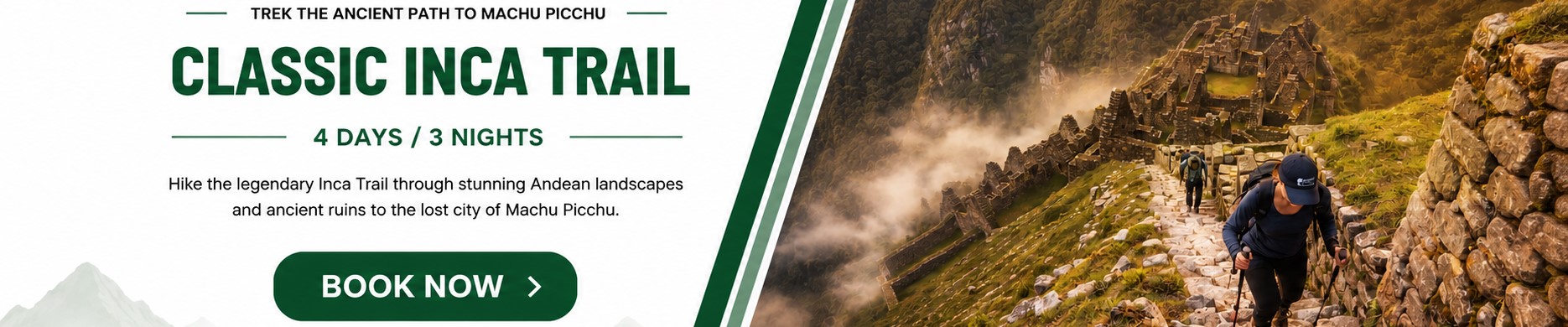
Those interested in walking the historic route can consider the Classic Inca Trail 4 Days / 3 Nights, which combines trekking, archaeological sites, and arrival at Machu Picchu. Shorter alternatives include the Short Inca Trail with Camping 2 Days / 1 Night and the Inca Trail Trek 3 Days / 2 Nights.
Availability, permits, and entry arrangements should be checked before confirming travel dates.
Adventure Tours and Mountain Treks
Travelers who enjoy outdoor activities can choose from trekking routes around Cusco and the Andes. Options range from day hikes to longer routes through mountain passes, remote communities, and archaeological areas.
Before booking a trek, check its duration, elevation, accommodation arrangements, included services and fitness requirements. The most suitable route is the one that matches your experience and allows enough time to enjoy the journey safely.
Nature and Wildlife Tours
Peru offers opportunities to observe marine wildlife along the coast, Andean condors in Colca Canyon, and diverse wildlife in the Amazon rainforest. The best destination depends on the species and environments you hope to experience.
For wildlife-focused travel, look closely at the itinerary and the amount of time spent in each area. Local guides can help explain the landscape, wildlife behavior, and environmental conditions.
Multi-Day Peru Tours
A multi-day tour can simplify a trip that covers several regions. Instead of organizing each transfer, hotel and excursion separately, travelers can choose a route with the main services coordinated in advance.
For visitors who want to see both the coast and the Andes, a longer itinerary can include Lima, Paracas, Huacachina, Nazca, Arequipa, Colca Canyon, Lake Titicaca, Cusco, the Sacred Valley and Machu Picchu.
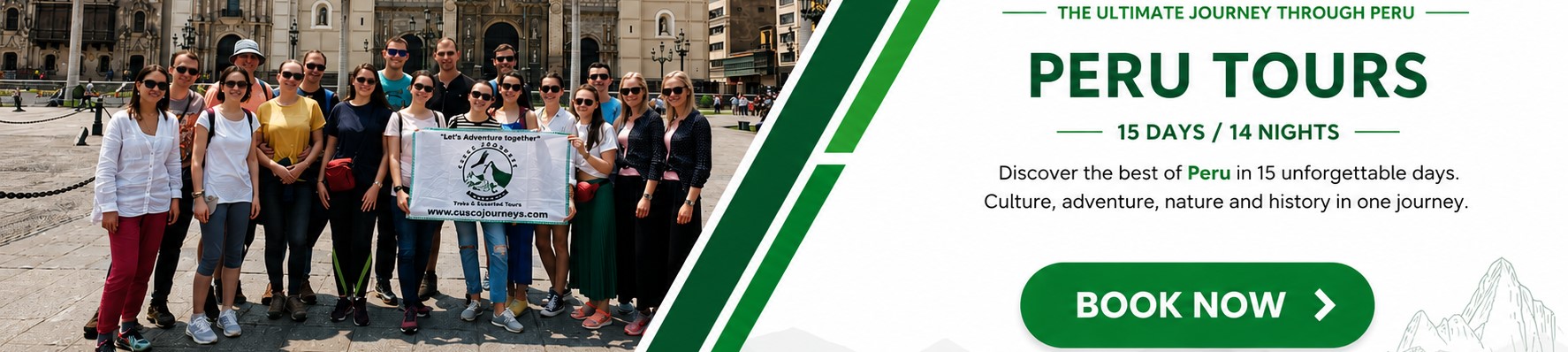
Explore the Peru Tours 15 Days / 14 Nights itinerary to see how several of these destinations can be combined into one trip.
4.- How to Get Around Peru
Transportation is an important part of planning a trip to Peru because the country’s main destinations are spread across different regions. The best option depends on your route, budget, and available time.
Domestic Flights
Flights can save time on longer journeys, particularly when traveling between Lima and other major cities. If your itinerary includes several regions, compare flight schedules with the time required for airport transfers and check baggage allowances before booking.
Long-Distance Buses
Buses connect many cities along the coast and in the Andes. They can be a practical option for travelers who have more time and want to reduce transportation costs. Travel times vary considerably depending on the route, road conditions, and weather.
For overnight journeys, compare departure times, seat types, and luggage policies before purchasing tickets.
Trains to Machu Picchu
Trains are commonly used to travel from the Sacred Valley or nearby stations toward Machu Picchu Pueblo, the town below the archaeological site. Train services, departure stations, and schedules depend on the selected route and travel date.
Reserve your train tickets in coordination with your Machu Picchu entry time. This helps avoid choosing a train schedule that leaves too little time for the visit or makes the return journey difficult.
Private and Organized Transfers
Private transfers and organized tours can make it easier to travel between destinations that require several connections. They are particularly useful when visiting multiple attractions in one day or following a multi-region itinerary.
When comparing tours, confirm which transfers are included and whether services are private or shared. This will help you understand what is covered by the quoted price.
5.- How Much Does a Trip to Peru Cost?
The cost of a trip to Peru varies according to its duration, accommodation category, transportation, activities, and travel style. A short visit focused on Cusco and Machu Picchu will have different expenses from a longer journey covering the coast, southern Peru and the Andes.
The main expenses to consider include:
- Accommodation: Hostels, guesthouses, and hotels offer different levels of comfort and service.
- Transportation: Domestic flights, long-distance buses, trains, and private transfers can make a significant difference to your budget.
- Tours and entrance tickets: Archaeological sites, guided excursions, trekking permits, and special activities may require separate bookings.
- Food: Local restaurants and markets can be economical, while higher-end dining will increase daily spending.
- Travel season: Demand can affect the availability and price of accommodation, transportation, and organized excursions.
When comparing Peru tours, check the included services rather than looking at the headline price alone. A package that includes accommodation, transfers, guided visits, and selected entrance tickets may make budgeting easier than arranging every service separately.
For an accurate estimate, start with your travel dates and a realistic list of destinations. Then compare the total cost of traveling independently with the price of an organized itinerary.
6.- What Is the Best Time to Visit Peru?
The best time to visit Peru depends on the regions you plan to explore. The coast, Andes and Amazon have different weather patterns, so there is no single season that is ideal for every destination.
The Dry Season in the Andes
The dry season in the Andes generally runs from May to September. These months are popular for visiting Cusco, the Sacred Valley, and Machu Picchu because there are typically more dry days for outdoor activities.
June, July, and August can be particularly busy, so it is important to arrange Machu Picchu tickets, train journeys and popular treks well in advance.
The Rainy Season in the Andes
The rainy season generally extends from around November to March, although conditions vary by location and year. Rain can affect trekking conditions and mountain views, but landscapes may be greener and visitor numbers can differ from those of the peak dry season.
Travelers planning hikes should check local forecasts and confirm that their chosen routes and services are operating.
Weather on the Coast
Coastal destinations such as Lima, Paracas, Huacachina, and Nazca have different conditions from the Andes. Lima can be cloudy and humid during its cooler months, while desert areas are generally much drier.
If your itinerary includes both the coast and the mountains, plan for changing temperatures and weather conditions as you move between regions.
For more information, consult the official Peru Travel climate guide.
7.- Altitude in Peru: What Travelers Should Know
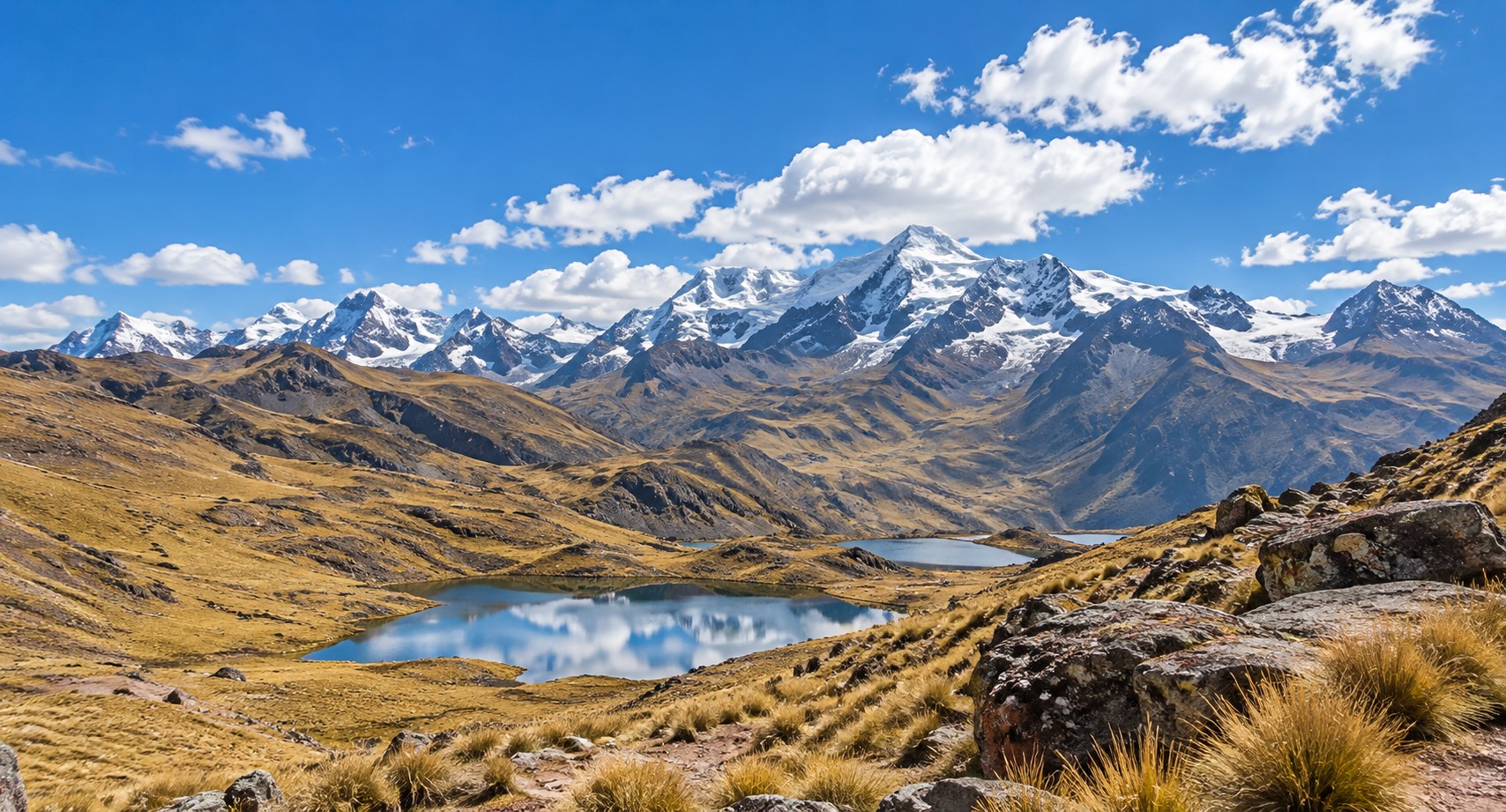 Altitude is an important consideration when visiting Cusco, the Sacred Valley, Lake Titicaca or high mountain destinations such as Rainbow Mountain. Some travelers notice symptoms such as headaches, tiredness, dizziness, or shortness of breath when they arrive at higher elevations.
Allow time to acclimatize before undertaking strenuous activities. Many itineraries begin with a relatively gentle visit in Cusco or the Sacred Valley before scheduling demanding hikes.
Keep your first day flexible, drink water regularly, avoid intense physical effort while adjusting and pay attention to how you feel. If symptoms are severe or worsen, seek medical assistance rather than continuing with a planned excursion.
Travelers with health concerns should consult a qualified healthcare professional before visiting high-altitude destinations.
8.- What Should You Book in Advance?
Some experiences in Peru have limited availability, especially during popular travel periods. Booking the most important parts of your itinerary ahead of time can help you avoid last-minute changes.
Machu Picchu Entry Tickets
Machu Picchu uses designated entry circuits and time slots, and availability may be limited on your preferred date. Check the official Machu Picchu ticket platform and review the available options before finalizing the rest of your schedule.
Inca Trail Permits
The Inca Trail has controlled daily access and permits can sell out well in advance. If you want to hike this route, confirm availability before making non-refundable arrangements around a particular departure date.
Trains and Accommodation
Train schedules and hotel availability can affect the timing of your Machu Picchu visit. Reserve these services in coordination with your entry ticket, especially if you plan to stay overnight in Machu Picchu Pueblo.
Flights and Special Excursions
Domestic flights and activities such as scenic flights over the Nazca Lines should be arranged with enough time to coordinate the rest of your route. Flight operations may be affected by weather or other operational conditions.
Multi-Day Tours
If you want to visit several destinations in one trip, booking a multi-day tour can help coordinate transfers, accommodation, guides and scheduled activities. Review the itinerary carefully to understand what is included and which services require separate payment.
9.- Should You Travel Independently or Book an Organized Tour?
Both independent travel and organized tours can work well in Peru. The right choice depends on how much flexibility you want, how comfortable you are organizing transportation, and how many destinations you plan to visit.
Traveling Independently
Independent travel gives you greater control over your daily schedule and allows you to spend more time in places that interest you. It can be a good option if you have a flexible itinerary and are comfortable arranging accommodation, tickets, transportation and guided visits separately.
However, traveling independently requires research and coordination. You will need to check schedules, manage connections and make sure reservations fit together, particularly when visiting several regions.
Booking an Organized Tour
An organized tour can simplify a trip by bringing together key services such as accommodation, transportation, guided visits and selected entrance tickets. It can be especially helpful when your itinerary includes several destinations or when you have a limited number of days.
Before booking, read the itinerary carefully. Confirm the accommodation category, group size, included meals, entrance tickets, transfers, and any services that are not covered by the price.
Choosing a Tour That Fits Your Trip
Start by deciding which places matter most to you and how long you can travel. A shorter itinerary may focus on Cusco and Machu Picchu, while a longer trip can include destinations along the coast, southern Peru, and the Andes.
You can compare itineraries and services on the Cusco Journeys website and choose an option that matches your dates, interests, and budget.