
Inca Trail Tips: What to Know Before You Go
 The Inca Trail to Machu Picchu is an incredible adventure that requires careful preparation. Inca Trail tips are essential to ensure you’re ready for this challenging trek. The 26-mile journey through the Andes is full of breathtaking views, ancient Inca ruins, and incredible cultural experiences. However, before you set out, there are several Inca Trail tips you should know to make your hike safer and more enjoyable.
Before embarking on the trail, securing permits is one of the most important Inca Trail tips to follow, as the number of permits is limited and they can sell out months ahead. Another key tip before starting is to acclimatize to the high altitude to avoid altitude sickness. Physical preparation is also vital—ensure you’re ready for the demanding ascent. And before you pack, make sure to bring only the essentials, as you’ll be carrying your gear for several days. By following these Inca Trail tips, you’ll be well-prepared for a successful and unforgettable trek.
Top Insider Tips for Walking the Inca Trail
 The Inca Trail is one of the most iconic hikes in the world, leading to the ancient ruins of Machu Picchu. However, it’s important to be fully prepared for the challenges it presents. With rugged terrain, changing weather conditions, and the need for good physical conditioning, following these Inca Trail tips will help ensure that your journey is enjoyable and safe.
1.- Book Your Permits Early
 The Peruvian government limits the number of trekkers on the Inca Trail to 500 people per day, which includes hikers, guides, and porters. This restriction is in place to preserve the trail and the surrounding environment, ensuring that future generations can experience its beauty. Due to this limitation, it is vital to secure your spot as soon as possible, especially if you are planning to hike during peak months.
- Peak Season: (April to October) is the most popular time to hike, and permits can sell out as early as 6 months in advance. July and August are the busiest months due to summer holidays, so it’s recommended to book early during these months.
- Low Season: (November to March) sees fewer hikers, and although the permits may still be available, this is also the rainy season. Weather can be unpredictable, and while the trail is open, the terrain can be more challenging with slippery paths and occasional downpours. Still, if you’re looking to avoid the crowds, this is a good time to go.
- The Process of Booking: To hike the Inca Trail, you must book through an authorized trekking agency. These agencies hold the licenses necessary to reserve Inca Trail permits on your behalf. It’s essential to choose a reputable agency with experienced, licensed guides, as they are crucial for your safety and enjoyment on the trail.
2.- What to Pack for the Inca Trail
Packing for the Inca Trail requires careful consideration to ensure you’re prepared for the changing weather, challenging terrain, and limited space. You’ll need to pack light but smart, bringing only the essentials to ensure comfort and safety during your trek. Below is a detailed list of what to pack for your Inca Trail adventure:
- Passport Original.
- Insect Repellent: To protect against bites, especially around campsites.
- Camera/Smartphone: For capturing stunning views, plus a portable charger.
- Copy of Passport: Always carry a backup in case of loss or theft.
- Travel Insurance: Ensure it covers high-altitude trekking.
- Plastic Bags: For storing dirty or wet items.
- Notebook & Pen: For writing reflections or notes.
- Wet Wipes: For hygiene during the hike.
- Spare Ziploc Bags: For organizing and packing trash.
- Earplugs: Helpful for light sleepers in shared campsites.
- Trekking Gaiters: To protect legs and boots from mud and rocks.
- Small Locks: For securing your bags.
- Multi-tool: Useful for small fixes or opening items.
- Energy Gels: Quick energy boosts during the trek.
- Map of the Trail: Helpful for orientation.
- Hand Warmers: To stay warm on cold nights.
- Bandana or Buff: For sun and wind protection.
3.- Getting the Most Out of Machu Picchu.
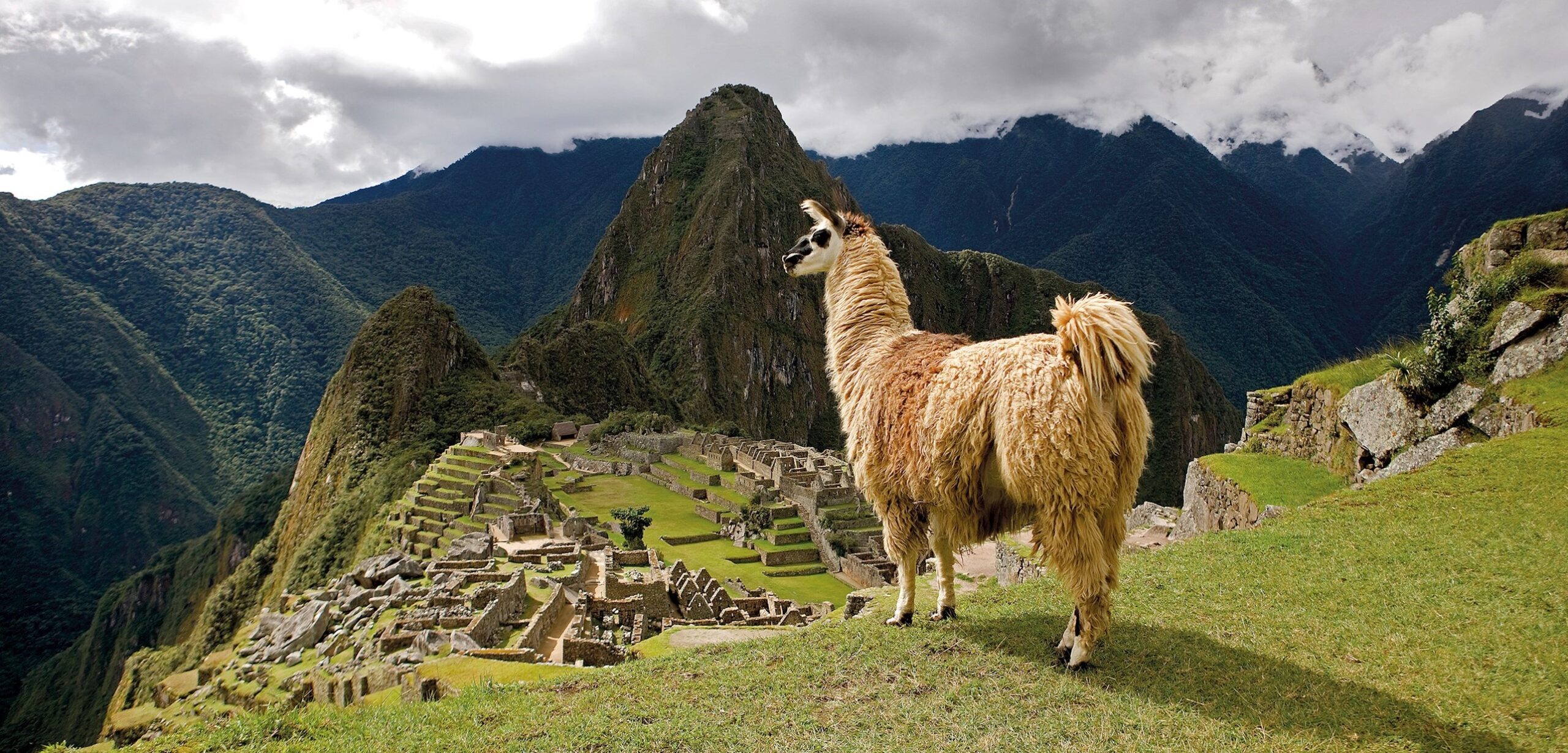 To get the most out of your visit to Machu Picchu, arrive early to experience the site before the crowds. Book tickets in advance, as they often sell out. A guided tour enhances the experience by providing insights into the history of the ruins. Exploring quieter spots like the Inca Bridge and Huembo trail offers unique views away from the main area.
For stunning panoramic views, consider hiking Huayna Picchu or Machu Picchu Mountain, which require separate tickets. Wear comfortable shoes for the rugged terrain, and stay hydrated. Staying in Aguas Calientes allows you to visit early and enjoy the site without rushing.
4.- The Perfect Time to Walk the Inca Trail
The best time to walk the Inca Trail is during the dry season, from May to September, when the weather is sunny and clear. The trail can be crowded, so book early. The shoulder months of April and October offer good weather with fewer crowds. The wet season, from November to March, brings more rain, making conditions challenging, and the trail is closed for maintenance in February. For the best experience, trek during the dry season.
5.- Alternative Trek
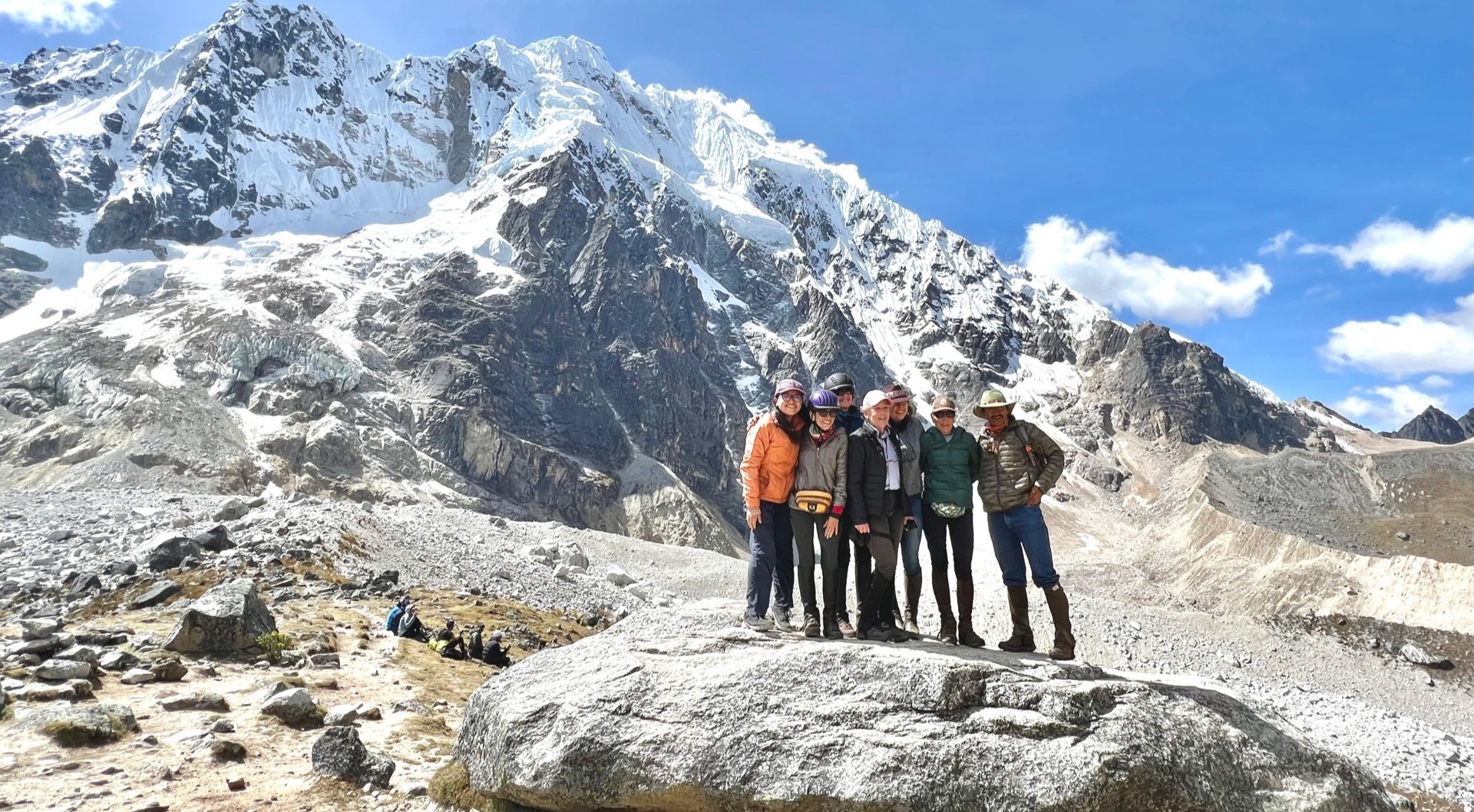 If you’re looking for alternatives to the Inca Trail, there are several other fantastic treks and routes to Machu Picchu that offer similar experiences with fewer crowds or different scenic landscapes:
By following these tips and preparing well, you’ll be ready for one of the most rewarding and unforgettable treks in the world. The Inca Trail offers not only incredible views but also an opportunity to immerse yourself in the history and culture of the ancient Inca civilization. Enjoy every step of the journey, and let the trail lead you to one of the most spectacular places on Earth—Machu Picchu!.
