
Is the Lares Trek Worth It? 7 Reasons to Choose This Route
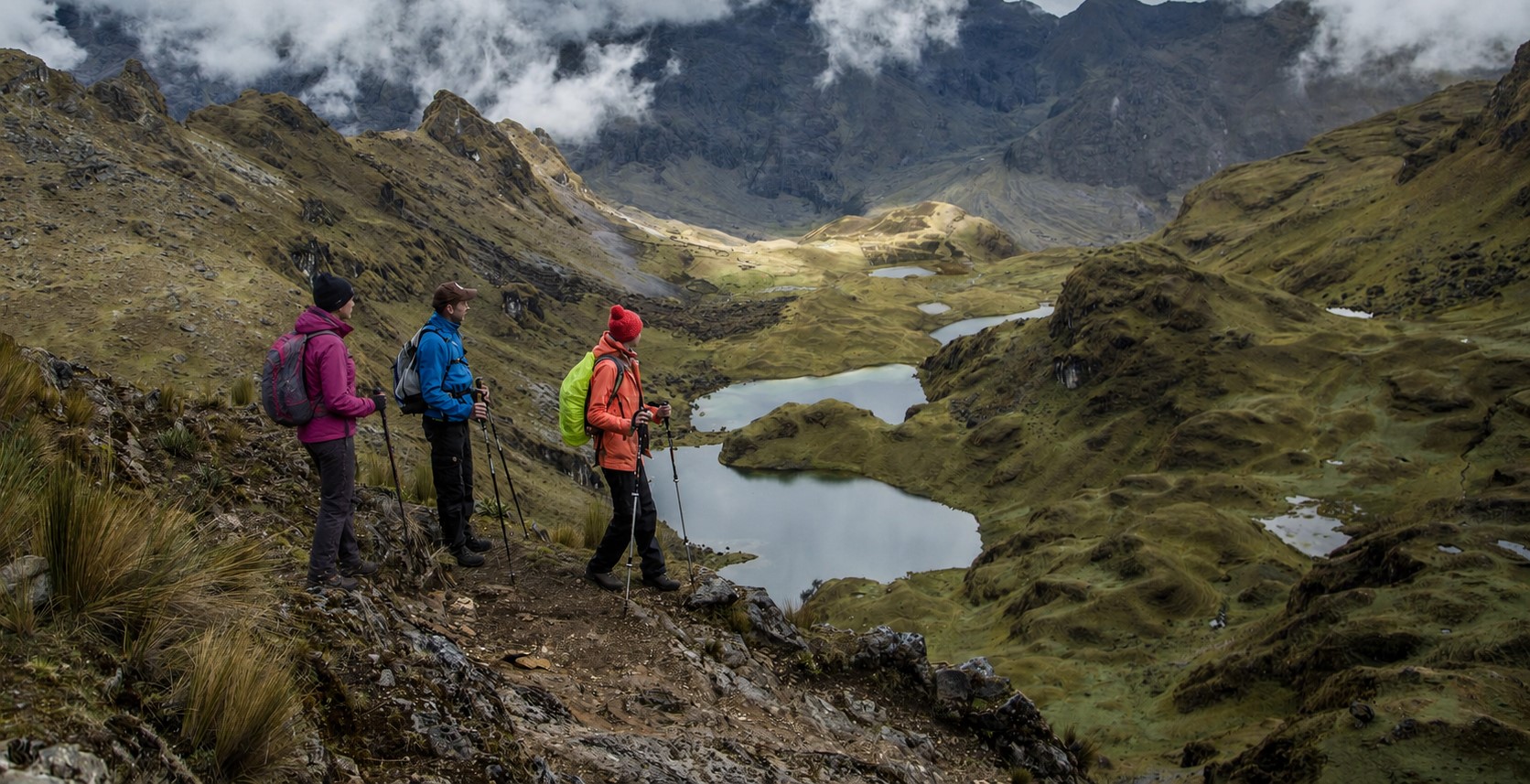 Is the Lares Trek worth it? For travelers looking for an authentic Andean experience away from the busiest trekking routes, the answer is yes. The Lares Trek combines spectacular mountain landscapes, traditional communities, remote valleys, and meaningful cultural experiences before continuing to Machu Picchu.
Unlike trekking routes where the main focus is reaching an archaeological site, the Lares Trek is as much about the journey as the destination. Along the route, you can walk through high-altitude landscapes, see glacial lakes, encounter traditional Andean communities, and experience a quieter side of the Cusco region.
For travelers who want to combine adventure, culture, nature, and Machu Picchu, Lares offers a rewarding alternative to the more popular trekking routes.
Quick Answer: Is the Lares Trek Worth It?
Yes, especially if you value authentic culture, spectacular scenery, quieter trails, and an off-the-beaten-path experience.
The Lares Trek is a particularly good choice for travelers who want to experience traditional Andean communities rather than simply follow a busy trekking route. It can also be combined with a visit to Machu Picchu, making it a complete trekking experience in Peru.
However, Lares is not about checking off the most famous archaeological sites along the trail. Its greatest strength is the combination of mountains, culture, local communities, and nature.
7 Reasons Why the Lares Trek Is Worth It
From authentic Andean culture to spectacular mountain scenery, the Lares Trek offers a rewarding experience beyond the usual tourist routes.
1.- Experience Authentic Andean Culture
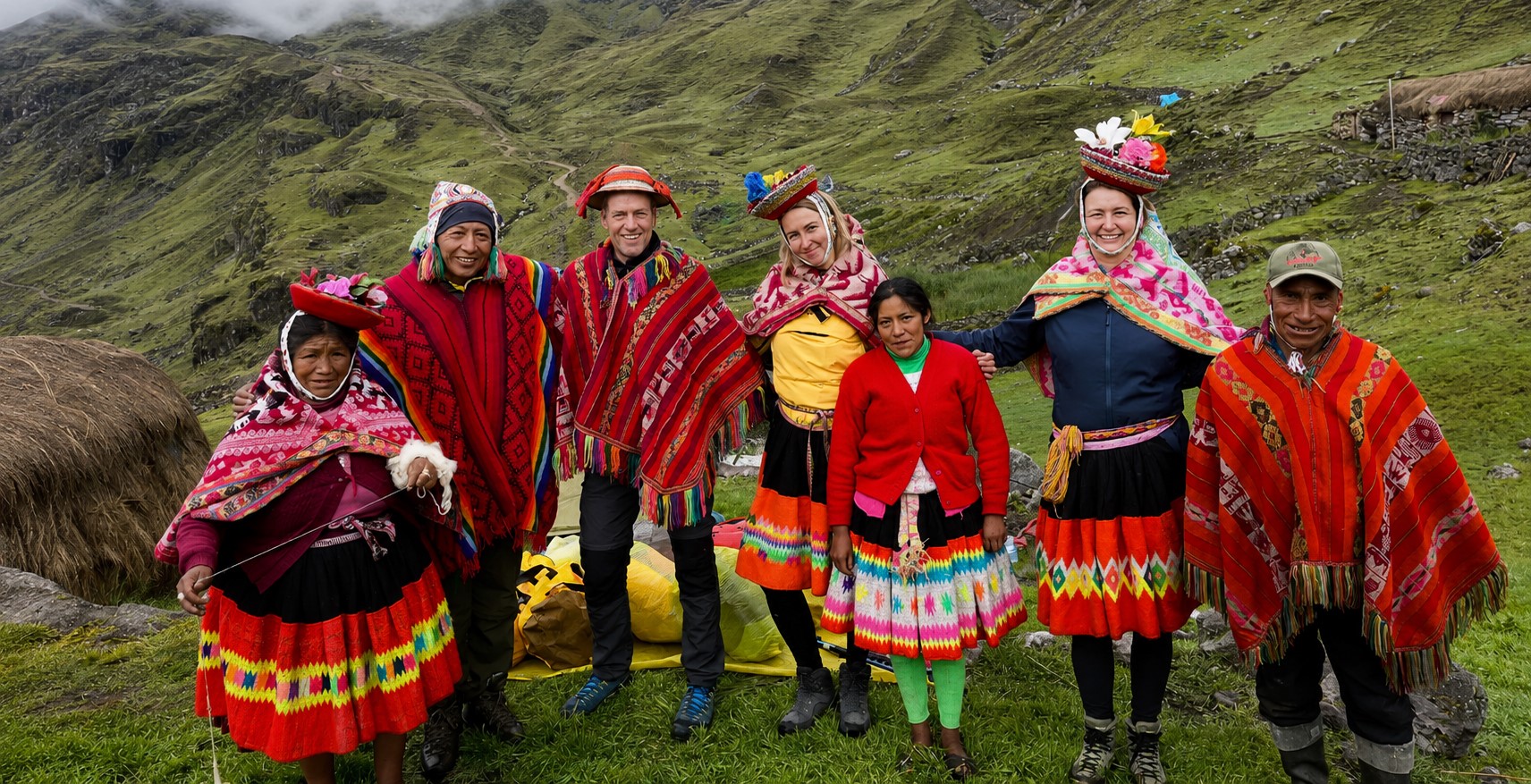
One of the strongest reasons to choose the Lares Trek is the opportunity to experience traditional Andean life.
The route passes through remote communities where farming, weaving, and traditional customs remain an important part of everyday life. Travelers can see local families working with livestock, traditional textiles, and landscapes that have shaped Andean life for generations.
This cultural connection gives the Lares Trek a character that goes beyond hiking. For many travelers, these simple encounters with local life become some of the most memorable moments of the entire journey.
2.- Enjoy Spectacular Mountain Landscapes
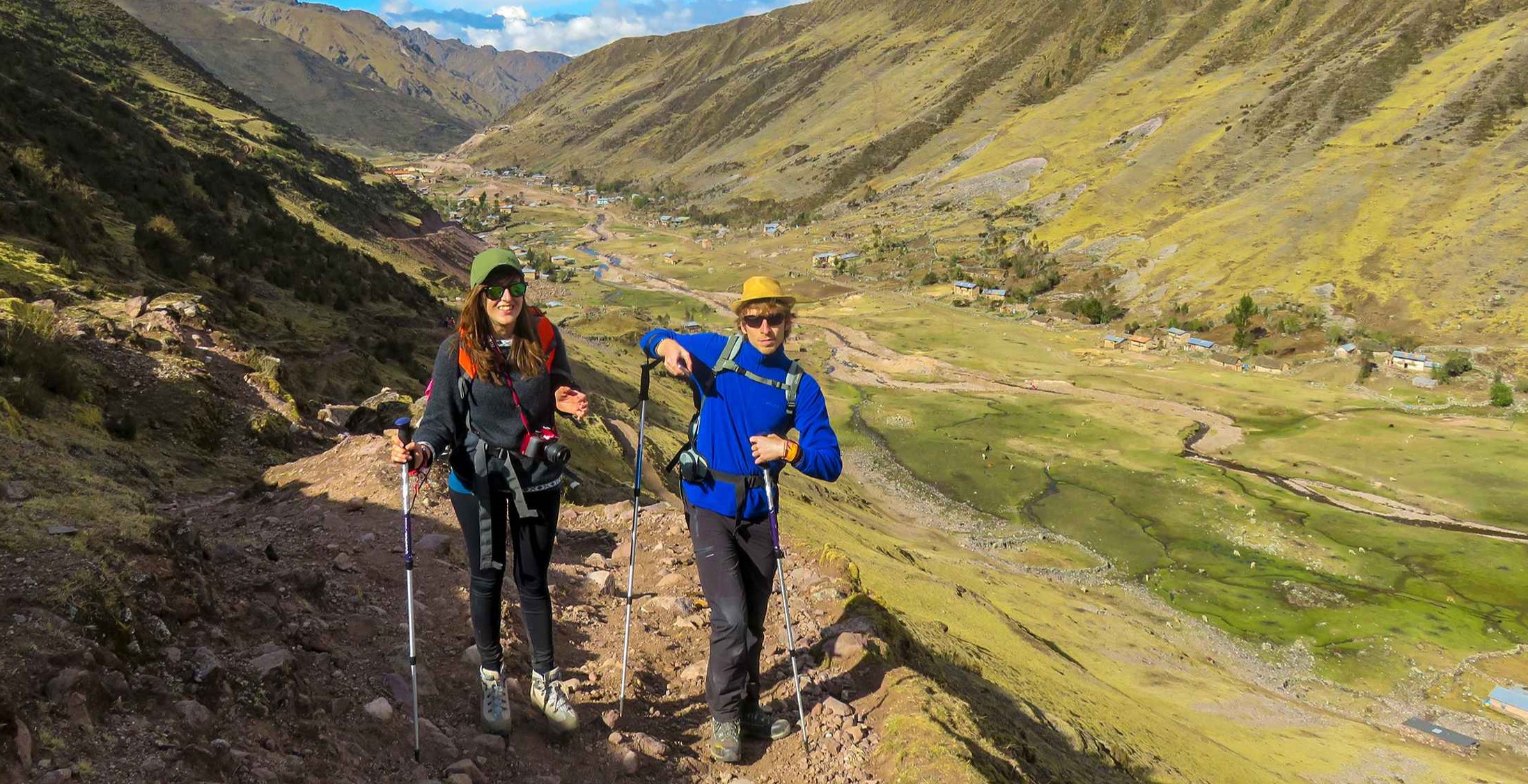
The Lares Valley is surrounded by impressive mountains, high-altitude valleys, glacial lakes, and open Andean landscapes.
The trek also reaches Pachacutec Pass at approximately 4,700 meters (15,420 feet), one of the highest points on the route. From here, trekkers can enjoy panoramic views of the surrounding mountains before descending toward the next valley.
If dramatic mountain scenery is an important part of your ideal trek, Lares offers plenty to discover. The scenery changes as you move through the valley, making the trek feel like a new experience with every stretch of the trail.
3.- Escape the Crowds
The Lares Trek is a great option for travelers who prefer a quieter experience.
Compared with Peru’s most famous trekking routes, Lares allows you to spend more time surrounded by nature and local communities rather than large groups of trekkers.
The feeling of walking through peaceful valleys and remote landscapes is one of the reasons many travelers choose Lares. There is more time to enjoy the surroundings at your own pace and appreciate the quiet atmosphere of the Andes.
4.- Discover a More Authentic Side of Peru
Lares takes you beyond the most visited attractions around Cusco.
Instead of spending the entire journey following a well-known tourist route, you travel through rural Andean landscapes and communities where traditional ways of life continue today.
For travelers interested in off-the-beaten-path Peru, this is one of the strongest reasons to consider the Lares Trek. The route gives you the chance to experience Peru beyond the places most visitors see on a typical trip to Cusco.
5.- Connect With Living Andean Traditions
The Lares Trek is not only about beautiful scenery. It also provides an opportunity to understand the relationship between Andean communities, their environment, and their traditions.
Traditional weaving, agriculture, livestock, and local customs are part of the experience. This makes the trek especially meaningful for travelers who want cultural interaction to be an important part of their journey.
You are not simply passing through these communities; you are traveling through a landscape where these traditions are still part of everyday life.
6.- Choose an Alternative to the Classic Inca Trail
The Inca Trail is one of Peru’s most famous trekking experiences, but it is not the only way to enjoy a trekking adventure in the Andes.
Lares offers a different experience, with a stronger emphasis on Andean culture, remote communities, mountain scenery, and quieter trails.
If you are looking for something different from the classic trekking experience, Lares is worth considering. It is a route for travelers who want the adventure of the Andes while discovering a less familiar side of the region.
7.- End Your Adventure at Machu Picchu
One of the biggest advantages of the Lares Trek is that you do not have to choose between a cultural trek and Machu Picchu.
The Lares Trek can be combined with a visit to the Inca citadel, allowing you to spend several days exploring the Andes before arriving at Machu Picchu.
This creates a journey that combines adventure, culture, nature, and history in one experience. After days in the mountains and Andean communities, arriving at Machu Picchu becomes a memorable way to finish the journey.
Lares Trek 4 Days / 3 Nights: What Is the Experience Like?
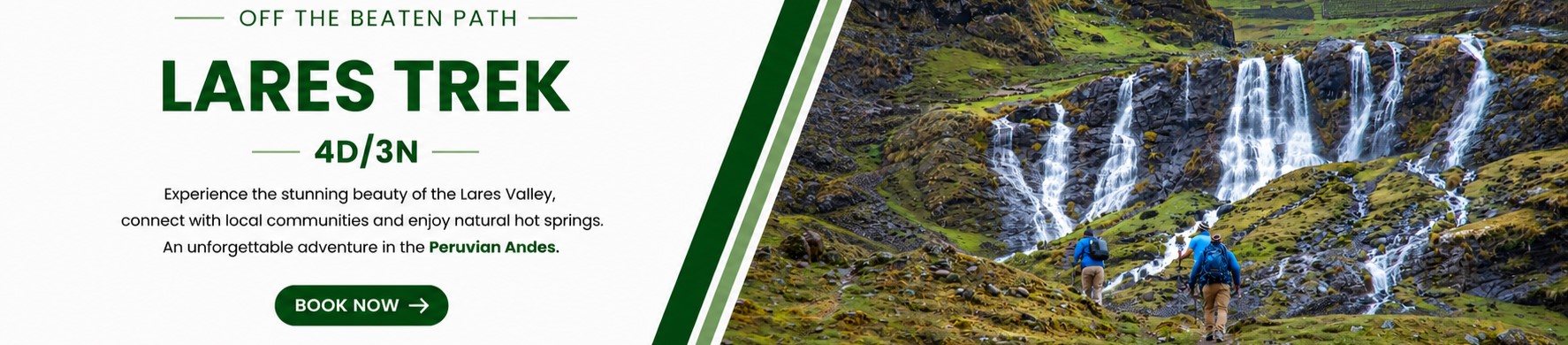
Our Lares Trek 4 Days / 3 Nights is designed for travelers who want to experience the cultural and scenic highlights of the route before visiting Machu Picchu.
The itinerary includes remote Andean valleys, high mountain passes, glacial lakes, traditional communities, Lares Hot Springs, and a final visit to Machu Picchu.
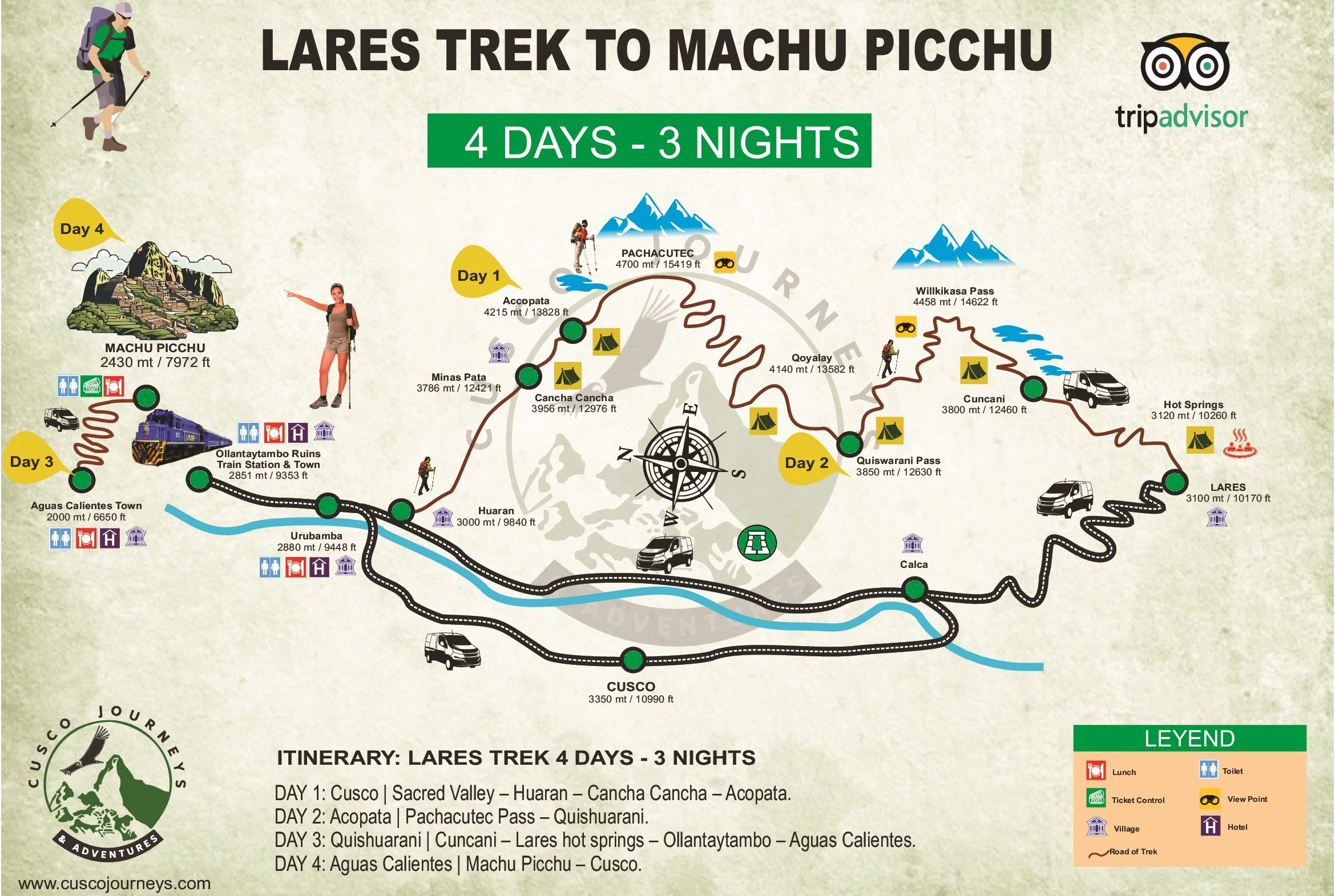
Day 1: Cusco – Huaran – Cancha Cancha – Acopata
The journey begins in Cusco and continues toward Huaran, where the trek enters the Cancha Cancha Valley. The trail passes agricultural areas and Andean landscapes before reaching the first campsite near Acopata.
Day 2: Acopata – Pachacutec Pass – Quishuarani
This is one of the most challenging and scenic days. The route climbs toward Pachacutec Pass at 4,700 meters, followed by a descent through landscapes dotted with glacial lakes toward Quishuarani.
Day 3: Quishuarani – Cuncani – Lares Hot Springs – Ollantaytambo – Aguas Calientes
The trek continues through highland landscapes and the community of Cuncani before descending toward the Lares Hot Springs. After relaxing in the thermal pools, the journey continues to Ollantaytambo and then by train to Aguas Calientes.
Day 4: Machu Picchu – Cusco
The final day is dedicated to Machu Picchu. After a guided visit to the citadel, you return to Aguas Calientes and continue by train and private transportation to Cusco.
Who Is the Lares Trek Best For?
The Lares Trek is especially suitable for travelers who:
- Want an authentic cultural experience.
- Prefer quieter trekking routes.
- Enjoy high-altitude mountain scenery.
- Are interested in traditional Andean communities.
- Want an alternative to the busiest routes to Machu Picchu.
- Want to combine trekking with Machu Picchu.
It is also possible to choose different Lares Trek experiences depending on your available time and travel preferences, including shorter and longer programs and a combination with the Short Inca Trail.
How Difficult Is the Lares Trek?
The Lares Trek is considered moderate to challenging, mainly because of the altitude and long hiking days.
Proper acclimatization is important before starting the trek. The 4-day route reaches approximately 4,700 meters at Pachacutec Pass, so spending a few days in Cusco before trekking is highly recommended.
You do not need to be an experienced mountaineer, but you should be comfortable with several hours of hiking and prepare properly for high-altitude conditions.
When Is the Best Time to Hike the Lares Trek?
The dry season, generally from April to October, is the most popular period for trekking in the Andes because of more stable conditions and clearer mountain views.
The rainy season can also offer beautiful landscapes, but travelers should be prepared for changing weather and possible rain.
Is the Lares Trek Worth It? Our Final Verdict
Yes, the Lares Trek is worth it if you are looking for more than just a route to Machu Picchu.
Its greatest strengths are its authentic Andean culture, spectacular mountain scenery, remote communities, peaceful trails, and the opportunity to finish your adventure at Machu Picchu.
For travelers who want to experience a quieter and more cultural side of the Peruvian Andes, Lares can be one of the most rewarding trekking choices in the Cusco region.
Ready to experience the Lares Trek? Explore our Lares Trek 4 Days / 3 Nights and start planning your journey to Machu Picchu.