
Kuelap Fortress
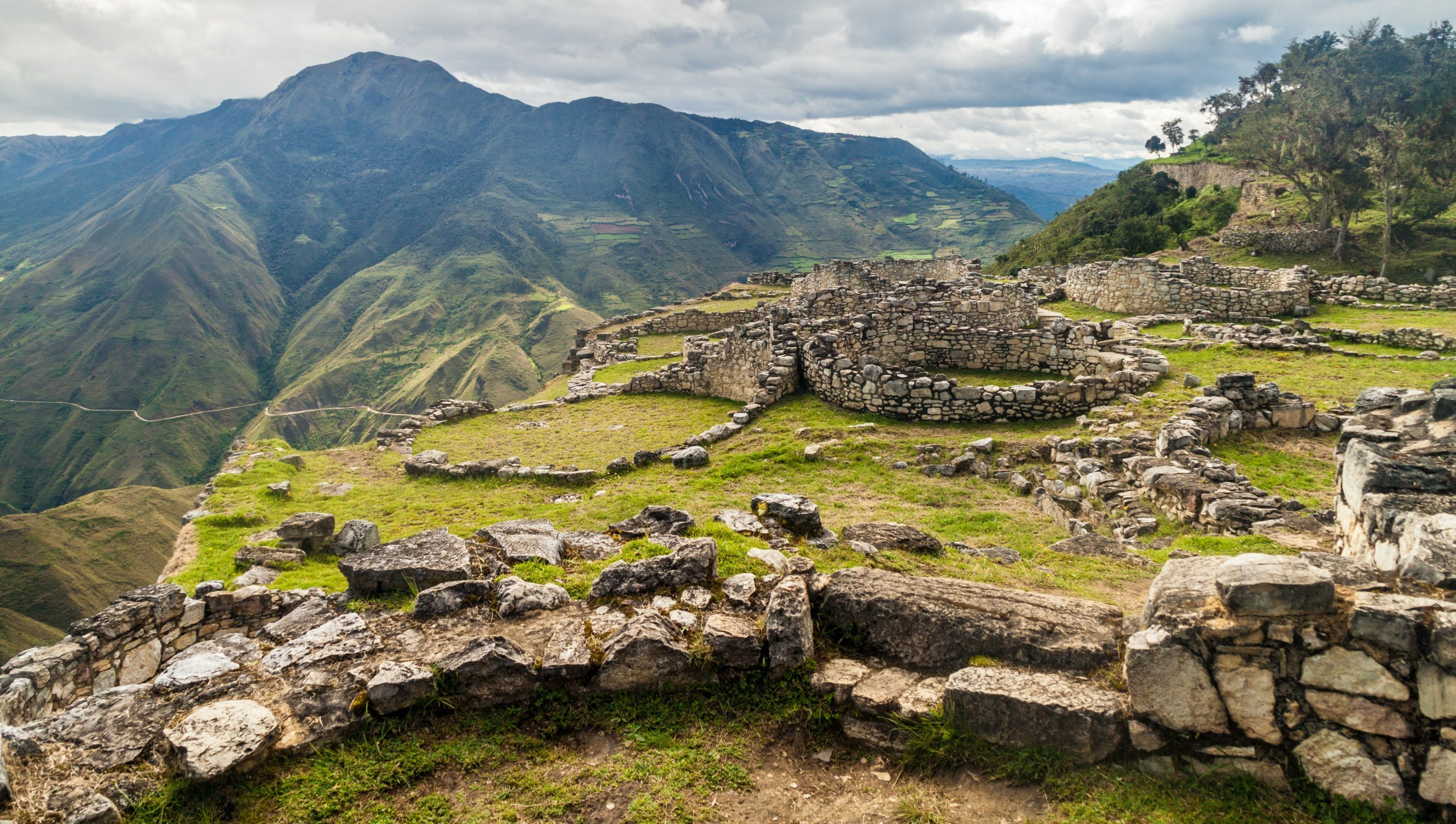 In the Peruvian Amazon, we can find the Kuelap Fortress, built by the Chachapoyas, an ancient civilization that flourished between the 9th and 15th centuries AD. in northern Peru and located within the Andean cloud forests of the department of Amazonas.
Its culture became famous for its distinctive architectural style, advanced craftsmanship, and impressive fortifications; In fact, their name “Chachapoyas” means “warriors of the clouds” in Quechua, which speaks to their ability to navigate and thrive among mist-covered mountains.
Location of Kuelap Fortress
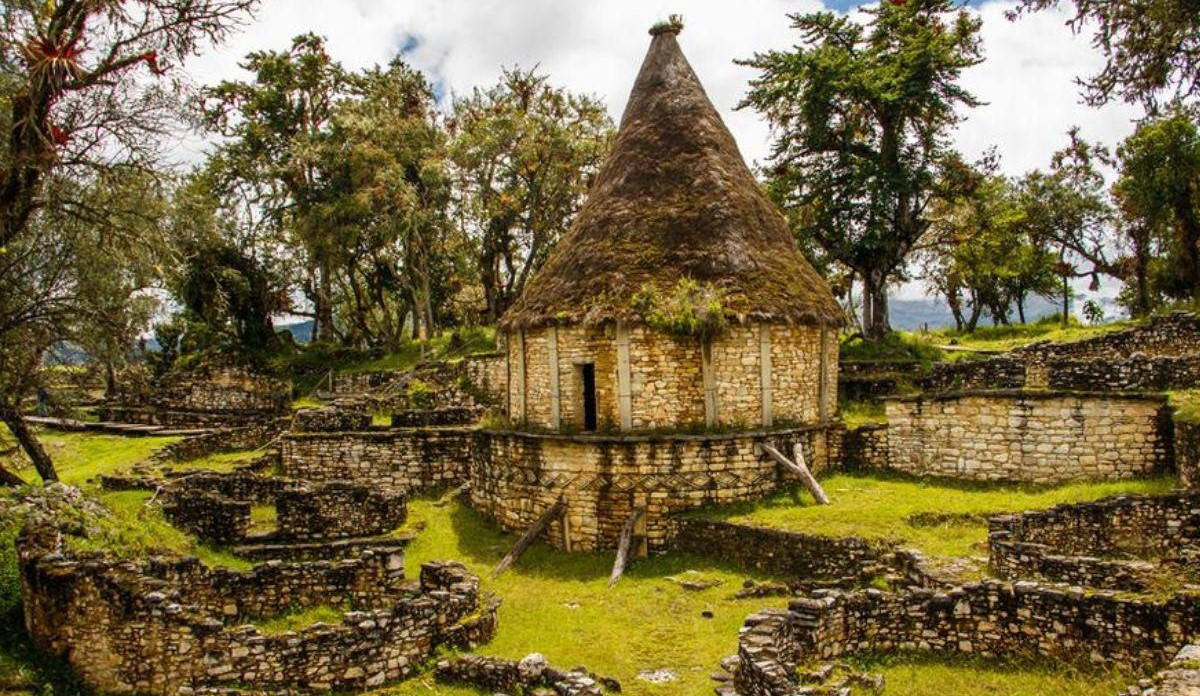 It is the political center of the Chachapoyas civilization and the city has more than 300,000 inhabitants. It is located in the Amazon region in northern Peru on top of mountains.
It is more of a fortress than a city.
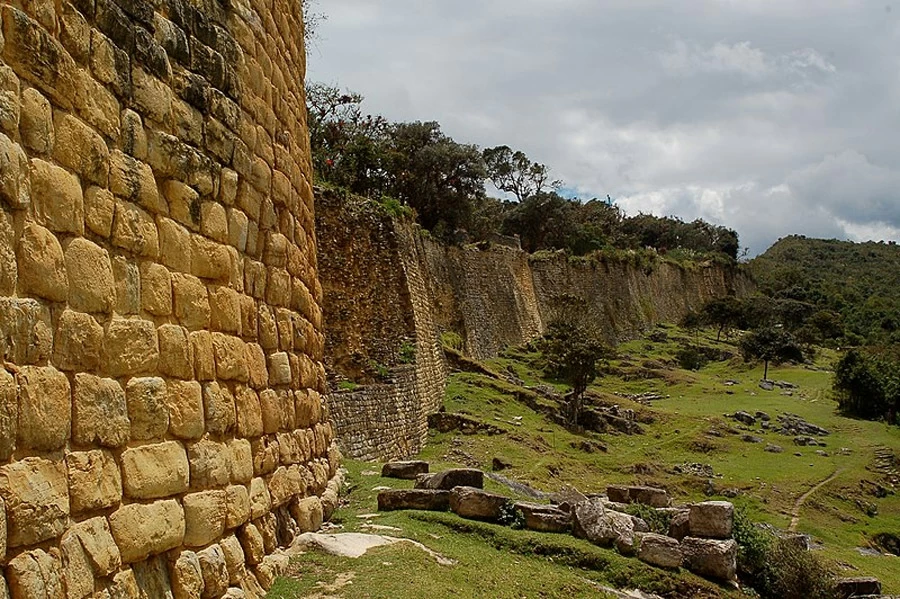
Fortress due to the high outer walls 10-20 cm, at an altitude of 9 thousand 800 and 50 feet. It is 2000 feet long. It is rectangular and built on a limestone foundation on 15 acres. It is a three-dimensional surface visible from a specific set of points. It is a kind of cloud-covered forest that seems like an unknown place.
History of the Kuelap Fortress
 The occupation of this area began 2,400 years ago, around 400 BC. Built by the Chachapoyas civilization, most of the Kuelap Fortress we know today was built between 900 AD. and 1100 AD. However, certain areas of the current ruins date back to the 6th century AD. or until the Inca conquest of the region in the 15th century.
The Kuelap Fortress was a political center of the pre-Inca society known as Chachapoyas. This society flourished between approximately 900 AD. and 1400 AD.
The native Chachapoyas occupied the site until the Inca Empire conquered the area around 1470 CE. Although the Incas tried to wipe out the Chachapoyas during their invasion, they did not succeed. A genetic study published in 2017 found that indigenous people living in the region today have the same Chachapoyas DNA as their ancestors.
The Spanish conquered the area around 1570. Shortly after, the site was abandoned for hundreds of years. A Chachapoyas judge rediscovered the site in 1843, but it remained off the mainstream radar until the 1980s. Archaeologists continue to study the site today.
Kuelap is currently a candidate for UNESCO World Heritage status. If accepted, the site’s inclusion will help it gain international recognition as well as support for infrastructure development projects in the region.
Description of the Kuelap Fortress
 There are several main points of interest in the Kuelap Fortress.
There are three traditional entrances to Kuelap:
- The main entrance has a trapezoidal shape with mythical and magical figures arranged on large stones.
- The second entrance on the opposite side may have been an escape route and/or a place from which offerings were thrown to the gods.
- The third entrance, the smallest, was intended for the delivery of daily and ceremonial items.
- The main temple was the most important religious structure in Kuelap. Many human remains were buried here and only the elites had access to this temple.
- The circular platform was the residence of an important elite family. This site is close to the main temple.
The outer wall surrounds the site. The huge, thick wall took several generations to complete. Human burials and other offerings were found at the bases of the wall. - Many reburied human remains were found in the tower, along with many pebbles. Researchers suggest that the pebbles may have been used as projectiles to be thrown into the sky, calling for rain.
The upper part is an elevated section of the site that includes three sectors:
- The northern sector houses the tower and faces a chasm on the western side.
- The central sector has three rectangular buildings. According to researchers, these rectangular structures originated during the Inca occupation and overlap original circular structures from Chachapoyas.
- The southern sector has two platforms completely covered by circular houses. Its perimeter wall is the highest point of the fortress.
Other places
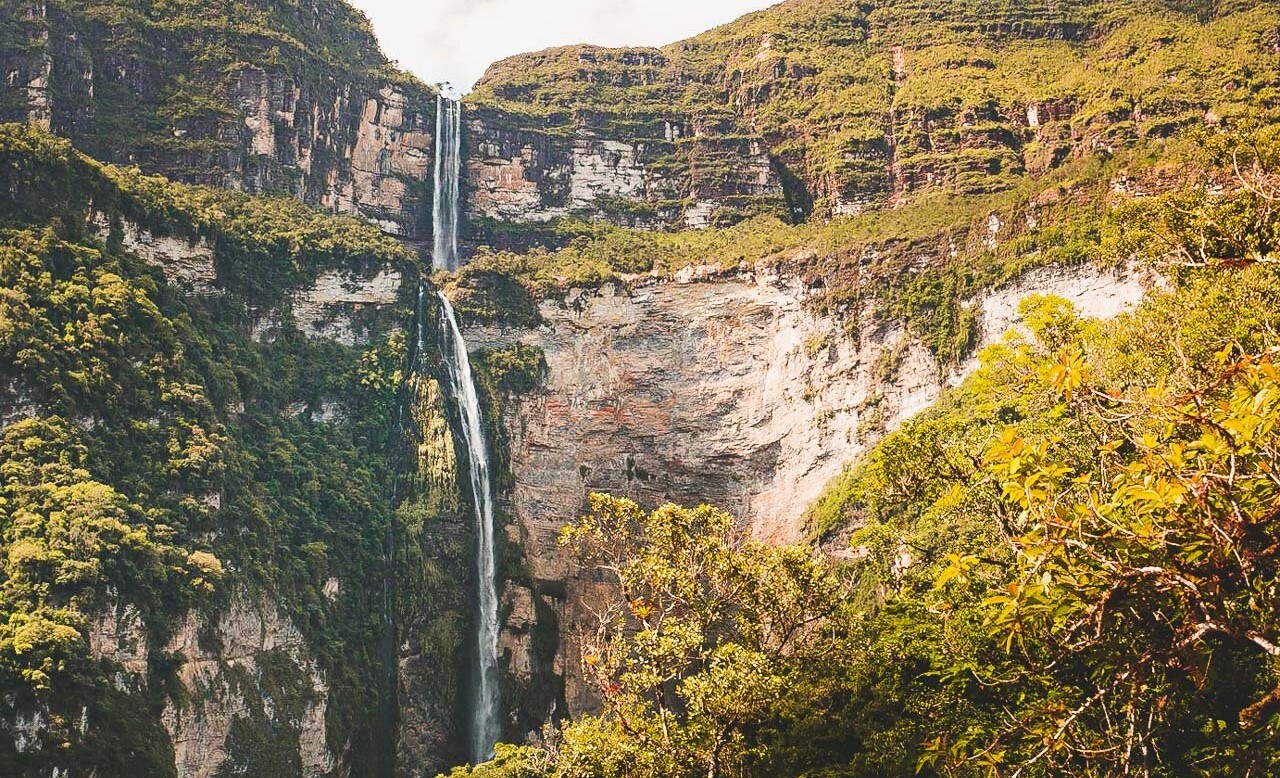 The Kuelap fortress is the most important thing in the area, there are other impressive places to visit nearby:
- Visit the impressive Gocta Waterfall on a full-day tour. Walk to the falls while bird watching for a chance to see the cock-of-the-rock (Peru’s national bird).
- Visit Karajia to see several sarcophagi typical of Chachapoyas funerary traditions. Then, enter the Quiocta Caverns, where you will find interesting rock formations and ancient rock drawings of the Chachapoyas people.
- Visit the Revash Mausoleums and the Leymebamba Museum, where you will find 261 mummies and learn about the Chachapoyas culture.
- Take a day to visit the Huembo Reserve and Pomacochas Lagoon for a chance to see the wonderful endangered paddletail hummingbird and up to 10 other species of native hummingbirds.
Kuelap vs Machu Picchu
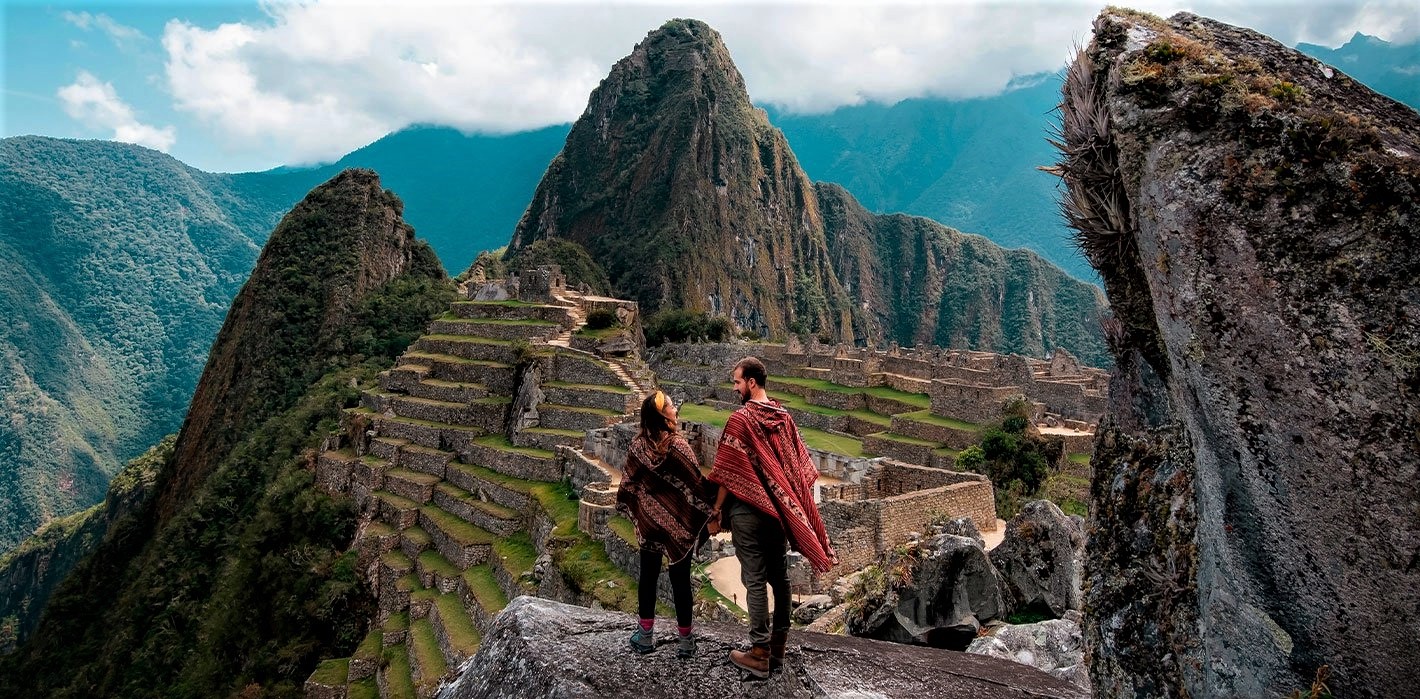 The government authorities of the Chachapoyas region are working hard in the aspect of promoting and increasing the popularity of the Kuelap Fortress. The objective is to make Kuelap the second most visited attraction in Peru, behind Machu Picchu.
But how does Kuelap compare to Machu Picchu, the most famous ruins in Peru and considered one of the 7 new wonders of the world? Both sites are impressive, but they are quite different. From different eras, cultures and regions of Peru, the two sites offer visitors their own distinct experience.
| Comparing Kuelap & Machu Picchu | Kuelap | Machu Picchu |
| Age | Between 900 and 1,100 years old. Some structures are up to 1,500 years old. | About 600 years old |
| Size of the main complex | 1,968 ft (600 m) long, 394 ft (120 m) wide | 1,739 ft (530 m) long, 656 ft (200 m) wide |
| Civilization | Chachapoyas | Inca |
| Location | Amazonas Region | Cusco Region |
| Altitude | 9,800 feet (3,000 m) | 7,970 feet (2,430 m) |
| Visitors per year | About 200,000 | About 1.5 million |
Plan your trip to Kuelap
There are a large number of natural and historical wonders in Chachapoyas (Amazonas), such as the Kuelap fortress, built by the Chachapoyas culture.
Travel through time and get a taste of pre-Inca history on a fully customizable Peru tour package.
