
Maras Salt Mines in the Sacred Valley: Complete Travel Guide
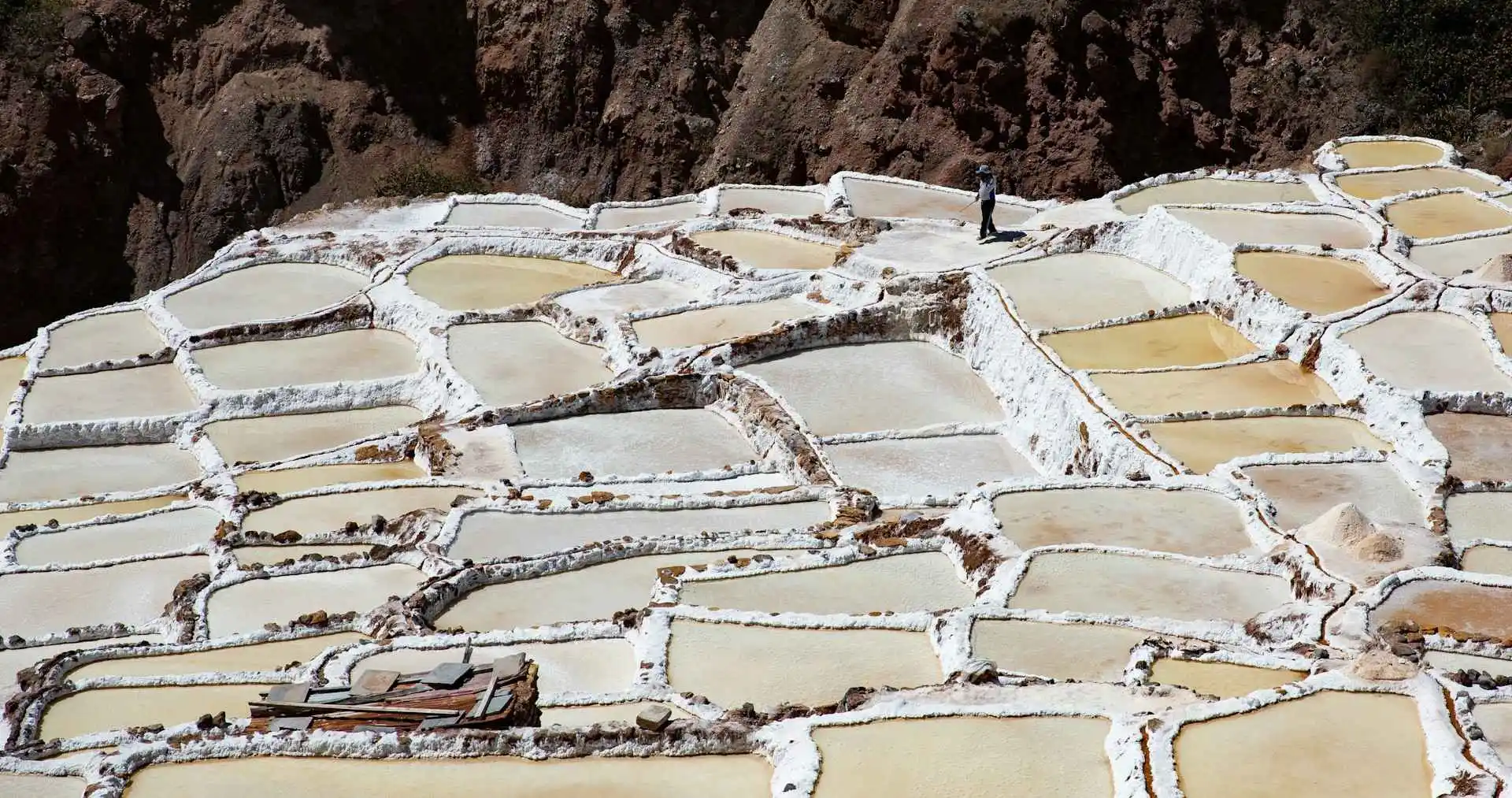 Maras Salt Mines in the Sacred Valley are a system of salt pans that have been used since pre-Inca times. Archaeological evidence suggests that local pre-Inca communities and possibly the Wari civilization originally organized the extraction, which was later expanded and perfected by the Inca.
Nestled in the breathtaking Sacred Valley of the Incas, the Maras salt pans, or Salineras de Maras, are one of the most iconic attractions in Cusco, Peru.
While the valley is famous for its ancient Inca ruins, towering mountains, and vibrant culture, these ancient salt terraces offer a unique glimpse into pre-Columbian engineering and the traditional life of Andean communities.
Strategically dug into the mountainside, thousands of shallow pools fill with salt water that eventually evaporates, leaving behind sparkling crystalized salt—a process that has been practiced for over 500 years.
Location and How to Get There
The Maras salt mines are located near the small town of Maras, approximately 40 km north of Cusco. Visitors can reach the site via:
- Private tours from Cusco or Urubamba (most convenient)
- Public transportation to Maras town followed by a short walk to the salt pans
- Combination tours including Moray terraces and other Sacred Valley attractions
The salt pans are perched on the mountainside, offering panoramic views of the Sacred Valley, and the walking paths are easy to navigate, making it accessible for both adventure travelers and families.
History of the Salt Mines
 The origin of the salt pans dates back to the Wari civilization, which predated the Inca. The Incas later expanded and organized the terraces to optimize salt production and distribution across their empire. Salt was a highly valuable resource, used for preserving food, trading, and religious offerings.
Today, over 3,000 small pans are still operated by local families, each owning and maintaining their own section. The traditional methods have remained unchanged for centuries, offering visitors a living glimpse of Andean heritage.
How Salt Is Harvested
The salt extraction process is a hands-on, sustainable method that has been preserved through generations:
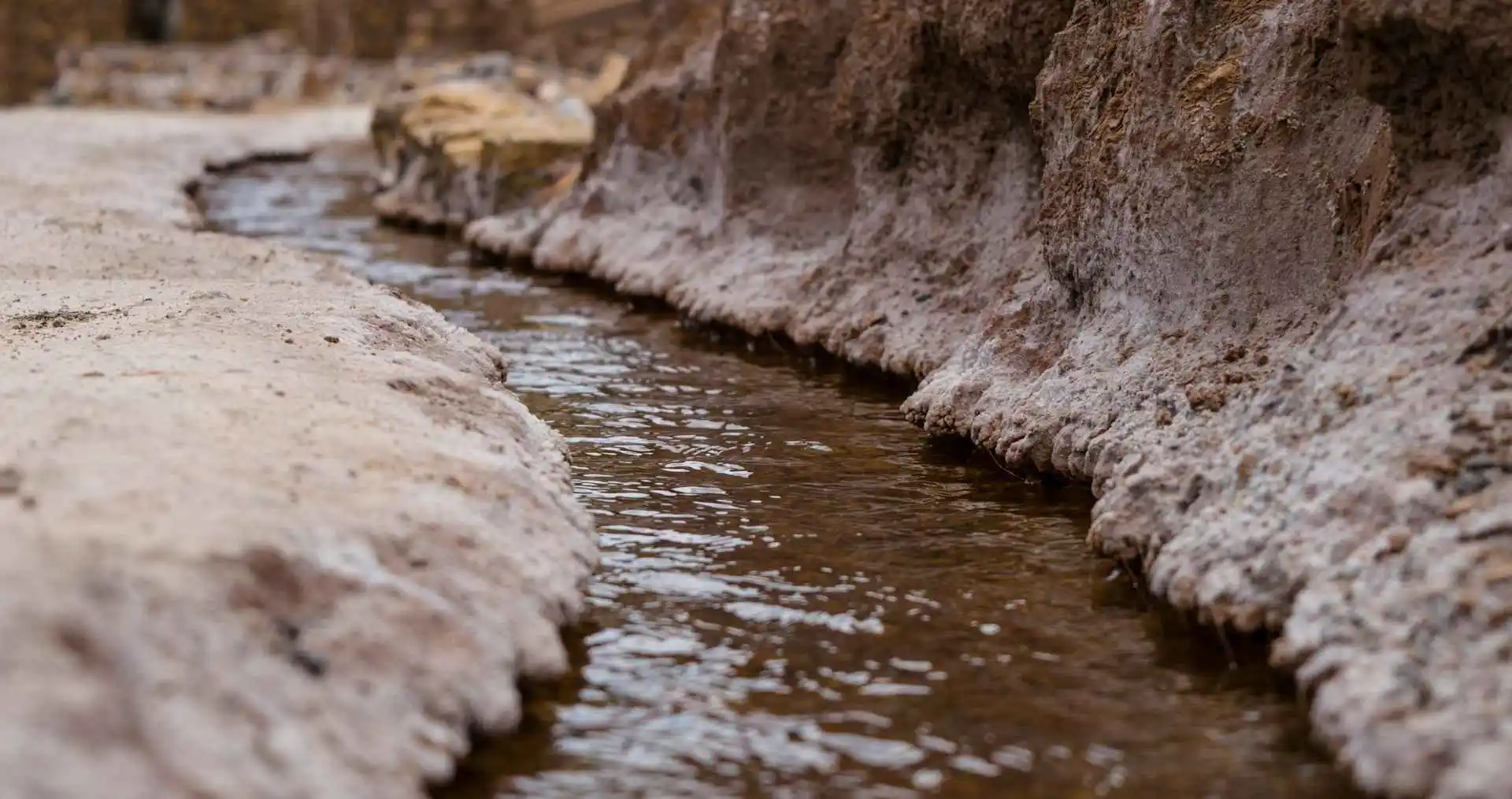
- Brine channels: Saltwater emerges from a subterranean spring enriched with ancient deposits.
- Filling the pans: Water is channeled into the shallow pools.
- Evaporation: The sun evaporates the water, leaving salt crystals behind.
- Scraping: Local workers carefully collect the salt using wooden tools.
- Reuse: Once harvested, the pan is refilled with salt water, continuing the cycle.
The process is eco-friendly and ensures the preservation of both the landscape and local livelihoods.
Properties and Uses of Maras Salt
Maras salt is prized for its rich mineral content, including sodium, calcium, potassium, and magnesium. Unlike refined table salt, it is unprocessed and naturally harvested, giving it a distinctive flavor and texture.
- Culinary use: Enhances dishes with a subtle mineral taste
- Health benefits: Provides natural electrolytes and trace minerals
- Souvenirs: Available in coarse or fine grains, often purchased by travelers to support local families
Best Time to Visit
The dry season (May to September) is ideal for visiting, when the evaporation process is most visible, and the salt terraces shimmer under the sun. Early morning or late afternoon visits provide:
- Softer lighting for photography
- Fewer crowds and a more serene experience
- Opportunities to witness local workers in action
Activities and Nearby Attractions
Visiting Maras is not only about seeing the salt pans. Travelers can also:
- Trek along the terraces for stunning valley views
- Combine visits with Moray archaeological site, famous for its circular agricultural terraces
- Explore local markets in Maras for Andean crafts and products
- Join guided tours that explain the historical and cultural significance of the salt mines
Travel Tips for Visiting Maras Salt Pans
- Clothing: Lightweight layers, sun hat, UV-protective clothing
- Footwear: Comfortable trekking shoes for uneven terrain
- Hydration: Bring water, especially in the dry season
- Photography: Best light in early morning or late afternoon
- Time: Plan for 1–2 hours to explore and take photos
- Respect: Stay on marked paths and support responsible tourism