
The Abode of the Gods in Cusco
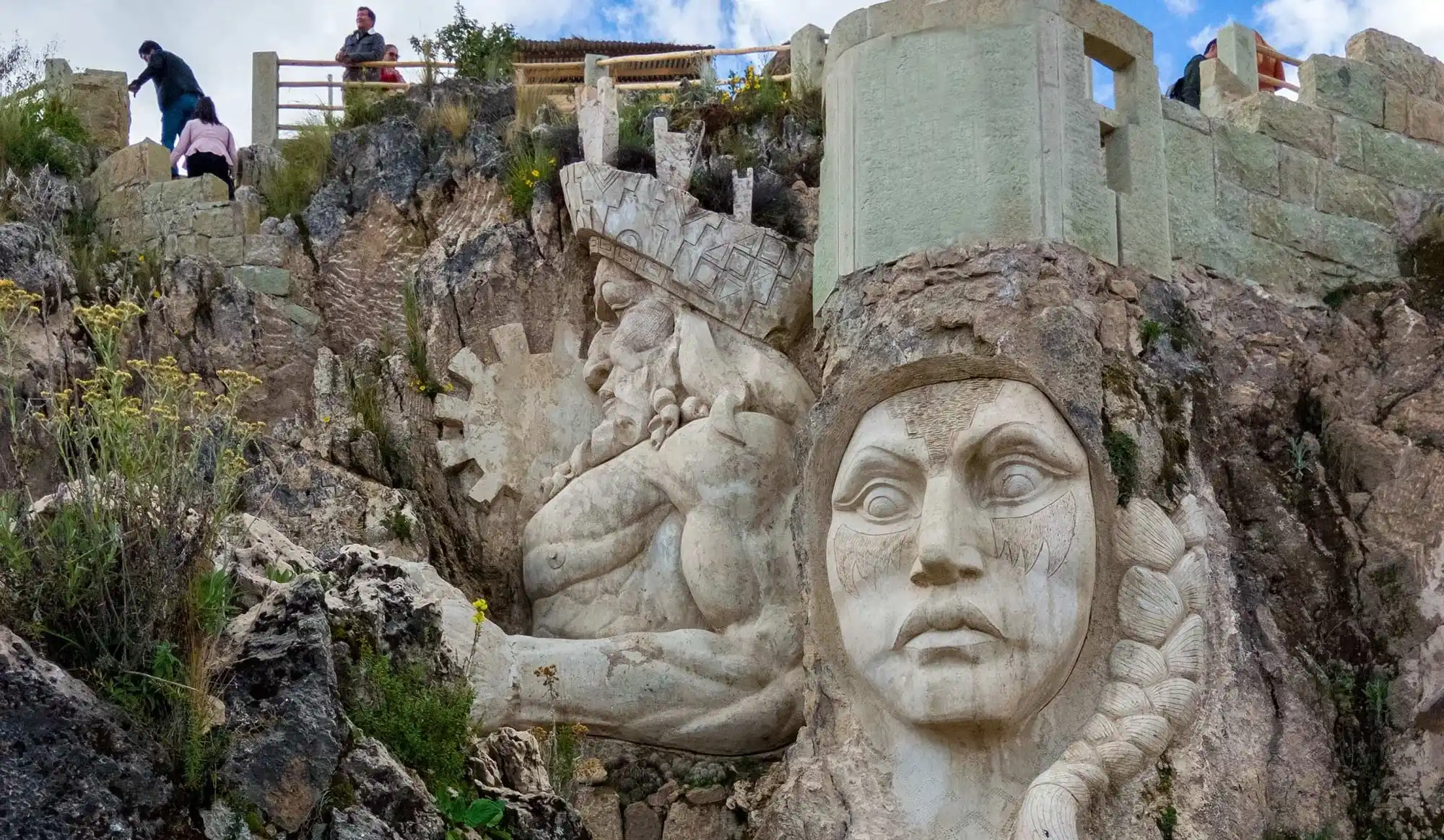 The Abode of the Gods in Cusco, also known as Apukunaq Tianan, is a monumental open-air sculpture park located on the outskirts of Cusco, Peru. This site pays modern homage to ancient Inca gods, cultural legends, and indigenous symbolism, masterfully carved into a natural rock formation.
In this article, you’ll find a practical and detailed guide to help travelers and cultural experts understand what this site is, how to get there, what to expect, and why it’s quickly becoming one of the most attractive half-day trips from Cusco.
Whether you’re planning a short visit or looking to connect with authentic Andean heritage, this guide will make your experience more fluid, meaningful, and a unique experience.
What is the Abode of the Gods in Cusco?
The Abode of the Gods (Apukunaq Tianan) is a sculptural site about 13 kilometers from downtown Cusco. It features enormous rock carvings inspired by Andean cosmology and Indigenous spirituality.
The project is the vision of local sculptor Michael de Titán, who began carving these monumental figures in 2018 as a way to honor the Apus (mountain spirits), Inca ancestors, and mythical beings from Peruvian folklore.
With figures reaching up to 10 meters in height, the site includes representations of:
- The Andean creator god Wiracocha
- Pachamama (Mother Earth)
- The puma, the condor, and the serpent: symbolic animals in Andean mythology
- Inca rulers and guardians of nature
These elements combine to create a visually striking space, full of spiritual symbolism and cultural pride.
Why visit the Abode of the Gods in Cusco?
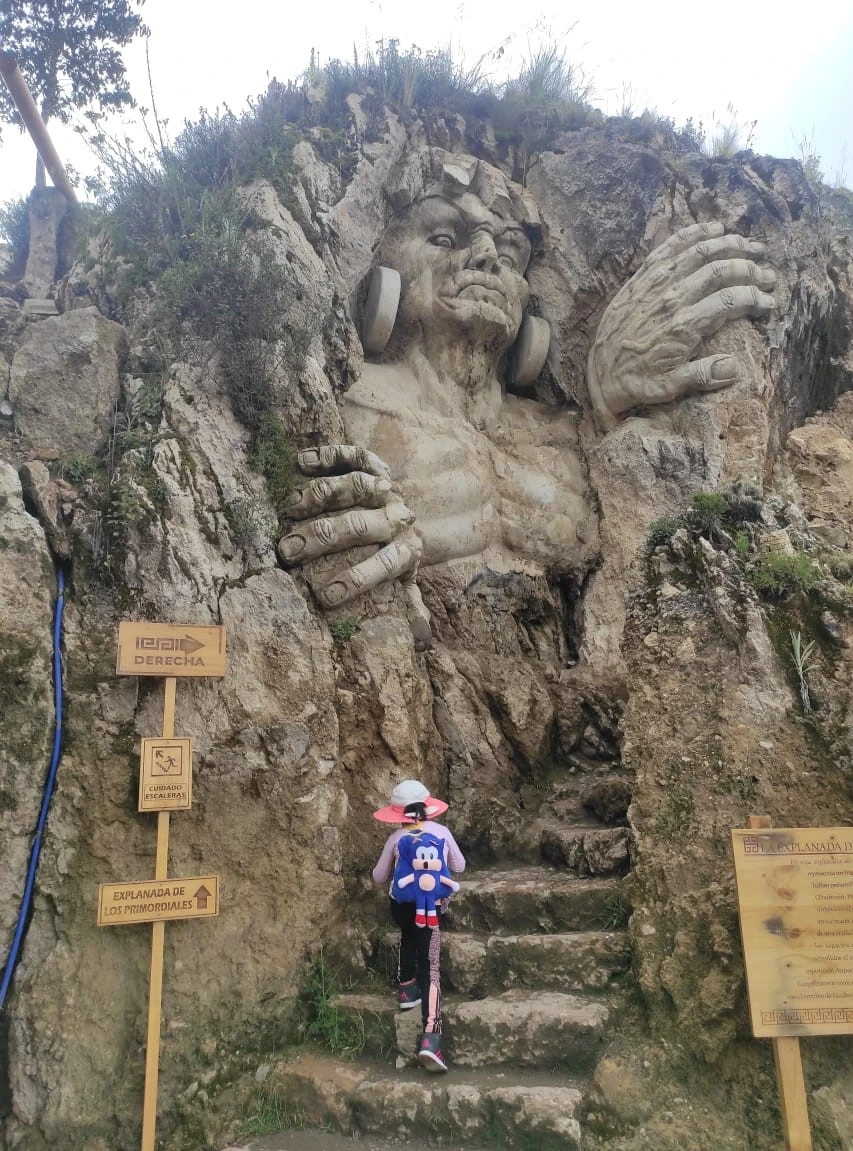
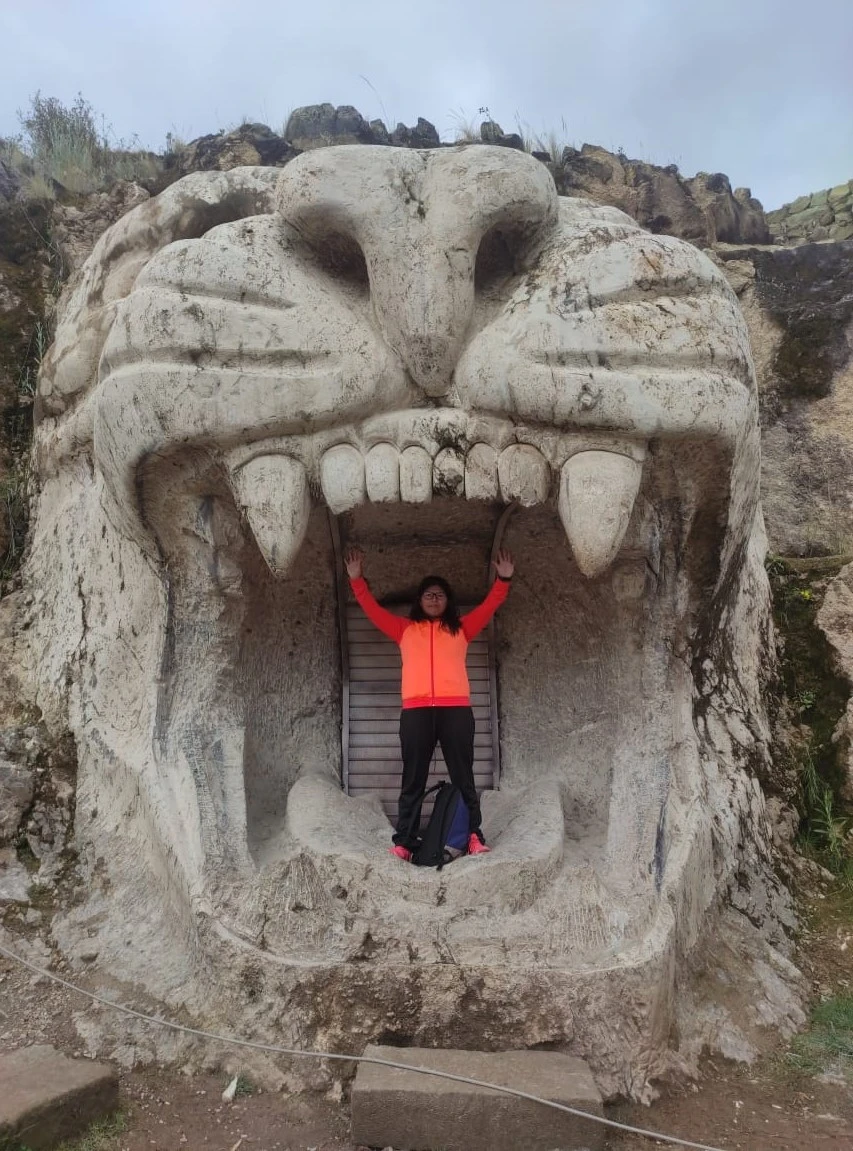
Visiting this beautiful place offers a unique combination of artistic wonders, cultural education, and scenic beauty, all within walking distance of downtown Cusco. Here’s why it’s worth it:
- Cultural depth: Each sculpture tells a story about Andean cosmology.
- Accessibility: Easy access for short visits or half-day tours.
- Photogenicity: A fantastic place for pictures, social media, and souvenirs.
- Atmosphere: A peaceful setting, away from the crowds and at one with nature.
Ideal for travelers looking to connect more deeply with Peru’s indigenous roots without committing to a full-day hike or a long drive.
How to get to the Abode of the Gods from Cusco
The site is located in the Poroy district and can be accessed in several ways:
Private taxi or tour
- Cost: Approx. $15–$25 USD round trip
- Travel time: 30–40 minutes
Ideal for: Convenience, guided experience, and time savings
Public transportation
- Take a minivan or shared bus to Tica Tica or Poroy
- Walk uphill (about 30–40 minutes) or take a motorcycle taxi to the entrance
Budget option
Walking or biking
- For active travelers, hiking or biking are an option
- Scenic route, but requires moderate fitness
What to Expect at the Abode of the Gods
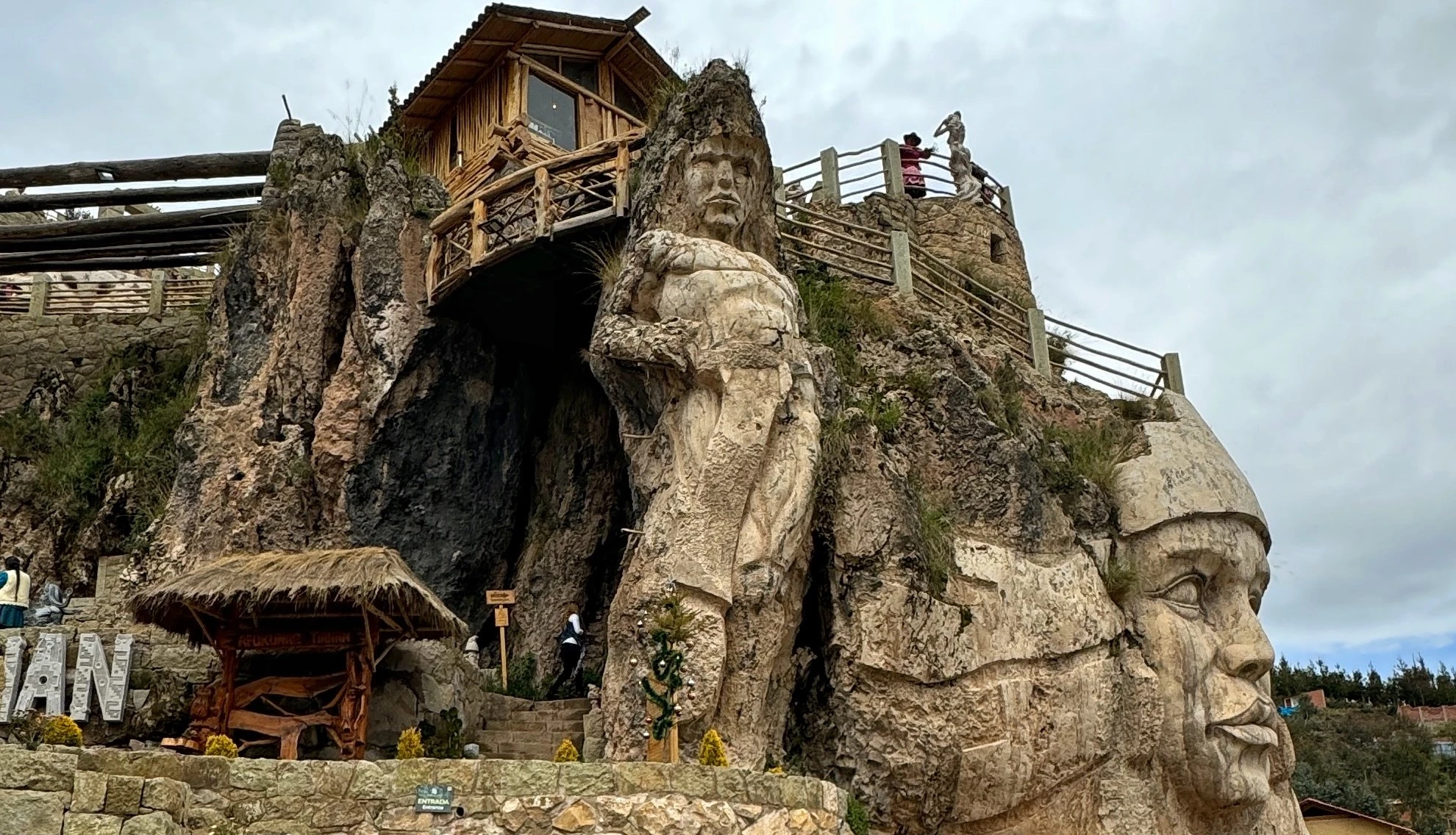 When you visit this site, you’ll walk among vast stone forests in a peaceful natural setting. There are no large crowds, and the experience is immersive and spiritual. Here’s what you’ll find:
- Admission Fee: Around 10 soles (approx. $3 USD)
- Hours: 8:00 a.m. to 5:00 p.m. daily
- Services: Basic services; bring water, snacks, and sunscreen
- Tour Length: 1 to 2 hours is sufficient to explore the site
Be prepared to walk on uneven terrain and wear comfortable shoes.
Best Time to Visit the Abode of the Gods in Cusco
Cusco’s dry season (May to September) is the best time to visit. The skies are clearer and the trails are less muddy. However, early morning or late afternoon visits may offer better lighting for photography and a more serene atmosphere.
Avoid midday if you are sensitive to sun exposure; shade at the site is limited.
Cultural Significance of the Sculptures
Each figure carved in stone has a deep connection to Andean traditions:
- Apus: Mountain spirits who protect people and the earth.
- Pachamama: The goddess or Mother of the Earth, who sustains life and fertility.
- Andean Trilogy: The condor (sky), the puma (earth), and the serpent (underworld) represent balance and duality in life.
These elements create a symbolic path that reflects how the ancient Andeans viewed the universe and their role in it.
Tips for Visiting the Abode of the Gods in Cusco
- Bring cash: Credit card payments are not accepted.
- Hydration: The altitude can affect visitors; drink water frequently.
- Sunscreen and a hat: The sun is strong even on cloudy days.
- Camera or phone: You’ll want to capture the art and scenery.
- Respect the site: It’s a sacred place for many locals.
FAQs
📩 Get in Touch Now | 🌐 Visit Our Website
Si te gustó este artículo y la información que encontraste, ¡regálanos 5 estrellas!
 (Ninguna valoración todavía)
 Loading...