
11 Days in Peru: From the Andes to the Amazon
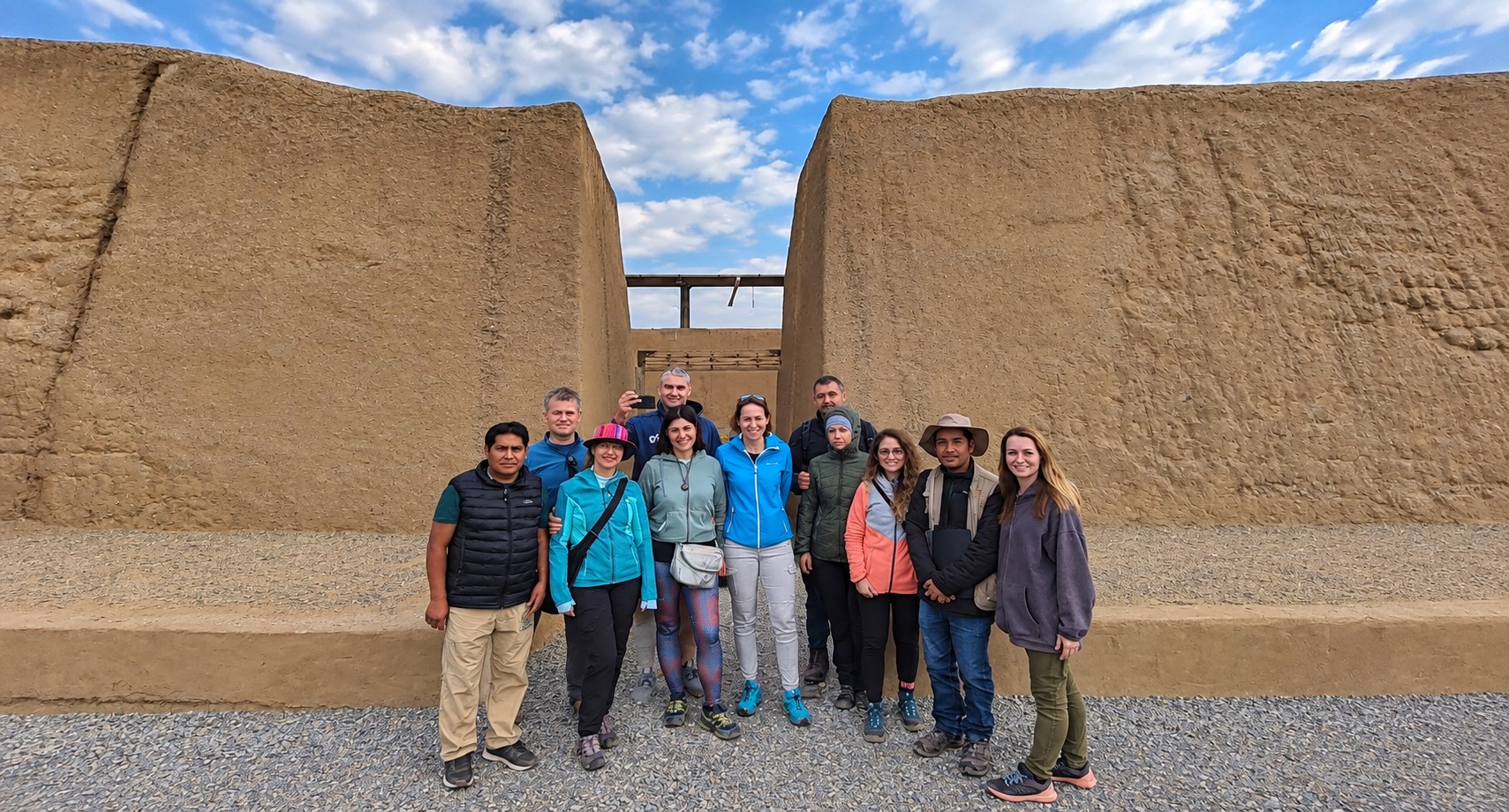 Peru offers an incredible variety of landscapes, cultures, and experiences. 11 Days in Peru: From the Andes to the Amazon brings them together in one unforgettable journey, from the Pacific coast and ancient Inca cities to spectacular mountain scenery, Machu Picchu and the Amazon Rainforest.
From Lima and Cusco to the Sacred Valley, Rainbow Mountain, Maras, Moray, and the Amazon, each destination reveals a different side of Peru.
This journey is ideal for travelers who want to experience more than Machu Picchu while discovering the country’s history, Andean traditions, dramatic landscapes, and extraordinary biodiversity.
Why Spend 11 Days in Peru?
Peru is much more than Machu Picchu. While the Inca citadel is one of the highlights of any first visit, the journey becomes much richer when you have time to experience the destinations surrounding it.
An 11-day trip allows you to combine Lima’s coastal and culinary character with the history of Cusco, the landscapes and communities of the Sacred Valley, the archaeological wonders of the Andes, and the biodiversity of the Amazon.
It also gives you time to experience different elevations and environments instead of rushing from one attraction to another. This is particularly important when visiting Cusco and other high-altitude destinations, where allowing time to acclimatize can make a significant difference to your experience.
Peru in 11 Days at a Glance
Day 1: Arrival in Lima
Day 2: Lima City Tour
Day 3: Lima to Cusco – Cusco City & Inca Sites
Day 4: Sacred Valley – Pisac – Urubamba – Ollantaytambo – Aguas Calientes
Day 5: Machu Picchu – Return to Cusco
Day 6: Free Day in Cusco
Day 7: Rainbow Mountain
Day 8: Maras, Moray & Salt Mines
Day 9: Cusco – Puerto Maldonado – Amazon
Day 10: Amazon Rainforest Exploration
Day 11: Amazon – Lima
This sequence combines cultural discovery, archaeological sites, mountain landscapes, and rainforest experiences in one continuous journey.

Day 1: Arrive in Lima
Your journey begins in Lima, Peru’s coastal capital and an excellent introduction to the country.
After arriving at Lima International Airport, a private transfer takes you to your hotel. Depending on your arrival time, the rest of the day can be used to rest after your international flight or explore part of the city.
Miraflores is a pleasant place to begin your trip, with its Pacific Ocean views, parks, walking paths, and excellent restaurants. It is also a good opportunity to experience Peru’s famous culinary scene before heading into the Andes.
The first day is intentionally relaxed. After a long international journey, having time to rest prepares you for the altitude and active experiences that follow.
Day 2: Discover Lima
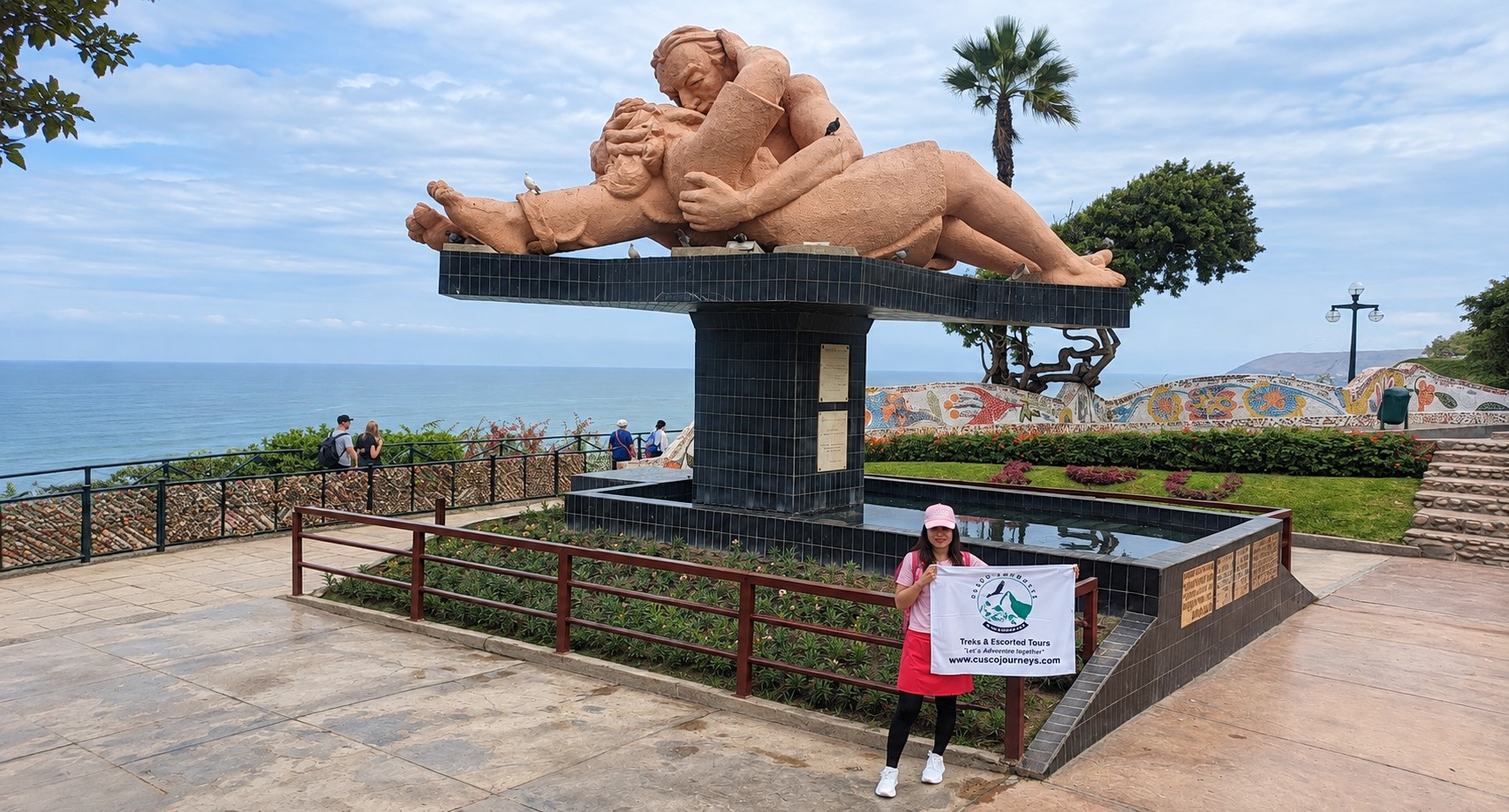
Your second day introduces you to Lima’s combination of colonial history and modern city life. A guided city tour takes you through the Historic Center, where you can discover important landmarks and historic buildings surrounding Plaza Mayor.
The experience can then continue toward modern Lima and the Miraflores area, where ancient history and contemporary life exist side by side.
One of the fascinating aspects of Lima is this contrast. You can explore colonial architecture, encounter traces of Peru’s pre-Inca heritage, and finish the day overlooking the Pacific Ocean.
This makes Lima more than simply a starting point for a trip to Cusco. It gives you your first introduction to Peru’s layered history, culture, and gastronomy.
Day 3: From Lima to Cusco
Today the landscape changes dramatically as you travel from the coast to the Andes. After your flight to Cusco, time is allowed to rest and begin acclimatizing to the altitude before your afternoon exploration.
Cusco was once the capital of the Inca Empire and remains one of the most fascinating cities in South America. Its historic streets reveal layers of Inca and Spanish colonial history.
Your exploration can include Qoricancha, the Temple of the Sun, Cusco Cathedral, and the impressive archaeological sites surrounding the city, including Sacsayhuaman, Q’enqo, Puca Pucara, and Tambomachay.
The day combines sightseeing with time to adjust to the altitude, an important consideration before the higher-altitude experiences later in the itinerary.
Day 4: Sacred Valley, Ollantaytambo and Aguas Calientes
The journey continues into the Sacred Valley of the Incas. Surrounded by dramatic mountains, the valley contains some of the most important archaeological and cultural sites near Cusco.
Your day begins in Pisac, where you can explore its archaeological site and visit the local artisan market. Traditional textiles, alpaca products, jewelry, and handicrafts provide an opportunity to see the continuing importance of Andean craftsmanship.
After lunch in Urubamba, continue to Ollantaytambo.
Ollantaytambo is particularly special because it remains a living Inca town, preserving much of its original urban layout. Its massive terraces and archaeological complex provide an impressive example of Inca engineering.
Later, board the train through the Urubamba Valley toward Aguas Calientes, the gateway to Machu Picchu.
Spending the night here means you are already at the foot of the mountain when it is time to visit one of Peru’s greatest archaeological treasures.

Day 5: Machu Picchu
Today is one of the defining moments of your Peru journey. From Aguas Calientes, travel up to Machu Picchu for a guided exploration of the ancient Inca citadel.
Machu Picchu is remarkable not only because of its location among the mountains, but also because of the precision of its architecture, agricultural terraces, temples, and carefully planned urban areas.
A knowledgeable guide can help put the ruins into context, explaining how the site fits into the wider history and culture of the Inca civilization.
After your visit, return by train and continue to Cusco.
The experience of Machu Picchu is even more meaningful when it forms part of a larger journey through the Andes rather than being treated as an isolated day trip.
Day 6: A Free Day in Cusco
After several active days, having a free day in Cusco gives you time to experience the city at your own pace.
You might explore the narrow streets of San Blas, visit local artisan markets, discover museums, enjoy traditional Peruvian cuisine, or simply take time to appreciate Cusco’s atmosphere.
This day can also be used for optional activities or additional archaeological sites depending on your interests.
Not every day of a well-designed Peru itinerary needs to be filled with scheduled excursions. Having some flexibility allows you to slow down and experience Cusco rather than simply checking another destination off your list.
Day 7: Rainbow Mountain
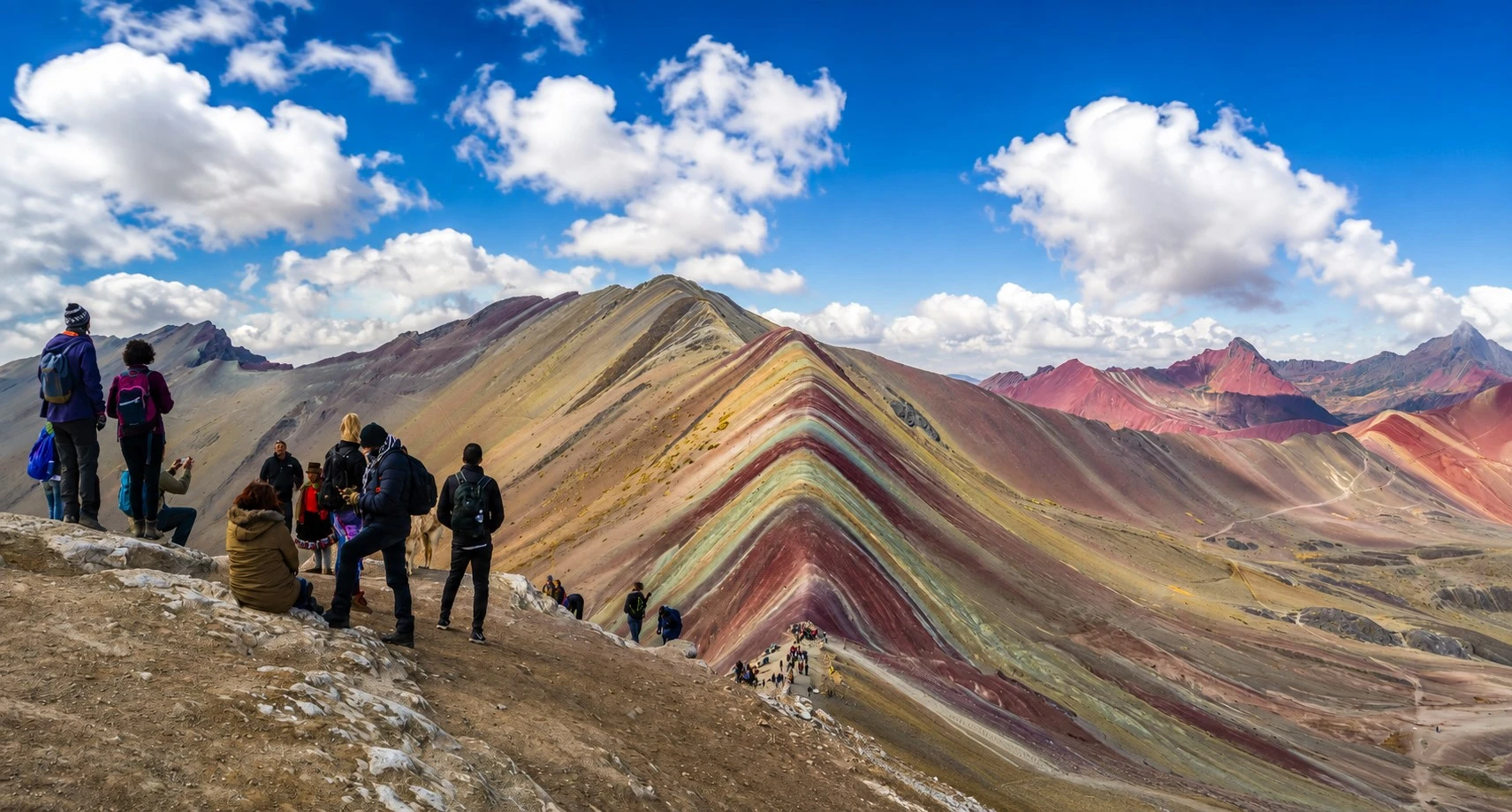
The next day takes you into one of the highest landscapes of the journey. Rainbow Mountain, also known as Vinicunca, is famous for its striking layers of mineral-colored earth and dramatic Andean surroundings.
The experience is very different from Machu Picchu. Here, the attraction is the landscape itself: vast mountain scenery, high-altitude terrain, and an environment that demonstrates the incredible diversity of the Andes.
Because Rainbow Mountain is located at a very high elevation, acclimatization is particularly important. A steady pace, appropriate clothing, sun protection, water, and preparation for rapidly changing mountain weather are essential.
For travelers who want to experience Peru beyond its archaeological sites, Rainbow Mountain adds an entirely different dimension to the journey.
Day 8: Maras, Moray and the Salt Mines
Your journey continues with three distinctive attractions in the Cusco region.
At Moray, enormous circular terraces descend into the earth, creating one of the most unusual archaeological landscapes in the Andes. The site is traditionally associated with agricultural experimentation and demonstrates the Incas’ sophisticated relationship with their environment.
From Moray, continue to the Salt Mines of Maras, where thousands of salt pools cover the mountainside.
These pools are still maintained and harvested using traditional methods, connecting an ancient landscape with living Andean traditions.
Together, Moray and Maras provide an interesting contrast to Machu Picchu. Instead of focusing primarily on monumental architecture, the experience reveals how Andean communities have worked with the landscape for centuries.
Day 9: From the Andes to the Amazon
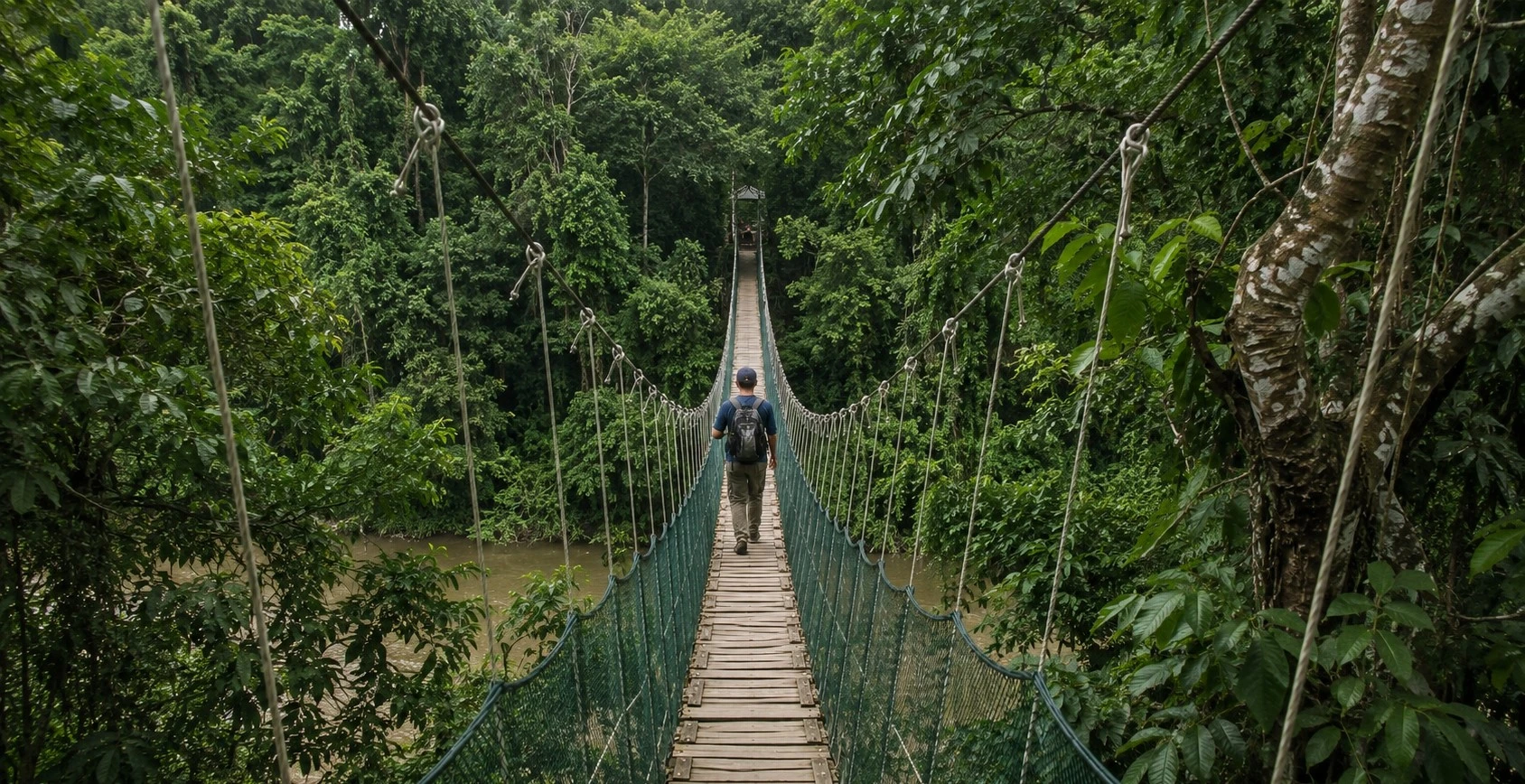
Today the landscape changes once again. After leaving Cusco, travel toward Puerto Maldonado, the gateway to the southern Peruvian Amazon. From here, the journey continues by boat toward your jungle lodge.
Within a short period of time, the high-altitude Andes give way to humid tropical forest, rivers, and dense vegetation. This dramatic transition is one of the most rewarding aspects of combining the Andes and Amazon in one Peru itinerary.
The Amazon experience begins as soon as you travel along the river, with opportunities to observe wildlife and experience the rainforest environment. An evening excursion can also provide a completely different perspective as you search for wildlife along the river.
Day 10: Exploring the Peruvian Amazon
Your full day in the Amazon is dedicated to discovering one of the world’s most biodiverse environments.
A guided excursion takes you deeper into the rainforest, where you can explore waterways and forest trails while looking for wildlife.
Depending on conditions and sightings, you may encounter colorful birds, monkeys, turtles, fish, and other rainforest species.
One of the most important aspects of an Amazon experience is understanding that wildlife encounters cannot be guaranteed. The rainforest is a living environment and part of the adventure is exploring it with an experienced local guide who knows how to interpret its sounds, tracks, vegetation, and waterways.
Rather than simply visiting a viewpoint, you spend time immersed in the ecosystem itself.
Day 11: Amazon Wildlife and Return to Lima
Your final morning provides one last opportunity to experience the Amazon before returning to Lima. An early visit to a parrot clay lick offers the chance to observe colorful macaws and parrots gathering at the clay deposits.
After returning to Puerto Maldonado, fly back to Lima, marking the end of a journey that has taken you from the Pacific coast to the high Andes and finally into the Amazon rainforest.
Why Combine the Andes and the Amazon?
One of the greatest advantages of an 11-day Peru journey is the contrast between the Andes and the Amazon. These two regions offer completely different landscapes, cultures, climates, and experiences, allowing travelers to discover a much broader side of Peru in one trip.
The Andes |
The Amazon |
|---|---|
| Ancient Inca history | Extraordinary biodiversity |
| Machu Picchu and archaeological sites | Rainforest, rivers, and lakes |
| High-altitude mountain landscapes | Tropical forests and waterways |
| Traditional Andean communities | Wildlife and jungle ecosystems |
| Cusco and the Sacred Valley | Puerto Maldonado and the Amazon |
| Inca culture and architecture | Guided rainforest and wildlife experiences |
Experiencing both regions creates a natural contrast throughout the journey. The Andes reveal Peru’s history, archaeology, mountains, and living traditions, while the Amazon introduces a completely different environment shaped by rainforest, rivers, and wildlife.
Experience |
What Makes It Special |
|---|---|
| Cusco & Sacred Valley | Explore the heart of the Inca world and experience living Andean culture. |
| Machu Picchu | Discover Peru’s most iconic archaeological site surrounded by dramatic mountains. |
| Rainbow Mountain | Experience spectacular high-altitude scenery in the Andes. |
| Maras & Moray | Discover distinctive Inca and traditional Andean landscapes. |
| Amazon Rainforest | Explore a completely different ecosystem and look for wildlife with local guides. |
This combination is what makes an 11-day Peru journey so diverse. Instead of spending the entire trip in one region, travelers experience the country from its high mountain landscapes to its tropical rainforest.
Is 11 Days Enough to Visit Peru?
Yes, for a well-planned first trip, 11 days can provide an excellent introduction to Peru.
You will not see every region of the country in 11 days, but you can experience several of its most important cultural and natural highlights without trying to fit everything into one itinerary.
This journey focuses on destinations that complement one another: Lima, Cusco, the Sacred Valley, Machu Picchu, Rainbow Mountain, Maras and Moray and the Amazon.
The key is organization. Domestic flights, trains, transfers, guided excursions, and accommodations need to work together so that you spend your time experiencing Peru rather than worrying about logistics.
How Difficult Is an 11-Day Peru Trip?
The overall journey is moderately active, but it is not a continuous trekking trip.
Most days involve sightseeing, walking, transportation, and guided excursions. The more physically demanding experience is Rainbow Mountain because of its high elevation.
The altitude around Cusco and Rainbow Mountain deserves special attention. Taking time to acclimatize, staying hydrated, walking at a comfortable pace, and listening to your body are important parts of preparing for the journey.
The Amazon presents a different type of activity, with jungle walks, boat excursions, and wildlife observation.
The itinerary therefore combines active days with more relaxed periods, including free time in Cusco.
What Should You Pack for 11 Days in Peru?
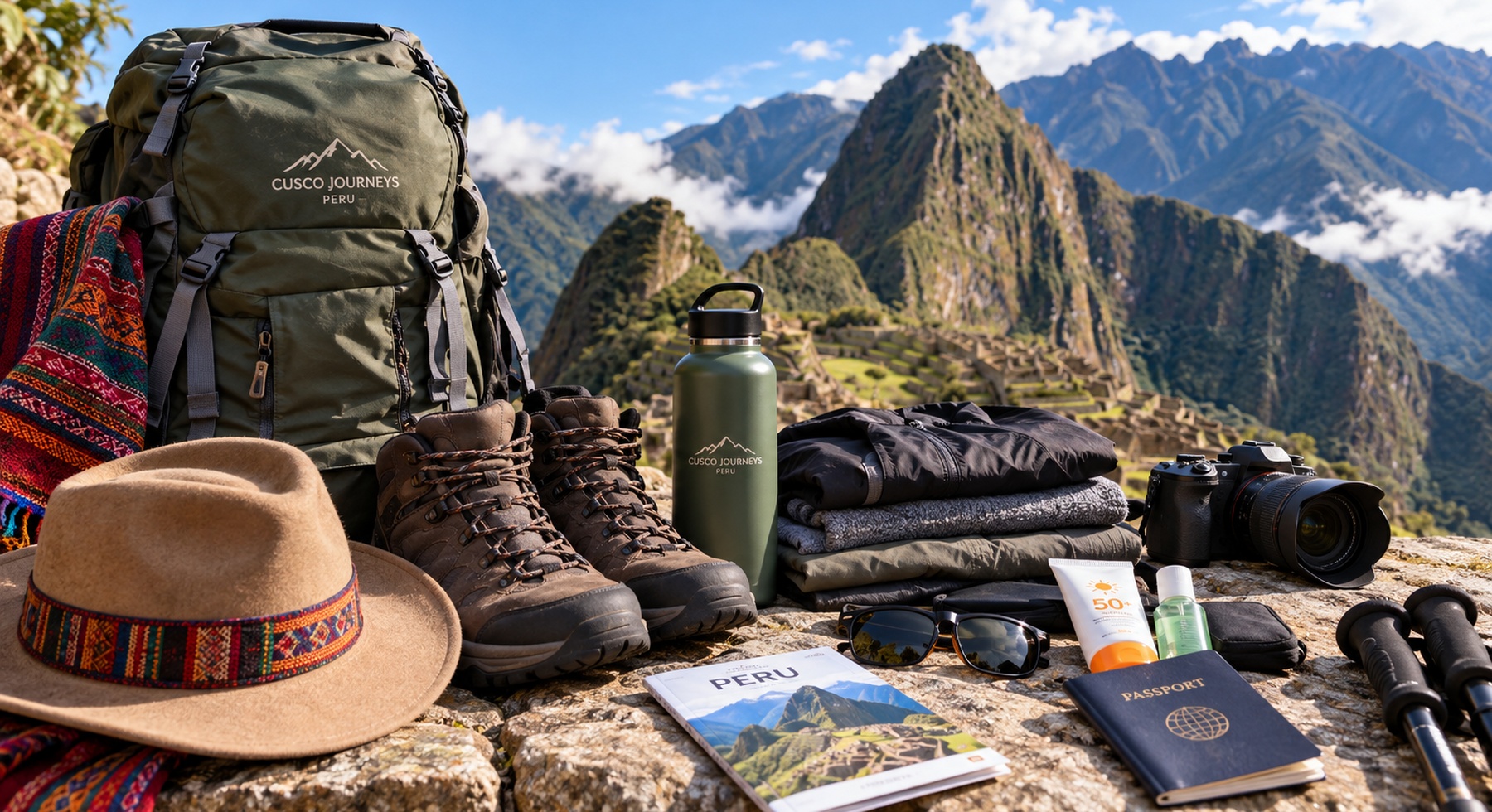 Because this journey crosses several climates and elevations, layers are essential.
For Lima, comfortable clothing is generally sufficient, while Cusco and the high Andes require warmer layers, especially in the early morning and evening.
For Rainbow Mountain, bring warm clothing, gloves, a hat, comfortable trekking shoes, sun protection, and protection against possible rain or wind.
For the Amazon, lightweight breathable clothing, comfortable footwear, insect repellent, sun protection, and a rain jacket are more appropriate.
A small daypack is also useful for excursions, allowing you to carry water, personal items, extra layers, and other essentials without carrying your main luggage everywhere.
When Is the Best Time to Take This Peru Journey?
The best time depends partly on what you want to experience.
The dry season generally offers more favorable conditions for trekking and exploring the Andes, with clearer skies and less frequent rain. The Amazon, however, has its own climate and remains a year-round destination.
The rainy season can bring more unpredictable conditions in the Andes, but it also produces greener landscapes and can offer a different atmosphere with fewer visitors.
Rather than choosing a month based on one destination alone, it is better to consider the complete itinerary and the different environments you will experience.
Altitude and Acclimatization in Peru
Altitude is an important consideration when traveling through Cusco and the surrounding Andes.
Cusco is located at a high elevation, while destinations such as Rainbow Mountain are considerably higher. For this reason, it is important to give your body time to adjust before taking on strenuous activities.
A slower first day, plenty of water, adequate rest, and a gradual increase in physical activity can help you adapt more comfortably.
This is one reason why a well-planned itinerary is so important. The order of activities can make a significant difference to how you experience the Andes.
Can This 11-Day Peru Journey Be Customized?
Yes. One of the advantages of planning a trip with a local travel company is the ability to adapt the experience to your interests and travel style.
Some travelers may want more time in Cusco. Others may prefer additional trekking, a different Machu Picchu experience, more time in the Amazon, or different hotel categories.
The itinerary can also be adapted depending on your preferred level of comfort, private or small-group services, and the experiences you want to prioritize.
Experience Peru from the Andes to the Amazon
An 11-day journey through Peru can be much more than a visit to Machu Picchu.
It can begin with the flavors and history of Lima, continue through the streets of Cusco and the valleys of the Incas, reach the mountains surrounding Rainbow Mountain, reveal the ingenuity of Maras and Moray, and finish deep in the Amazon rainforest.
That contrast is what makes Peru such a remarkable destination.
From the Andes to the Amazon, 11 days can take you through an extraordinary variety of landscapes, cultures, wildlife, and history all within one unforgettable journey.
Ready to Experience Peru in 11 Days?
Explore our Peru Travel 11 Days / 10 Nights itinerary and discover how we bring together Lima, Cusco, the Sacred Valley, Machu Picchu, Rainbow Mountain, Maras, Moray and the Amazon in one carefully planned journey.