
Pisaq Market
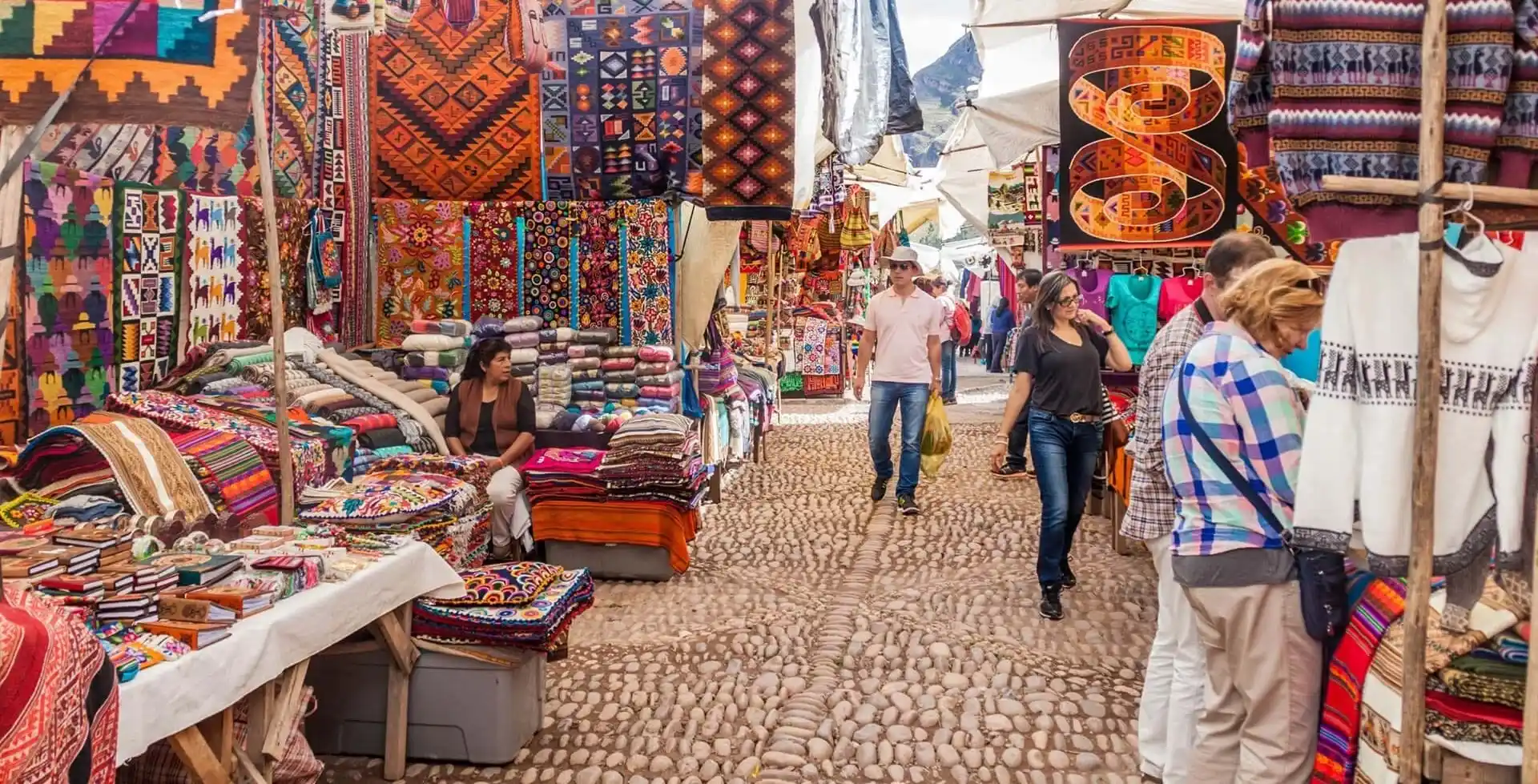 Visiting the Pisaq Market is not just about shopping; it is truly immersing yourself in an ancestral cultural experience, where history, art, and daily life of the Sacred Valley intertwine. Located just 45 minutes from the city of Cusco, this market is a must-stop on any tour of the Sacred Valley of the Incas.
Here you can find everything from handcrafted artisan goods made with ancient techniques to fresh food and typical Peruvian dishes. Its value lies in being a living meeting point between communities, visitors, and traditions, in a warm and colorful environment that invites you to stay.
What is the Pisaq Market?
The Pisaq Market is one of the most important supply centers in Cusco and one of the most recognized in Peru, as this market still preserves the traditions and customs from the Inca period.
It operates every day but reaches its peak on Tuesdays, Thursdays, and Sundays when it transforms into a wholesale and retail market, bringing together merchants, farmers, and artisans from various parts of the Sacred Valley and surrounding areas.
In its origins, during the Inca period, this market was established as a space for exchange between indigenous communities. Today, it is an artisan fair that not only retains this commercial function but has also become a leading tourist attraction.
Where is the market located?
The market is located in the main square of the town of Pisaq, just a few meters from the main road connecting to the city of Cusco. It is an accessible location for both those traveling independently and those taking an organized tour.
How to get to the Pisaq Market?
There are several ways to get there from Cusco:
- Public transport: Colectivos, buses, and minivans leave from Puputi Street towards Pisaq. The cost ranges from 4 to 7 soles per person. The journey takes approximately 50 minutes.
- Private taxi: A more comfortable option, but more expensive. The price is around 70 soles.
- Guided tour: Most tours of the Sacred Valley include a visit to the market along with other stops like Ollantaytambo, Urubamba, and Chinchero.
What can you find at the Pisaq Market?
Handicrafts and Textiles
- Garments made from alpaca wool: ponchos, chullos, scarves, gloves, etc.
- Andean-designed bags, backpacks, and purses.
- Decorative tapestries and traditional blankets.
- Handmade silver jewelry by local artisans.
- Andean musical instruments, ceramics, masks, and utensils.
Local Cuisine
- Typical dishes like ceviche, roasted guinea pig, lomo saltado, fried trout, and papa a la huancaína.
- Cheese and sweet potato empanadas.
- Traditional drinks such as chicha de jora and frutillada, both made from fermented corn.
Fruits and Vegetables
- Fresh produce grown in the valley: potatoes, oca, quinoa, white corn, blueberries, fava beans, among others.
- Many of these ingredients are typical of the Andean diet and difficult to find outside of Peru.
How much does it cost to visit the market?
- Entry: Free.
- Product prices: Vary depending on the type of item. It is recommended to haggle politely, as it is part of the local culture.
- Full Sacred Valley tour: From 70 USD per person, including transportation, a guide, and entrance fees to archaeological sites.
Other Tourist Attractions in Pisaq
1.- Pisaq Archaeological Site
An imposing Inca citadel built on top of a mountain, with temples, terraces, towers, and ancient cemeteries. The entrance is included in the Cusco Tourist Ticket.
2.- Felipe Marín Moreno Botanical Garden and Cactus Garden
A space dedicated to Andean flora, especially cacti, orchids, and medicinal plants. It also includes a small exhibition of local butterflies and insects.
 Pisaq Market Opening Hours
- Every day: From 8:00 AM to 5:00 PM.
- Most crowded day: Sunday (expanded market with the presence of rural communities).
Tips for Enjoying Your Visit
- Bring comfortable and warm clothing, as temperatures drop in the afternoon.
- Don’t miss the traditional drinks and local dishes.
- Haggle respectfully: It’s part of the cultural exchange.
- Compare prices at several stands before buying.
- Some shops accept dollars and credit cards, but it’s better to bring cash in Peruvian soles.
Frequently Asked Questions about the Pisaq Market
📩 Get in Touch Now | 🌐 Visit Our Website