
Inca Trail vs Salkantay vs Choquequirao: Which Trek Is Right for You?
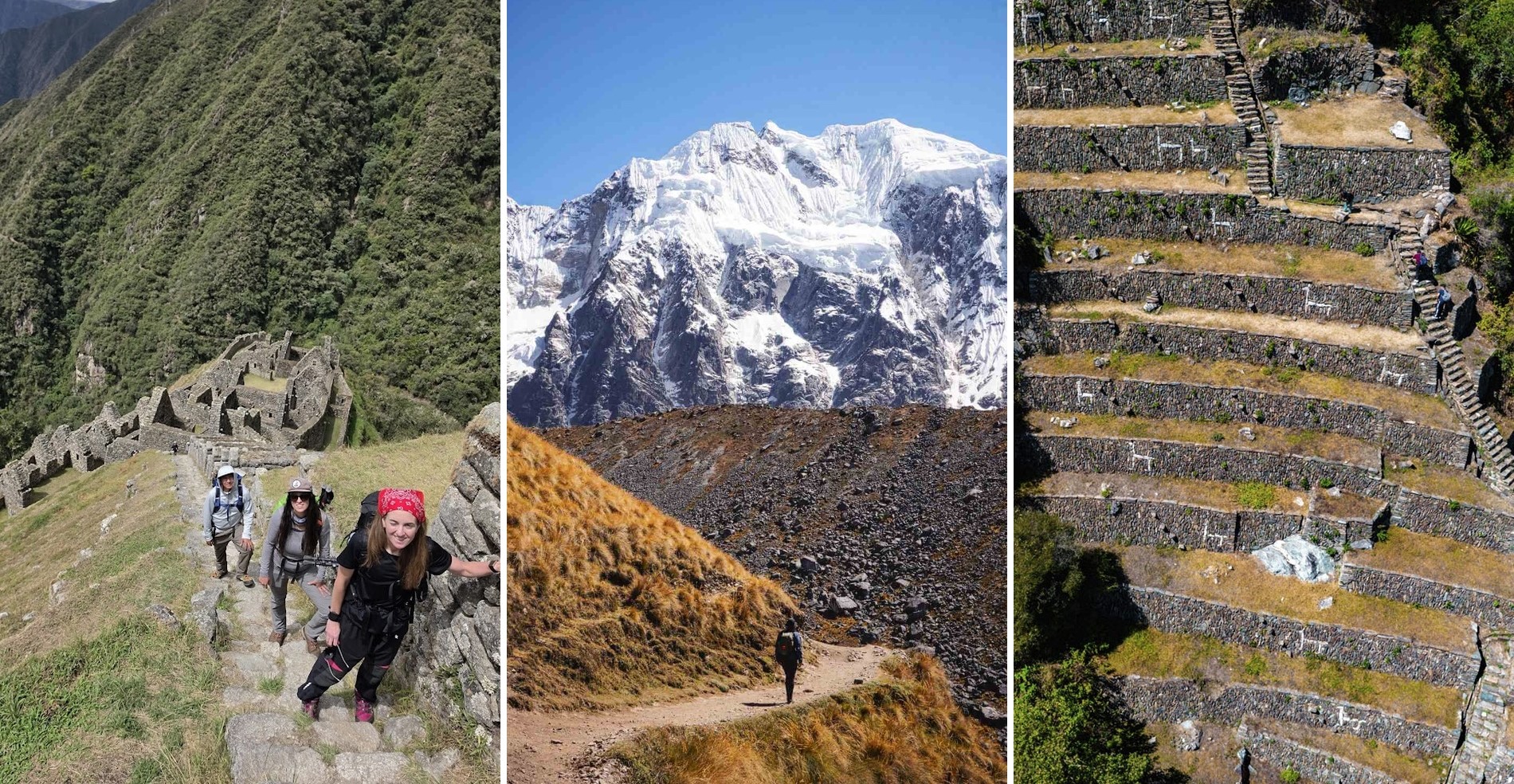 Inca Trail vs Salkantay vs Choquequirao is a common comparison for travelers planning a trek in Cusco. All three routes offer spectacular mountain scenery, challenging trails, and the opportunity to experience the Andes beyond the usual tourist routes, but each one offers a very different experience.
Choosing between these three treks depends on what you want from your journey. Do you want to arrive at Machu Picchu through the Sun Gate? Would you rather cross high mountain landscapes and descend into the cloud forest? Or are you looking for a remote archaeological adventure with fewer travelers?
This guide compares the three routes by scenery, difficulty, altitude, archaeological sites, duration, permits, Machu Picchu access, and overall trekking experience, helping you decide which option best fits your trip to Peru.
Inca Trail vs Salkantay vs Choquequirao at a Glance
Before looking at each trek in detail, this quick comparison gives you an idea of how the three routes differ.
Feature |
Inca Trail |
Salkantay Trek |
Choquequirao Trek |
|---|---|---|---|
| Main attraction | Inca history and Machu Picchu | Mountain scenery and changing landscapes | Remote Inca ruins and wilderness |
| Machu Picchu | Yes | Yes | Not on the classic route |
| Typical duration | 4 days / 3 nights | 4–5 days | 4–5 days |
| Highest point | Around 4,215 m / 13,828 ft | Around 4,630 m / 15,190 ft | Around 3,100 m / 10,170 ft |
| Permit | Required | No Inca Trail permit | No Inca Trail permit |
| Difficulty | Challenging | Challenging | Very challenging |
| Archaeological sites | Excellent | Some sites | Excellent |
| Landscape | Mountains, cloud forest and Inca ruins | High mountains, valleys and cloud forest | Canyon, mountains and archaeological landscapes |
| Crowds | Controlled access | More flexible and variable | Generally much quieter |
| Classic finish | Sun Gate and Machu Picchu | Aguas Calientes and Machu Picchu | Choquequirao and return to Cachora |
Important: Distances, camps and itineraries can vary depending on the specific route and operator.
The Inca Trail to Machu Picchu
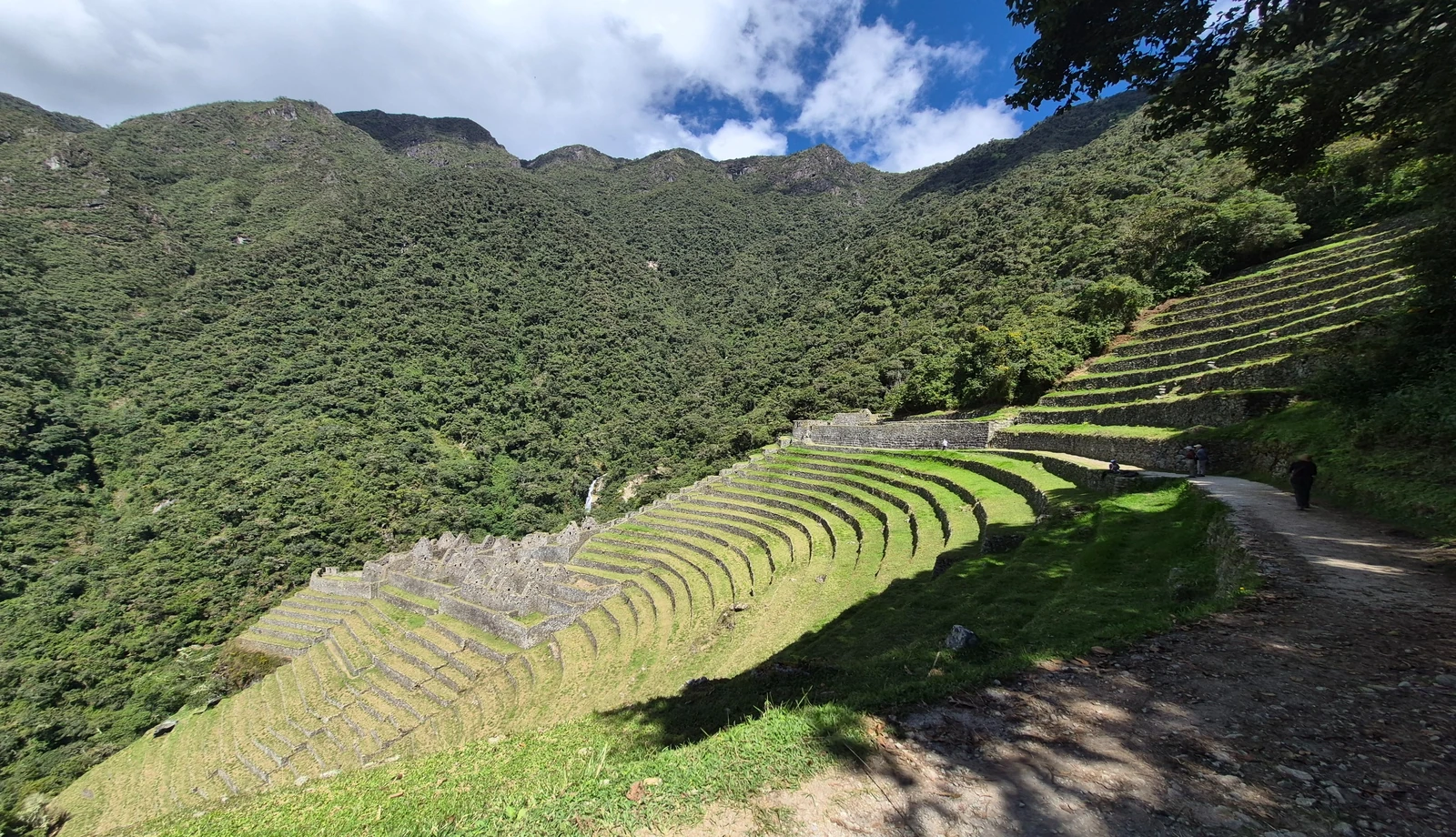 The Classic Inca Trail is the most famous trekking route to Machu Picchu and one of the most historically significant hiking experiences in Peru.
The traditional four-day route starts around Kilometer 82 and follows ancient stone paths through several ecosystems before reaching Machu Picchu. Along the way, trekkers pass archaeological sites such as Runkurakay, Sayacmarca, Phuyupatamarca and Wiñay Wayna before reaching Intipunku, the Sun Gate.
The route is part of the protected network of Inca Trails within the Historic Sanctuary of Machupicchu. Access is strictly regulated, and the classic route requires a reservation through an authorized operator.
Current official tourism information indicates a daily limit of 500 people for the Inca Trail routes, including tourists and support staff. The trail also closes every February for maintenance and conservation work.
What makes the Inca Trail special?
The biggest difference is the way you arrive at Machu Picchu.
Instead of approaching the archaeological site by train and then bus, trekkers on the Classic Inca Trail enter through Intipunku, the Sun Gate. This gives the journey a strong historical connection with the ancient route and makes the trek itself an important part of the Machu Picchu experience.
The archaeological sites along the trail are another major attraction. The route combines hiking with history, so you are not simply walking through the mountains. You are also exploring an ancient landscape connected to the Inca road system.
What should you know before choosing the Inca Trail?
The Inca Trail requires advance planning because the number of daily spaces is limited. This is especially important if you are traveling during the busier months.
The route also reaches approximately 4,215 meters at Dead Woman’s Pass, so altitude should be taken seriously. Physical fitness helps, but acclimatization is also important because altitude affects people differently.
If your priority is history, archaeology and arriving at Machu Picchu through the Sun Gate, the Inca Trail offers a very specific experience that the other routes do not replicate.
The Salkantay Trek
The Salkantay Trek offers a very different experience.
Instead of following an ancient Inca road toward Machu Picchu for most of the journey, the route crosses some of the most dramatic mountain landscapes in the Cusco region before descending toward warmer valleys and eventually reaching Machu Picchu.
One of the highlights is the Salkantay Pass, which reaches approximately 4,630 meters above sea level. The scenery changes considerably throughout the trek, from high-altitude mountain environments to greener landscapes at lower elevations.
What makes the Salkantay Trek special?
The variety of landscapes is one of its biggest attractions.
Depending on the itinerary, you can experience:
- Snow-covered mountain peaks
- Humantay Lake
- High-altitude valleys
- Salkantay Pass
- Cloud forest
- Coffee and fruit-growing areas
- Views of the surrounding Andes
- Machu Picchu at the end of the journey
This constant change makes the Salkantay Trek feel like a journey through several different environments rather than one continuous type of landscape.

Does Salkantay require a permit?
The Salkantay Trek does not use the same limited Inca Trail permit system.
That gives travelers more flexibility when choosing a departure date. However, this does not mean that the trek should be planned at the last minute without considering availability, accommodation, transportation and Machu Picchu entrance tickets.
The Machu Picchu visit at the end of the trek is still subject to the official visitor regulations and available entrance routes. The current Machu Picchu system is organized into three main circuits and ten routes.
What should you know before choosing Salkantay?
The Salkantay Pass is higher than the highest point on the Classic Inca Trail.
That does not automatically mean that every traveler will find Salkantay harder, because difficulty also depends on the daily distance, terrain, weather, acclimatization and individual experience. However, you should be comfortable with long hiking days and significant elevation changes.
If your priority is dramatic mountain scenery, landscape variety and a trek to Machu Picchu without the limited Inca Trail permit system, Salkantay is worth considering.
The Choquequirao Trek
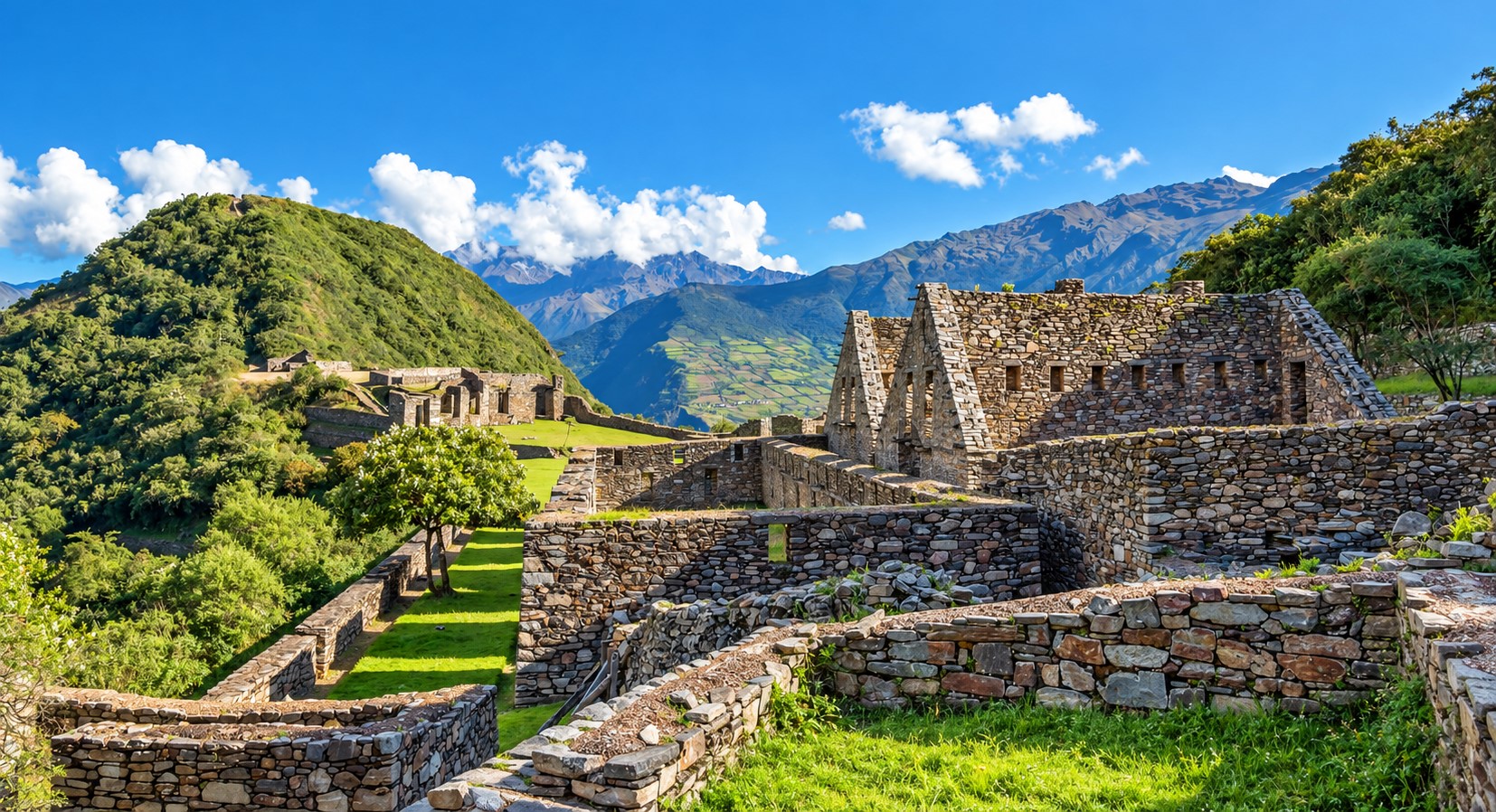 Choquequirao offers perhaps the most remote experience of these three routes.
Located above the Apurimac Canyon, the archaeological complex of Choquequirao can only be reached after a demanding trek. The classic route usually starts near Cachora and involves a major descent toward the Apurimac River followed by a steep climb toward the archaeological site.
Unlike the Inca Trail and Salkantay, the classic Choquequirao Trek does not finish at Machu Picchu.
What makes Choquequirao special?
The biggest difference is the feeling of remoteness.
The route takes you away from the busiest trekking corridors around Cusco and into a much more isolated Andean environment.
The archaeological complex is extensive, with terraces, plazas, ceremonial areas and other structures spread across the mountainside.
For travelers who enjoy archaeology but want an experience that feels more remote, Choquequirao offers something very different from the traditional Machu Picchu journey.
Is Choquequirao difficult?
Yes, and the difficulty should not be underestimated.
The challenge comes less from extreme altitude than from the steep elevation changes.
The route descends deeply into the Apurimac Canyon and then climbs again toward Choquequirao. You also need to consider heat in the lower sections, uneven terrain and long hiking days.
For this reason, Choquequirao is better suited to travelers who are comfortable with demanding multi-day hikes.
Is Choquequirao open?
The route has experienced temporary closures related to safety and maintenance.
In 2026, the Ministry of Culture announced a temporary suspension beginning February 1 because of adverse weather conditions and vulnerable sections of the access route. The Capuliyoc–Cachora route was subsequently scheduled to reopen from April 15 after maintenance and safety work.
For future departures, travelers should always confirm current route conditions before traveling.
Inca Trail vs Salkantay vs Choquequirao by Difficulty
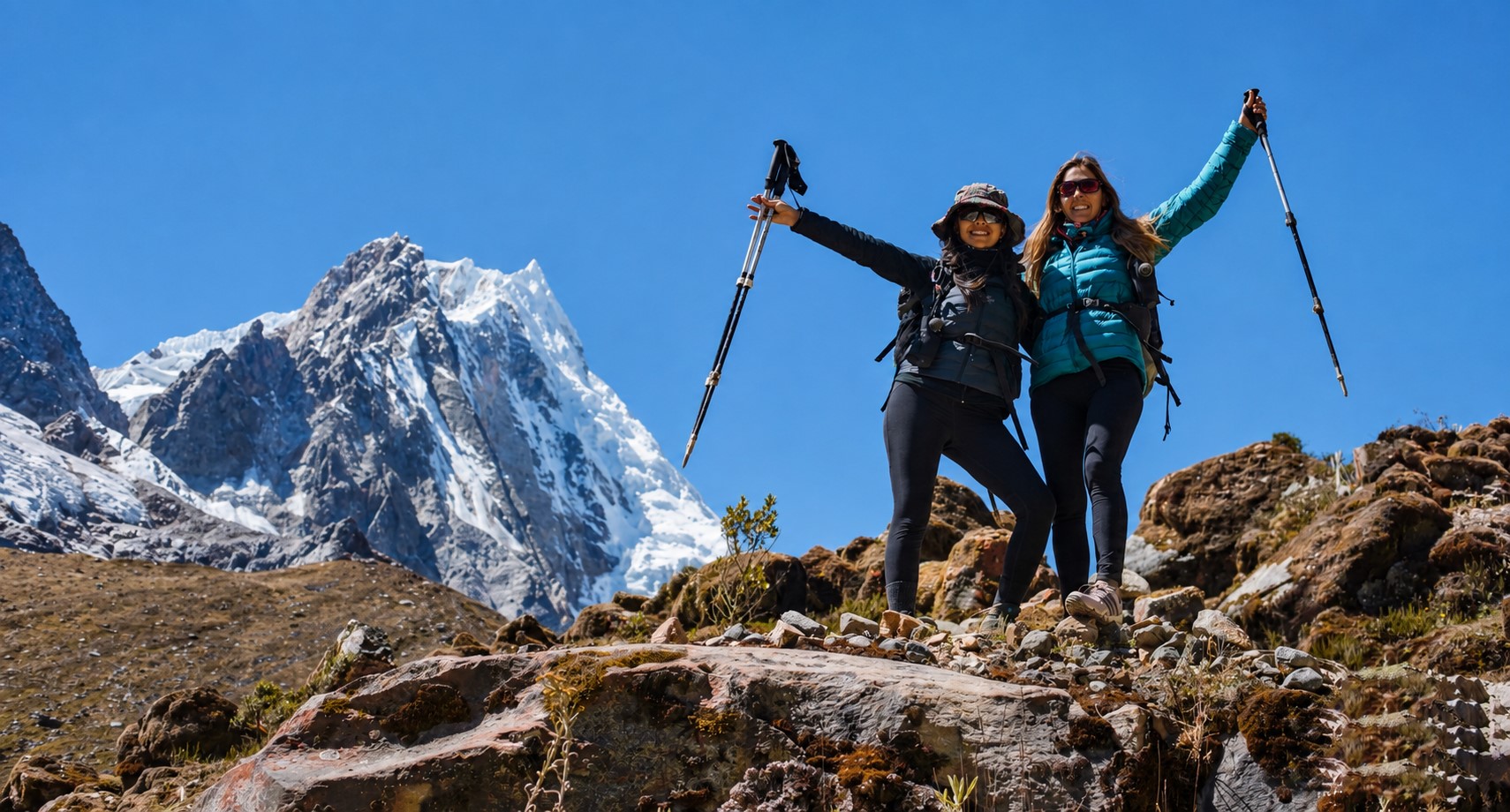 Difficulty is one of the most important things to consider before choosing a trek.
However, difficulty is not simply about the highest altitude.
Inca Trail
The Inca Trail combines steep stone steps, mountain passes, ascents and descents, and high altitude.
The highest point is around 4,215 meters, and the second day is usually considered the most physically demanding because of the climb toward Dead Woman’s Pass.
Salkantay Trek
Salkantay reaches a higher elevation, with the pass at approximately 4,630 meters.
The route combines long hiking days, steep climbs and descents, and changing climates.
Choquequirao Trek
Choquequirao is demanding for a different reason.
The route involves major elevation changes between the canyon and the archaeological site. Long ascents and descents can make the trek physically demanding even though the maximum altitude is lower than on the Inca Trail or Salkantay.
The important point: altitude alone does not determine difficulty. Your preparation, acclimatization, daily distances and the specific itinerary all matter.
Which Trek Has the Best Scenery?
This depends on the type of scenery you enjoy.
Inca Trail
The Inca Trail combines mountain landscapes with cloud forest and archaeological sites.
The scenery is not just about mountains. The ancient stone path and ruins are part of the landscape.
Salkantay
Salkantay is particularly known for dramatic mountain scenery and major changes in vegetation.
You can experience high-altitude landscapes before descending toward warmer, greener environments.
Choquequirao
Choquequirao offers deep canyon landscapes, rugged mountains and a sense of wilderness.
The combination of the Apurimac Canyon and the archaeological complex makes the scenery very different from the other two routes.
Which Trek Is Best for Machu Picchu?
If reaching Machu Picchu is essential to your trekking experience, both the Inca Trail and Salkantay can be used to reach Machu Picchu.
The experience is different.
Inca Trail to Machu Picchu
You arrive through Intipunku, the Sun Gate, after hiking the final section of the Inca Trail.
Salkantay to Machu Picchu
You approach Machu Picchu after crossing high mountains and descending through changing landscapes before reaching Aguas Calientes.
Choquequirao
The classic Choquequirao Trek focuses on the Choquequirao archaeological complex and returns to the trailhead.
There are also longer expedition-style routes that connect Choquequirao with the Machu Picchu region, but these are considerably more demanding and should be planned with an experienced trekking operator.
Inca Trail vs Salkantay vs Choquequirao: Which One Should You Choose?
The best way to make your decision is to start with your priorities.
If Machu Picchu and Inca history are the most important parts of your trip, the Inca Trail deserves serious consideration.
If you want dramatic landscapes and a challenging journey to Machu Picchu, Salkantay offers a different route with more flexibility.
If you want remote archaeology and a demanding adventure away from the main trekking routes, Choquequirao may be the experience you are looking for.
Your available time, physical preparation, acclimatization, travel dates and interest in archaeology should all be part of the decision.

When Is the Best Time to Do These Treks?
The Andes have distinct wet and dry seasons, but weather can change quickly at high altitude.
The dry season, generally from May through September, is popular because there is usually less rainfall. However, the shoulder months can also offer attractive conditions, depending on the specific route and current weather.
For the Inca Trail, February is particularly important because the trail closes for annual maintenance and conservation work. Official tourism information confirms that the route is closed during February.
For Choquequirao, travelers should check current route conditions because weather and trail safety can affect access.
How Far in Advance Should You Book?
The answer depends heavily on the trek.
Inca Trail
Plan well ahead, especially if you want to travel during popular months. The daily capacity is limited, so availability can disappear before your preferred travel date.
Salkantay
There is greater flexibility because it does not use the same daily Inca Trail permit system. However, Machu Picchu tickets, accommodation and transportation still need to be coordinated.
Choquequirao
Availability is generally more flexible, but because the route is remote, transportation, camping logistics, guides, meals and support services should be organized properly.
The earlier you plan, the more flexibility you have with dates and itinerary options.