
Tambopata Amazon Wildlife: Animals, Habitats and Where to Find Them
 Tambopata Amazon Wildlife is a subject that attracts nature lovers, photographers, birdwatchers, and travelers interested in discovering the Peruvian Amazon. Located in the Madre de Dios region of southeastern Peru, Tambopata protects an extraordinary variety of rainforest habitats where hundreds of bird species, mammals, reptiles, amphibians and insects live.
From colorful macaws gathering along riverbanks to giant river otters swimming through oxbow lakes, the region offers opportunities to observe wildlife in different natural environments.
Exploring Tambopata with knowledgeable local guides also helps visitors understand how these species interact with the rainforest and why protecting their habitats is so important.
What Wildlife Can You Find in Tambopata?
The diversity of Tambopata is one of its most remarkable characteristics. According to Peru’s National Service of Natural Protected Areas (SERNANP), the reserve is home to hundreds of bird species, mammals, reptiles, amphibians and fish.
Some of its most recognizable wildlife includes:
Macaws and Parrots
Tambopata is particularly well known for its colorful macaws and parrots. Scarlet macaws, red-and-green macaws, and blue-and-yellow macaws can be found in different forest and river environments.
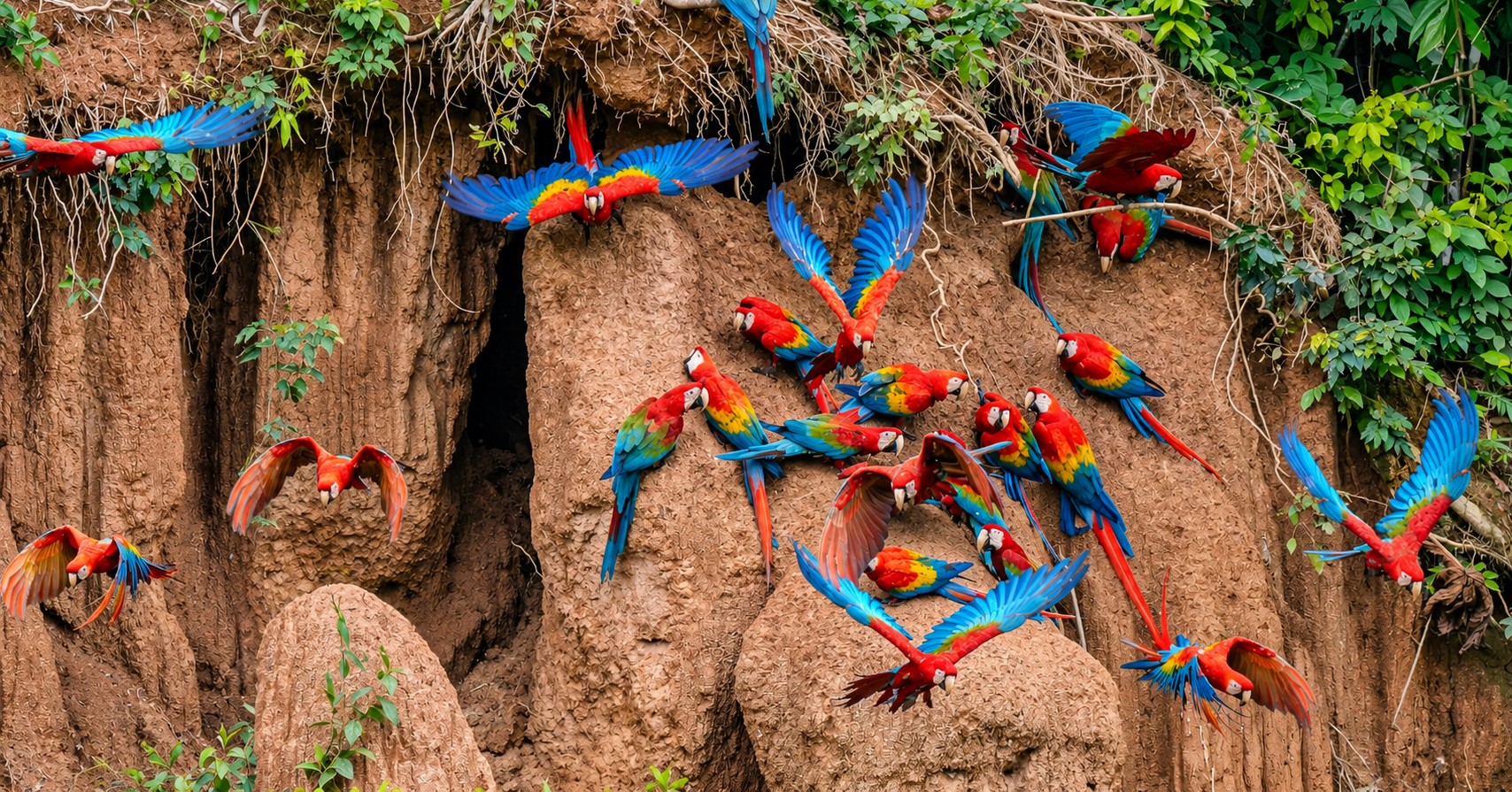
One of the most interesting natural events takes place at clay licks, where parrots and macaws gather to consume mineral-rich clay. These gatherings are especially associated with the early morning and favorable weather conditions.
Giant River Otters
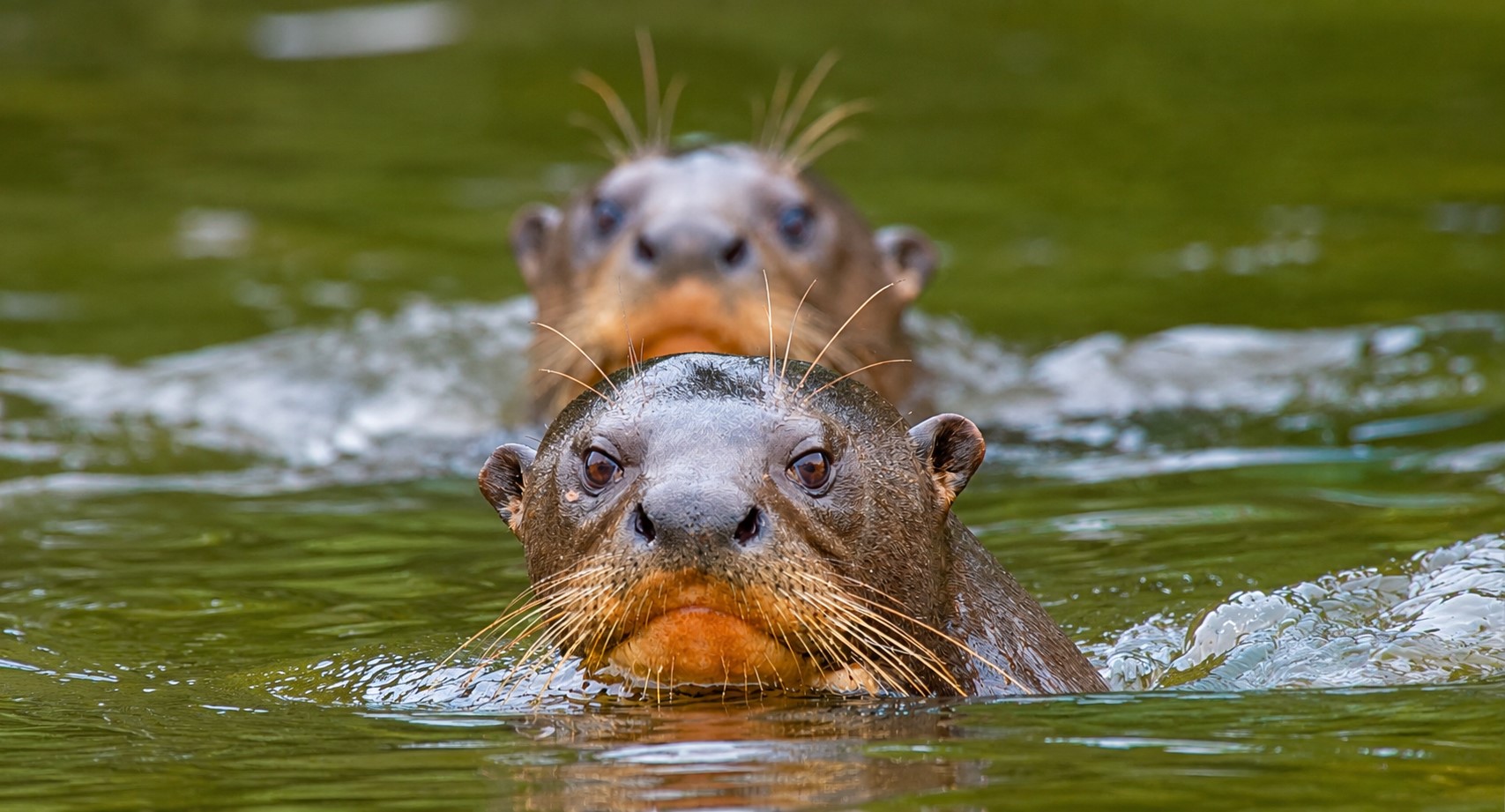 Giant river otters are among the most remarkable mammals of the Amazon. These social animals inhabit rivers and oxbow lakes, where they hunt fish and move through the water in family groups.
Sandoval Lake is one of the best-known locations in the Tambopata area for observing these endangered mammals in their natural habitat. Their presence makes the lake particularly interesting for wildlife enthusiasts.
Monkeys
Several monkey species inhabit Tambopata’s rainforest canopy. Capuchin monkeys, squirrel monkeys, howler monkeys, and spider monkeys are among the primates found in the region.
They can sometimes be observed moving between branches, feeding, or communicating through distinctive calls. A naturalist guide can help visitors recognize their behavior and identify different species.
Caimans
Caimans inhabit Amazonian rivers, lakes, and wetlands. Both black caimans and spectacled caimans are found in the region.
Nighttime river excursions provide opportunities to observe caimans along the riverbanks. Guides use flashlights to identify their reflective eyes while maintaining a safe distance from the animals.
Toucans and Other Tropical Birds
Tambopata is an excellent destination for birdwatching. Toucans, hoatzins, herons, kingfishers, cormorants, and numerous other birds inhabit its forests and waterways.
Different species occupy different habitats, which is why exploring both rainforest trails and lakes can make a wildlife excursion more rewarding.
Sloths and Other Rainforest Mammals
Sloths spend much of their time resting in the trees, making them difficult to locate without careful observation. The rainforest also supports capybaras, tapirs, anteaters, and several other mammals, although some are naturally elusive.
Wildlife encounters depend on natural conditions and no particular sighting can be guaranteed.
Best Places to Observe Tambopata Amazon Wildlife
 Tambopata contains several habitats that provide different opportunities for wildlife observation. Exploring more than one environment helps visitors understand the variety of life supported by the Amazon rainforest.
Sandoval Lake
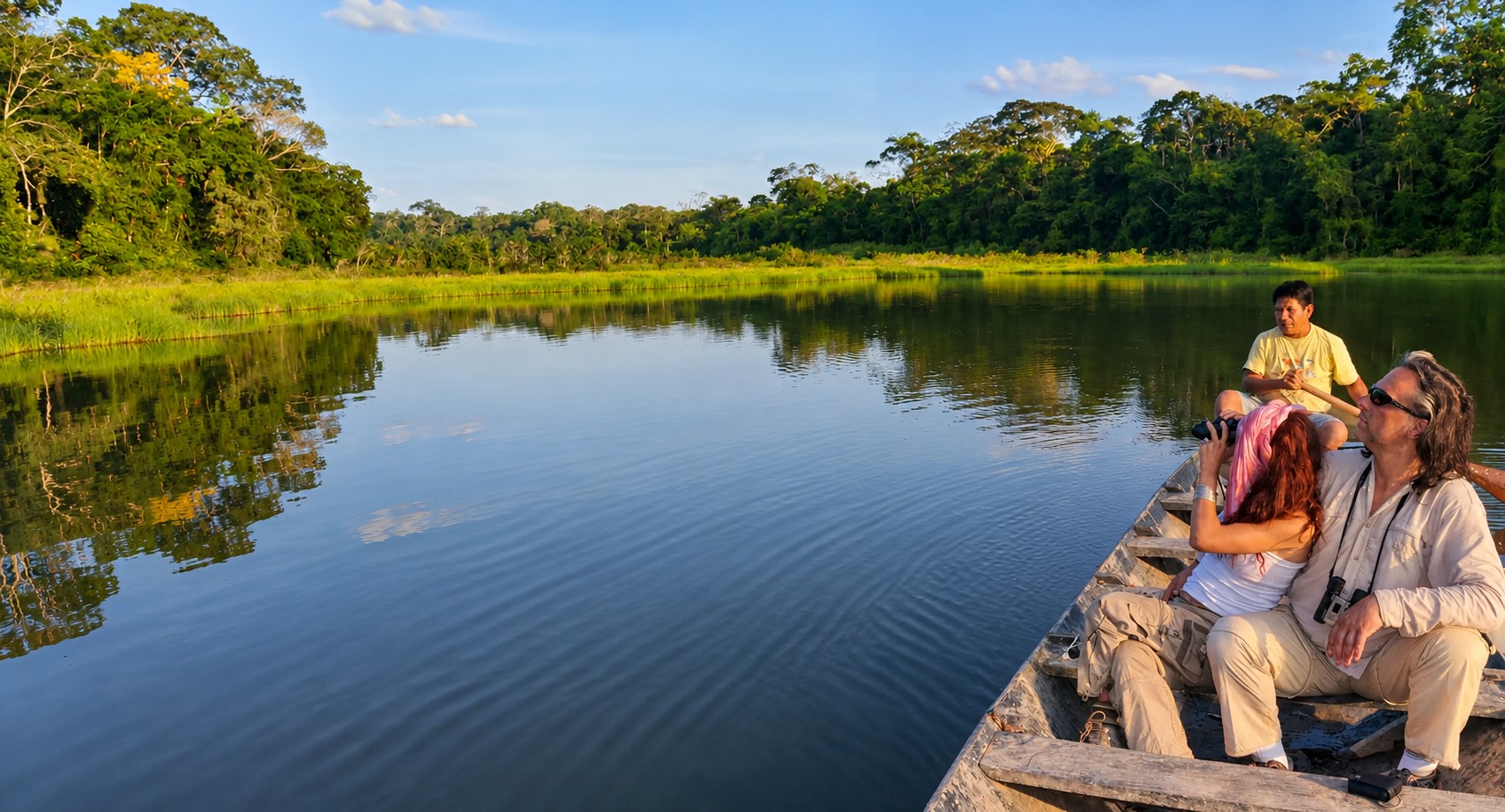
Sandoval Lake is one of the most recognized natural attractions in the Tambopata area. Surrounded by palm forests and dense vegetation, this oxbow lake provides habitat for giant river otters, caimans, monkeys, hoatzins, herons, and other aquatic birds.
Visitors explore the lake by traditional rowing canoe, allowing them to observe the surrounding wildlife without the noise of motorized boats.
Macaw Clay Licks
The Macaw Clay licks are among the most fascinating wildlife attractions in the Peruvian Amazon. At these natural clay banks, different species of parrots and macaws gather to consume mineral-rich soil.
The activity is generally most noticeable during the early morning, when weather conditions are favorable. Watching these birds gather along a riverbank is one of the most memorable experiences for birdwatchers and photographers.
The Madre de Dios River
The Madre de Dios River connects several rainforest environments and provides important habitat for aquatic wildlife.
During boat excursions, visitors may observe river birds, turtles, caimans, and other animals along the banks. The journey itself also offers opportunities to appreciate the size and diversity of the surrounding rainforest.
Rainforest Trails
Walking through the forest reveals a different side of Tambopata. Trails provide opportunities to discover monkeys, insects, frogs, spiders, tropical plants, and birds living within the vegetation.
Guided walks during daylight and after sunset offer different experiences, as some rainforest creatures become active mainly at night.
How to Experience Tambopata Wildlife During the Day and Night
Wildlife activity changes throughout the day, so combining different excursions can provide a more complete experience.
Early morning is particularly suitable for birdwatching and visits to macaw clay licks. As the day progresses, guided rainforest walks provide opportunities to discover monkeys, insects and other forest species.
Afternoon excursions around lakes and rivers offer different perspectives of the Amazon ecosystem. After sunset, guided night walks and river excursions allow visitors to search for frogs, spiders, nocturnal insects and caimans.
Each activity introduces a different part of the rainforest, making a multi-day visit more rewarding than relying on a single excursion.
When Is the Best Time to See Wildlife in Tambopata?
Tambopata can be visited throughout the year, although weather conditions and seasonal rainfall influence access to certain areas and the type of excursions available.
The period from May to October is generally recommended for visiting the reserve. During these months, conditions are often more favorable for forest walks and some river excursions.
The rainy season brings different conditions to the rainforest. Water levels may rise, some trails can become more difficult, and the landscape becomes particularly lush.
Wildlife remains present throughout the year. The best approach is to allow enough time for several excursions and follow the recommendations of local guides.
Why Explore Tambopata with a Local Naturalist Guide?
Finding wildlife in the Amazon requires more than simply walking through the forest. Many animals remain hidden in the canopy, move quietly through vegetation, or are active only during certain hours.
A local naturalist guide helps visitors recognize bird calls, identify animal tracks, explain wildlife behavior, and understand the relationships between different rainforest species.
Guides also know how to approach wildlife responsibly, avoiding unnecessary noise and disturbance. This knowledge makes each excursion more informative and helps travelers appreciate the natural importance of Tambopata.
Explore Tambopata Amazon Wildlife with Cusco Journeys
At Cusco Journeys, our Tambopata programs offer opportunities to discover the Peruvian Amazon through guided rainforest walks, river excursions, wildlife observation, and visits to important natural habitats.
Our Tambopata Tours 3 Days / 2 Nights provide an introduction to the region, including Sandoval Lake, rainforest exploration, and opportunities to observe Amazonian wildlife.
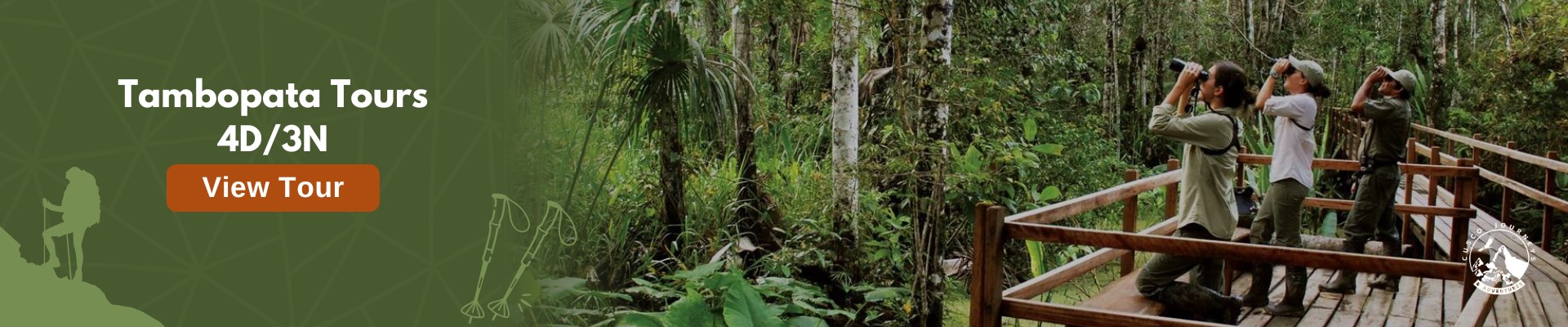
Travelers who prefer more time in the jungle can consider our Tambopata Tours 4 Days / 3 Nights or Tambopata Tours 5 Days / 4 Nights.
Each itinerary offers a different combination of rainforest activities, wildlife observation, and cultural experiences. Our local team can help travelers choose the program that best matches their interests and available time.
Discover the wildlife, landscapes, and natural diversity of Tambopata with Cusco Journeys and experience one of the most fascinating regions of the Peruvian Amazon.