
Ancascocha Trek: Complete Guide to One of Peru’s Most Scenic Treks
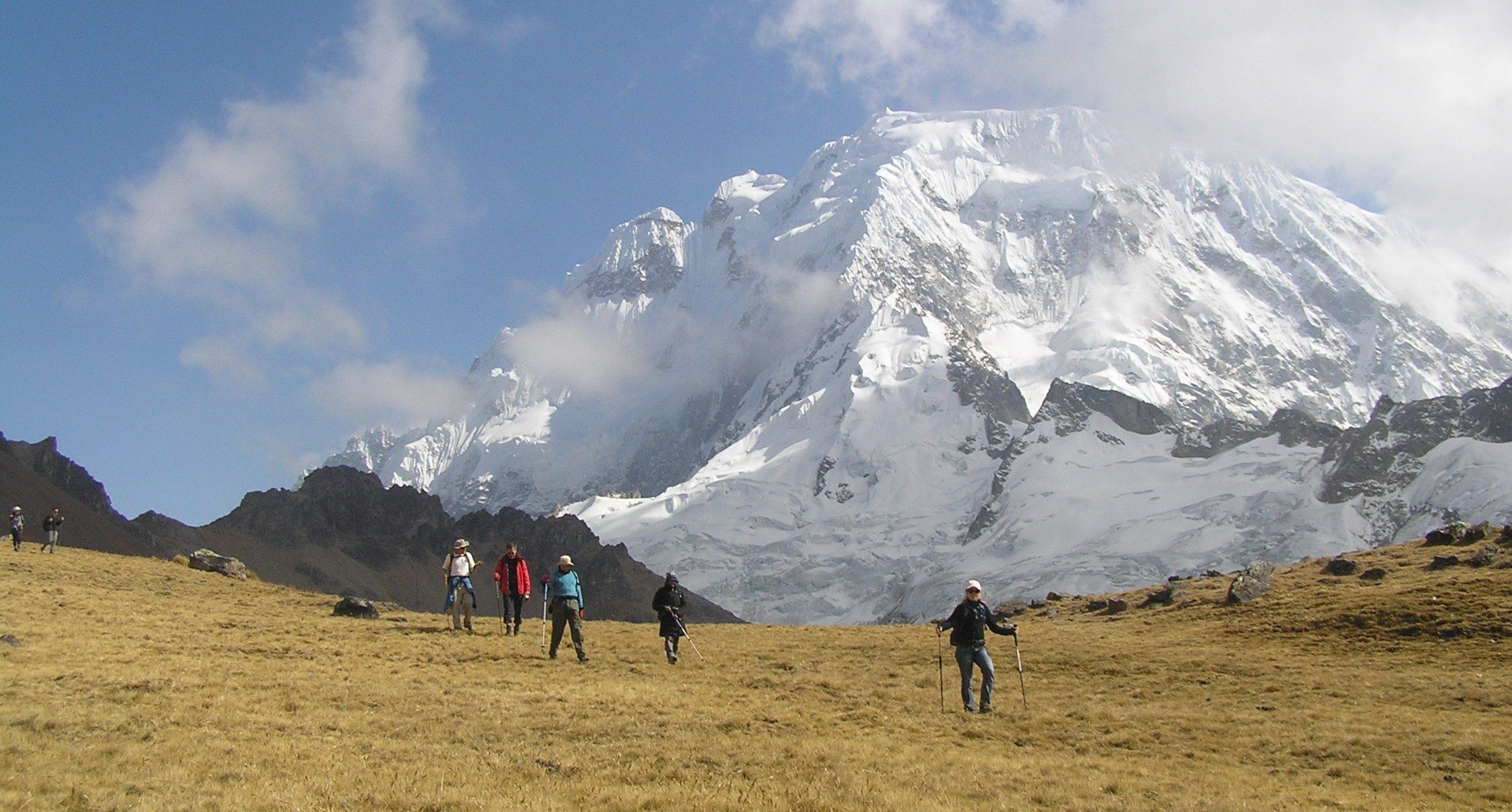 The Ancascocha Trek is a remote hiking route in the Cusco region of Peru that leads to Machu Picchu through high mountain passes, glacial lakes, waterfalls, archaeological sites, and traditional Quechua communities.
It is one of the least-traveled trekking routes in the Andes, offering a quieter experience for hikers who want to explore landscapes beyond the most popular trails.
The route covers approximately 56 km (34.8 miles) over 4 or 5 days, reaching its highest point at Huayanay Pass (4,821 m / 15,817 ft). Because of its altitude and demanding terrain, the trek is recommended for hikers with good physical condition and proper acclimatization before starting the journey.
Along the way, you’ll visit places such as Perolniyoc, Paucarcancha, and the Ancascocha Valley, while enjoying panoramic views of the surrounding mountains before finishing your adventure with a guided visit to Machu Picchu.
Highlights of the Ancascocha Trek
✓ Hike through remote Andean valleys with very few trekking groups.
✓ Cross Huayanay Pass (4,821 m / 15,817 ft), the highest point of the route.
✓ Visit the archaeological sites of Perolniyoc and Paucarcancha.
✓ Camp beside glacial lakes surrounded by mountain scenery.
✓ Walk through traditional Quechua communities and rural villages.
✓ Enjoy panoramic views of Mount Veronica, Salkantay, and the Vilcabamba mountain range.
✓ Finish the trek with a guided tour of Machu Picchu.
What to Expect from the Ancascocha Trek
The Ancascocha Trek passes through high-altitude landscapes that change every day, from waterfalls and mountain valleys to glacial lakes, archaeological sites, and remote Andean communities. Unlike busier trekking routes, you’ll spend most of the journey surrounded by nature with very few other hiking groups.
The route finishes in Ollantaytambo, where you’ll board the train to Aguas Calientes before visiting Machu Picchu, combining a multi-day mountain trek with one of Peru’s most important archaeological sites.
Map of the Ancascocha Trek
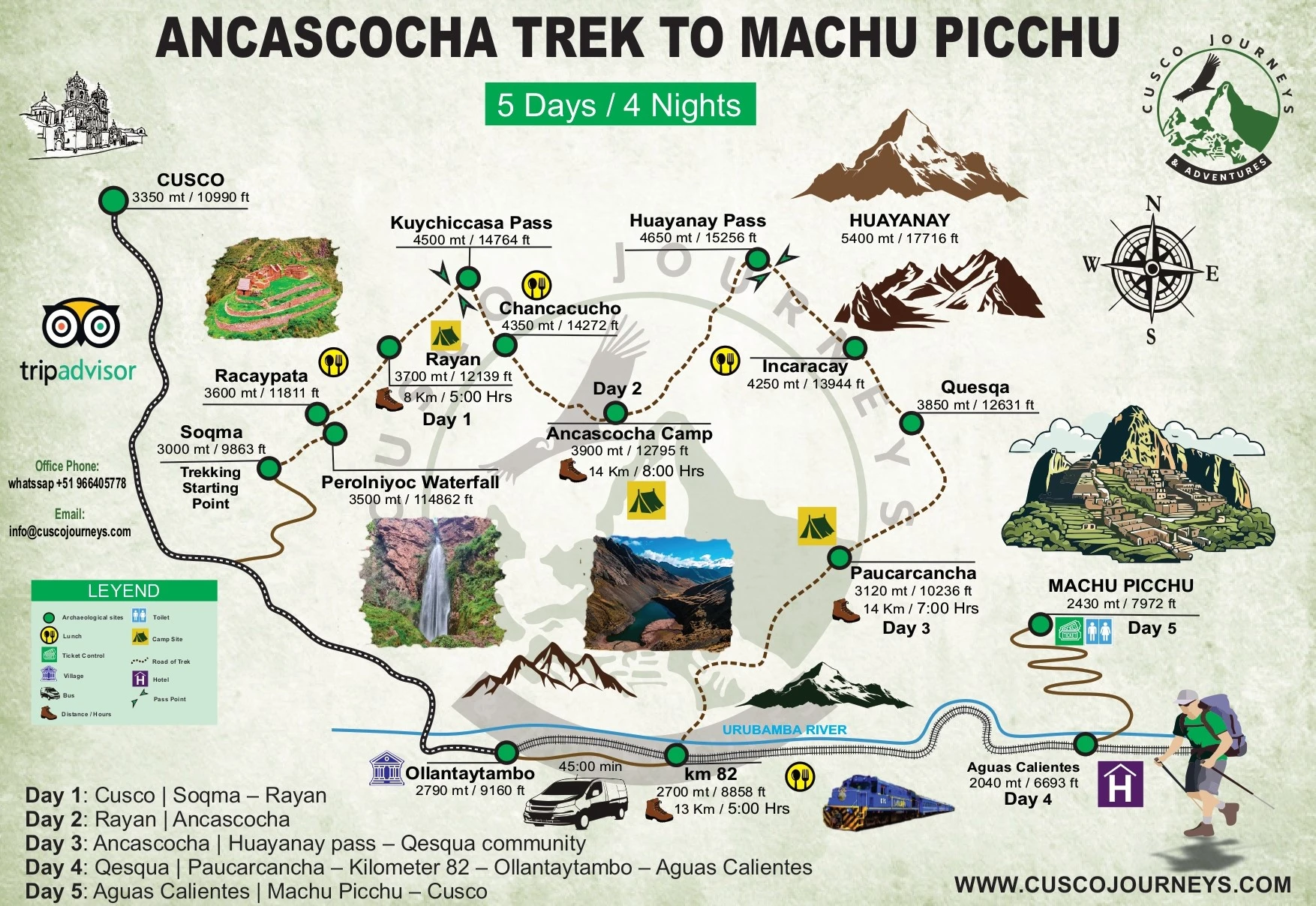 The map below outlines the Ancascocha Trek route from Soqma to Ollantaytambo, passing through the Ancascocha Valley, Huayanay Pass, Quesqa, and Paucarcancha. From Ollantaytambo, the journey continues by train to Aguas Calientes before the final guided visit to Machu Picchu.
The route covers approximately 56 km (34.8 miles) over 4 or 5 days and reaches a maximum altitude of 4,821 m (15,817 ft) at Huayanay Pass. Throughout the trek, hikers pass mountain trails, glacial lakes, archaeological sites, and traditional Quechua communities across the Cusco region.
Ancascocha Trek Itinerary (5 Days)
Day 1: Cusco – Soqma – Rayan
Your adventure begins with an early morning drive from Cusco to Soqma, the starting point of the Ancascocha Trek. The trail gradually climbs through traditional farming areas, passing the Perolniyoc Waterfall and the nearby archaeological site before continuing toward Rayan (3,700 m / 12,139 ft).
This first day offers a gradual introduction to the route while allowing time to adjust to the altitude. You’ll spend the night surrounded by mountain scenery and prepare for the higher sections of the trek.
Day 2: Rayan – Ancascocha
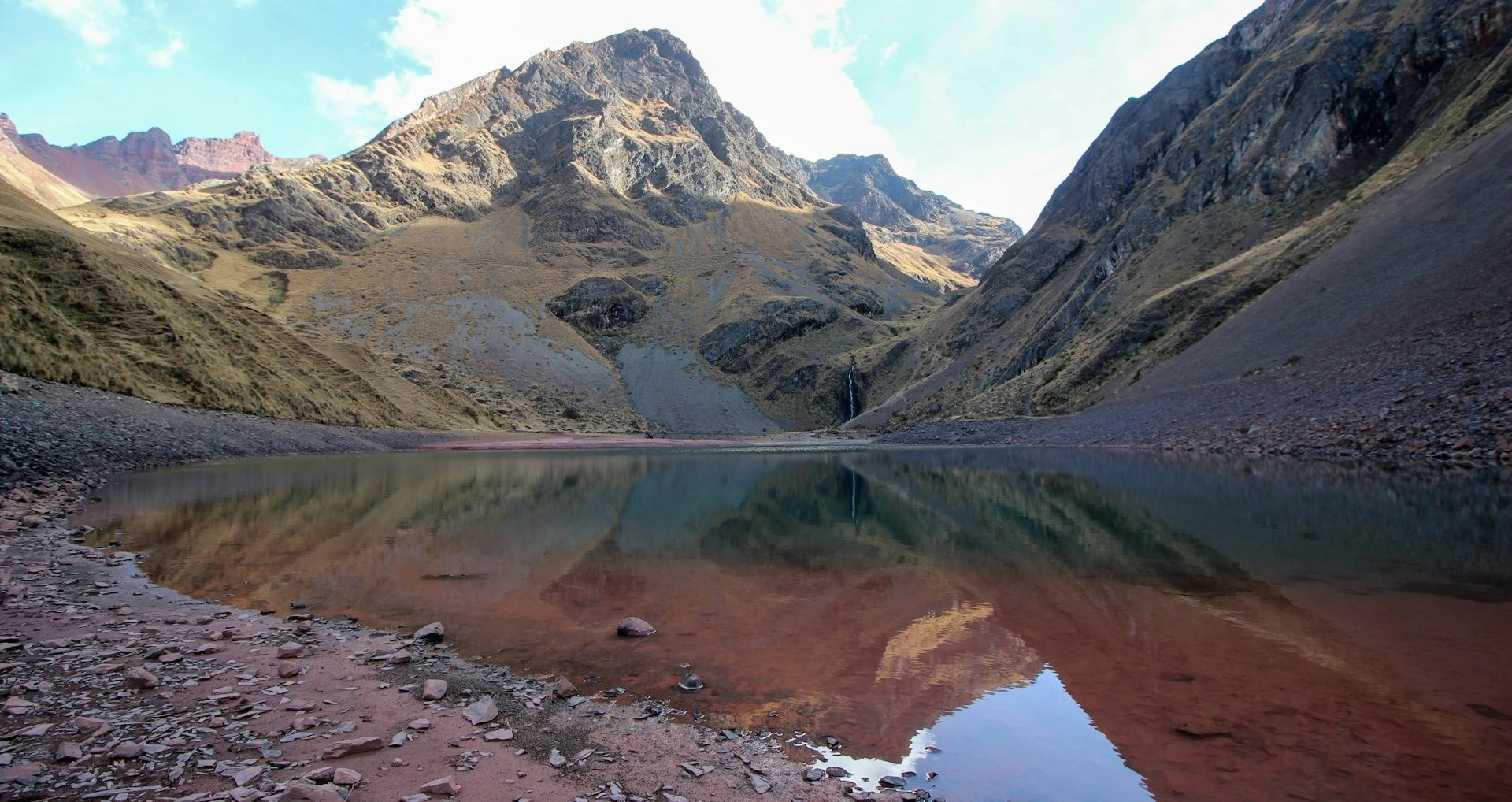
Today’s hike climbs toward Puka Kasa Pass (4,450 m / 14,600 ft) before descending into the beautiful Ancascocha Valley. Along the way, you’ll pass mountain streams, open grasslands, and panoramic viewpoints before reaching the campsite near Ancascocha Lake (4,100 m / 13,450 ft).
This section of the trek is known for its peaceful landscapes and the opportunity to experience one of the least-visited valleys in the Cusco region.
Day 3: Ancascocha – Huayanay Pass – Quesqa Valley
Today is the most demanding day of the trek as you cross Huayanay Pass (4,821 m / 15,817 ft), the highest point of the route. From the summit, enjoy wide views of the surrounding mountains before descending into the Quesqa Valley, where the landscape gradually changes as you leave the alpine terrain behind.
The combination of high mountain scenery, remote trails, and traditional grazing areas makes this one of the most rewarding sections of the Ancascocha Trek.
Day 4: Quesqa – Paucarcancha – Aguas Calientes
Continue hiking through the Quesqa Valley toward the archaeological site of Paucarcancha, an important Inca settlement located along the original trail network. After reaching Ollantaytambo, board the train to Aguas Calientes, where you’ll spend the night before visiting Machu Picchu.
This final hiking day combines history, mountain scenery, and the transition from the Andes to the cloud forest surrounding Machu Picchu.
Day 5: Machu Picchu – Cusco
After an early breakfast, take the shuttle bus to Machu Picchu for a guided tour of the Inca citadel. Explore its temples, terraces, ceremonial areas, and panoramic viewpoints while learning about the history and engineering of one of the world’s most important archaeological sites.
After the guided visit, return to Aguas Calientes and board the train to Ollantaytambo, where private transportation will be waiting to take you back to Cusco, bringing your Ancascocha Trek adventure to an end.
Other Ways to Explore the Ancascocha Trek
While the 5-day Ancascocha Trek is the most popular itinerary, there are other options for travelers with different schedules and hiking preferences.
The 4-day itinerary follows the same route through the Andes but at a faster pace, allowing hikers to experience the highlights of the trek before continuing to Machu Picchu
Ancascocha Trek Itinerary (4 Days)
If you have less time available, the 4-day Ancascocha Trek follows the same route as the 5-day itinerary while maintaining the trek’s main highlights.
Although the hiking days are longer and more demanding, you’ll still cross Huayanay Pass, visit Perolniyoc and Paucarcancha, and finish your journey with a guided tour of Machu Picchu.
Duration: 4 Days
Distance: Approximately 56 km (34.8 miles)
Maximum Altitude: 4,821 m (15,817 ft)
Difficulty: Challenging
Itinerary Summary
Day 1: Cusco – Soqma – Rayan
Your adventure begins with an early morning drive from Cusco to Soqma, the starting point of the Ancascocha Trek. The trail passes the Perolniyoc Waterfall and the nearby archaeological site before continuing through mountain landscapes and traditional farming areas on the way to Rayan (3,700 m / 12,139 ft).
The gradual ascent makes this an ideal first day for adjusting to the altitude while enjoying views of the surrounding valleys and snow-capped peaks before arriving at the first campsite.
Day 2: Rayan – Ancascocha
Leave Rayan behind and continue climbing toward Puka Kasa Pass (4,450 m / 14,600 ft). From the pass, the trail descends into the Ancascocha Valley, passing open grasslands, streams, and mountain scenery before reaching the campsite near Ancascocha Lake (4,100 m / 13,450 ft).
This section of the trek offers some of the most impressive landscapes of the route, with panoramic views across the surrounding mountains and quiet camping areas far from the main tourist trails.
Day 3: Ancascocha – Huayanay Pass – Quesqa Valley
Today’s hike reaches Huayanay Pass (4,821 m / 15,817 ft), the highest point of the Ancascocha Trek. After taking in the views from the pass, continue descending into the Quesqa Valley, where the scenery gradually changes from alpine terrain to greener valleys used for traditional farming and grazing.
The combination of high mountain landscapes and peaceful valleys makes this one of the most memorable days of the trek.
Day 4: Quesqa – Ollantaytambo – Machu Picchu
The final hiking day follows ancient trails past the archaeological site of Paucarcancha before joining part of the original Inca Trail on the way to Ollantaytambo. From there, board the train to Aguas Calientes, where you’ll prepare for your guided visit to Machu Picchu.
This final section brings together archaeology, mountain scenery, and the journey to one of the world’s most famous archaeological sites, completing the Ancascocha Trek experience.
Looking for a Longer Adventure?
If you’d like to spend more time in the Andes, the Ancascocha Trek + Classic Inca Trail (6 Days) combines the remote landscapes of the Ancascocha Trek with the complete Classic Inca Trail, creating a longer trekking experience before reaching Machu Picchu.
Ancascocha Trek + Classic Inca Trail (6 Days)
 For hikers looking for a longer adventure, the Ancascocha Trek + Classic Inca Trail (6 Days) combines one of the most remote trekking routes in the Cusco region with the complete Classic Inca Trail to Machu Picchu. This itinerary offers mountain scenery, archaeological sites, and the opportunity to enter Machu Picchu through the Sun Gate (Inti Punku).
Unlike the standard Ancascocha Trek, this route joins the Classic Inca Trail at Paucarcancha, continuing through Wayllabamba, Dead Woman’s Pass, Runkuraqay, Sayacmarca, Phuyupatamarca, and Wiñay Wayna before reaching Machu Picchu on the final day.
Itinerary Overview
Day 1: Cusco – Soqma – Perolniyoc – Rayan
Day 2: Rayan – Kuychicassa Pass – Chancachuco – Ancascocha
Day 3: Ancascocha – Huayanay Pass – Muyu Muyu – Paucarcancha
Day 4: Paucarcancha – Wayllabamba – Dead Woman’s Pass – Pacaymayo
Day 5: Pacaymayo – Runkuraqay – Sayacmarca – Phuyupatamarca – Wiñay Wayna
Day 6: Wiñay Wayna – Inti Punku – Machu Picchu – Cusco
Best Time to Visit the Ancascocha Trek
The best time to hike the Ancascocha Trek is during the dry season (May to September), when the weather is more stable, the trails are in better condition, and mountain views are at their clearest.
- Dry Season (May to September)
This is the best time to hike the Ancascocha Trek. Days are generally sunny with cool temperatures, while nights can be cold at higher elevations. The dry weather provides excellent trail conditions and clear views of the surrounding mountains and glacial lakes. - Rainy Season (October to April)
Rainfall becomes more frequent, making the trails wetter and more challenging. Although the trek remains accessible, hikers should expect changing weather conditions, muddy sections, and reduced visibility, especially between December and March.
How Difficult Is the Ancascocha Trek?
The Ancascocha Trek is considered a challenging hike due to its high altitude, long hiking days, and continuous ascents and descents. The route covers approximately 56 km (34.8 miles) over 4 or 5 days, reaching Huayanay Pass (4,821 m / 15,817 ft).
Although no technical climbing is required, hikers should be in good physical condition and spend 2 or 3 days in Cusco before the trek to adjust to the altitude.
Ancascocha Trek vs Inca Trail vs Salkantay Trek
Choosing the right trek to Machu Picchu depends on the type of experience you’re looking for. While all three routes offer spectacular scenery, each one is designed for a different style of traveler.
Feature |
Ancascocha Trek |
Classic Inca Trail |
Salkantay Trek |
|---|---|---|---|
| Duration | 4–6 Days | 4 Days | 4–5 Days |
| Difficulty | Challenging | Moderate to Challenging | Moderate to Challenging |
| Maximum Altitude | 4,821 m | 4,215 m | 4,630 m |
| Crowds | Low | High | Moderate |
| Archaeological Sites | Several | Extensive | Few |
| Glacial Lakes | Yes | No | Yes |
| Entry to Machu Picchu | Train or Inca Trail | Sun Gate | Train |
| Permits Required | No | Yes | No |
The Ancascocha Trek is ideal for hikers looking for quieter trails, high mountain scenery, and a combination of nature and archaeology. The Classic Inca Trail is recommended for travelers who want to follow the original Inca route to Machu Picchu, while the Salkantay Trek is a popular alternative for those seeking impressive mountain landscapes with more departure options.
Wildlife Along the Ancascocha Trek
Although the Ancascocha Trek is best known for its mountain scenery, hikers may also encounter native wildlife along the route. Llamas, alpacas, Andean geese, hummingbirds, and various high-altitude bird species are commonly seen, especially near remote valleys and glacial lakes.
The surrounding landscapes also support native Andean vegetation, creating a diverse natural environment throughout the trek.