
Bullet Ant at the Amazon Peruvian
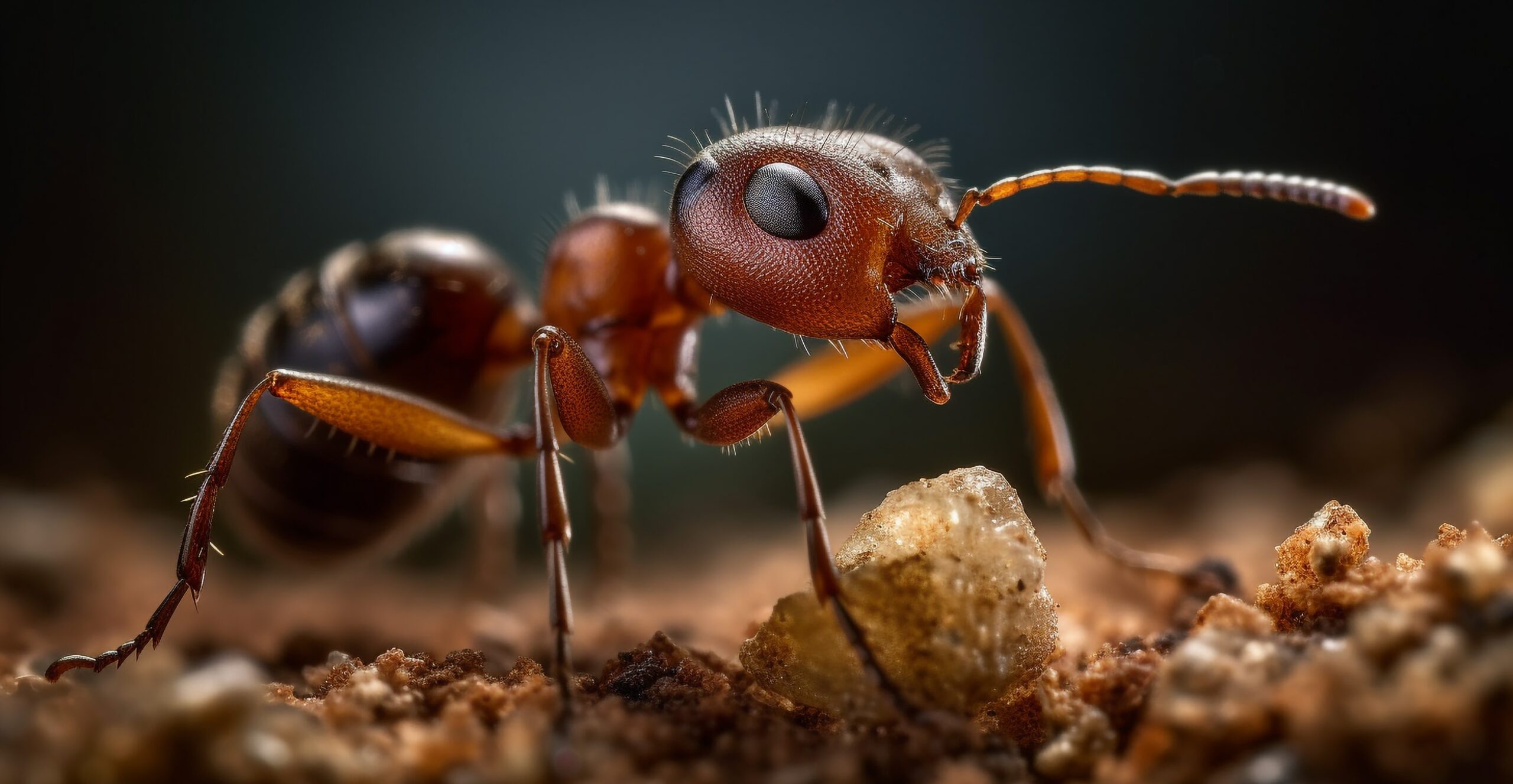 The bullet ant, known scientifically as Paraponera clavata, is a remarkable insect that encapsulates the complexity and beauty of the Peruvian Amazon rainforest. With its notorious sting and significant ecological role, the bullet ant captures the attention of entomologists, ecologists, and anthropologists alike. This overview explores the multifaceted nature of bullet ants, delving into their physical characteristics, ecological significance, social structures, cultural importance, and the challenges they face in a rapidly changing world.
Habitat and Distribution
 The Peruvian Amazon is one of the most biodiverse regions on Earth, characterized by its vast tropical rainforests, intricate river systems, and diverse microhabitats. Spanning several ecosystems, this area is home to a wide range of flora and fauna, with the bullet ant thriving in the lowland tropical rainforest, where conditions are warm and humid year-round.
Bullet ants are typically found in areas with dense vegetation that offers both sustenance and shelter. They prefer nesting in the ground, particularly in locations rich in organic matter and leaf litter, which provide an abundant food source and protection from environmental stressors and predators. The nests can range from small, simple structures to more elaborate tunnel systems that reflect the colony’s size and complexity.
The choice of nesting sites is critical for their survival. In the Amazon, bullet ants are often found in association with other species, forming part of a diverse community of insects that share the forest floor. This intricate web of relationships highlights the importance of each species in maintaining the ecological balance within the rainforest.
Physical Characteristics
 Bullet ants are among the largest ants in the world, measuring between 2 to 2.5 centimeters (about 0.8 to 1 inch) in length. They possess a robust, muscular body with a glossy, dark exoskeleton that can appear black or dark brown, often with reddish hues. Their size and coloration aid in camouflage within the leaf litter and undergrowth of the forest floor, providing some protection from predators.
The head of the bullet ant is notably large and equipped with strong, curved mandibles. These mandibles are essential for various functions, including capturing prey, manipulating materials for nest construction, and defending against threats. The compound eyes of bullet ants are well-developed, allowing them to navigate efficiently in the dim light of their forest habitat.
The body is covered in fine hairs that serve as sensory receptors, helping the ants detect vibrations and chemical signals in their environment. Their long, powerful legs allow them to move swiftly across the forest floor, making them effective foragers. This combination of physical attributes makes bullet ants formidable both as predators and as a cohesive unit within their colonies.
Ecological Role
 Bullet ants are integral to the ecosystems of the Peruvian Amazon. Their foraging behavior contributes significantly to soil health and nutrient cycling, which are vital for sustaining plant life. As they dig through the ground, bullet ants aerate the soil and promote the decomposition of organic matter, enhancing soil fertility and encouraging plant growth.
Their omnivorous diet includes nectar from flowering plants, small insects, and decaying organic material. This adaptability allows them to thrive in varying conditions and ensures they play a critical role in the food web. By feeding on various organic materials, bullet ants help control insect populations and facilitate nutrient recycling within their ecosystems.
Moreover, bullet ants serve as prey for various larger animals, contributing to the overall food web. Their presence in the ecosystem is a testament to the interconnectedness of species within the rainforest, illustrating the delicate balance that sustains life in this biodiverse environment.
Social Structure and Behavior
 The social structure of bullet ant colonies is complex and fascinating. These ants live in colonies that can range from several hundred to several thousand individuals, with a single queen responsible for reproduction. Worker ants perform various tasks within the colony, including foraging, caring for the brood, and defending the nest.
The division of labor within bullet ant colonies is highly organized. Foraging worker ants are responsible for searching for food and bringing it back to the nest. They communicate with one another through pheromones, releasing chemical signals that provide information about food sources, danger, and other critical activities. This chemical communication is vital for maintaining colony cohesion and efficiency.
When it comes to defending their territory, bullet ants are known for their fierce aggression. They will vigorously protect their nests from intruders, employing a combination of biting and their potent sting. This aggressive behavior not only serves as a defense mechanism but also establishes territorial boundaries, deterring potential competitors.
The Sting: Pain and Consequences
 The bullet ant’s sting is infamous for its excruciating pain, often rated as the most painful of all insect stings on the Schmidt Sting Pain Index. Victims describe the sensation as intense and overwhelming, often likening it to the pain of being shot. The pain can last for several hours, sometimes extending into a full day, and is accompanied by swelling, redness, and throbbing at the sting site.
The venom of the bullet ant contains a complex mixture of neurotoxins that interact with pain receptors in the body. The immediate pain is often followed by systemic reactions, including nausea, sweating, and increased heart rate. This potent venom has piqued the interest of scientists, leading to research on its potential medical applications.
Understanding the biochemical components of bullet ant venom could lead to new treatments for pain management and other medical conditions. The study of this venom exemplifies how even the most feared creatures can contribute to advancements in human health and knowledge.
Cultural Significance in the Amazon
The bullet ant holds a prominent place in the cultural practices of various indigenous communities in the Amazon. It is often featured in initiation rites, particularly for young men, where enduring the pain of the bullet ant’s sting serves as a rite of passage. These rituals are rich in meaning and symbolism, representing bravery, resilience, and the transition into adulthood.
During initiation ceremonies, young men may be required to endure the sting as a demonstration of their courage and determination. Participants often place their hands into gloves filled with live bullet ants, experiencing the intense pain as a test of their mettle. This painful experience is seen as a crucial step in their journey toward manhood and acceptance within their community.
These ceremonies are accompanied by communal celebrations that include storytelling, music, and dance. Such rituals reinforce social bonds and cultural identity, serving to pass down traditions and values from one generation to the next. The cultural significance of the bullet ant extends beyond the sting itself; it symbolizes the strength and resilience of the community.
Conservation and Threats
 Despite their adaptability, bullet ants and their habitats face significant threats from human activities. Deforestation, driven by agricultural expansion, logging, and infrastructure development, poses a severe risk to the delicate ecosystems of the Amazon. As natural habitats are destroyed, the availability of food sources and nesting sites decreases, making it increasingly difficult for bullet ant colonies to thrive.
Climate change further exacerbates these challenges, altering precipitation patterns and temperature regimes that can affect the availability of resources. The cumulative impact of these threats places bullet ants and many other species in the Amazon at risk, highlighting the urgent need for conservation efforts.
Protecting the Amazon rainforest is critical not only for the survival of bullet ants but also for the myriad species that inhabit this vital ecosystem. Conservation initiatives that focus on sustainable land use, reforestation, and habitat protection are essential for preserving the rich biodiversity of the region. Raising awareness about the importance of the Amazon and the interconnectedness of its species can help garner support for these efforts.
Research and Future Directions
 Ongoing research on bullet ants continues to uncover fascinating insights into their biology, behavior, and ecological roles. Studies focusing on their social structures, communication methods, and venom composition contribute to a deeper understanding of insect ecology and behavior. This knowledge can inform broader ecological principles and enhance our understanding of species interactions in complex ecosystems.
Particularly intriguing is the research into bullet ant venom, which holds promise for medical applications. Isolating specific compounds within the venom may lead to the development of new analgesics and treatments for pain management. This research not only highlights the potential benefits of studying venomous creatures but also underscores the importance of biodiversity in providing resources for human health.
Moreover, understanding the interactions between bullet ants and their environment can help inform conservation strategies aimed at preserving the Amazon’s unique biodiversity. By studying their roles within the ecosystem, researchers can gain insights into the impacts of environmental changes and human activities on these crucial species.
First Aid Measures for Relief
First aid for a bullet ant sting involves a combination of immediate care and monitoring for potential complications. By remaining calm, cleaning the area, applying cold compresses, and taking pain relievers, you can effectively manage the pain and discomfort associated with the sting. Being aware of allergic reactions and knowing when to seek medical assistance are crucial components of ensuring a safe and effective response. Understanding these first aid measures can help mitigate the effects of a bullet ant sting and promote a quicker recovery.
 The bullet ant is a striking example of nature’s complexity, blending formidable defense mechanisms, intricate social structures, and cultural significance. Its combination of size, aggressive behavior, and the infamous sting make it a unique and formidable insect. While the pain of its sting can be daunting, the bullet ant remains an essential component of the Amazonian ecosystem and a source of fascination for entomologists, adventurers, and those who seek to understand the intricate web of life within the rainforest.
For anyone venturing into the Amazon, a deep respect for the bullet ant and its ecological role is crucial for navigating this vibrant yet challenging environment. Understanding their behavior, habitat, and cultural significance enhances our appreciation of these remarkable insects and their place in the rich tapestry of the rainforest.
