
Choquequirao Trek: The Ultimate Guide to Peru’s Hidden Inca Ruins
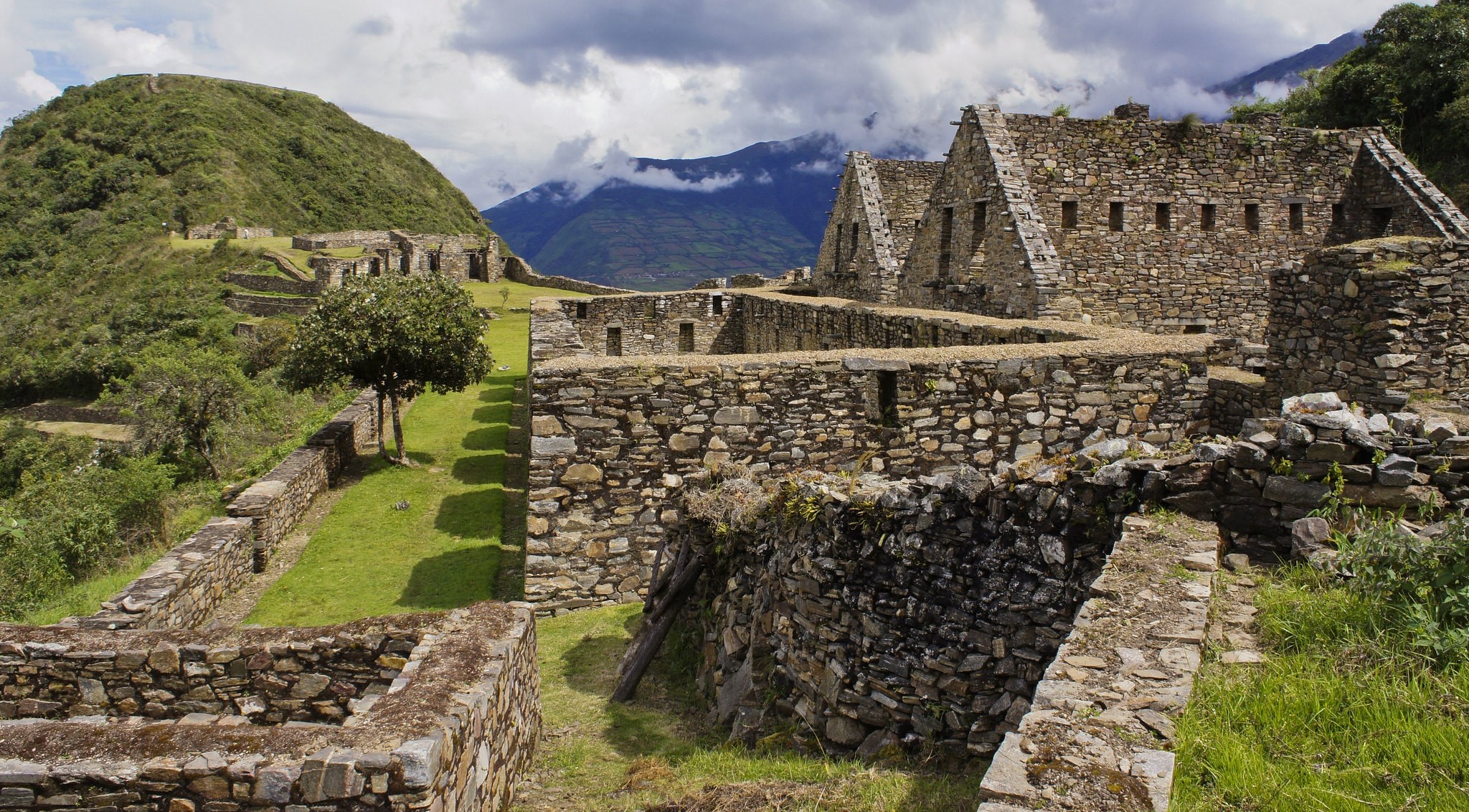 The Choquequirao is an unforgettable adventure in the Peruvian Andes, leading to the stunning Choquequirao ruins, often called the “sister city” of Machu Picchu. Located at an altitude of 3,050 meters (10,000 feet), this ancient Inca site is less crowded, offering a more peaceful experience for those looking to explore Peru’s rich history and natural beauty.
The 4- to 5-day trek takes you through lush cloud forests, rugged mountains, and scenic valleys, providing breathtaking views along the way. This complete guide will provide you with essential information on the best times to visit, the route details, what to pack, and tips to make your trek safe and enjoyable. Get ready to explore one of Peru’s most spectacular, off-the-beaten-path destinations!
Overview
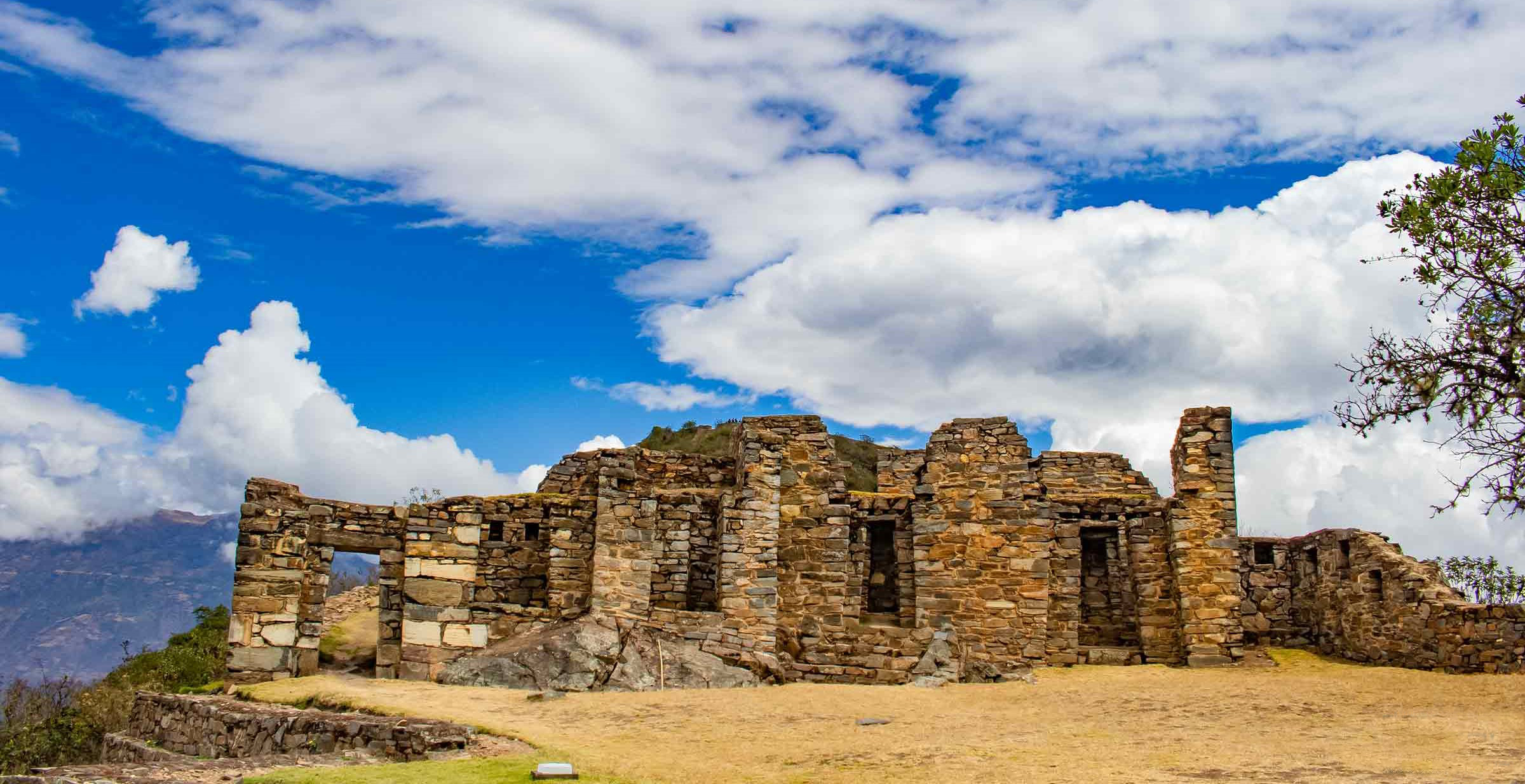 Choquequirao, often called “The Last Refuge of the Incas,” is an incredible archaeological site tucked away in the Andes. Less crowded than Machu Picchu, this ancient city offers an adventurous trek to its remote location, rewarding visitors with stunning views and rich history. At 3,050 meters above sea level, Choquequirao features impressive Incan terraces, stone structures, and a fascinating glimpse into the empire’s past.
Accessible only by foot, the journey to Choquequirao is perfect for those seeking a mix of history, adventure, and nature. Surrounded by dramatic landscapes, this hidden gem is becoming a must-visit for travelers eager to explore Peru’s untold stories.
History of Choquequirao
Choquequirao, often referred to as “The Last Refuge of the Incas,” was a major Inca site, though it remains lesser-known compared to Machu Picchu. The name Choquequirao translates to “Cradle of Gold” in Quechua, reflecting its significance in Inca culture.
The site is believed to have been constructed in the 15th century during the reign of the Inca emperor Pachacuti, who expanded the Inca Empire significantly. Choquequirao is thought to have been both a religious and administrative center, playing a crucial role in the empire’s control over the surrounding valleys and trade routes. It is believed to have been a strategic stronghold for the Incas, particularly during their final years of resistance against Spanish conquistadors.
In the 16th century, after the Spanish conquest, Choquequirao was abandoned and remained hidden from the world for centuries, slowly being reclaimed by the dense forests surrounding it. It wasn’t until the mid-19th century that explorers rediscovered the site, although it wasn’t fully excavated until much later.
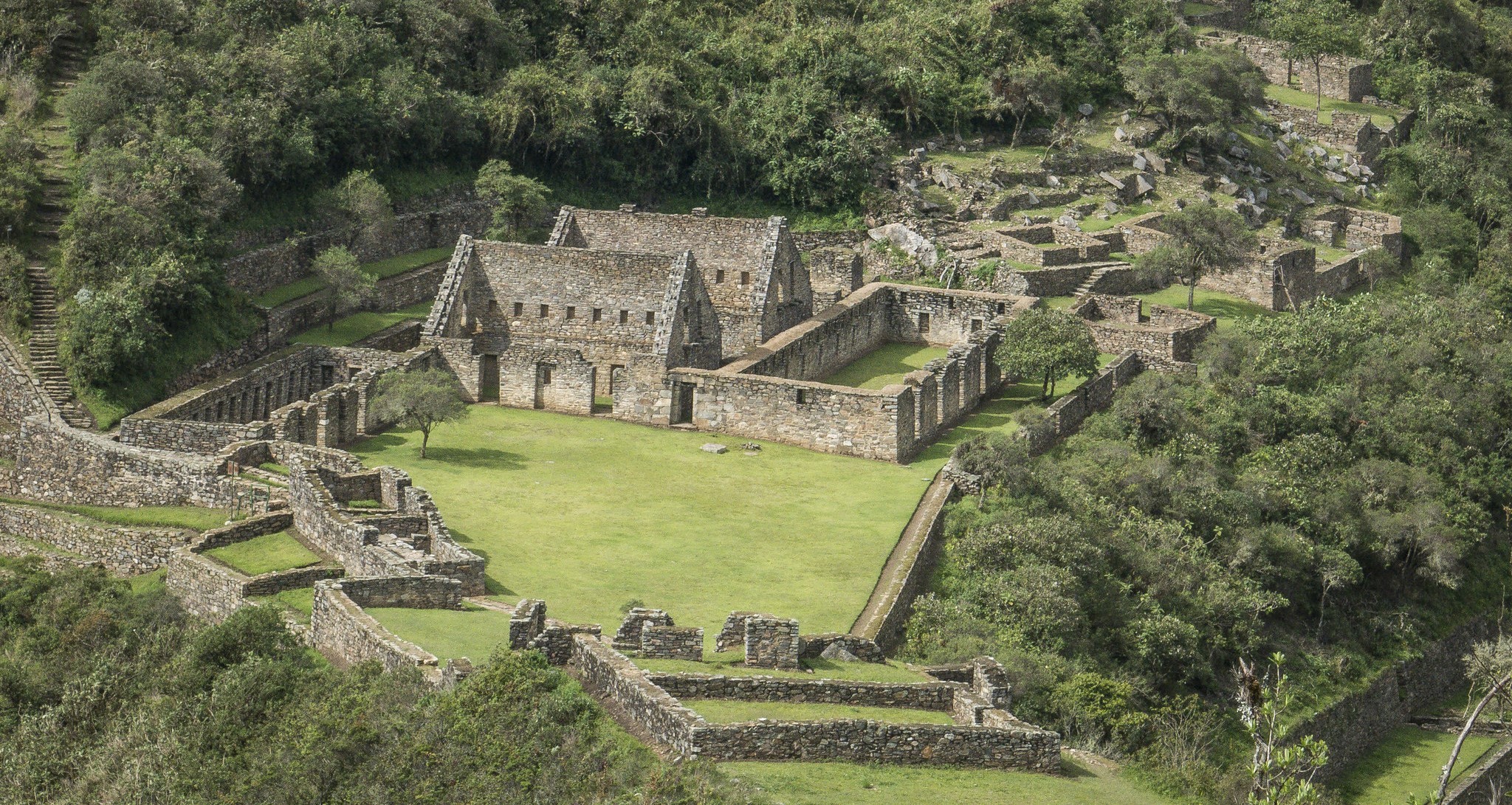
Today, Choquequirao is a fascinating glimpse into Inca architecture, with impressive terraces, ceremonial plazas, and remnants of Incan farming systems. Despite being one of the most significant archaeological sites in Peru, it remains relatively remote and less crowded, offering a more tranquil experience than other Inca sites.
How to Get to Choquequirao
Reaching Choquequirao requires a multi-day trek, as it’s located in a remote area of the Peruvian Andes. Here’s how to get there:
- Start from Cusco: Most visitors begin their journey in Cusco. From there, take a bus or private transport to Capuliyoc (about 4-5 hours), the starting point of the trek.
- The Trek: From Capuliyoc, it’s a challenging 4-5 day round trip. The hike takes you down to the Apurímac River and then up to Choquequirao, situated at 3,050 meters (10,000 feet). Be ready for steep, rugged terrain and changing weather.
- Hiring a Guide: Due to the difficulty of the trek, it’s highly recommended to hire a local guide. Guides can help with navigation, safety, and provide valuable insights into the history of the site.
- Alternative Routes: While Capuliyoc is the most common starting point, there are other routes from towns like Cachora or Mollepata, though these require more planning.
Prepare for a physically demanding hike, and ensure you have proper gear, food, and water for the journey.
Best Time to Visit Choquequirao
The best time to visit Choquequirao is during the dry season from May to September, when the weather is clearer and the trails are less slippery. This period is ideal for trekking, as rain is less frequent and conditions are more favorable.
- Dry Season (May to September): Expect cooler temperatures and better hiking conditions. June to August is peak season, so there may be more visitors, though it’s still quieter than other Inca sites.
- Wet Season (October to April): The trails are less crowded, but rain is common, making the hike more challenging.
In either season, it’s important to be prepared for rapidly changing weather, as temperatures can vary widely, especially at higher altitudes.
Archaeological Sites of Choquequirao
 Choquequirao is a vast and impressive Inca site, with several notable archaeological features spread across its rugged terrain. Some of the key sites within Choquequirao include:
- Main Plaza: The heart of the site, this open space is surrounded by impressive terraces and buildings. It likely served as a ceremonial area and gathering place for the Inca elite.
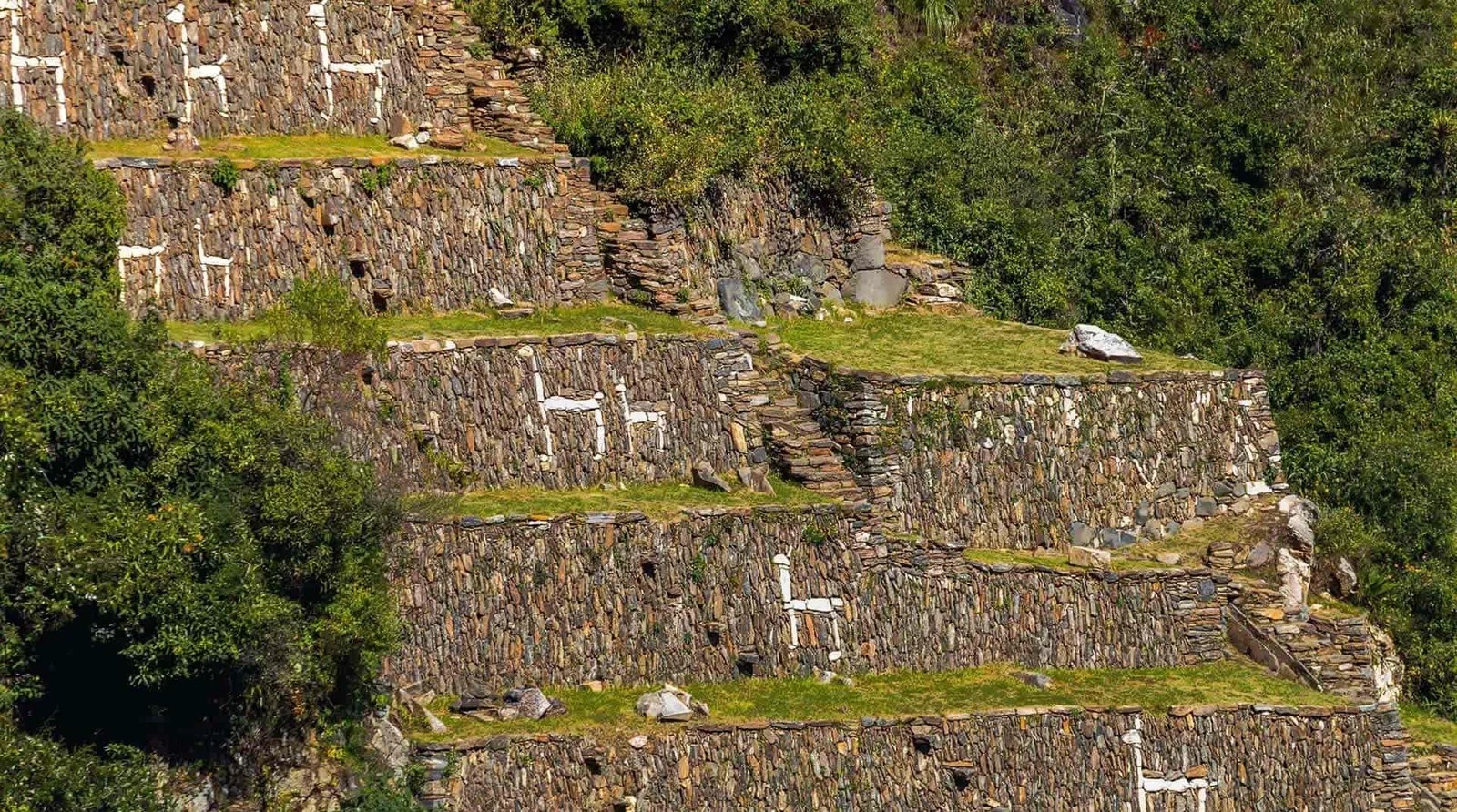
- Terraces: The site is known for its extensive agricultural terraces, which were used for farming crops like maize and potatoes. These terraces also helped with water management and soil conservation in the steep mountainous terrain.
- The Temple of the Sun: This structure is a significant part of Choquequirao, dedicated to the worship of the sun god Inti. Similar to other Inca sites, it is believed to have been used for religious ceremonies and rituals.
- Inca Trails: The network of ancient Inca paths leading to and from Choquequirao reveals the site’s role as an important hub in the Inca Empire’s road system, connecting it to other key locations.
- Sector of the Fountains: Located in the upper part of the site, this area is believed to have served as a water management system. It features fountains and channels that once carried water from nearby springs to the terraces and other parts of the site.
- The Llama Terrace: This unique terrace features a carved image of a llama, an important animal to the Inca civilization, symbolizing the agricultural and livestock significance of the site.
These are just a few highlights, but Choquequirao has many more structures, plazas, and terraces that make it one of the most fascinating and well-preserved Inca archaeological sites in Peru.
Day-by-Day Itinerary
 Day 1: Departure from Cusco – Cachora to Apurímac River
Your journey begins with an early departure from Cusco, where you will travel by car for about four hours to reach the village of Cachora, the starting point of the Choquequirao trek. Once you arrive, you’ll begin your descent into the valley, heading toward the Apurímac River.
The path can be challenging, with steep slopes and rugged terrain, but the views of the surrounding landscape make it worthwhile. After several hours of hiking, you’ll set up camp near the river, where you’ll spend the night under the stars, reflecting on the adventure ahead.
Day 2: Apurímac River to Choquequirao
After a nourishing breakfast, the second day of the trek begins with a strenuous uphill climb to Choquequirao. This portion of the trek is physically demanding, but as you ascend, the landscape transforms, offering stunning views of the surrounding mountains and valleys.
Along the way, you will pass through dense forests, with occasional glimpses of the distant peaks and lush vegetation. By late afternoon, you will reach the base of Choquequirao, where you’ll set up camp for the night, preparing for the exciting exploration of the archaeological site the following day.
Day 3: Exploring Choquequirao Archaeological Site
Day three is dedicated to discovering the fascinating Choquequirao ruins. After breakfast, your guide will take you on a tour of the site, explaining the significance of its ancient structures. You’ll wander through the impressive Inca terraces, visit the ceremonial plazas, and marvel at the views from the Llama Terrace, an area known for its unique shape.
The site, often referred to as the “sister city” of Machu Picchu, offers a glimpse into the grandeur of the Inca Empire. You’ll have time to explore at your own pace and take in the serene atmosphere before heading back to camp for another peaceful night in the wilderness.
Day 4: Return to Cachora
On the final day of your trek, you’ll pack up camp and begin the descent back to the Apurímac River. The downward hike is tough on the knees, but the changing landscapes and fresh air make it an enjoyable experience. Once you reach the river, you’ll make the final climb back up to the village of Cachora. After the challenging trek, you’ll travel back to Cusco by car, arriving in the evening, marking the end of your unforgettable journey through the stunning Andes.
This version of the itinerary presents the daily schedule as a flowing narrative, offering a more detailed and immersive view of what each day entails.
How difficult is the Choquequirao Trek?
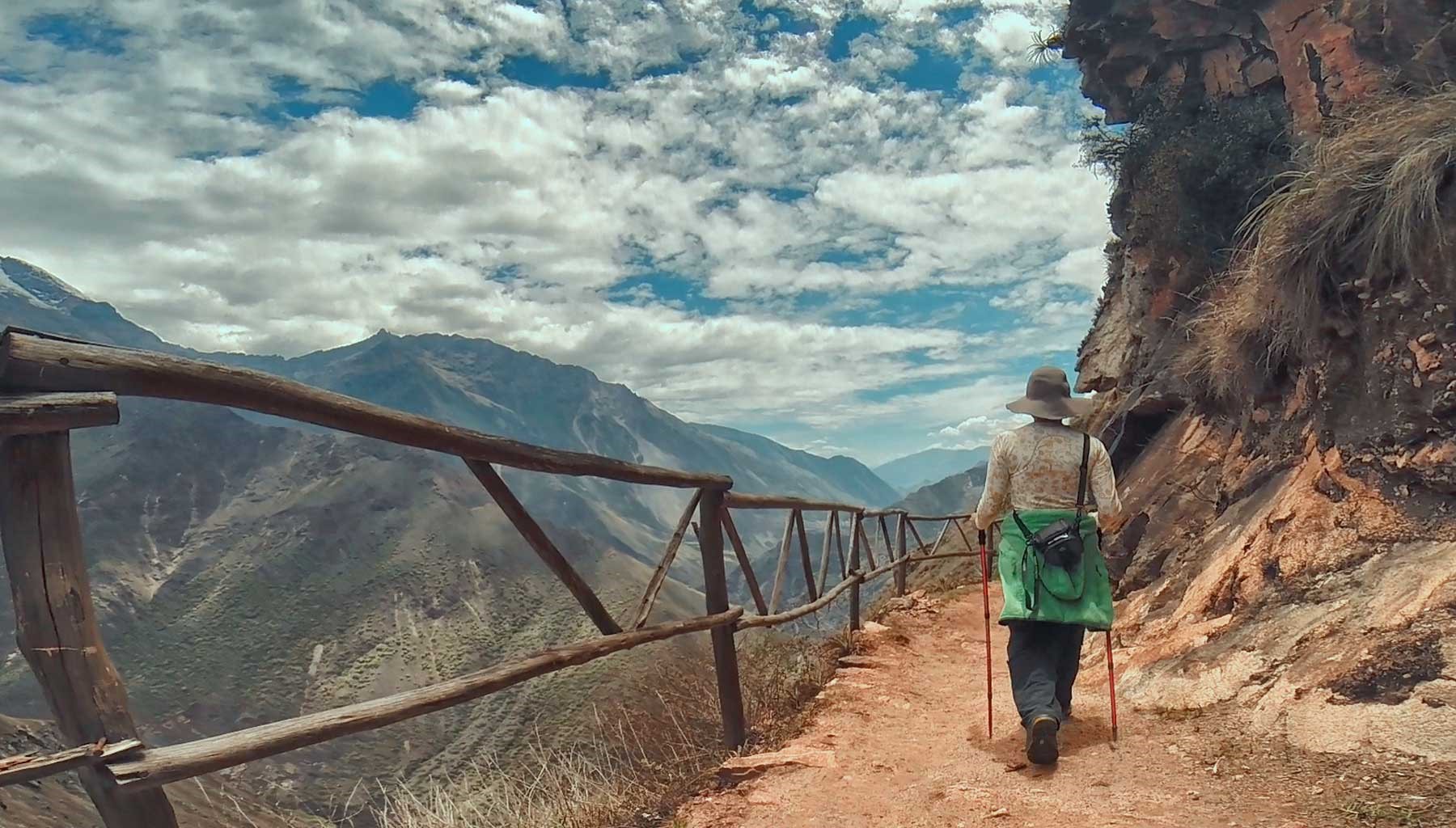 The Choquequirao Trek is considered a moderate to difficult hike due to its challenging terrain, steep ascents, and high altitude. The trail involves significant elevation changes, with a descent to the Apurímac River at 1,500 meters (4,920 feet) and a climb to Choquequirao at 3,100 meters (10,170 feet).
The terrain is steep and rugged, and some sections can be narrow or unstable. The distance of the trek is about 60-64 kilometers (37-40 miles) for the round trip, with long hiking days that can last 6-8 hours.
The weather can also add to the difficulty, with drastic temperature changes between day and night and the possibility of rain, especially during the wet season. Proper acclimatization is important, as the high altitude may cause altitude sickness if you are not well-prepared.
This trek is physically demanding and requires a good level of fitness. It’s not suitable for beginners, but with proper preparation and conditioning, it’s an incredibly rewarding and scenic adventure.
Packing List
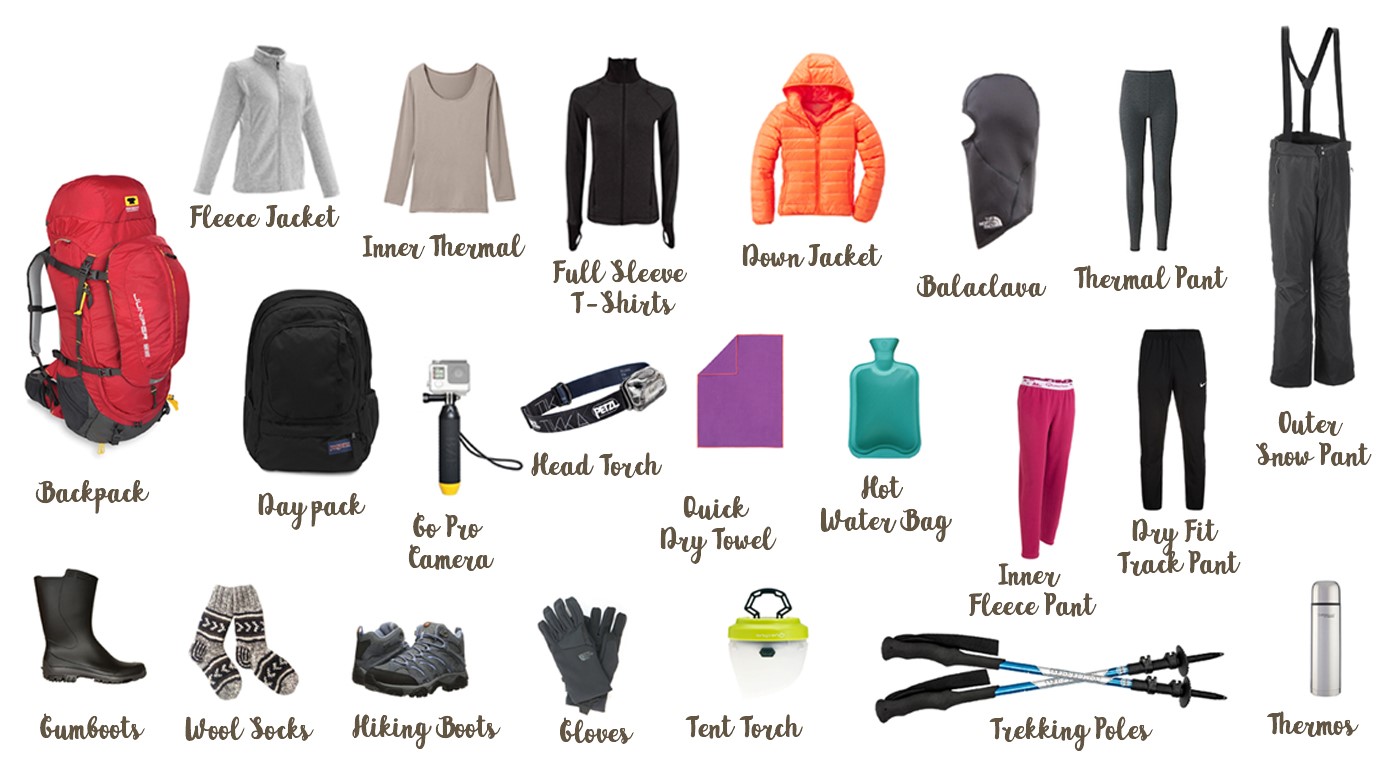 Here’s a packing list for the Choquequirao Trek, keeping in mind the rugged terrain, changing weather, and remote environment:
- Passport (and a photocopy)
- Trekking permits (if not arranged by a tour operator)
- Cash (small bills)
- Base layers (moisture-wicking top and bottom)
- Trekking pants (quick-dry and lightweight)
- Waterproof jacket
- Warm jacket (for cold nights)
- Hat (for sun protection)
- Gloves (for chilly evenings)
- Socks (moisture-wicking, wool is ideal)
- Hiking boots (waterproof and sturdy)
- Camp shoes (sandals or light sneakers)
- Backpack (30-40 liters, with waterproof cover)
- Sleeping bag (appropriate for temperatures around 0-5°C/32-41°F)
- Trekking poles (helpful for steep terrain)
- Water bottles or hydration system (2-3 liters capacity)
- Snacks (energy bars, nuts, trail mix)
- Sunscreen (high SPF)
- Toiletries (toothbrush, toothpaste, biodegradable soap, toilet paper)
- First aid kit (personal medications, blister treatment)
- Headlamp or flashlight (with extra batteries)
- Power bank
Make sure to pack light but be prepared for a range of weather conditions and the physical demands of the trek. Proper preparation and quality gear will help ensure a more comfortable and safe journey.
