
Complete Guide to Manu National Park: Travel Tips & Wildlife
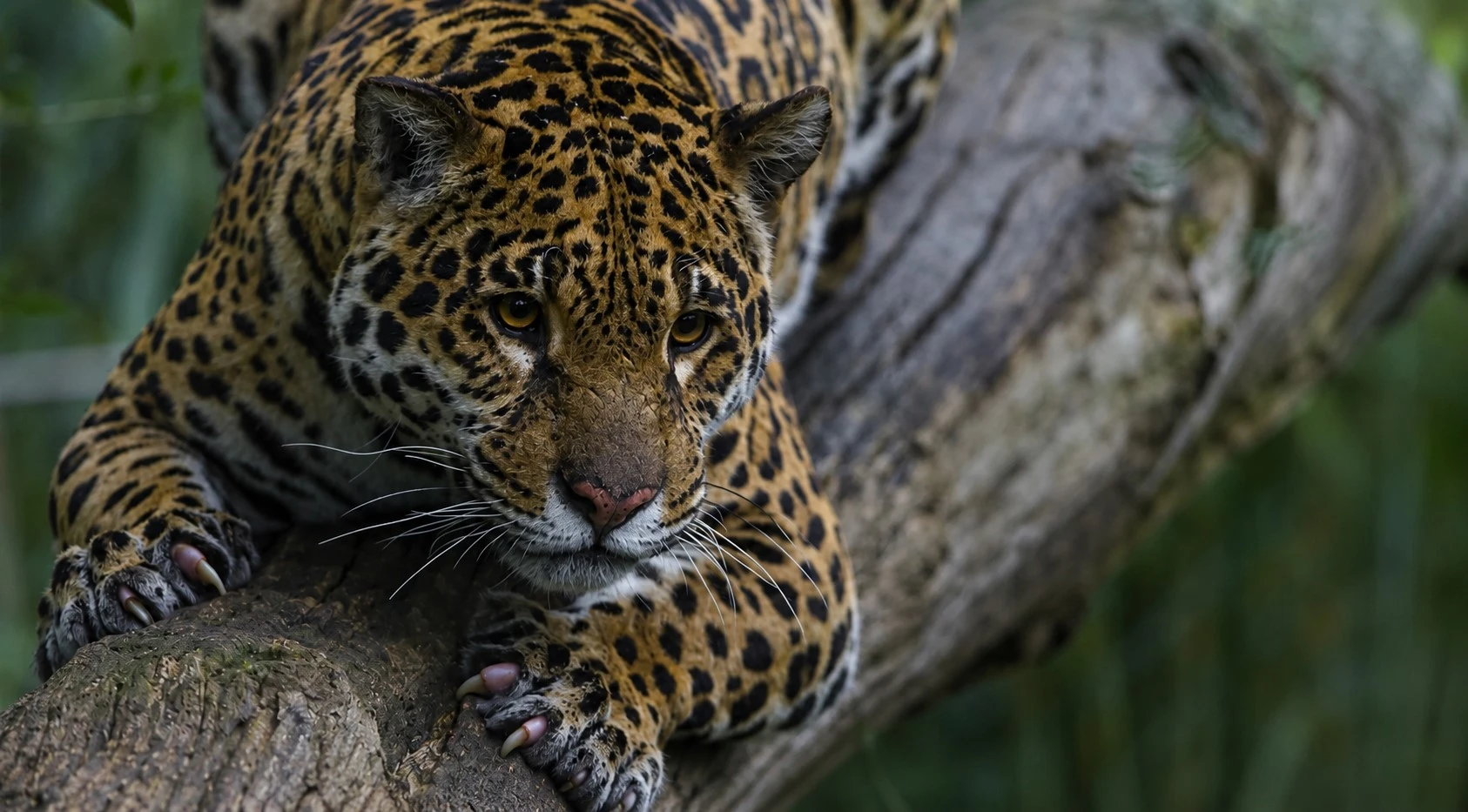 Complete Guide to Manu National Park is designed to help you explore one of Peru’s most extraordinary natural treasures. Located between the Andes Mountains and the Amazon Basin, Manu protects an incredible diversity of wildlife, pristine rainforests, and breathtaking landscapes that remain largely untouched by modern development.
Recognized as a UNESCO World Heritage Site, Manu National Park is home to more than 1,000 bird species, hundreds of mammals, reptiles, amphibians, and thousands of plant species.
Whether you’re planning your first Amazon adventure or searching for the best jungle experience in Peru, this guide covers everything you need to know before your journey begins.
From choosing the best time to visit to understanding the different park zones and discovering the wildlife that makes Manu famous worldwide, you’ll find practical information and expert travel tips to help you make the most of your experience.
Quick Facts About Manu National Park
Feature |
Details |
|---|---|
| 📍 Location | Cusco & Madre de Dios, Peru |
| 🌎 Established | 1973 |
| 🏆 UNESCO Status | World Heritage Site |
| 🌿 Area | 1.7 Million Hectares |
| 🦜 Bird Species | 1,000+ |
| 🐒 Mammal Species | 220+ |
| ⭐ Best For | Wildlife, Birdwatching & Nature |
Why Visit Manu National Park?
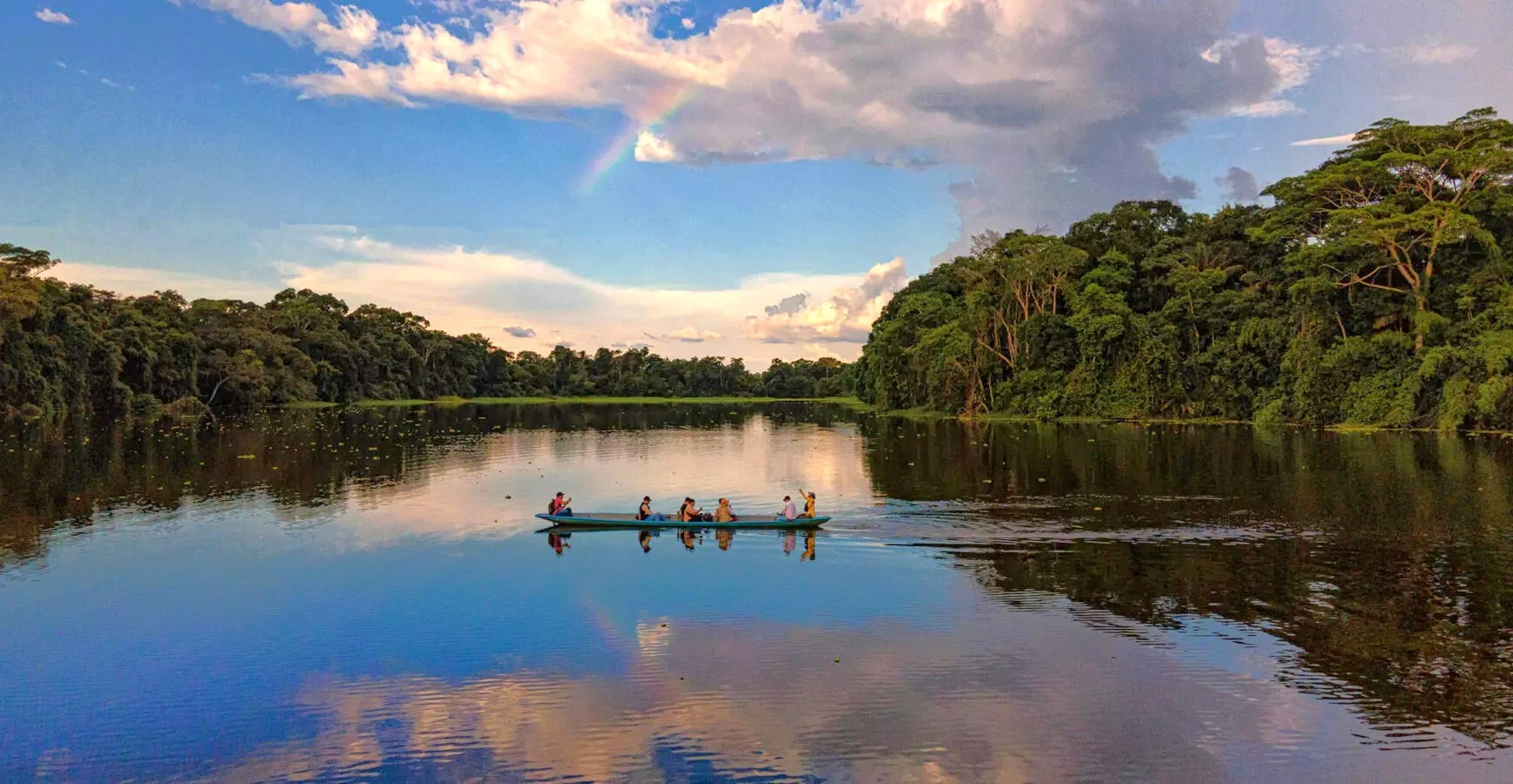
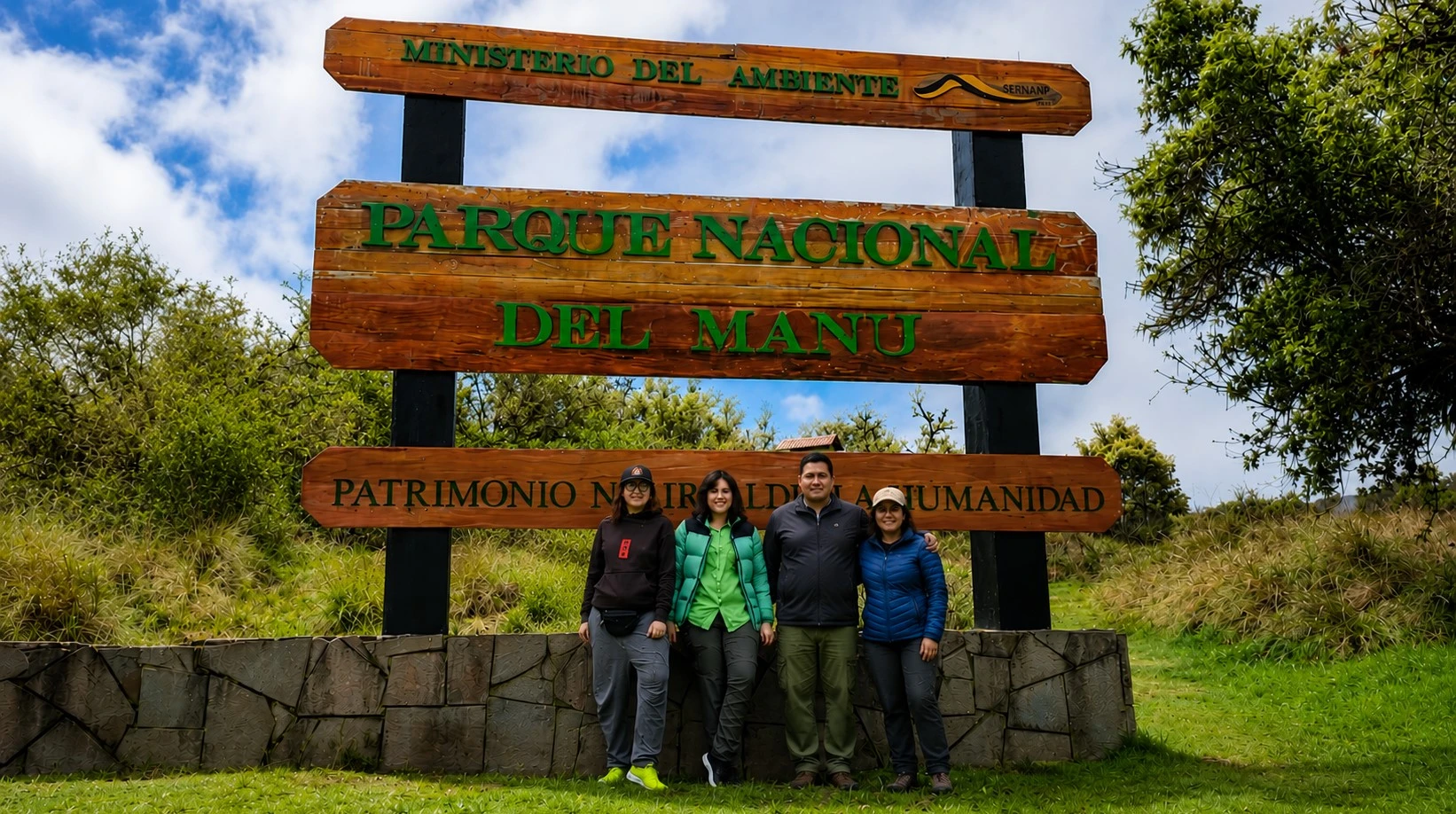 Imagine drifting silently along an Amazon river as giant river otters swim nearby, scarlet macaws soar overhead, and the sounds of the rainforest surround you.
Manu National Park offers experiences that few places on Earth can match, making it one of the most rewarding destinations for nature lovers and adventure travelers alike.
Unlike more developed tourist destinations, Manu remains remarkably untouched. Strict conservation measures and limited visitor access have helped preserve its ecosystems, allowing wildlife to thrive in its natural habitat.
Every journey into the park feels authentic, peaceful, and deeply connected to nature.
Highlights
- Observe incredible wildlife in its natural habitat.
- Explore pristine cloud forests and Amazon rainforest.
- Discover one of the world’s richest biodiversity hotspots.
- Experience unforgettable birdwatching opportunities.
- Learn about indigenous cultures and conservation efforts.
Travel Tip: If your schedule allows, choose a 4 or 5-day tour. Spending more time in the rainforest greatly increases your chances of seeing iconic wildlife.
What Makes Manu National Park Unique?
Few destinations offer the same variety of ecosystems within a single protected area. As you travel from Cusco into Manu, the scenery changes dramatically—from towering Andean mountains to misty cloud forests and finally the lush Amazon rainforest. This remarkable transition creates the perfect environment for thousands of plant and animal species to thrive.
Because much of the park remains untouched, Manu continues to attract scientists and conservationists from around the world. New species are still being discovered, reinforcing its reputation as one of the most biologically important places on the planet.
Why Travelers Love Manu
Experience |
Why It’s Special |
|---|---|
| Wildlife Watching | Excellent opportunities to see monkeys, macaws and giant river otters. |
| Birdwatching | One of the best birding destinations in the world. |
| Photography | Stunning landscapes and extraordinary wildlife. |
| Adventure | Jungle hikes, boat trips and night walks. |
| Conservation | A protected rainforest with limited tourism. |
What is Manu National Park?
Nestled between the Andes Mountains and the Amazon Basin, Manu National Park is Peru’s largest protected natural area and one of the most biologically diverse places on Earth.
Covering more than 1.7 million hectares, the park stretches across the regions of Cusco and Madre de Dios, protecting an extraordinary range of landscapes, from misty cloud forests to untouched Amazon rainforest.
Established in 1973, Manu was created to preserve one of the last great wilderness areas in South America. Today, it is internationally recognized for its exceptional biodiversity, pristine ecosystems, and commitment to conservation, attracting nature lovers, birdwatchers, photographers, and scientists from around the world.
Why is Manu National Park Famous?
Manu National Park is celebrated for its incredible biodiversity and untouched wilderness. Unlike many other Amazon destinations, large areas of the park remain protected from mass tourism, allowing wildlife to thrive in its natural habitat.
Visitors come to Manu for its remarkable wildlife encounters, peaceful river expeditions, lush rainforest trails, and the opportunity to experience one of the world’s most important conservation areas.
Manu National Park Highlights
- 🌿 One of the world’s richest biodiversity hotspots.
- 🦜 Home to more than 1,000 bird species.
- 🐒 Habitat for over 220 mammal species.
- 🌎 UNESCO World Heritage Site.
- 🚤 Spectacular jungle rivers and oxbow lakes.
- 📷 A paradise for wildlife photography.
History of Manu National Park
 For thousands of years, indigenous communities have lived in harmony with the forests of Manu, relying on the rainforest for food, medicine, and cultural traditions. Their knowledge of the Amazon continues to play an important role in protecting this unique environment.
Recognizing the park’s extraordinary ecological importance, the Peruvian government officially established Manu National Park in 1973. Just four years later, UNESCO designated the region as a Biosphere Reserve, followed by its recognition as a World Heritage Site in 1987.
Today, Manu stands as one of the world’s leading examples of successful rainforest conservation and sustainable ecotourism.
A Brief Timeline
Year |
Milestone |
|---|---|
| Before 1973 | Indigenous communities inhabited the region for thousands of years. |
| 1973 | Manu National Park was officially established. |
| 1977 | Declared a UNESCO Biosphere Reserve. |
| 1987 | Designated a UNESCO World Heritage Site. |
| Today | A global symbol of biodiversity and conservation. |
Wildlife of Manu National Park
Wildlife is undoubtedly the main attraction of Manu National Park. Thanks to its protected status and diverse habitats, the park offers exceptional opportunities to observe animals living freely in one of the world’s most pristine rainforests.
From colorful parrots flying above the canopy to giant river otters swimming through tranquil lakes, every excursion into Manu offers unforgettable encounters with nature.
Mammals
Manu is home to more than 220 mammal species, making it one of South America’s premier wildlife destinations. While sightings can never be guaranteed, visitors regularly encounter monkeys, capybaras, peccaries, and giant river otters during guided tours.
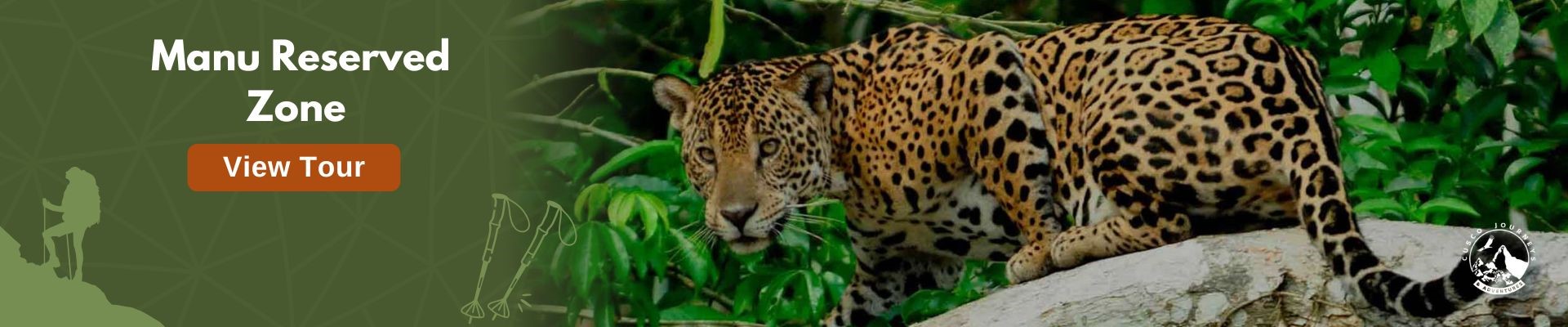
Lucky travelers may even spot elusive species such as the Jaguar, Amazon Tapir, or the rare Spectacled Bear in the cloud forest.
Common Mammals
- 🐆 Jaguar
- 🦦 Giant River Otter
- 🐒 Spider Monkey
- 🐵 Woolly Monkey
- 🙉 Red Howler Monkey
- 🦥 Brown-throated Sloth
- 🐗 White-lipped Peccary
- 🦌 Amazon Tapir
- 🐹 Capybara
Wildlife Tip: Early mornings and late afternoons are usually the best times to observe mammals, as many species become more active during the cooler hours of the day.
Birds
For birdwatchers, Manu National Park is considered one of the finest destinations on Earth. More than 1,000 bird species have been recorded here, representing nearly 10% of all bird species found worldwide.
Whether you’re an experienced birder or simply enjoy nature, the diversity of colorful birds is truly remarkable.
Bird |
Why You Should See It |
|---|---|
| 🦜 Scarlet Macaw | Famous clay lick gatherings. |
| ❤️ Andean Cock-of-the-Rock | Peru’s national bird. |
| 🦅 Harpy Eagle | One of the world’s largest eagles. |
| 🦜 Blue-and-yellow Macaw | Frequently seen along rivers. |
| 🦜 Toucans | Easily recognized by their colorful bills. |
Reptiles and Amphibians
Although they often receive less attention than mammals and birds, Manu’s reptiles and amphibians are equally fascinating. Night walks reveal an entirely different side of the rainforest, where frogs, insects, and nocturnal reptiles become active.
Visitors may encounter colorful tree frogs, river turtles, iguanas, and black caimans while exploring the park’s rivers and jungle trails.
Flora of Manu National Park
The incredible biodiversity of Manu extends far beyond its wildlife. The rainforest shelters thousands of plant species, including giant trees, orchids, bromeliads, palms, and medicinal plants that have been used by indigenous communities for generations.
Towering Ceiba trees, dense bamboo forests, and colorful orchids create breathtaking scenery while providing shelter and food for countless animal species.
The Three Ecosystems of Manu National Park
 One of Manu’s greatest strengths is its incredible ecological diversity. As you travel deeper into the park, the landscape changes dramatically, offering three distinct ecosystems within a single protected area.
- High Andes: The journey begins in the Andean highlands, where mountain grasslands and panoramic viewpoints dominate the landscape before descending toward the rainforest.
- Cloud Forest: Often covered in mist, the cloud forest is one of the most beautiful sections of the route. Waterfalls, orchids, colorful birds, and the possibility of spotting the rare Spectacled Bear make this area unforgettable.
- Amazon Rainforest: The lowland rainforest is the heart of Manu National Park. Here you’ll find winding rivers, oxbow lakes, towering trees, and an extraordinary concentration of wildlife that makes Manu famous worldwide.
Ecosystems at a Glance
Ecosystem |
Main Highlights |
|---|---|
| 🏔️ High Andes | Mountain scenery, high-altitude wildlife and breathtaking views. |
| 🌿 Cloud Forest | Orchids, waterfalls, Cock-of-the-Rock and lush vegetation. |
| 🌴 Amazon Rainforest | Jaguars, giant river otters, macaws and incredible biodiversity. |
💡 Travel Tip
If you’re visiting Manu for the first time, choose an itinerary that includes all three ecosystems. Experiencing the transition from the Andes to the Amazon is one of the highlights of any journey and offers the best opportunity to appreciate the park’s extraordinary biodiversity.
Best Time to Visit Manu National Park
Manu National Park can be visited throughout the year, but the experience changes with the seasons. The dry season (May to October) offers pleasant weather, easier hiking trails, and excellent wildlife viewing, while the rainy season (November to April) transforms the rainforest into a lush, vibrant landscape with fewer visitors.
No matter when you travel, Manu promises unforgettable encounters with nature.
Dry Season vs. Rainy Season
Season |
What to Expect |
|---|---|
| May – October | Drier weather, easier hikes, better wildlife viewing and birdwatching. |
| November – April | Greener rainforest, occasional heavy rain, fewer tourists and beautiful scenery. |
Travel Tip: June to September is often considered the best period for first-time visitors thanks to comfortable weather and excellent wildlife opportunities.
How to Get to Manu National Park
Most tours to Manu National Park begin in Cusco, where visitors travel by road through the Andes and Cloud Forest before continuing into the Amazon rainforest by boat.
Although it is possible to reach some nearby Amazon destinations independently, visiting Manu National Park is only recommended with an authorized tour operator due to conservation regulations and the park’s remote location.
Departure |
Travel Time |
Transport |
|---|---|---|
| Cusco | 8–10 hours | Tourist vehicle & boat |
| Puerto Maldonado* | Varies | Boat & local transport |
*Some itineraries operate from Puerto Maldonado, depending on the area being visited.
Manu National Park Zones
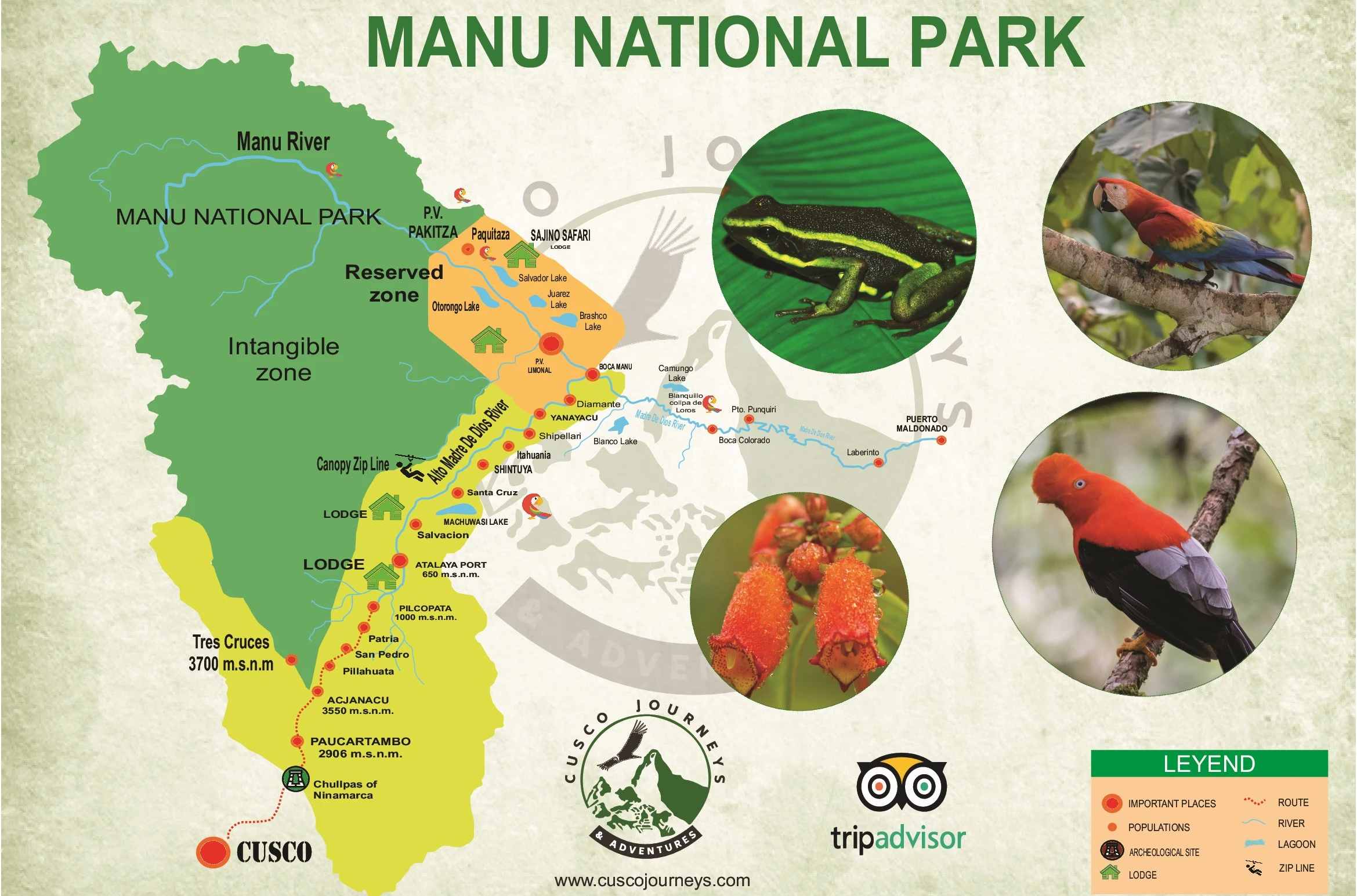
To protect its extraordinary biodiversity, Manu National Park is divided into different zones, each with specific access regulations.
| Zone | Visitor Access | Best For |
|---|---|---|
| Cultural Zone | ✅ Open to visitors | First-time travelers and shorter tours |
| Reserved Zone | ✅ Limited access | Wildlife enthusiasts and longer expeditions |
| Core Zone | ❌ Closed to tourism | Scientific research and conservation |
- The Cultural Zone is the most accessible area and offers an excellent introduction to the Amazon. Travelers can enjoy wildlife watching, jungle walks, and comfortable eco-lodges.
- The Reserved Zone provides a deeper rainforest experience with fewer visitors and greater opportunities to observe wildlife.
- The Core Zone remains strictly protected and is reserved for scientific research and indigenous communities.

Top Things to Do in Manu National Park
Every day in Manu offers a different adventure. Whether you’re navigating quiet rivers or walking through ancient forests, each activity brings you closer to nature.
Don’t Miss These Experiences
- 🦜 Observe colorful macaws at clay licks.
- 🐒 Spot monkeys, giant river otters and other wildlife.
- 🚤 Explore Amazon rivers by boat.
- 🌿 Walk through untouched rainforest trails.
- 🌙 Experience a guided night walk.
- 📷 Capture unforgettable wildlife photographs.
- 🐦 Enjoy world-class birdwatching.
- 🌅 Watch spectacular rainforest sunrises.
What to Pack for Manu National Park
Packing the right gear will help you stay comfortable throughout your adventure.
Essential Items
- Lightweight clothing
- Waterproof jacket
- Hiking shoes
- Insect repellent
- Sunscreen
- Hat
- Binoculars
- Camera
- Reusable water bottle
Frequently Asked Questions