
Dead Woman’s Pass on The Inca Trail
 Dead woman’s pass on The Inca Trail, is not only one of the most iconic parts of this Machu Picchu Treks. It is also one of the most difficult as well as memorable sections of the entire the 4-day Inca trail.
This pass, located at a high altitude, challenges hikers with its steep climb, but it also rewards them with stunning views of the surrounding mountains and valleys.
In this article, we’ll tell you more about the famous Dead Woman’s Pass. Here, you’ll learn what to expect during the climb and why it has become such a memorable part of the Inca Trail experience.
Dead Woman’s Pass
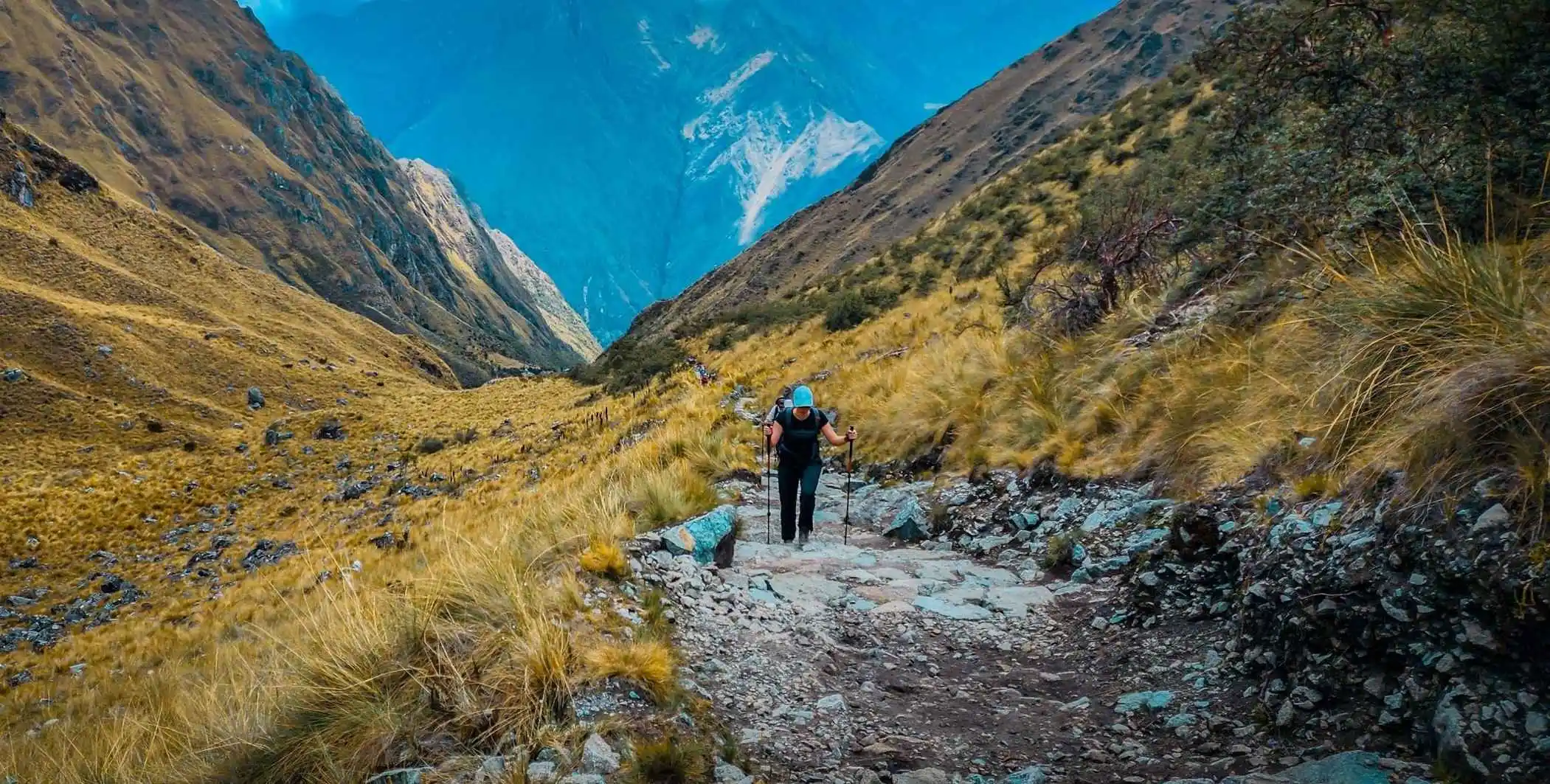 Dead Woman’s Pass, or ‘Warmiwañusqa’ in Quechua, is the highest point of the Inca Trail that leads to Machu Picchu. It’s located at 4,215 masl.This high-altitude section is challenging but offers incredible views of the surrounding Andes mountains.
Many trekkers describe reaching this point as one of the most rewarding moments of the 4-day hike. The name dead woman’s pass comes from the Quechua “Warmi Wañusqa” which means “warmi” = woman and “Wañuy” = die, death or dead, translating to “dead woman”.
It is called the dead woman’s pass because from this point the mountains up ahead on the hike resemble the profile of a woman laying down, staring at the sky.
This formation makes the pass a notable point along the Inca Trail. It is also a common spot for trekkers to rest and prepare for the next stages of the hike, as the climb requires careful pacing and acclimatization to the high altitude.
The Legend of the Dead Woman’s Pass
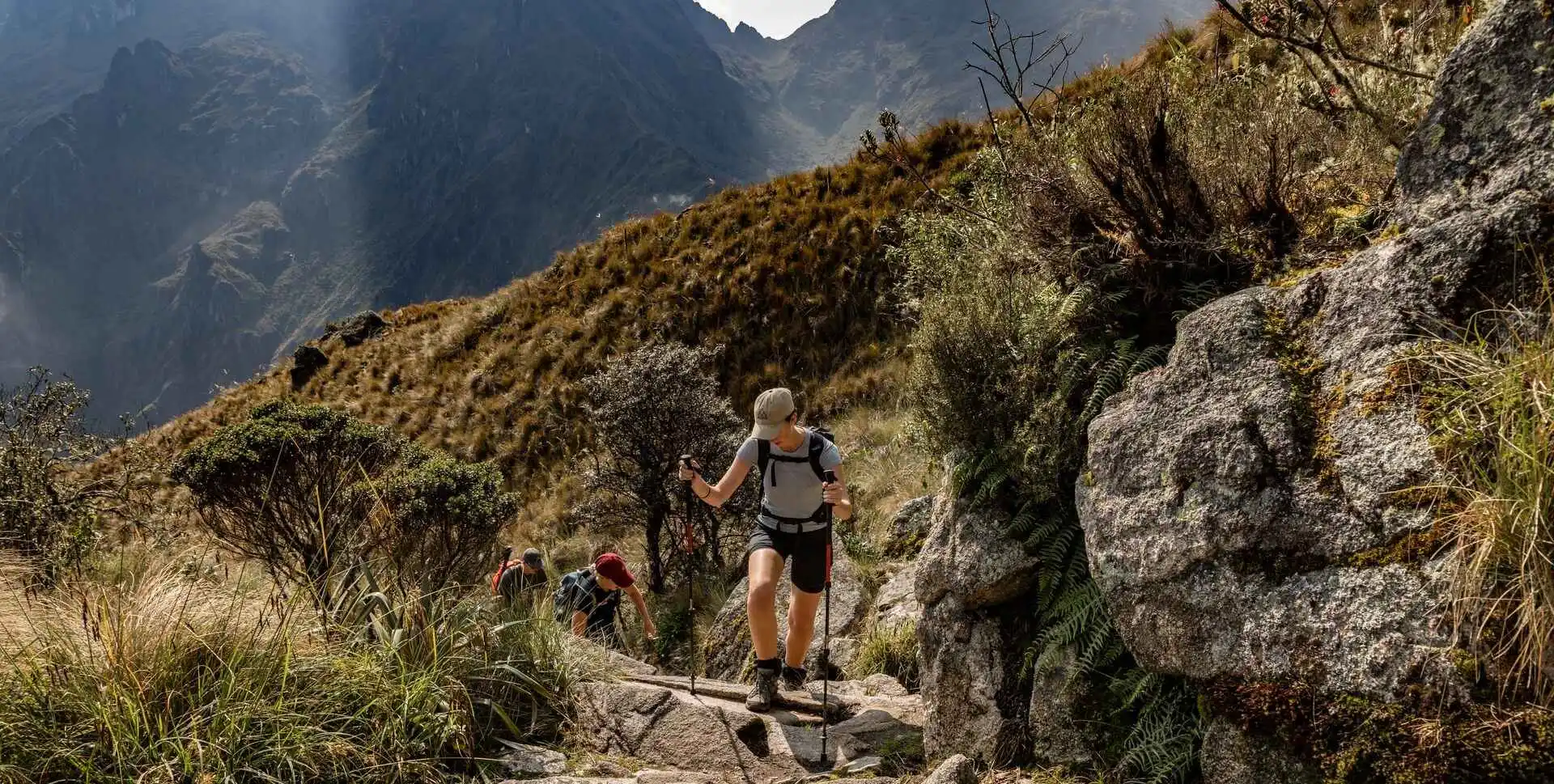 The name Dead Woman’s Pass carries a mysterious story about this remarkable location. According to local legends, the pass was named after a young woman who died while attempting to cross the mountains.
She was said to be a princess from a neighboring tribe who had fallen in love with an Inca prince. When her family discovered the relationship, they forbade her from seeing the prince and forced her to flee into the mountains.
Despite her youth and inexperience, the woman was determined to cross the mountains to reach her loved one. She set out alone and managed to reach Dead Woman’s Pass, but the high altitude and freezing temperatures overcame her. She died on the mountain, far from her true love.
Today, many hikers on the Inca Trail report feeling a strange energy at Dead Woman’s Pass, as if the spirit of the young woman still lingers in the mountain air. Some even claim to hear ghostly whispers or feel an unexpected chill, even on warm days.
Numerous versions of this legend circulate among locals and trekkers alike, making it a fascinating story to encounter while walking the Inca Trail.
Where Is Dead Woman’s Pass?
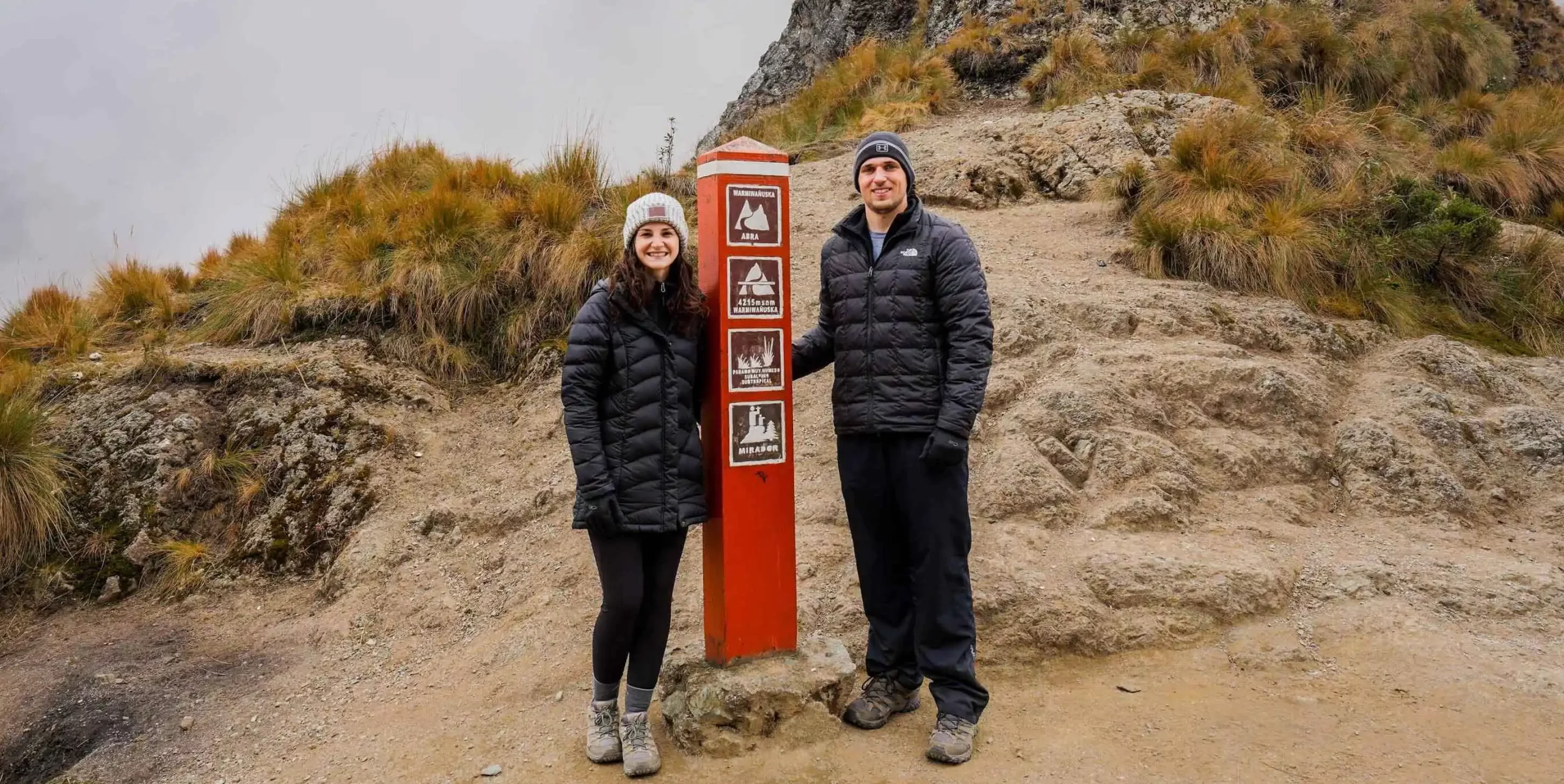
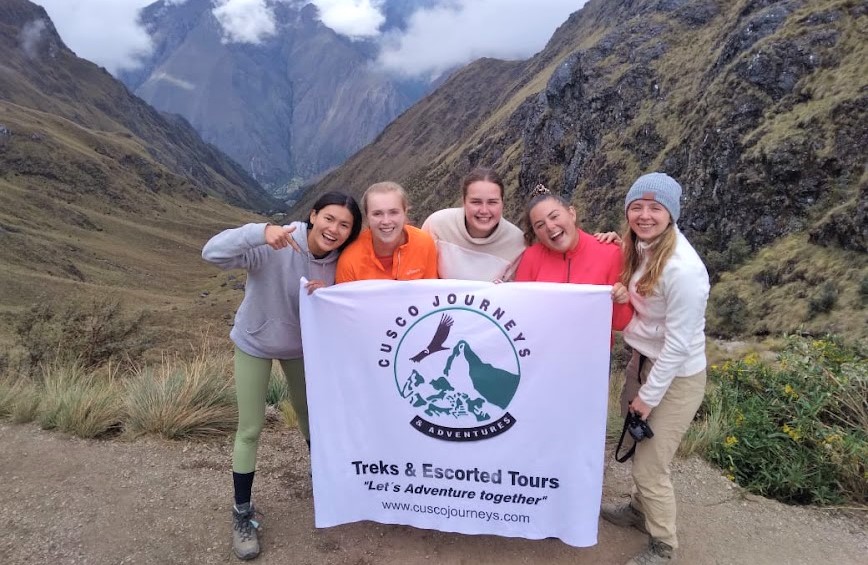 Dead Woman’s Pass is located on day 2 of the popular Inca trail to Machu Picchu. It lies southwest of the Patallaqta ruins at an elevation of 13,780 ft (4,215 meters) above sea level, within the Machu Picchu district.
Hiking this iconic section of the Inca Trail is considered one of the most rewarding trekking experiences in the region. Each year, thousands of hikers from around the world take on the challenge, eager to experience the breathtaking landscapes, high-altitude climbs, and historic sites along the way.

The Walk to Dead Woman’s Pass Challenging?
Yes, Dead Woman’s Pass is the highest point of the Inca Trail, reaching 13,780 feet (4,215 meters) above sea level. The altitude and steep climb will test both your physical endurance and adventurous spirit.
The effort is well worth it. Once at the top, you can enjoy expansive views of the Andes and the surrounding valleys.
The clear blue sky and vast mountain landscape provide a great sense of accomplishment and the energy needed to continue your journey to Machu Picchu
What is the best place to see the dead woman’s pass?
 The best place to observe the silhouette of this unique natural formation is from the archaeological center of Runkurakay. From this vantage point, you get a clear and well-positioned view of the pass and the distinctive shape of the mountains that resemble a lying woman.
Runkurakay itself is an interesting stop along the Inca Trail, with ancient stone structures that give you a glimpse into the engineering skills of the Inca civilization.
While taking in the view of Dead Woman’s Pass, you can also explore these ruins and appreciate how the trail was designed to connect important sites across the Andes.
Best Time to Visit Dead Woman’s Pass
The best time to trek to Dead Woman’s Pass depends on the season:
- Dry season, from May to September: Days are generally sunny, rainfall is minimal, and the trail is safer. Hikers can enjoy clearer views of the surrounding mountains and valleys.
- Rainy season, from November to March: Trails can be slippery and more challenging, but the landscape becomes greener and more lush.
- February: The Inca Trail is closed for maintenance.
For the safest experience and the best views, planning your trek between May and September is recommended.
Tips for Conquering Dead Woman’s Pass
 Conquering Dead Woman’s Pass can be challenging, but with the right preparation and mindset, it becomes an unforgettable achievement. Here are some essential tips to help you tackle the trail:
- Acclimatize before you go: Spend at least 2-3 days in Cusco or another high-altitude location before starting the trek. This will help your body adjust to the elevation and reduce the risk of altitude sickness.
- Maintain a steady pace: Don’t rush! The trail is tough, and it’s important to keep a slow, steady pace. Take short, regular breaks to rest and catch your breath.
- Essential gear: Bring trekking poles, sturdy boots, layered clothing to adapt to changing weather, and a rain poncho. Weather can change quickly, so being prepared is key.
- Hydration and energy: Keep yourself hydrated by carrying plenty of water. Snacks like nuts, energy bars, or chocolate will help you maintain energy throughout the hike.
- Listen to your body: This is not a race. Pay attention to how you feel, and don’t push yourself beyond your limits. Taking it slow will not only make the journey more enjoyable but will help you stay safe.
Important fact: You can only see Dead Woman’s Pass by doing the classic 4 day Inca Trail with an authorized travel agency.
Frequently Asked Questions
📩 Get in Touch Now | 🌐 Visit Our Website