
Inca Trail from Cusco: The Ultimate Guide to the Classic Machu Picchu Hike
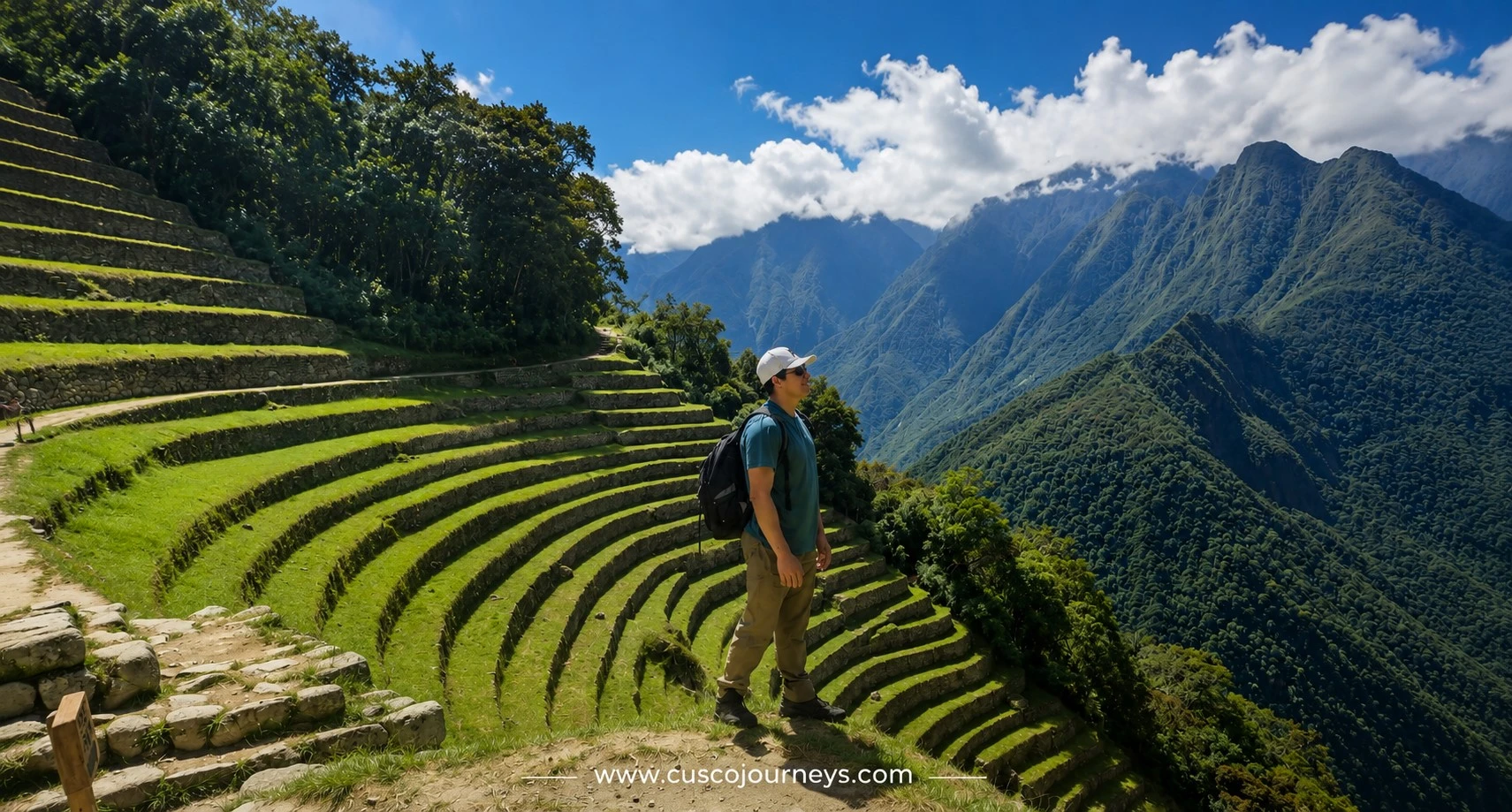 The Inca Trail from Cusco is one of the most iconic ways to reach Machu Picchu. This legendary trek combines ancient stone pathways, impressive Andean landscapes, cloud forests, and remarkable archaeological sites. The journey ends at Machu Picchu through Inti Punku, the Sun Gate, offering a memorable first view of the ancient citadel.
Planning the classic Inca Trail to Machu Picchu requires more than good hiking shoes. You need to understand the route, altitude, weather, permits, difficulty, and preparation before you travel.
This guide explains what you need to know to plan your trek with confidence, from leaving Cusco to reaching Machu Picchu.
What Is the Inca Trail to Machu Picchu?
The Inca Trail is an ancient network of stone paths that connected important settlements throughout the Inca Empire. Today, the classic route to Machu Picchu is one of the most famous trekking experiences in Peru.
The traditional four-day route combines mountain scenery with archaeological sites that cannot be reached by road. Along the way, hikers cross high Andean landscapes, cloud forests, stone stairways, and historic Inca settlements before reaching Machu Picchu through the Sun Gate.
The classic Inca Trail is different from other treks because the archaeological experience is part of the journey. Each day reveals new landscapes and historic sites as the trail gradually approaches Machu Picchu.
For travelers arriving in Cusco, spending a few days exploring the region before the trek can also help with acclimatization. The Sacred Valley is especially useful because it offers a lower-altitude environment while allowing you to experience Andean culture and landscapes.
Why Hike the Inca Trail from Cusco?
The Inca Trail is more than a route to Machu Picchu. It is a journey through some of the most remarkable landscapes and archaeological sites in the Andes.
Here are some of the main reasons travelers choose this route:
- Enter Machu Picchu through the Sun Gate and enjoy your first panoramic view of the citadel.
- Walk along ancient Inca pathways built centuries ago.
- Discover important archaeological sites such as Patallacta, Runkurakay, Sayacmarca, Phuyupatamarca, and Wiñay Wayna.
- Experience changing landscapes from high mountain terrain to cloud forest.
- Challenge yourself with steep climbs, stone stairways, and high mountain passes.
- Experience the journey at a slower pace instead of rushing directly to Machu Picchu.
- Combine hiking with history, nature, and Andean culture.
If you want a Machu Picchu trekking experience that combines adventure, history, nature, and culture, the classic Inca Trail is an exceptional choice.
Inca Trail Route and Map
 The classic Inca Trail begins at Km 82 near Piscacucho in the Sacred Valley region. From there, the route follows the original Inca road toward Machu Picchu.
The traditional four-day trek covers approximately 42 kilometers, or 26 miles. The distance itself is manageable for prepared hikers, but the combination of altitude, steep stone steps, and elevation changes makes the route physically demanding.
Inca Trail Route at a Glance
Route Point |
Approx. Altitude |
What You Will See |
|---|---|---|
| Km 82 | 2,700 m | Starting point of the classic Inca Trail |
| Patallacta | 2,750 m | Inca terraces and archaeological remains |
| Wayllabamba | 3,000 m | Mountain valley and first campsite |
| Dead Woman’s Pass | 4,215 m | Highest point of the trek |
| Pacaymayo | 3,600 m | High mountain valley |
| Runkurakay | 3,800 m | Circular Inca archaeological site |
| Phuyupatamarca | 3,650 m | Inca ruins above the cloud forest |
| Wiñay Wayna | 2,650 m | Terraces and ceremonial structures |
| Inti Punku | 2,730 m | First major view of Machu Picchu |
| Machu Picchu | 2,430 m | Final destination |
The route is carefully managed to protect its archaeological and natural environment. Access is regulated, and visitors must follow the current requirements established for the Inka Trail network.
Classic Inca Trail 4 Day Itinerary
 The four-day itinerary gradually increases the physical challenge before reaching Machu Picchu.
Day |
Route |
Distance |
Hiking Time |
Maximum Altitude |
|---|---|---|---|---|
| Day 1 | Km 82 to Wayllabamba | 12 km | 5–6 hours | 3,000 m |
| Day 2 | Wayllabamba to Pacaymayo | 11 km | 6–7 hours | 4,215 m |
| Day 3 | Pacaymayo to Wiñay Wayna | 16 km | 8–9 hours | 3,950 m |
| Day 4 | Wiñay Wayna to Machu Picchu | 5 km | About 2 hours | 2,730 m |
Day 1: Cusco to Wayllabamba
Highlight of the Day: Patallacta and the first views of the ancient Inca trail.
The adventure begins with an early departure from Cusco. Transportation takes you toward Km 82, the traditional starting point of the classic Inca Trail.
The first day introduces you to the terrain without the extreme elevation gain of the following stages. The trail follows the Urubamba River and passes through Andean landscapes before reaching Patallacta.
From Patallacta, the route continues toward Wayllabamba, where you spend your first night surrounded by mountains.
- Distance: Approximately 12 km
- Hiking time: About 5 to 6 hours
- Maximum altitude: Approximately 3,000 m
Day 2: Wayllabamba to Pacaymayo
Highlight of the Day: Crossing Dead Woman’s Pass.
Day 2 is widely considered the most demanding stage of the trek.
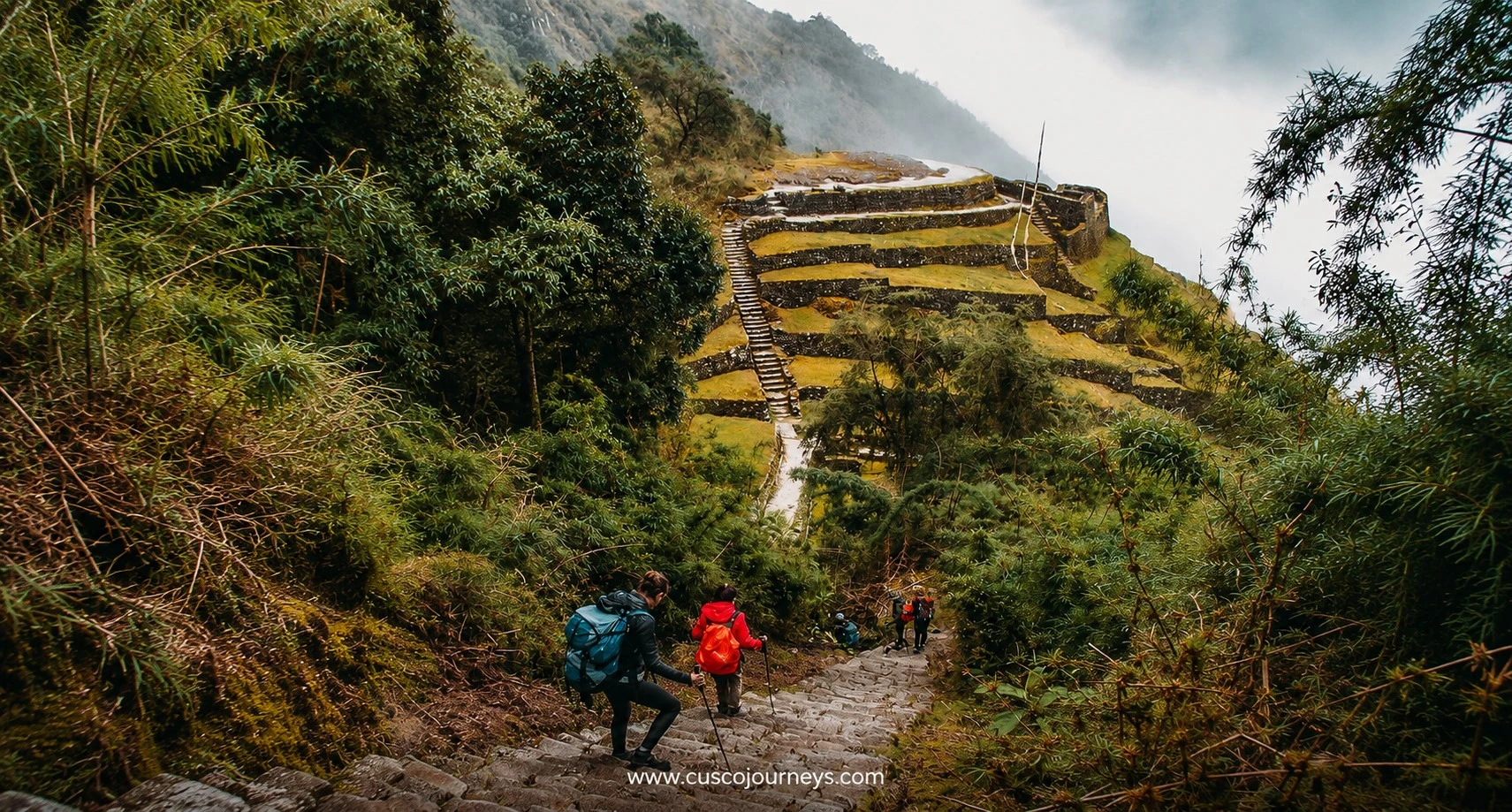
The trail climbs steadily toward Llulluchapampa before reaching Dead Woman’s Pass, known locally as Warmiwañusqa. At approximately 4,215 meters, it is the highest point of the classic Inca Trail.
After reaching the pass, the trail descends through a long section of stone steps toward Pacaymayo Valley.
The day requires endurance, but reaching the highest point of the route is one of the most rewarding moments of the trek.
- Distance: Approximately 11 km
- Hiking time: About 6 to 7 hours
- Maximum altitude: 4,215 m
Day 3: Pacaymayo to Wiñay Wayna
Highlight of the Day: Exploring Wiñay Wayna and walking through the cloud forest.
Day 3 is the longest and one of the most spectacular stages.
The trail continues through several mountain passes and archaeological sites. You will visit Runkurakay, Sayacmarca, and Phuyupatamarca before gradually descending into the cloud forest.
As the altitude decreases, the vegetation becomes greener and more humid. The final part of the day leads toward Wiñay Wayna, one of the most impressive archaeological sites along the route.
- Distance: Approximately 16 km
- Hiking time: About 8 to 9 hours
- Maximum altitude: Approximately 3,950 m
Day 4: Wiñay Wayna to Machu Picchu
Highlight of the Day: Entering Machu Picchu through the Sun Gate.
The final day begins early.
From Wiñay Wayna, the trail continues toward Inti Punku, the Sun Gate. This is where hikers on the classic route get their first panoramic view of Machu Picchu.
After reaching the Sun Gate, the trail continues toward the citadel. Your guide then leads you through the archaeological site before you continue with your planned transportation from Machu Picchu.
- Distance: Approximately 5 km
- Hiking time: About 2 hours to Machu Picchu
- Maximum altitude: Approximately 2,730 m
How Difficult Is the Inca Trail?
The classic Inca Trail is considered a moderately challenging to challenging trek. You do not need to be a professional athlete, but good physical preparation will make the experience much more comfortable.
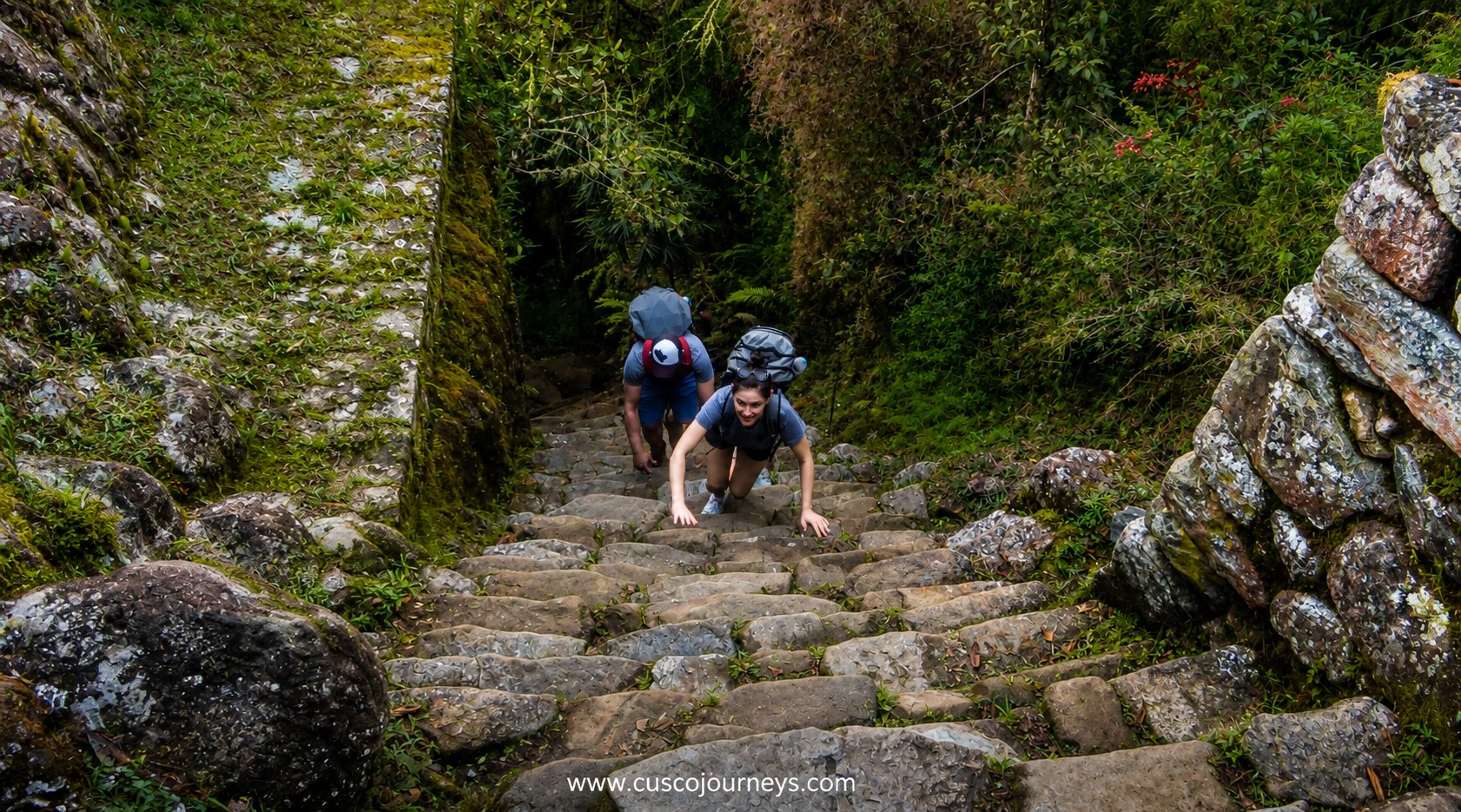
The difficulty comes from the combination of steep climbs, uneven stone steps, long descents, and high altitude. Day 2 is usually the most demanding because of the climb toward Dead Woman’s Pass.
Training before your trip can make a significant difference. Regular walking, hiking, stair climbing, and cardiovascular exercise can help prepare your legs and improve your endurance.
Inca Trail Difficulty at a Glance
Factor |
Information |
|---|---|
| Difficulty | Moderate to Challenging |
| Total Distance | Approximately 42 km |
| Highest Point | 4,215 m |
| Most Challenging Day | Day 2 |
| Recommended Preparation | Hiking, walking, and stair training |
| Recommended Acclimatization | 2–3 days |
Inca Trail Altitude and Acclimatization
Altitude is one of the most important factors to consider before hiking the Inca Trail.
Cusco is already located at approximately 3,400 meters above sea level, while Dead Woman’s Pass reaches more than 4,200 meters. Your body needs time to adjust before beginning the trek.
We recommend spending at least 2 to 3 days acclimatizing in Cusco or the Sacred Valley before starting the Inca Trail.
During your acclimatization period:
- Walk at a relaxed pace.
- Drink plenty of water.
- Avoid excessive alcohol.
- Get enough sleep.
- Avoid intense physical activity during your first days.
- Follow your doctor’s advice if you have concerns about high-altitude travel.
Symptoms of altitude sickness can include headache, nausea, dizziness, fatigue, and shortness of breath. If symptoms become severe, seek professional medical assistance.
Altitude sickness can affect anyone. Good physical fitness does not completely prevent altitude-related problems.
Best Time to Hike the Inca Trail
The best time to hike the Inca Trail depends on your priorities. Many travelers prefer the dry season because it generally offers better conditions for hiking and clearer mountain views.
The dry season normally runs from May through October. June, July, and August are particularly popular because of their generally favorable weather.
The rainy season runs from November through March. Rain can make stone steps slippery, but the mountains and cloud forests can look especially green during this period.
Inca Trail Weather at a Glance
Weather conditions can change quickly along the Inca Trail. The table below compares the main seasons to help you choose the period that best matches your travel plans.
Season |
Months |
Conditions |
Main Advantage |
|---|---|---|---|
| Dry Season | May–October | Less rainfall and clearer skies | Better hiking conditions |
| Rainy Season | November–March | More frequent rainfall | Greener landscapes and fewer visitors |
| Shoulder Season | April and October | Variable weather | Balance between scenery and crowds |
Is February a Good Month for the Inca Trail?
No. The Inca Trail is traditionally closed during February for annual maintenance and conservation work.
Machu Picchu itself remains open during this period, but the classic Inca Trail cannot be used while the route is closed.
Travelers planning a February trip can consider alternative routes such as the Salkantay Trek or Lares Trek.
Always confirm the current operating calendar before booking because regulations and access conditions can change.
Inca Trail Permits and Availability
The classic Inca Trail is a regulated trekking route. Travelers cannot simply arrive at the trailhead and begin hiking without the required authorization.
Permits are managed through the official system, and travelers must book through an authorized tour operator.
Demand is particularly high during the dry season. Popular dates can become unavailable well in advance, so early planning is strongly recommended.
What Information Is Needed for an Inca Trail Booking?
Before requesting an Inca Trail reservation, travelers should have the following personal and travel information ready. These details are important because the permit must match the traveler’s identification information.
Requirement |
Why It Is Important |
|---|---|
| Full name | Must match your travel document |
| Date of birth | Required for the reservation |
| Nationality | Used for the permit |
| Passport information | Required for identification |
| Preferred travel date | Determines availability |
| Tour type | Helps determine the appropriate service |
Because permit availability is limited, travelers should avoid waiting until the last minute to organize their trek.
How Far in Advance Should You Book?
If the Inca Trail is an essential part of your Peru trip, we recommend planning several months ahead.
The most popular travel periods can sell out faster than quieter periods. Your preferred date, group size, and travel season can all affect availability.
Recommended Booking Timeline
Time Before Trek |
What to Do |
|---|---|
| 6+ Months | Choose your travel dates and check availability |
| 4–6 Months | Secure your Inca Trail reservation |
| 2–3 Months | Finalize hotels and additional tours |
| 1 Month | Review equipment and physical preparation |
| 1 Week | Confirm travel details and packing |
| Before Departure | Complete your final preparations |
The earlier you plan, the more flexibility you have with your preferred trekking date.
What Is Included in an Inca Trail Tour?
Inca Trail services vary between operators and tour categories. Before booking, always check exactly what your package includes.
A professional trekking service normally includes the main logistics required to complete the route safely and comfortably.
Typical Inca Trail Inclusions
Included |
Details |
|---|---|
| Professional guide | Guided trekking and archaeological explanations |
| Inca Trail permit | Required authorization for the route |
| Machu Picchu entrance | Entrance according to the selected service |
| Transportation | Transfers related to the trekking itinerary |
| Camping equipment | Tents and essential camping equipment |
| Meals | Meals according to the tour itinerary |
| Porters | Support with shared trekking equipment |
| Emergency equipment | Basic emergency and first-aid support |
Always confirm the exact inclusions with your tour operator before booking.
What to Pack for the Inca Trail
Packing correctly can make your trek much more comfortable. Weather conditions can change quickly in the Andes, so you should prepare for both cold and warm conditions.
Inca Trail Packing List
Essential |
Recommendation |
|---|---|
| Hiking shoes | Comfortable and well broken in |
| Rain jacket | Important during variable weather |
| Warm layers | Necessary for cold mountain nights |
| Hiking pants | Comfortable and flexible |
| Sun protection | Hat, sunglasses, and sunscreen |
| Water bottle | Reusable bottle or hydration system |
| Personal medication | Bring any medication you normally need |
| Small backpack | Carry daily essentials |
| Headlamp | Useful for early morning starts |
| Personal toiletries | Keep them lightweight |
| Passport | Required for identification |
| Cash | Useful for small personal expenses |
Avoid overpacking. A lighter backpack makes long climbs and descents much easier.
Where Does the Inca Trail Start?
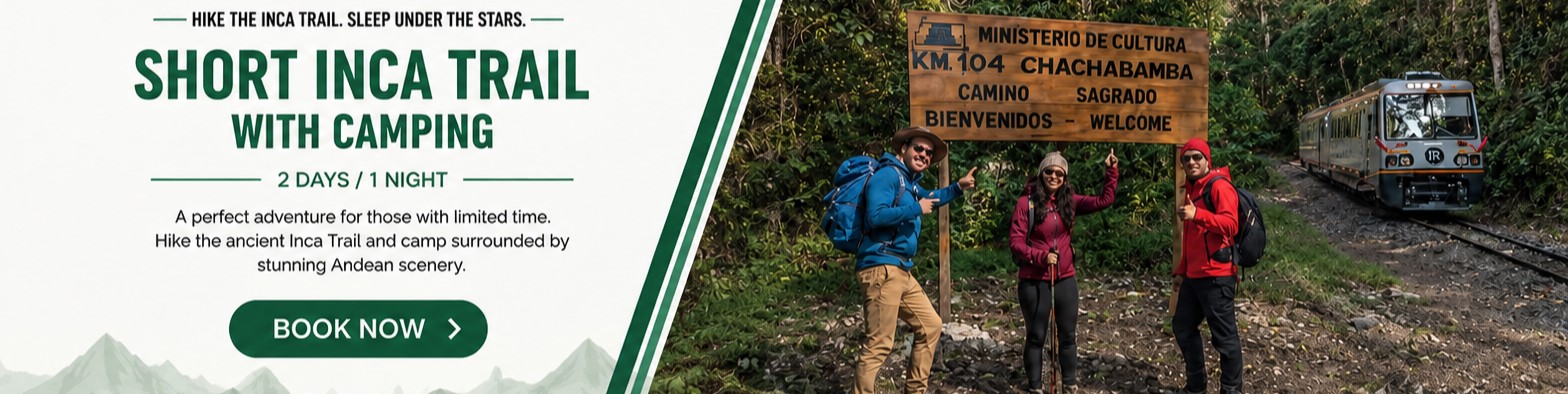
The classic Inca Trail traditionally begins at Km 82 near Piscacucho.
Most travelers begin their journey in Cusco, where they meet their guide and transportation before traveling toward the trailhead.
The drive from Cusco to Km 82 takes several hours depending on the route and traffic conditions. Your tour operator normally organizes this transportation as part of the trekking service.
How to Get from Cusco to Km 82
The easiest way to reach Km 82 is with organized transportation.
Your trekking operator normally collects you from your hotel in Cusco during the early morning. From there, you travel through the Sacred Valley toward the trailhead.
The journey provides an opportunity to see the changing landscapes between Cusco and the beginning of the Inca Trail.
Travelers should avoid arranging independent transportation unless they fully understand the entry requirements and meeting arrangements for their trekking service.
Inca Trail vs Salkantay Trek
The Inca Trail and Salkantay Trek are both excellent ways to reach Machu Picchu, but they offer different experiences.
The Inca Trail is the better choice for travelers who want ancient archaeological sites, original Inca pathways, and entry to Machu Picchu through the Sun Gate.
The Salkantay Trek is a strong alternative for travelers who prefer dramatic mountain landscapes, greater route flexibility, and a different trekking experience.
Feature |
Inca Trail |
Salkantay Trek |
|---|---|---|
| Duration | Usually 4 days | Usually 4–5 days |
| Main Attraction | Ancient Inca route | Mountain and natural landscapes |
| Archaeological Sites | Excellent | Moderate |
| Sun Gate Entry | Yes | Usually no |
| Highest Terrain | High mountain passes | High mountain landscapes |
| Permit Required | Yes | Different regulations |
| Availability | Limited | Generally more flexible |
| Best For | History and archaeology | Adventure and scenery |
The right choice depends on your interests, physical preparation, travel dates, and preferred trekking style.
What Happens After Reaching Machu Picchu?
Reaching Machu Picchu through the Sun Gate is one of the highlights of the classic Inca Trail.
After entering the archaeological site, your guide will explain the main areas and historical significance of Machu Picchu according to your planned visit.
After the guided visit, you continue according to your transportation arrangements. Most travelers travel by train toward the Sacred Valley or Cusco.
If your itinerary includes additional time at Machu Picchu, make sure you understand your entrance schedule and the current visitor regulations before your trip.