
Inca Trail vs Ancascocha Trek: Which Trek Is Right for You?
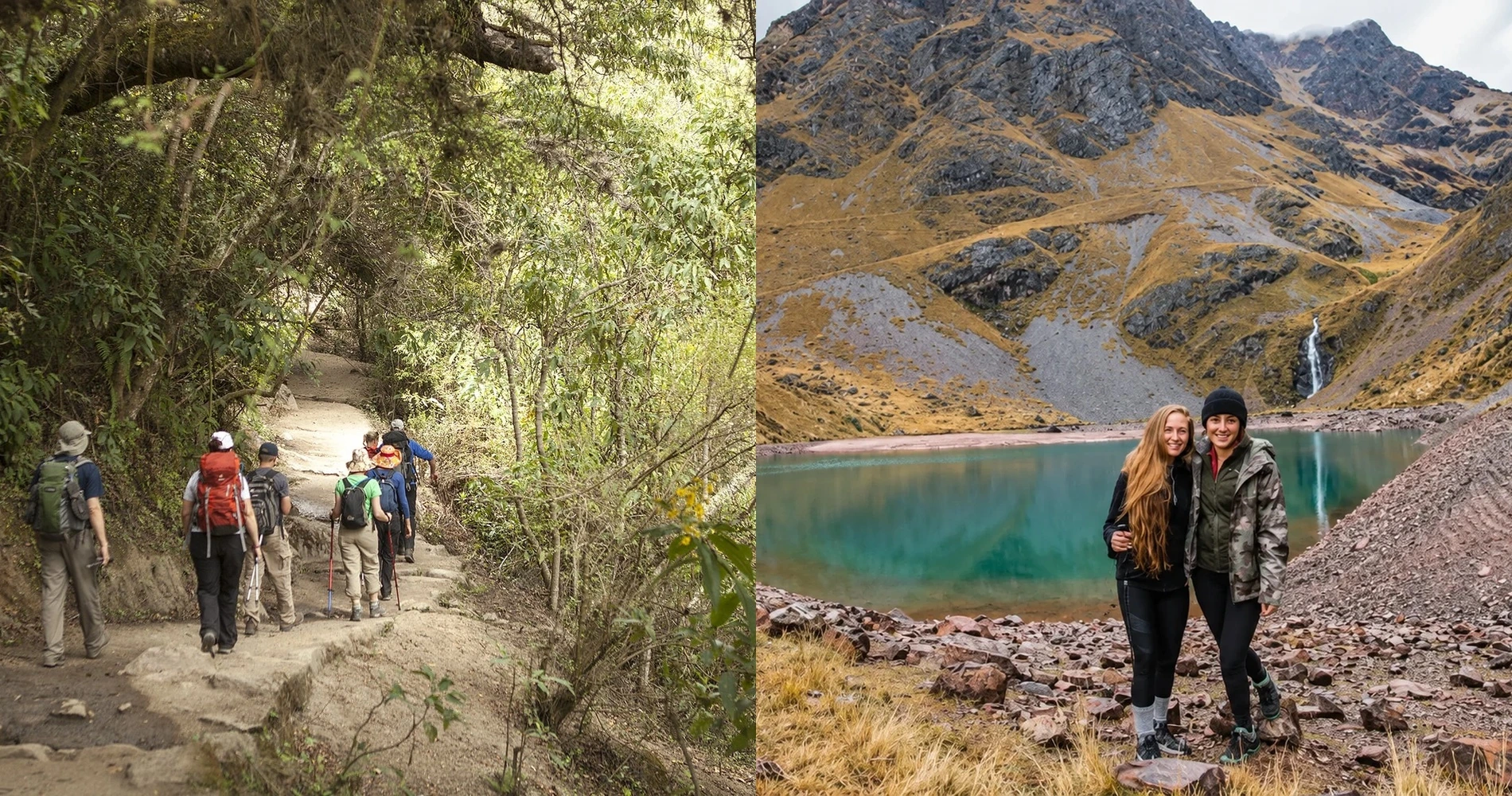 Inca Trail vs Ancascocha Trek is a comparison worth making if you are planning a trek to Machu Picchu from Cusco. Both routes offer challenging days in the Andes, but the terrain, altitude, archaeology, trail atmosphere, and way of reaching Machu Picchu are very different.
The Inca Trail follows an ancient route through mountain terrain, cloud forest, and important archaeological sites before reaching Machu Picchu through the Sun Gate. The Ancascocha Trek takes a different route through high mountain passes, remote valleys, and less-traveled sections of the Andes.
If you are deciding between the two, this guide compares the Inca Trail vs Ancascocha Trek by difficulty, altitude, scenery, archaeological sites, crowds, permits, route, and Machu Picchu experience. It will also help you decide which Cusco Journeys trek fits your travel plans.
Inca Trail vs Ancascocha Trek Comparison
The main differences between the Inca Trail and Ancascocha Trek are the route, altitude, difficulty, scenery, archaeology, trail atmosphere, and the way each trek reaches Machu Picchu.
Feature |
Inca Trail |
Ancascocha Trek |
|---|---|---|
| Destination | Machu Picchu | Machu Picchu |
| Duration | 4 Days / 3 Nights | 4 Days / 3 Nights |
| Highest Point | Dead Woman’s Pass, 4,215 m / 13,829 ft | Huayanay Pass, 4,650 m / 15,256 ft |
| Difficulty | Moderate to challenging | Challenging |
| Main Focus | Inca history, archaeology and mountain scenery | High mountains, remote valleys and lakes |
| Archaeological Sites | Numerous major Inca sites | Archaeological sites along the route |
| Trail Atmosphere | Popular and regulated | Quieter and more remote |
| Permit | Limited Inca Trail permits | No Inca Trail permit required |
| Machu Picchu Arrival | Through the Sun Gate | By train after completing the trek |
| Best For | Travelers interested in Inca history and the historic route | Hikers looking for a quieter high-altitude trek |
The two routes should not be treated as the same type of trek. The Inca Trail is closely connected to Inca history and Machu Picchu, while Ancascocha places more emphasis on high-altitude landscapes, remote valleys, and a quieter trail.
What Is the Inca Trail?
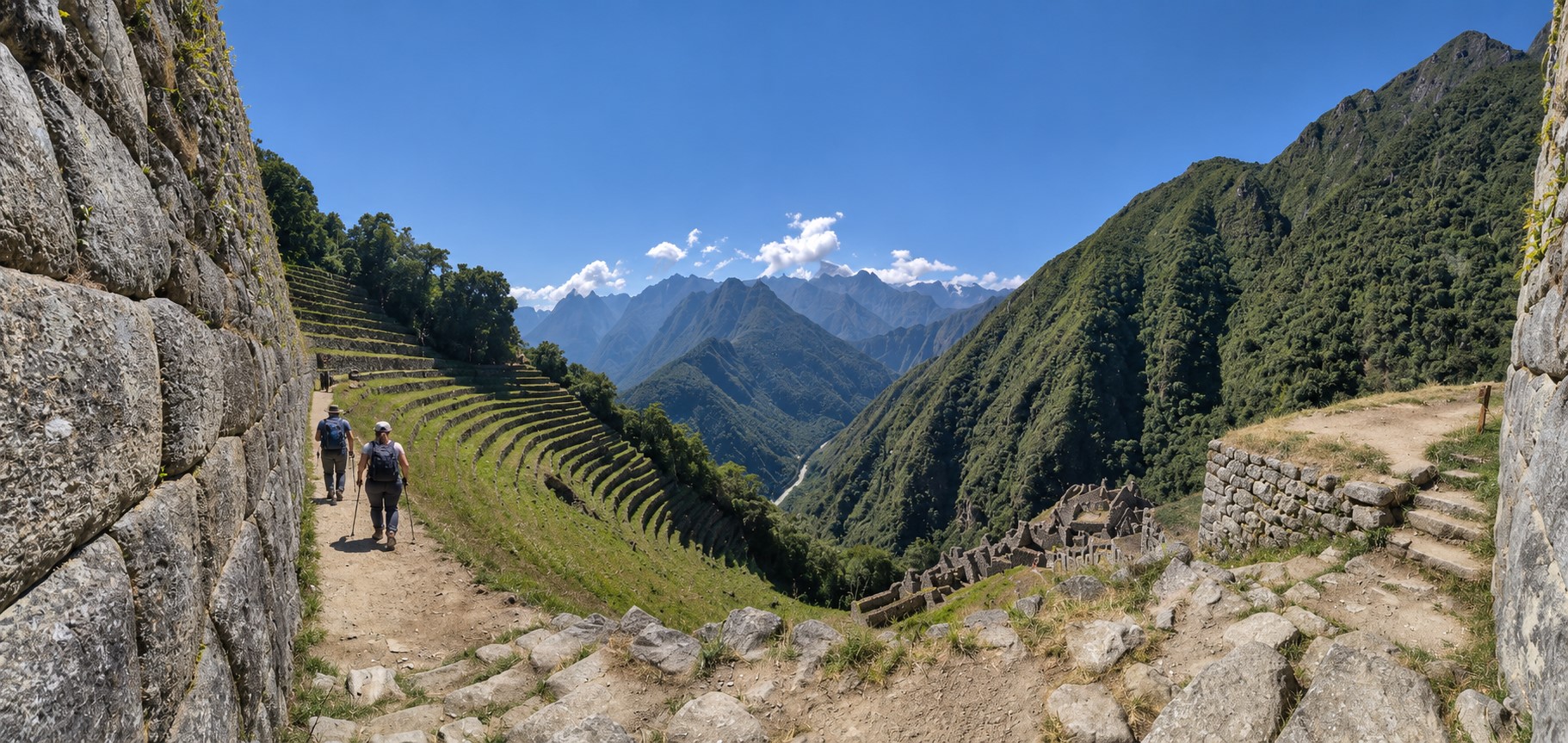 The Inca Trail is the historic trekking route to Machu Picchu and one of the most recognized trekking routes in Peru.
The four-day route crosses mountain terrain, stone paths, cloud forest, and several archaeological sites before reaching Machu Picchu through Intipunku, also known as the Sun Gate.
One of the hardest sections is the climb to Dead Woman’s Pass, which reaches approximately 4,215 meters / 13,829 feet.
Along the route, trekkers pass archaeological sites such as Llactapata, Runkurakay, Sayacmarca, Phuyupatamarca, and Wiñay Wayna before continuing toward Machu Picchu.
The archaeological sites are part of the trek itself. You are not simply hiking through the mountains; the route combines hiking with the remains of the Inca road system and settlements.
Why Choose the Inca Trail?
The Inca Trail is a good choice if you want:
- Inca history and archaeology
- A historic trekking route
- Several archaeological sites along the trail
- Mountain and cloud forest scenery
- The Sun Gate approach to Machu Picchu
- A regulated trekking route with limited permits
If this is the type of trek you are looking for, you can explore our Inca Trail to Machu Picchu 4 Days / 3 Nights and check availability for your travel dates.
What Is the Ancascocha Trek?
The Ancascocha Trek is a high-altitude route through the Cusco Andes and offers a different type of trekking experience from the Inca Trail.
The route crosses mountain valleys, high passes, archaeological sites, and remote sections of the Andes. It reaches a higher elevation than the Inca Trail, with Huayanay Pass at approximately 4,650 meters / 15,256 feet.
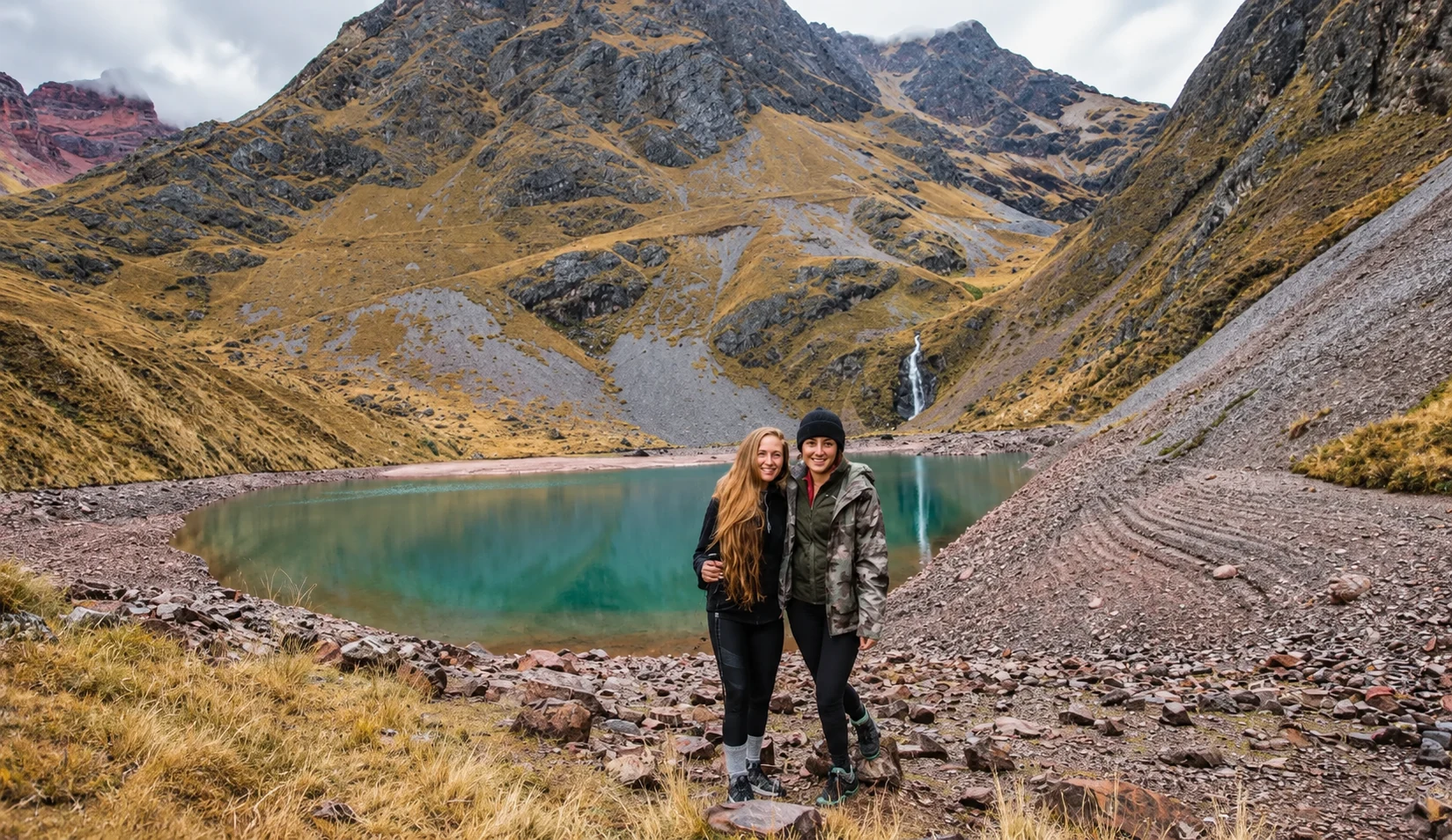
The trek also includes Ancascocha Lake and several sections with wide views of the surrounding mountains.
Unlike the Inca Trail, Ancascocha is not mainly focused on archaeological sites. The route is better known for its high mountain terrain, remote valleys, altitude, and lower number of trekkers.
Why Choose Ancascocha?
Ancascocha is a good option if you want:
- High-altitude mountain scenery
- Remote Andean valleys
- A quieter trekking route
- Higher mountain passes
- Ancascocha Lake
- Long hiking days
- An alternative to the busy trekking routes
You can see the complete route on our Ancascocha Trek page.
Inca Trail vs Ancascocha Trek: Route and Scenery
The scenery is one of the clearest differences between the two routes.
Inca Trail
The route crosses high mountain terrain, valleys, cloud forest, and sections of ancient stone trail. The landscape is combined with archaeological sites that appear along different sections of the route.
The trail also includes steep climbs and descents, giving the trek varied terrain from beginning to end.
Ancascocha Trek
The route crosses high passes, remote valleys and areas around Ancascocha Lake. There are long sections where the mountains and valleys are the main focus.
For hikers who prefer open mountain landscapes and fewer groups on the trail, this is one of the main reasons to consider Ancascocha.
Inca Trail vs Ancascocha Trek: Which Is More Difficult?
Both treks require good physical preparation, but the main challenges are different. The Inca Trail has steep stone sections and repeated elevation changes, while Ancascocha reaches a higher elevation and includes longer sections through remote mountain terrain.
Main Challenge |
Inca Trail |
Ancascocha Trek |
|---|---|---|
| Highest Point | Dead Woman’s Pass, 4,215 m / 13,829 ft | Huayanay Pass, 4,650 m / 15,256 ft |
| Steep Sections | Long stone stairways and steep climbs | Steep mountain sections and high passes |
| Elevation Changes | Repeated ascents and descents throughout the route | Significant elevation changes between valleys and high passes |
| High Altitude | Much of the route is above 3,000 m | Reaches more than 4,600 m at its highest point |
| Hiking Days | Several consecutive days of trekking | Long hiking days through remote mountain terrain |
| Terrain | Stone paths, mountain terrain and cloud forest | High mountain terrain, valleys and remote sections |
| Main Challenge | Dead Woman’s Pass and the long stone stairways | Huayanay Pass and the higher overall elevation |
Both are challenging treks, but Ancascocha reaches a higher elevation, while the Inca Trail is known for its steep stone steps and demanding climbs.
Inca Trail vs Ancascocha Trek: Archaeological Sites
If archaeology is one of your main reasons for trekking in Peru, the Inca Trail has a stronger focus.
Archaeological Sites on the Inca Trail
The route includes several important archaeological sites, including:
- Llactapata
- Runkuraqay
- Sayacmarca
- Phuyupatamarca
- Wiñay Wayna
- Intipunku
Archaeological Sites on the Ancascocha Trek
The Ancascocha route also includes archaeological sites and historical remains, combined with waterfalls, mountain valleys, and high-altitude landscapes. Highlights include:
- Raqaypata Archaeological Site
- Inca Raqay
- Paucarcancha
- Willcaraqay viewpoint with views of Patallacta
The Ancascocha route also passes Perolniyoc Waterfall, one of the notable attractions along this section of the trek.
If you want a trek with a greater concentration of major Inca archaeological sites, the Inca Trail is the stronger choice. If you prefer to combine archaeological sites with waterfalls, remote valleys, high passes, and less-traveled mountain landscapes, Ancascocha offers a different experience.
Inca Trail vs Ancascocha Trek: Crowds and Trail Atmosphere
The trail atmosphere is another important difference between the two routes. The Inca Trail is regulated and has limited permits, while Ancascocha is a less-traveled route with fewer trekking groups.
The Inca Trail can be busier during popular travel dates, especially around campsites and major archaeological sites. Ancascocha offers a quieter experience, with long sections through remote valleys and high mountain landscapes.
For travelers who prefer a quieter and less-traveled route, Ancascocha is a strong alternative. Those who want the historic Inca route, regulated access, and arrival at Machu Picchu through the Sun Gate may prefer the Inca Trail.
Inca Trail vs Ancascocha Trek: How Do You Reach Machu Picchu?
 This is one of the most important differences between the two itineraries.
Inca Trail to Machu Picchu
The Classic Inca Trail approaches Machu Picchu on foot. After completing the final section of the trail, trekkers reach Intipunku, the Sun Gate, where Machu Picchu comes into view. From there, the route continues toward the Machu Picchu citadel.
For travelers who want the approach to Machu Picchu to be part of the trekking experience, this is one of the main reasons to choose the Inca Trail.
Ancascocha Trek to Machu Picchu
Ancascocha follows a different route. After completing the mountain section of the trek, the itinerary continues toward the train connection to Aguas Calientes, where travelers spend the night before their Machu Picchu visit.
The mountain trek and the Machu Picchu visit are therefore separate parts of the itinerary.
- If reaching Machu Picchu through the Sun Gate is important to you, the Inca Trail is the route to consider.
- If the mountain trek itself is your main priority, Ancascocha offers a different experience.
Inca Trail vs Ancascocha Trek: Permits and Availability
The Inca Trail has limited permits, which makes advance planning important.
Your preferred travel date may not be available, particularly during the busiest trekking periods.
Ancascocha does not use the same limited Inca Trail permit system, giving travelers more flexibility when selecting their trekking dates.
This can be useful if you already have fixed flights or hotel reservations in Peru.
If your travel dates are already set, checking availability before building the rest of your itinerary around the trek is a good idea.
Inca Trail vs Ancascocha Trek: Which Is Better for Experienced Hikers?
Experienced hikers may want to focus on the type of terrain they prefer rather than simply choosing the more famous route.
The Inca Trail combines steep stone steps, elevation changes, archaeological sites, and the climb over Dead Woman’s Pass.
Ancascocha offers higher mountain terrain, remote valleys, high passes, and longer sections away from the main trekking routes.
If you have already completed the Inca Trail and want a different route through the Cusco Andes, Ancascocha is an option worth considering.
If your main goal is to experience the historic route to Machu Picchu, the Inca Trail remains the more direct choice.
Can You Combine Ancascocha and the Inca Trail?
If you do not want to choose between the two routes, you can also look at a longer itinerary that combines different trekking experiences.
This type of itinerary is suited to travelers who want more time on the trails and want to experience both remote mountain terrain and the historic route toward Machu Picchu.
If you are interested in combining trekking routes, explore our Ancascocha Trek and Inca Trail 6 Days / 5 Nights option.

Inca Trail vs Ancascocha Trek: Final Comparison
The easiest way to make the decision is to focus on your priorities.
| If your priority is… | Consider |
|---|---|
| Inca history | Inca Trail |
| Archaeological sites | Inca Trail |
| Sun Gate arrival | Inca Trail |
| Historic route to Machu Picchu | Inca Trail |
| Higher altitude | Ancascocha |
| Remote mountain scenery | Ancascocha |
| Quieter trails | Ancascocha |
| High-altitude lakes and passes | Ancascocha |
| More flexibility with trekking dates | Ancascocha |
| Combining different trekking experiences | A longer combined trek |
The Inca Trail and Ancascocha Trek are different types of trekking routes.
- The Inca Trail is the better fit for travelers who want history, archaeological sites, the historic route, and an approach to Machu Picchu through the Sun Gate.
- The Ancascocha Trek is better suited to hikers who want higher mountain terrain, remote valleys, fewer trekkers, and a route away from the busiest trekking corridors.