
Incredible and Delicious Crops
 The Andean regions of Peru have a large number of incredible and delicious crops and agricultural products. Peru produces thousands of varieties of staple foods that we see on our tables every day, along with all kinds of unique Peruvian crops that can only be found in the region.
In fact, the country’s diverse geography includes 28 of the world’s 32 climate zones, which perhaps explains the abundance of superfoods that originate here. The superfoods that we share with you on this blog are also really delicious.
What are superfoods?
They are those that offer maximum nutritional benefits with minimum calories. They are full of vitamins, minerals, and antioxidants; and have special health benefits for those consuming them.
Peruvian Potatoes
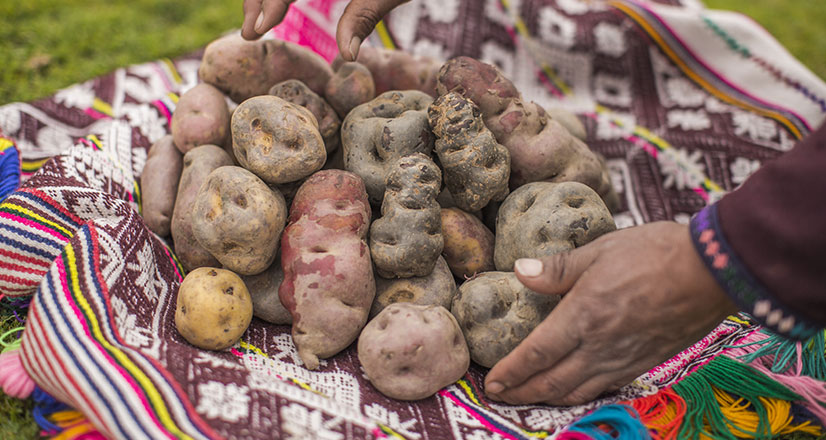 This is one of the most consumed major crops in the world. There are nearly 4,000 varieties of Peruvian potatoes. South America is where the potato first emerged, and the history of cultivation on the continent spans some 13,000 years. In the 15th century, potatoes were brought to Europe from South America and eventually became an important global food.
A visit to a Peruvian market or restaurant will give you an idea of how many varieties of Peruvian potatoes there are to try and how they may differ in flavor and preparation. Some rare and special varieties in the Andes are even given away at important events.
Peruvian potatoes are prized for their toughness: they can grow even in difficult soils, major temperature swings, and other conditions that might be unsustainable for other crops. They are a perfect match for the harsh climate of the Andes and were a staple in Inca agriculture.
Oca
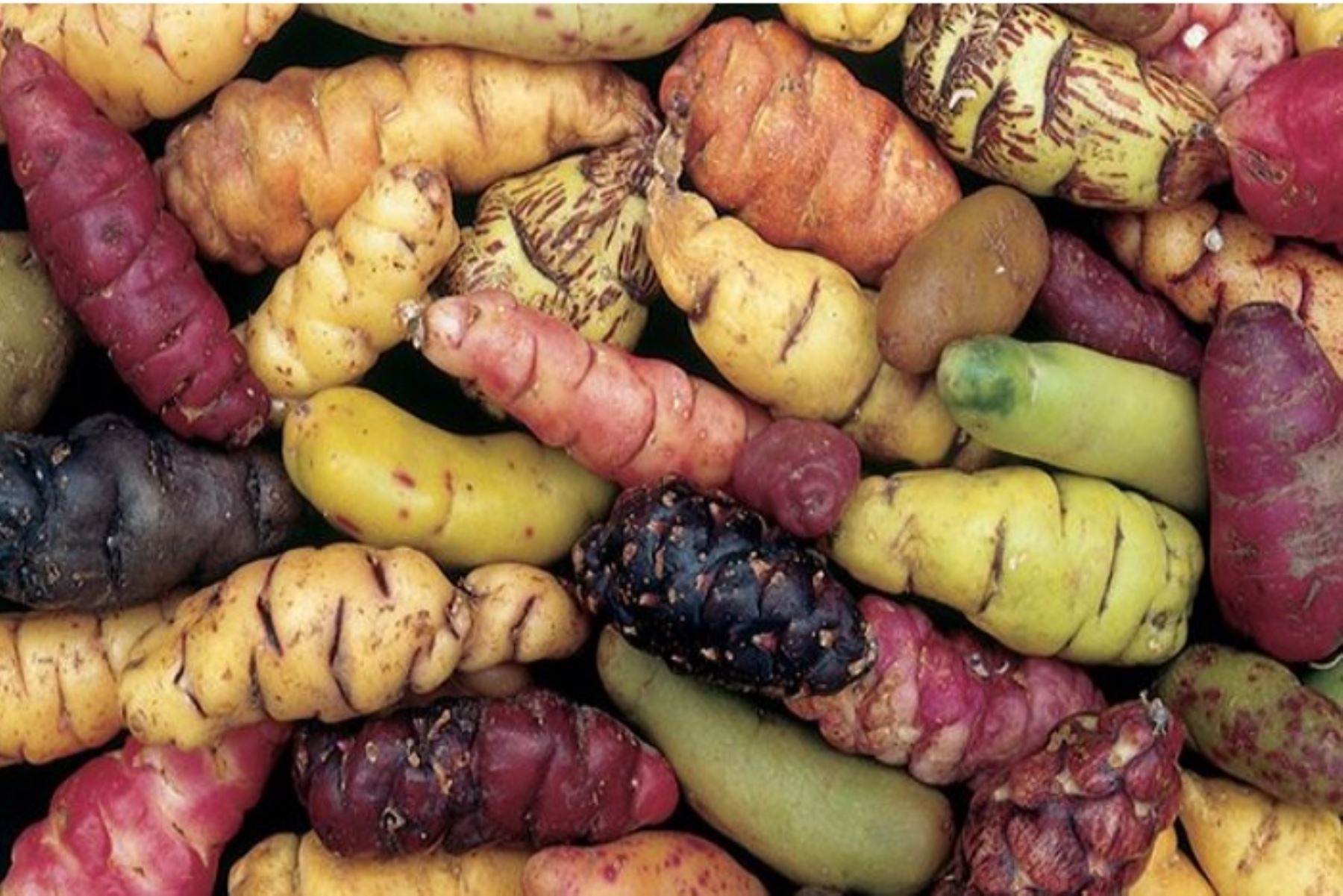 Oca is a colorful tuber native to the high Andes. In its beginnings, this Peruvian crop was consumed by ancient Andean cultures and is still consumed today. It grows in vibrant shades such as orange, red, purple, white or pink.
When you first take a bite of Oca, its crunchiness may make you feel like you’re biting into a carrot, but Oca is distinguished by its sweetness. Oca can be enjoyed steamed, boiled, stir-fried, or roasted, and is usually left in direct sunlight for a few days before eating to make it sweeter. The delicious flavor is adaptable enough to enhance sweet and savory dishes.
Sweet Potatoes
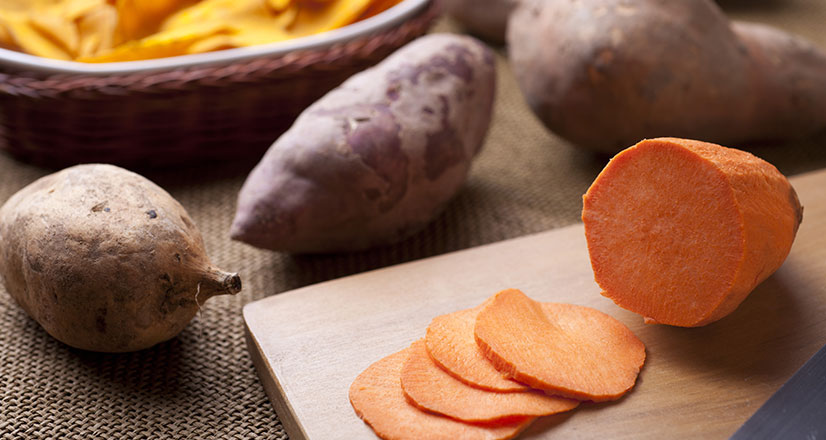 The earliest evidence of sweet potato (camote) dates back to 10,000 years ago in Ayacucho, Peru. One of the country’s most famous desserts, picarones, are made by frying sweet potato and dousing it with a sweet maple syrup. Both yellow and purple sweet potatoes are grown in Peru.
Quinoa
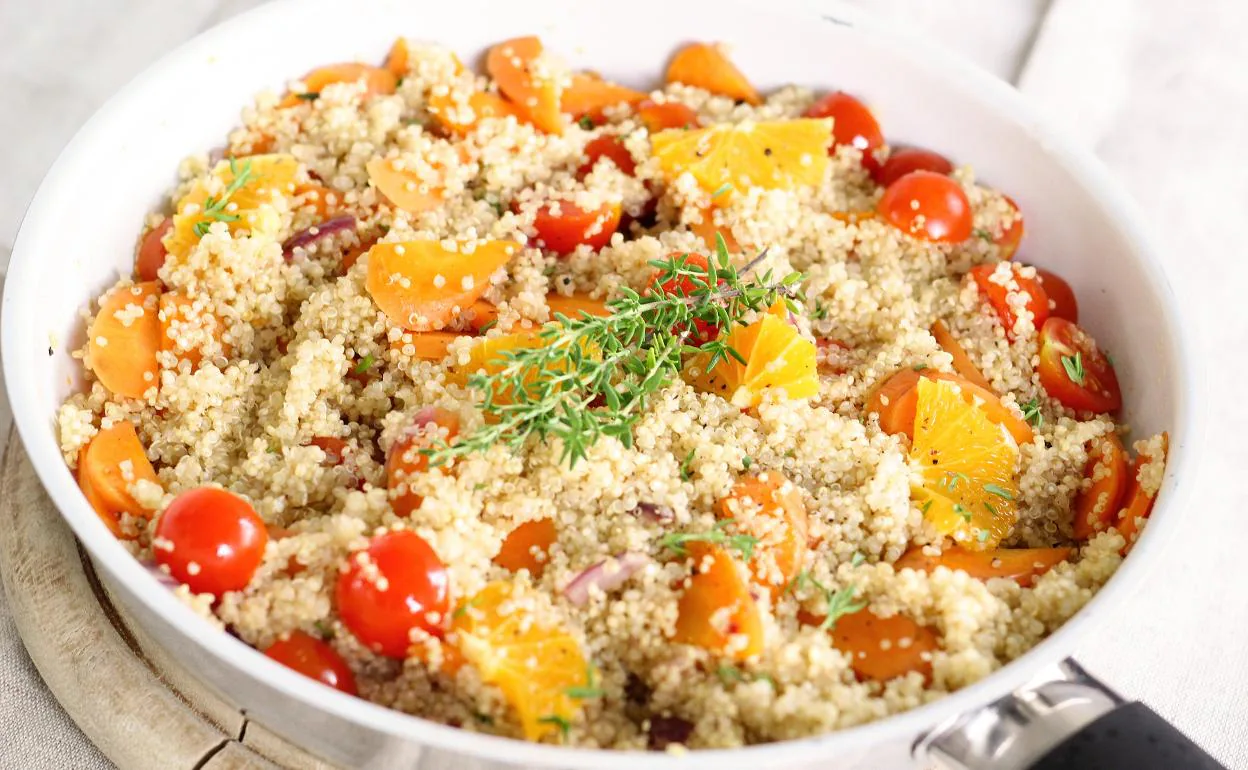 This product is considered the undisputed superstar among energy foods. Quinoa (Chenopodium quinoa) has been cultivated in the Andes for millennia and is a flowering plant in the amaranth family. Quinoa seeds are gluten-free, making them a popular choice for people with celiac disease.
It is native to the Lake Titicaca basin in the Peruvian highlands, and humans ate it for 4,000 years and fed it to livestock for up to 7,000 years. As you can see, this plant is truly exceptional when it comes to Peruvian superfood history.
Corn
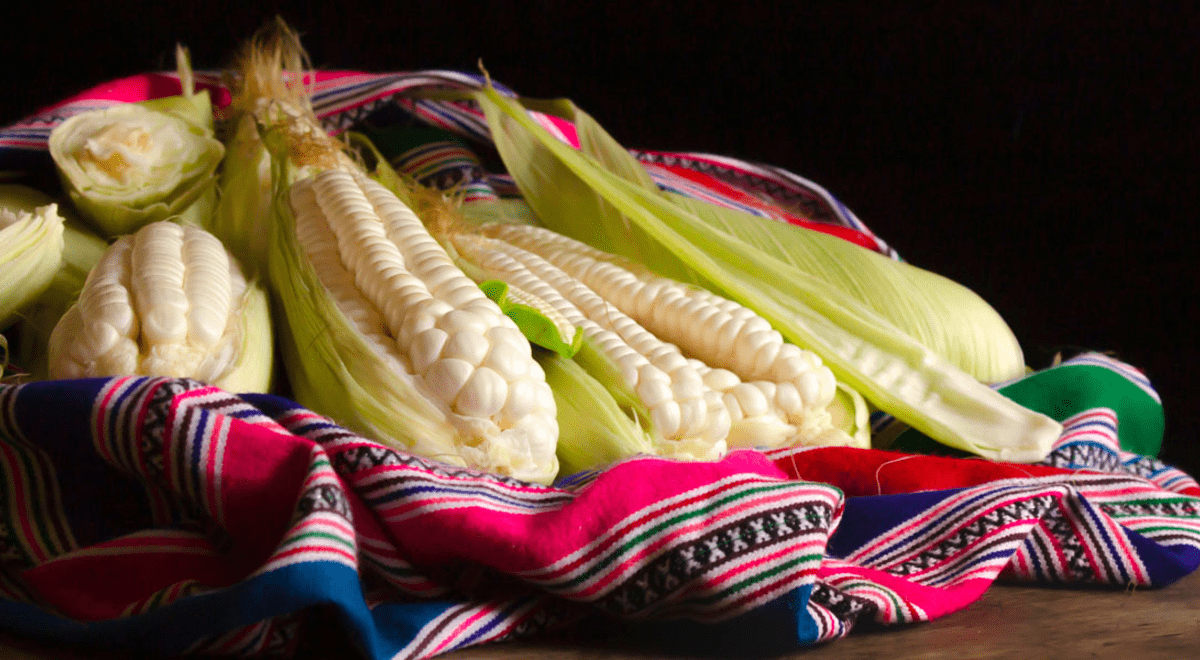 The Andean regions of Peru produce a large amount of the world’s corn. We also have the largest corn in the world (Paqaray sara). It is so big that you can tear off a single piece of the cob with your teeth.
You can find these corn along the roads, where the residents sell on the side of the road. They will wave the leaves in the air to get your attention, and will usually have a large pot of boiling water nearby where you can see the corn cooking. Typically, you are given an impressively large ear of corn (as it is called in Peru) wrapped in leaves and served with cheese.
Tomatoes
 Another of the main and original crops of Peru is from the same family as the potato. No matter the time of year, you can find delicious, ripe tomatoes at any market or corner store. Of course, there are a variety of sizes, including a tiny pea-sized tomato found only in Peru.
Tomatoes were first grown here and continue to flourish thanks to the incredible biodiversity of the Western Andes.
Avocado
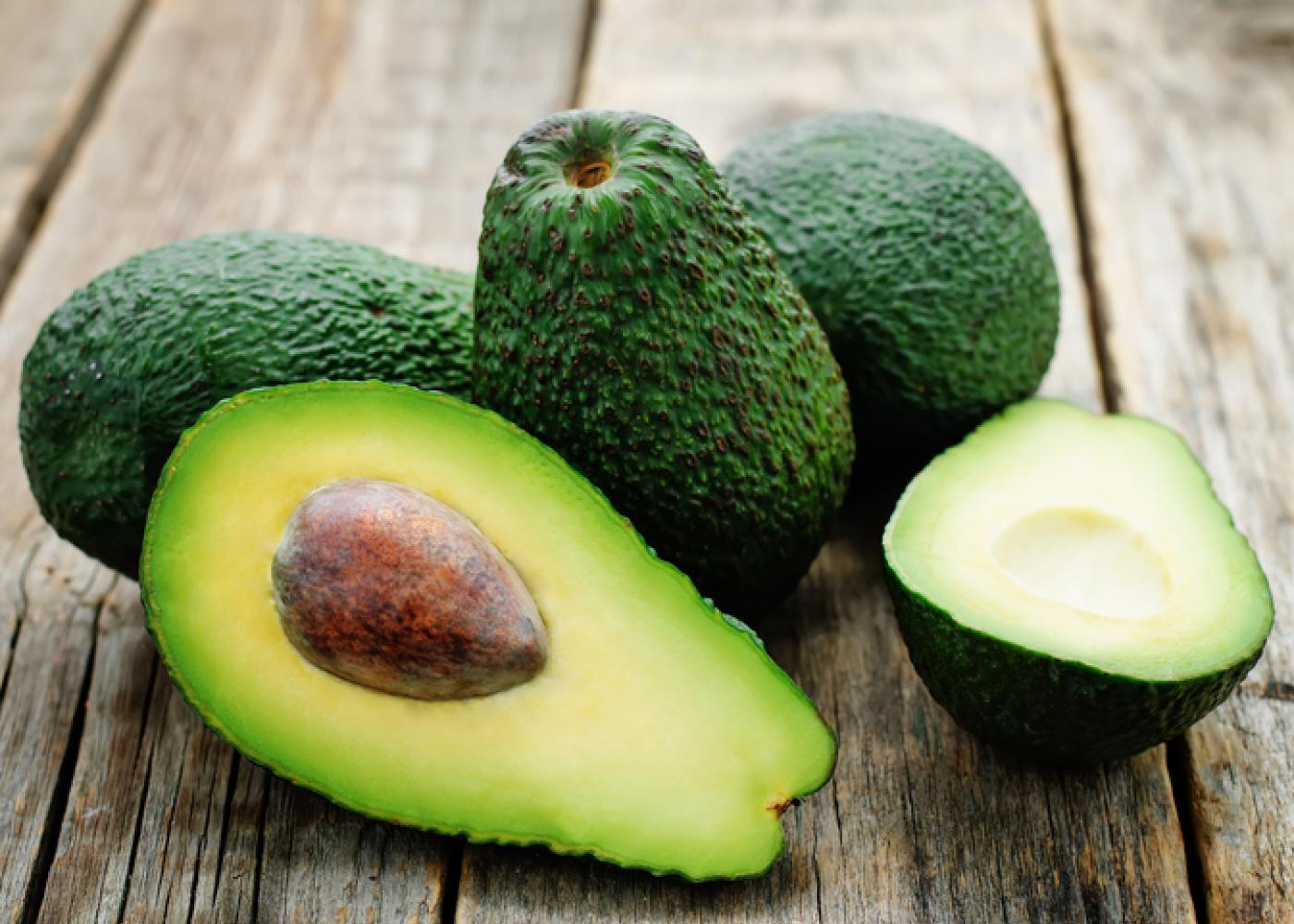 The avocado as it is called in Peru. Also known as avocado, it cannot survive in cold climates and is therefore best grown in tropical and subtropical temperatures.
Many of Peru’s avocados are sent to consumers in countries that naturally cannot produce them successfully, such as the United States, where there is also a big avocado craze. The ones that remain are delicious and sometimes enormous. A Peruvian avocado can reach the size of 3 fists.
Cacao
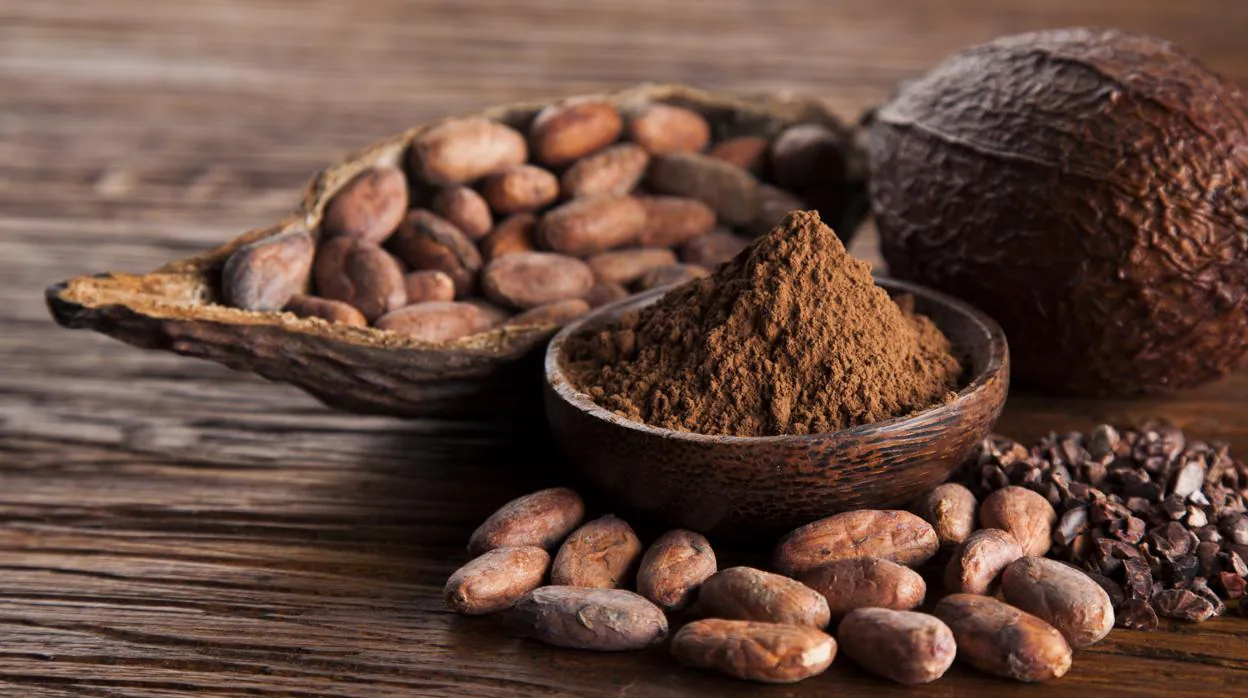 If you didn’t know any of the other Peruvian superfoods on the list, you surely know this one. The Theobroma cacao plant produces cocoa beans, the dried, fermented seeds that make chocolate. Cocoa, beloved around the world, is native to the Amazon basin and the Andean foothills of Peru, Ecuador and Colombia.
Additionally, this popular superfood, although delicious, is rich in minerals and antioxidants. In fact, theobroma means “food of the gods” in Latin. Traditionally, native communities used cocoa to make foaming medicinal concoctions mixed with fruit juices, spices and medicinal plants.
Cherimoya
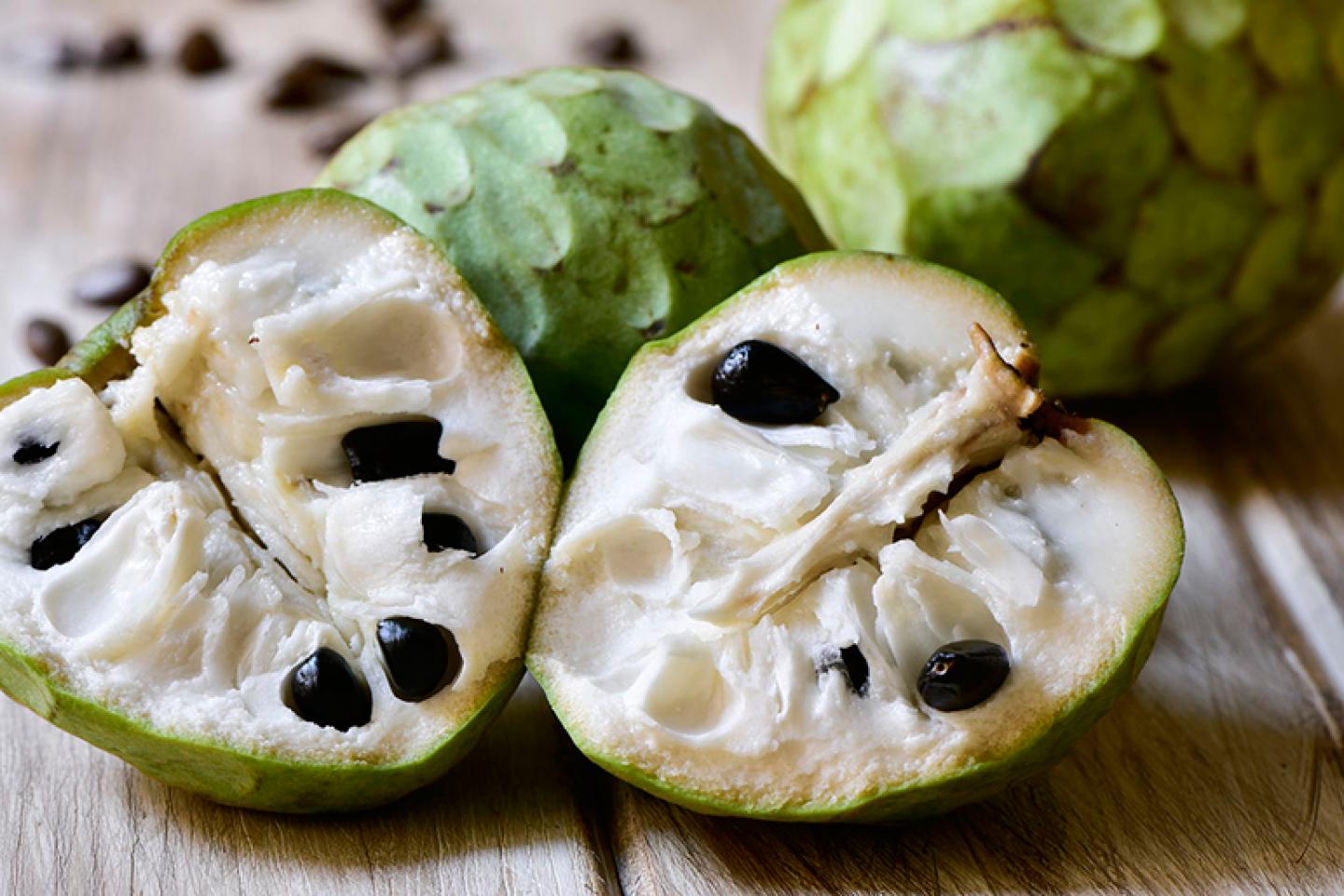 Cherimoya (Annona cherimola), also known as custard apple for its creamy consistency, grows throughout the Peruvian, Bolivian, Ecuadorian, Chilean and Colombian Andes. Researchers believed cherimoya originated in this Peru, but studies find its origins in Central America.
Other spellings are chirimoya or chirimuyu, which in Quechua means “cold seeds.” This fruit is rich in vitamins and minerals, and has a super unique and delicious flavor – so much so that Mark Twain declared it “the most delicious fruit known to man.” The fleshy, sweet fruit grows on the annona cherimola tree, a low evergreen tree or shrub. This fruit is available in abundance in just about any market and fruit stand in Peru.
Tarwi
:quality(75)/arc-anglerfish-arc2-prod-elcomercio.s3.amazonaws.com/public/YN6WXOTD2RGXPFGFVLWNR555MY.jpg "Tarwi") Vegans and vegetarians celebrate tarwi for its protein content. Known scientifically as Lupinus mutabilis, tarwi is a flowering plant that grows in the Andes of Peru. Similar to a bean, it has become relatively unknown in the health food movement due to its bitter taste, but has been used among the people of the Andes for centuries in a variety of traditional dishes.
Vegans and vegetarians celebrate tarwi for its protein content. Known scientifically as Lupinus mutabilis, tarwi is a flowering plant that grows in the Andes of Peru. Similar to a bean, it has become relatively unknown in the health food movement due to its bitter taste, but has been used among the people of the Andes for centuries in a variety of traditional dishes.
Today, you can find it popping up in health food stores and farmers markets across Peru as a protein or cheese substitute, presented similarly to tofu or nut cheeses.
Sample the Superfoods
The best way to enjoy all of these Peruvian superfoods is to take a trip to the land where they grow. Whether they come from river valleys, mountain peaks, or the deep Amazon, these healthy, whole foods can significantly improve your health, both body and mind. Peruvians celebrate the fruits, beans, roots, leaves and berries of their country from ancient times to the present day.
Fortunately, you have the opportunity to try them all on a trip to this country. Talk to a travel advisor to find out how you can incorporate superfood or gastronomy experiences into your Peru travel package, whether through a local market tour, farm visit, or culinary experience.
