
Manu Cultural Zone vs Reserved Zone: Which One Should You Choose?
 If you’re planning a trip to Manu National Park, choosing between the Manu Cultural Zone vs Reserved Zone is the most important decision you will make. Both areas are part of the globally protected Manu Biosphere Reserve, located in southeastern Peru, and recognized by UNESCO for their exceptional biodiversity.
This 2026 guide explains the differences in wildlife density, travel logistics, budget, level of adventure, and overall experience so you can select the Manu tour that fits your style.
We also cover best time to visit, why the Reserved Zone is more expensive, wildlife expectations, travel duration, climate considerations, and practical tips. By the end, you’ll know exactly which zone suits your Amazon adventure.
Understanding Manu: What Cultural Zone and Reserved Zone Really Mean
Manu is not just a national park—it is a vast conservation system located in the Peruvian Amazon, designed to balance biodiversity protection, indigenous rights, scientific research, and sustainable tourism.
Choosing the right zone ensures your trip aligns with your interests, timeframe, and wildlife priorities.
The Cultural Zone (Buffer Zone)
The Cultural Zone is located on the outer edge of Manu National Park, in the Amazon Basin of Peru. It is home to indigenous communities who live in harmony with the rainforest.
This area acts as a protective buffer for the deeper rainforest while allowing controlled, sustainable tourism.
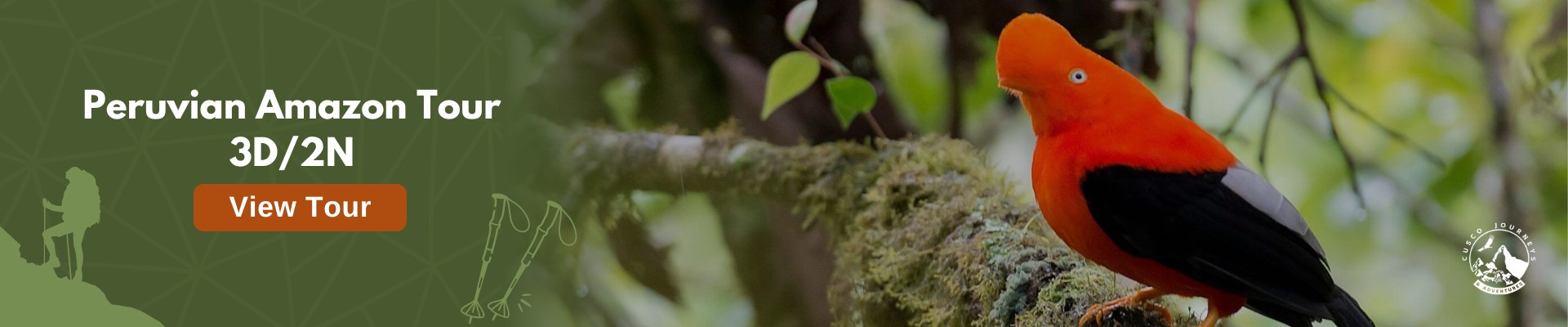
Visitors can experience both cultural immersion and wildlife observation, making it ideal for shorter trips, first-time Amazon travelers, and family-friendly tours.
Before exploring the details, here’s a snapshot of what the Cultural Zone offers:
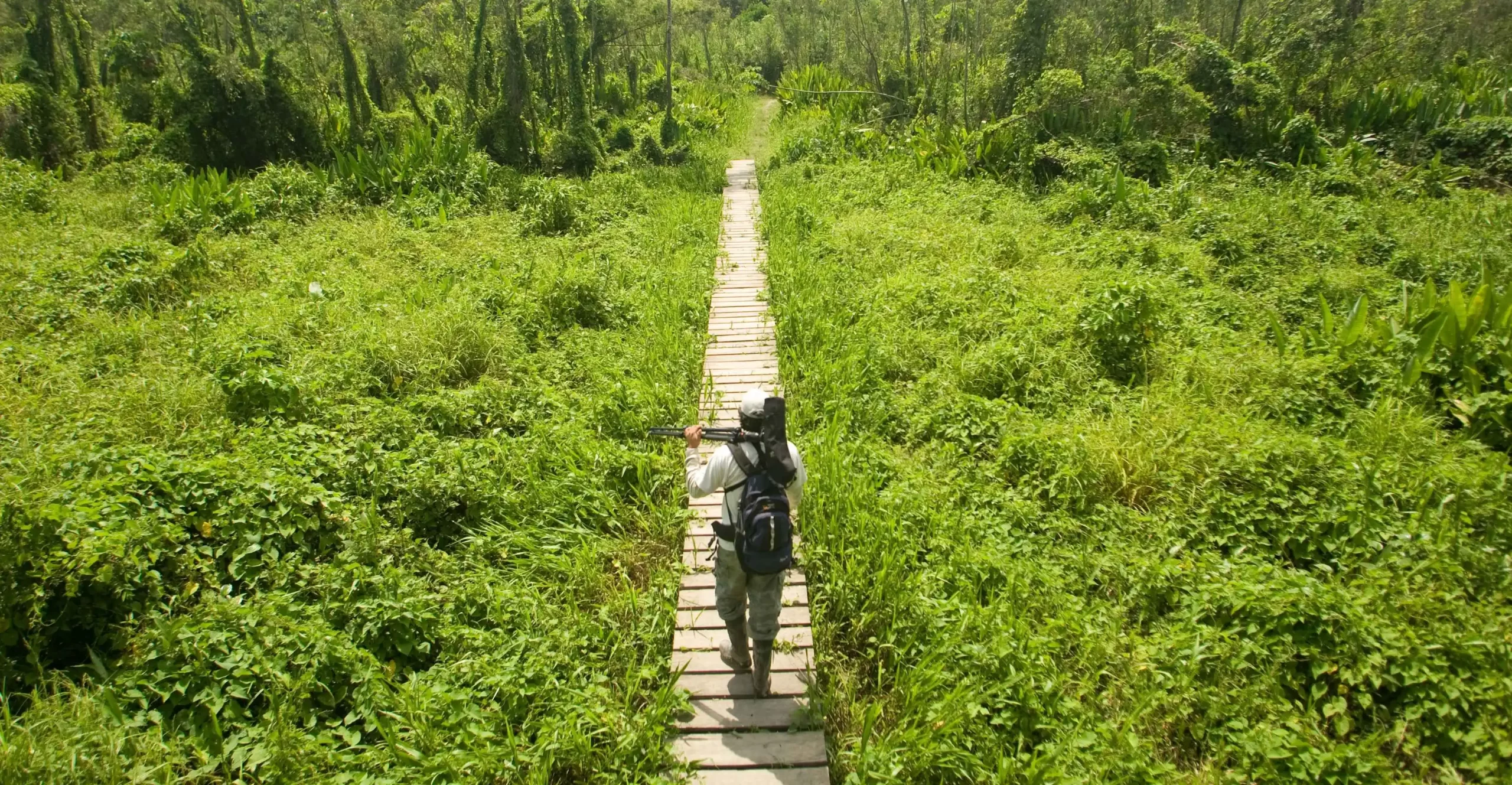
- Jungle walks in primary and secondary forest areas, observing plants, insects, and smaller wildlife.
- River navigation along rivers in southeastern Manu, where you may spot caimans, turtles, and colorful birds such as toucans and parrots.
- Visits to indigenous communities, participating in traditional activities and learning about hunting, fishing, and farming techniques.
- Birdwatching opportunities in cloud forest transition zones.
- Eco-lodges with moderate comfort while staying close to nature.
These activities provide a well-rounded Amazon experience, combining culture and nature in a manageable 2–5 day itinerary. Even with shorter travel times, the Cultural Zone offers a varied rainforest ecosystem, giving visitors a meaningful introduction to the Peruvian Amazon.
The Reserved Zone (Core Protected Area)
The Reserved Zone is the strictly protected core of Manu National Park, situated deep within the Peruvian Amazon rainforest. Entry is highly regulated to preserve its pristine ecosystems, and tours require permits through licensed operators.
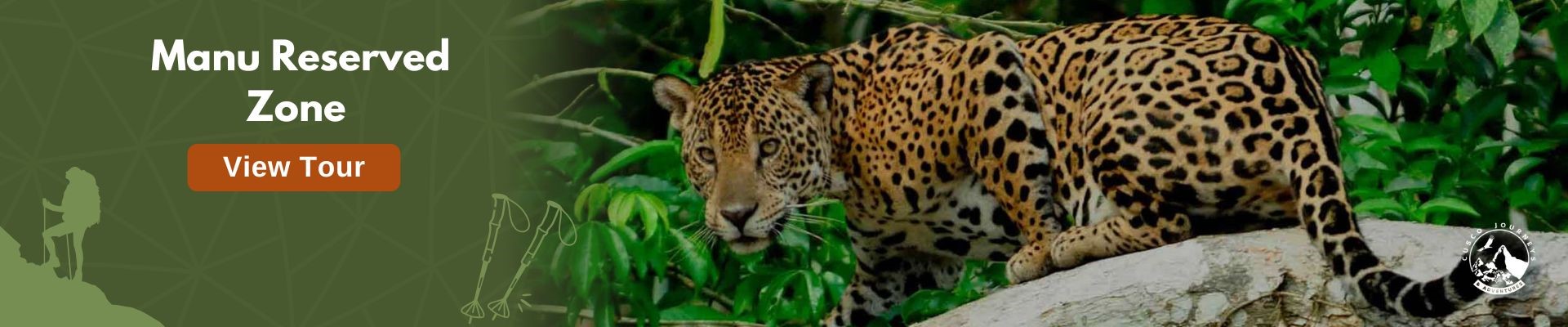
This zone offers remote wilderness immersion and one of the strongest wildlife viewing experiences in South America. Visitors encounter giant river otters, jaguars, tapirs, caimans, and hundreds of bird species, including scarlet macaws at clay licks.
A typical Reserved Zone expedition includes:
- 6–8+ days minimum exploring rivers and forests within southeastern Manu National Park.
- Deep river navigation along the Manu River and tributaries.
- Remote boat-access lodges, often solar-powered and basic.
- Controlled entry at ranger stations, ensuring compliance with conservation rules.
These tours are suited for dedicated wildlife enthusiasts, photographers, and adventurers seeking an authentic Amazon experience.
Wildlife Viewing: Where Are Sightings Better?
Wildlife is often the main reason travelers compare Manu Cultural Zone vs Reserved Zone.
In the Cultural Zone, visitors in Manu National Park, Peru can expect sightings of:
- Howler monkeys
- Capybaras
- Sloths
- Caimans
- Toucans and parrots
- Cloud forest bird species
While wildlife is abundant here, the Reserved Zone significantly increases the chances of seeing rare or iconic species:
- Jaguars (rare but possible)
- Giant river otters in oxbow lakes within Manu
- Black caimans
- Tapirs along riverbanks
- Multiple monkey species
- Scarlet macaws at clay licks
No tour operator can guarantee sightings, but the Reserved Zone offers the highest potential for biodiversity encounters, making it ideal for serious nature travelers.
Quick Comparison: Cultural Zone vs Reserved Zone
 Before diving deeper, here’s a fast comparison for planning your itinerary:
| Aspect | Cultural Zone | Reserved Zone |
|---|---|---|
| Ideal duration | 2–5 days | 6–8+ days |
| Budget | More accessible | Higher cost |
| Adventure level | Moderate | High |
| Wildlife viewing | Good | Excellent |
| Cultural interaction | High | Very limited |
| Accessibility | Easier | Remote and regulated |
This table highlights the trade-offs between accessibility, wildlife density, adventure, and cultural experiences, all located within Manu National Park, Peru.
Why Is the Reserved Zone More Expensive?
The Reserved Zone is more expensive due to longer, logistically complex expeditions:
- Extended itineraries (6–8+ days)
- Long river transport and fuel for remote locations in the Amazon Basin of Peru
- Larger staff teams (licensed guide, boat driver, cook, assistants)
- Controlled entry permits at ranger stations
- Transporting all supplies into remote jungle areas
You pay for remote wilderness access, strict conservation compliance, deeper exploration, and higher wildlife probability. Manu Cultural Zone tours, by contrast, operate closer to communities and road access, reducing costs.
Best Time to Visit Manu National Park
Dry Season (May to September)
- Trails easier to navigate in Manu National Park, Peru
- Exposed riverbanks improve wildlife sightings
- Optimal for photography and wildlife tours
Rainy Season (October to April)
- Rainforest becomes lush and vibrant
- Rivers rise, making navigation more challenging
- Wildlife spreads deeper into the forest
- Excellent bird activity
Tip: Dry season is recommended for first-time visitors, photographers, and serious wildlife watchers, while the rainy season provides a full rainforest immersion.
Climate, Mosquitoes, and Realistic Expectations
Both zones are located in the Amazon Basin of Peru, meaning humidity and rainfall are constant factors.
- Reserved Zone is generally warmer, at lower elevations.
- Cultural Zone may feel cooler, especially in cloud forest transitions.
Mosquito intensity varies; travelers should prepare with:
- Strong repellent
- Lightweight long-sleeved clothing
- Neutral-colored attire
- Awareness during dusk
Preparation ensures a comfortable and rewarding Amazon experience.
Who Should Choose the Cultural Zone?
- Limited time (<5 days)
- Interested in culture + wildlife
- Prefer easier logistics or family-friendly trips
- Combining Manu with Cusco, Sacred Valley, or Machu Picchu
It provides a balanced Amazon introduction without the physical demands of a deep expedition.
Who Should Choose the Reserved Zone?
- Wildlife is the top priority
- Seeking deep Amazon expedition experience
- Passionate about birdwatching or photography
- Can invest 6–8+ days
- Comfortable with basic lodge accommodations
This is a serious Amazon adventure with remote wilderness immersion.
Frequently Asked Questions (FAQ)
Si te gustó este artículo y la información que encontraste, ¡regálanos 5 estrellas!
 (1 votos, promedio: 5.00 de 5)
 Loading...