
Picanterias and Chicherias in Cusco
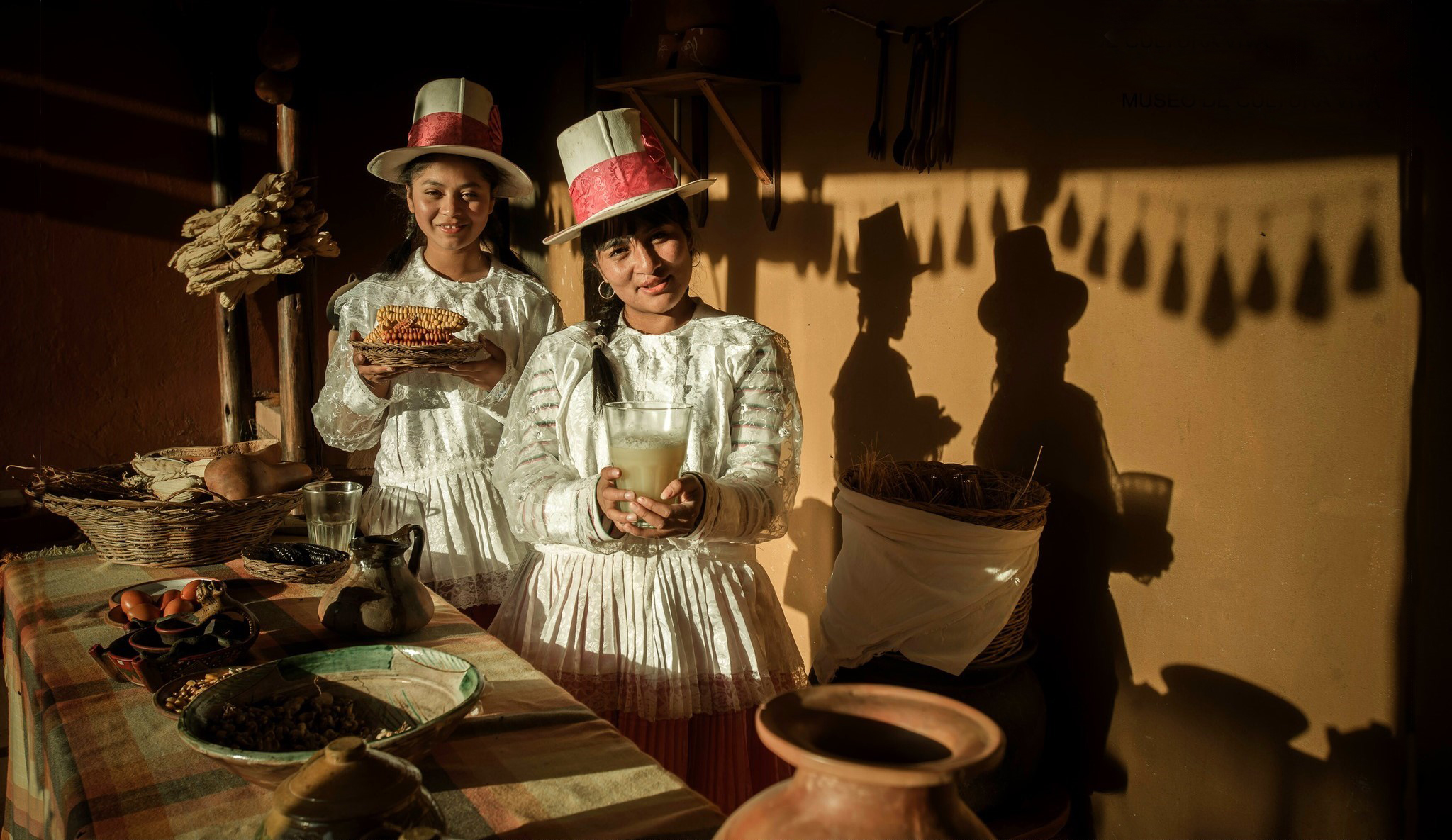 To truly understand Cusco, one must do more than wander its cobbled streets, you must taste its heritage. Picanterias and Chicherias in Cusco serve as living cultural time capsules, where each simmering pot and frothy glass of chicha carries centuries of Andean tradition.
These humble yet soulful establishments are steeped in indigenous wisdom, passed from abuela to daughter, chef to apprentice. Here, food is more than sustenance—it’s storytelling. Meals are crafted not only from local ingredients but also from memory, resilience, and community pride.
Each dish is a heartfelt celebration of place, people, and purpose—offering every guest a seat at the table of history.
The Origins of Picanterías
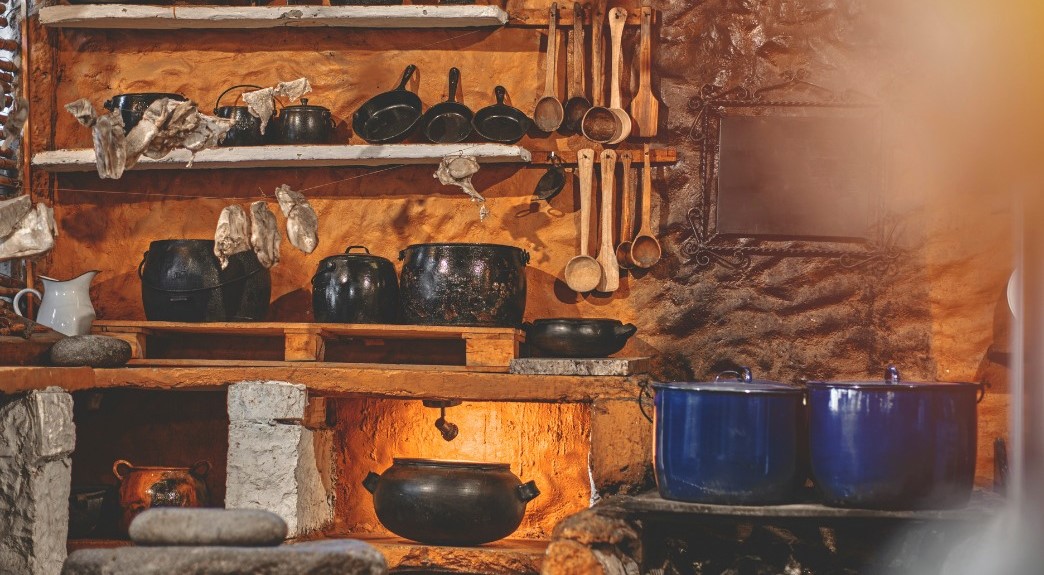 Historically, Picanterías were run by women, often mothers or grandmothers, who served meals to workers and travelers. The term itself comes from “picante” — not necessarily spicy, but rather referring to flavorful stews and dishes meant to stimulate the appetite.
Their origins blend colonial and indigenous traditions, especially with the use of local grains, meats, and spices passed down through generations.
These institutions began as informal setups in homes where cooks sold food through their kitchen windows. Over time, they evolved into vital social and gastronomic centers.
The Soul of a Picantería
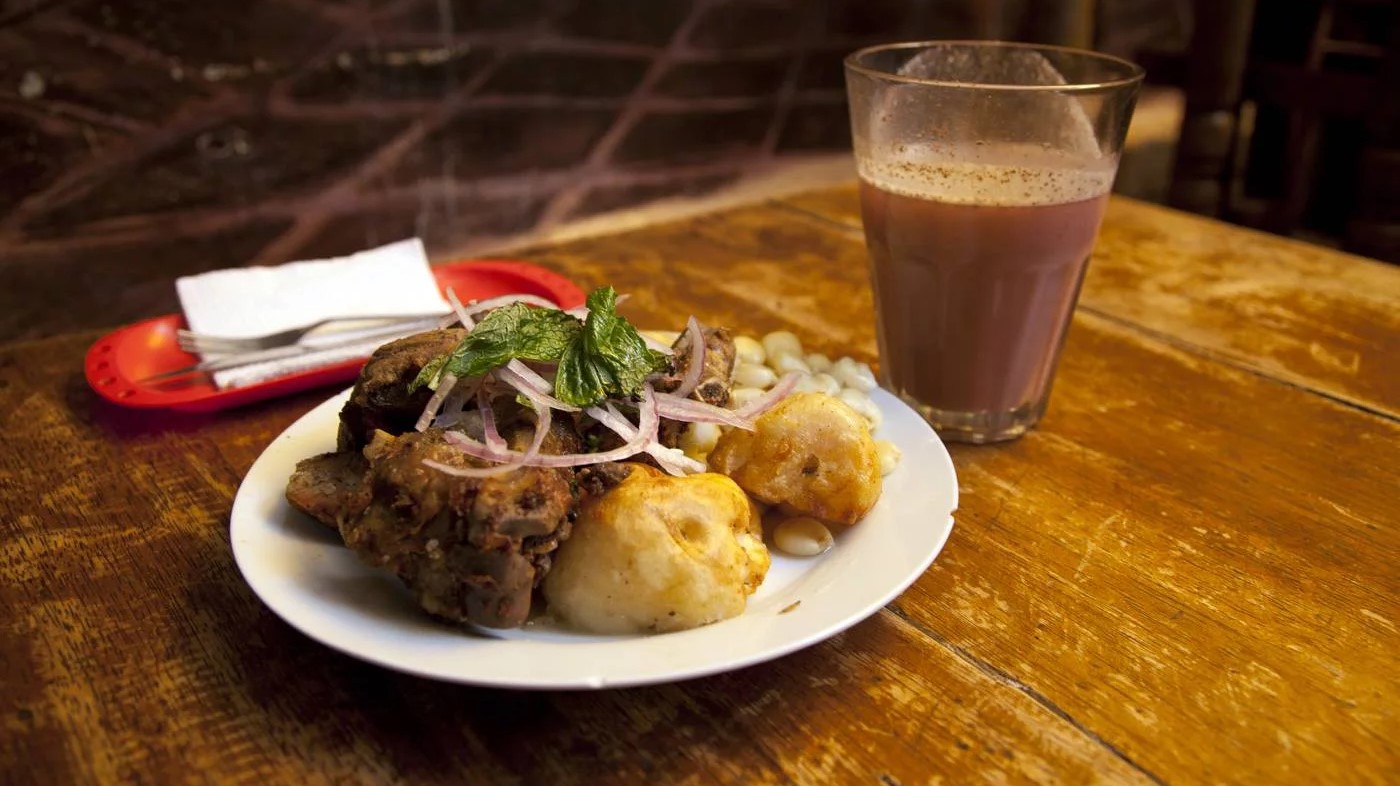 A true Picantería feels like a communal dining room. Expect large wooden tables, bench seating, and a single “plato del día” that changes with the day of the week. Monday might offer chaque de res, while Friday could mean chuño lawa, a soup made with freeze-dried potatoes.
Cooking is often done on wood-fired stoves, lending dishes a subtle smokiness. Clay pots and hand-ground spices further elevate the experience.
What Makes a Chichería Unique?
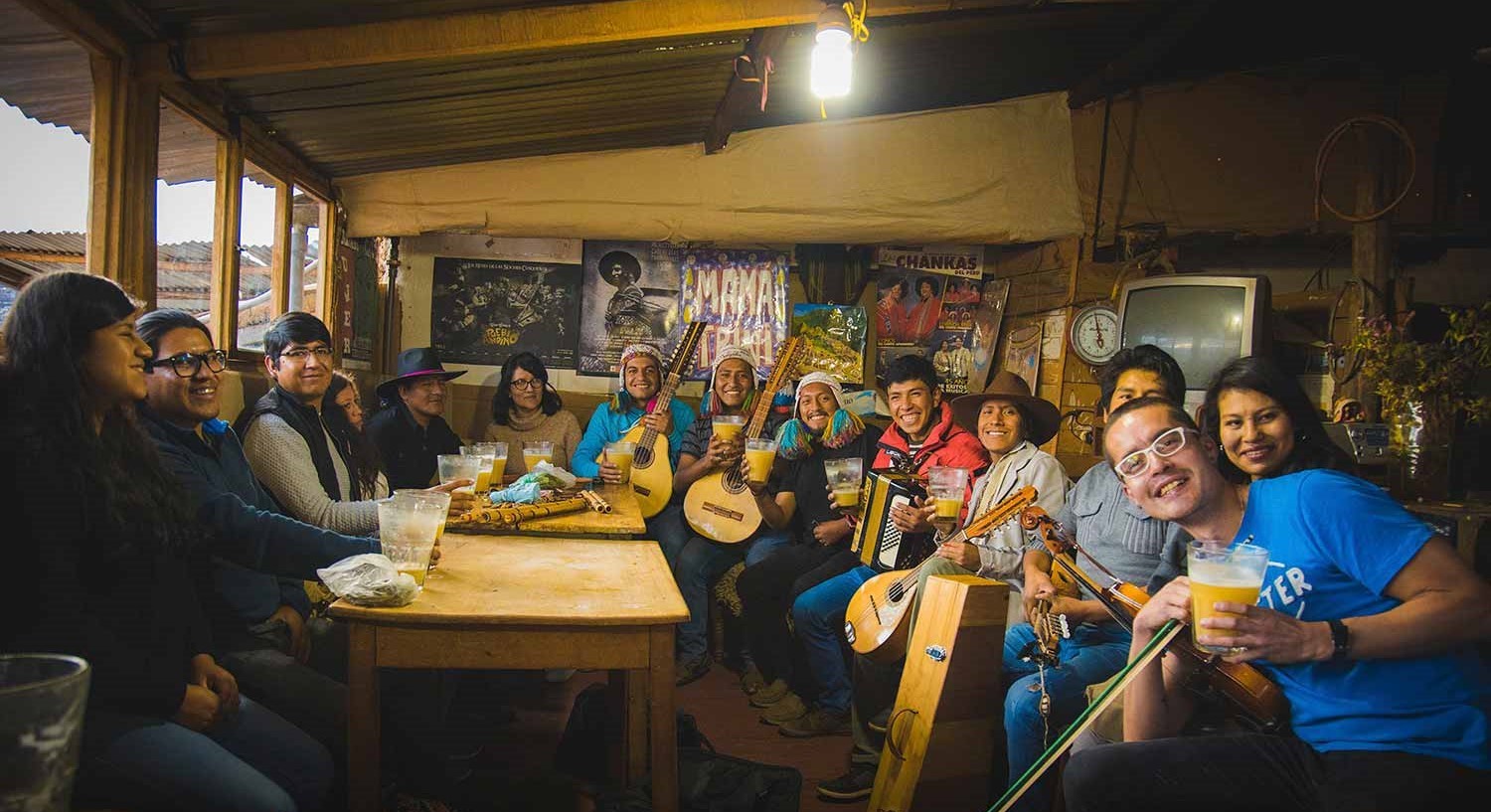
Unlike Picanterías, Chicherías are primarily known for serving chicha de jora, a fermented corn beer that dates back to pre-Columbian times. The ambiance is humble—dirt floors, wooden benches, and, if you’re lucky, a group of locals playing guitar and singing huaynos.
You can usually identify a chichería by a red plastic bag or small flag hung outside. These symbols mean chicha is fresh and available inside.
Chicha: The Heart of the Andes
 Chicha isn’t just a drink; it’s a ritual. Made from germinated corn, chicha is mildly alcoholic and often consumed during social gatherings and festivals. There are several variations:
- Chicha de jora: the most traditional, sour and potent
- Frutillada: infused with strawberries and sugar, pink and sweet
- Chicha morada: non-alcoholic, made from purple corn
Drinking chicha often involves sharing a poto, a large cup passed around the table, reinforcing community bonds.
Dishes You Must Try
Visiting a Picantería or Chichería without indulging in local dishes would be a culinary sin. Here are the must-tries:
- Chairo: a hearty soup with lamb, vegetables, and chuño
- Lechón al horno: slow-roasted pork with crispy skin
- Cuy chactado: fried guinea pig, often served whole
- Caldo de gallina: a restorative chicken broth popular with locals
These dishes are often served with rocoto (Peruvian chili) and maíz mote (large-kernel corn), enhancing the taste and texture.
FAQs
What is the difference between a Picantería and a Chichería?
A Picantería focuses on food, offering daily traditional dishes, while a Chichería is primarily a drink house specializing in chicha.
Is chicha safe to drink for tourists?
Yes, if it’s from a reputable place. Always ask locals for their recommendations.
Are these establishments tourist-friendly?
Some are, especially in central areas. However, the most authentic ones may have limited English but abundant hospitality.
Can vegetarians enjoy meals at Picanterías?
It’s challenging, but not impossible. Look for oca, chuño, or quinoa-based dishes.
What time should I visit a Picantería?
Lunch is the best time—between 12 pm and 3 pm—when the freshest meals are served.
How much do meals usually cost?
Typically between 15–30 soles ($5–8), making it an affordable way to explore Peruvian flavors.
Conclusion
Picanterías and Chicherías in Cusco are more than places to eat and drink—they are guardians of Peru’s living heritage. They welcome you with open arms, warm plates, and centuries of culture in every bite and sip. If you’re ever in Cusco, skip the trendy cafés and dive into the rustic, soul-nourishing world of a Picantería or Chichería. You won’t regret it.
📩 Get in Touch Now | 🌐 Visit Our Website