
Sacred Valley in Peru
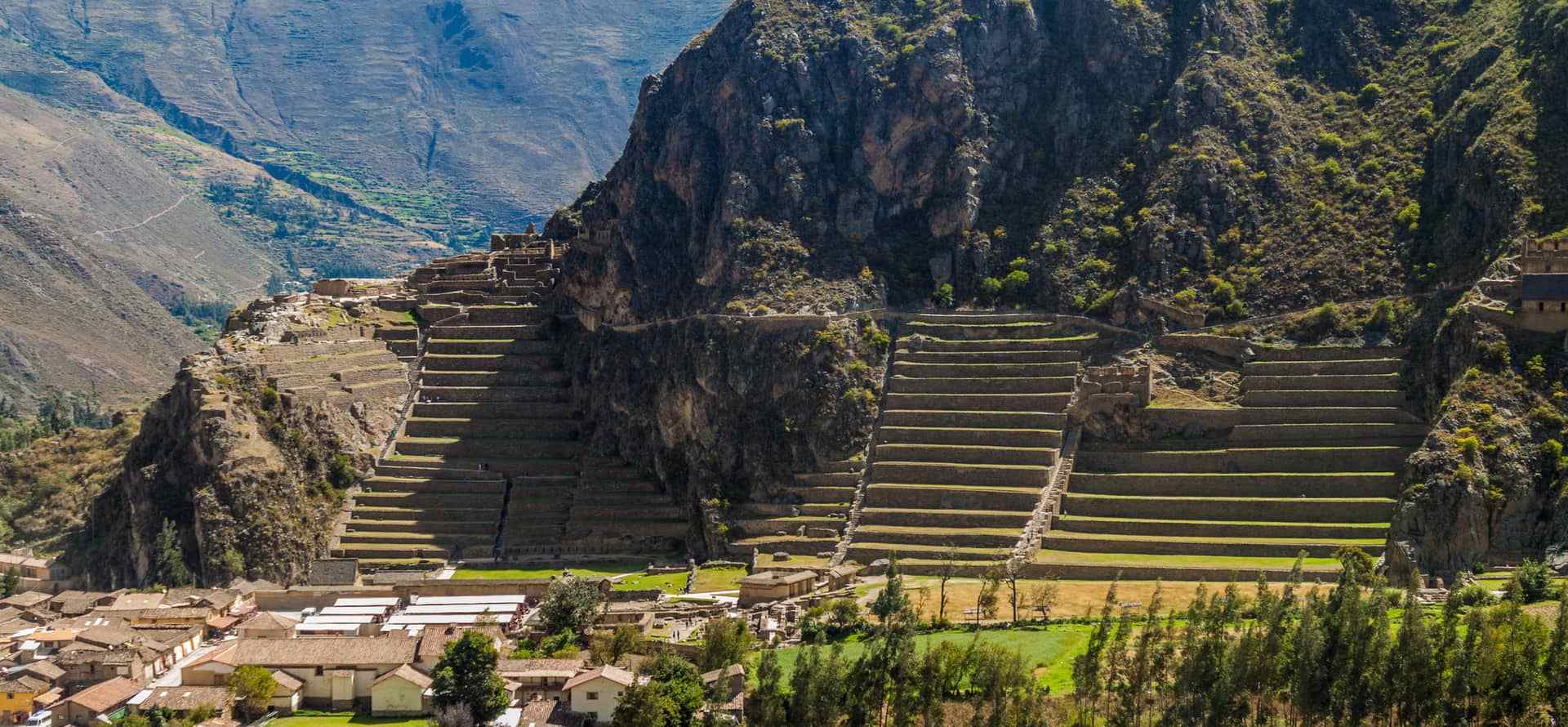 The Sacred Valley In Peru is a stunning combination of Andean natural beauty and incredible Incan industrial ingenuity. The Sacred Valley boasts some of the most famous archaeological sites in the world and receives an immense influx of tourists.
Located in the heart of the Peruvian Andes, we find numerous archaeological, cultural and natural treasures, archaeological sites such as Maras and Moray offer a unique insight into the ingenuity of the ancient Incas and their deep connection to the land.
The Terraces of Moray
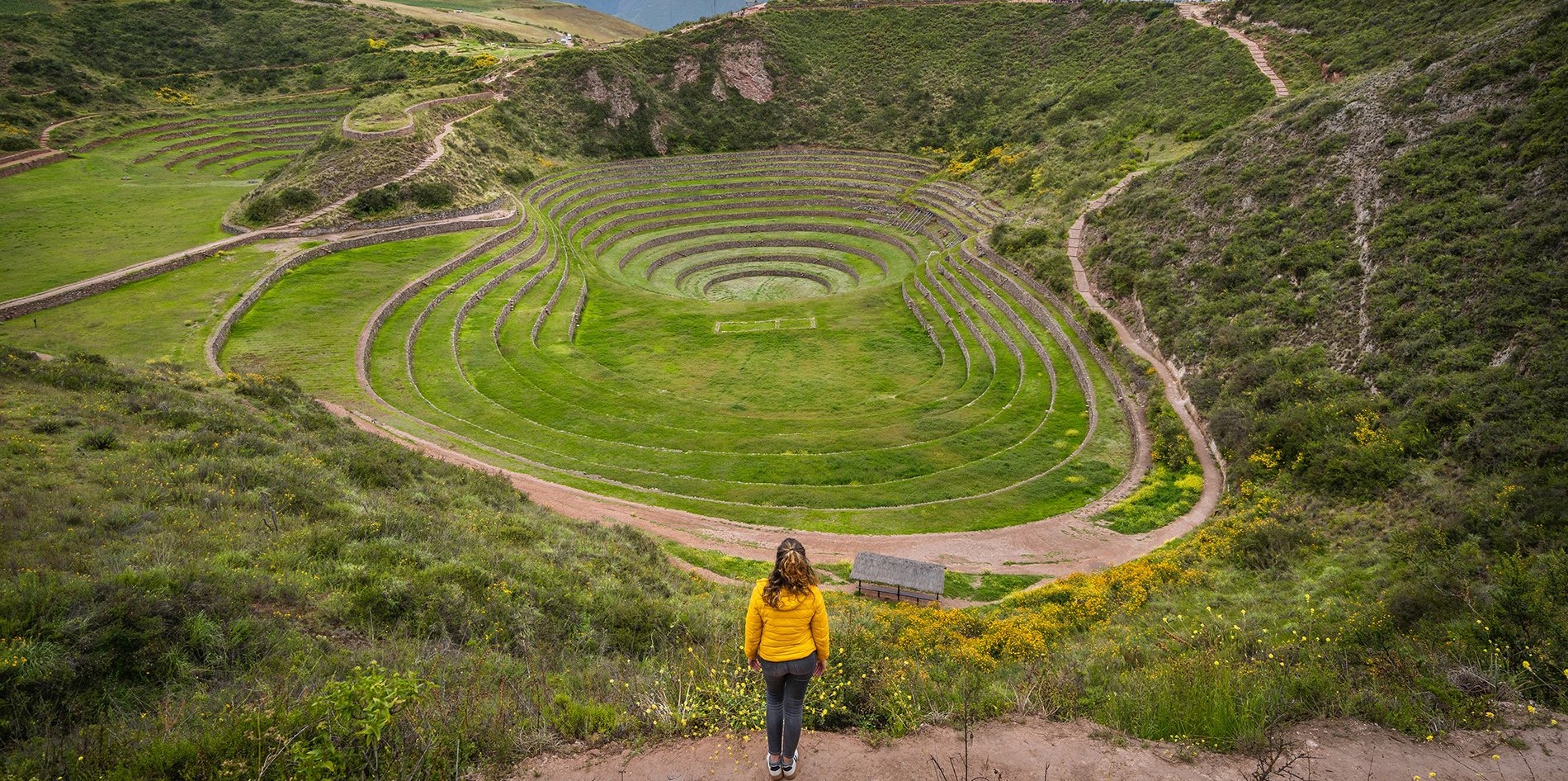 The Moray Terraces are an archaeological site located in the Sacred Valley of the Incas near Cusco, Peru. This set of circular terraces, situated in a large natural pit, is notable for its ingenious design and unique agricultural function.
Moray is composed of several terraces arranged in a funnel shape, descending towards the center of the pit. The site primarily includes three levels of terraces. The central terrace, the largest and deepest, has a series of concentric terraces that create an impressive pattern. The upper and lower terraces surround this central level, forming a stepped structure.
Moray’s design not only has aesthetic value, but was also functional. The terraces feature advanced irrigation and drainage systems that manage water flow and prevent soil erosion. Each terrace has a slight incline to direct water and maintain soil retention.
One of the most notable features of Moray is its ability to create diverse microclimates. Due to the depth of the pit, there is a significant temperature difference between the upper and lower levels of the terraces, which can reach up to 15°C (27°F). This temperature range allowed the Incas to experiment with different agricultural conditions, optimizing the cultivation of various crops based on their needs.
In short, the Moray Terraces are not only an architectural marvel, but also a testament to the agricultural ingenuity of the Incas, demonstrating their ability to adapt and take advantage of their natural environment.
The Salt Mines of Maras
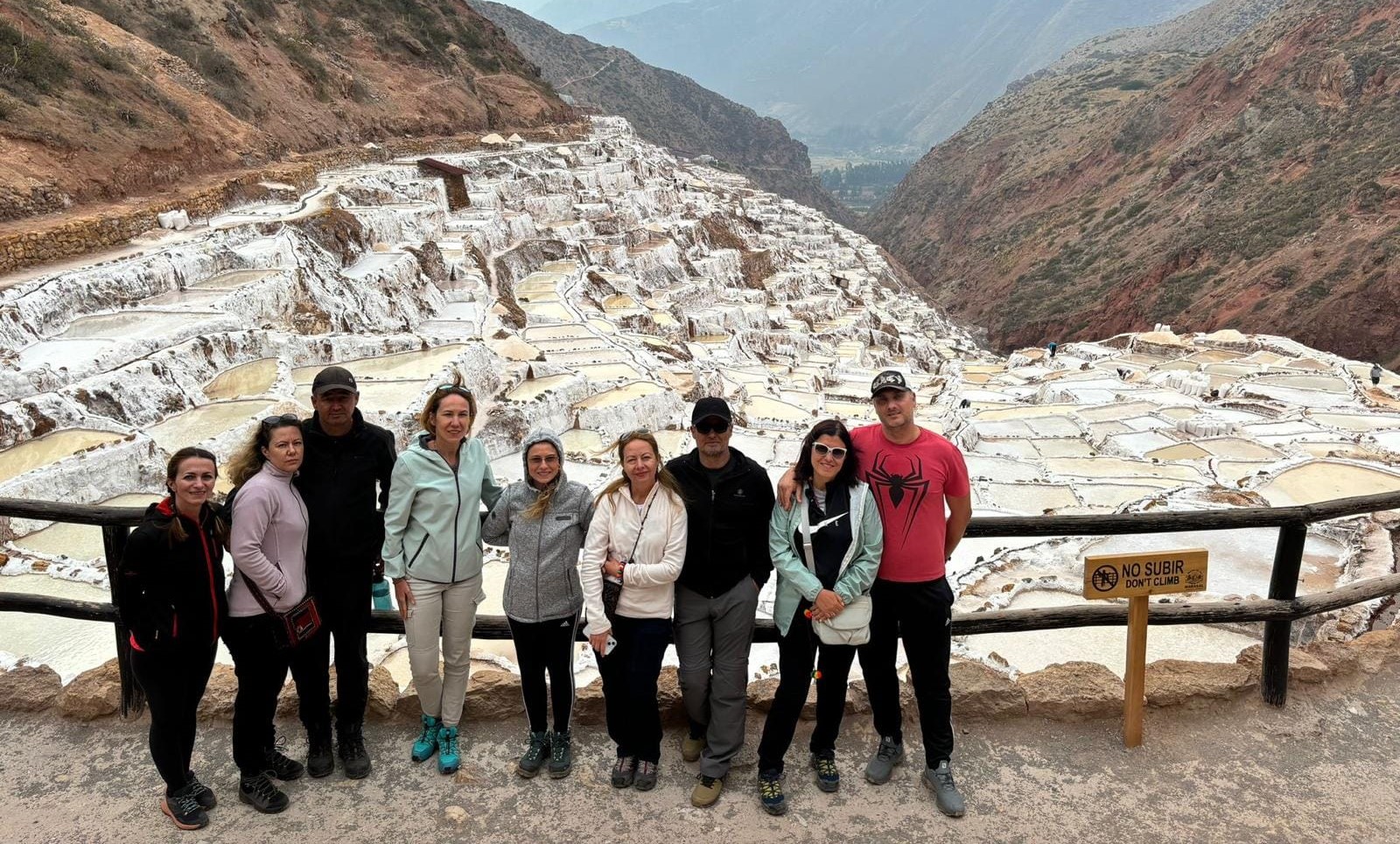 The Salineras de Maras are an impressive set of salt flats located in the Cusco region of Peru. These salt flats are located in a valley in the foothills of the Andes, near the town of Maras. They date back to pre-Incan times, although they were used and expanded during the Incan Empire.
The salt is extracted from saltwater springs that emerge from the mountains. The traditional technique used to harvest the salt involves channeling the saltwater into a series of evaporation pools built into terraces. As the water evaporates, the salt crystallizes and can be harvested.
The landscape of the Salineras de Maras is spectacular, with hundreds of small salt pools lined up in terraces that contrast with the mountainous surroundings. In addition to their historical and cultural significance, the salt flats are also a major tourist attraction.
Visiting the Salineras de Maras not only offers a stunning view, but also allows you to better understand the traditional salt extraction techniques that have been used for centuries.
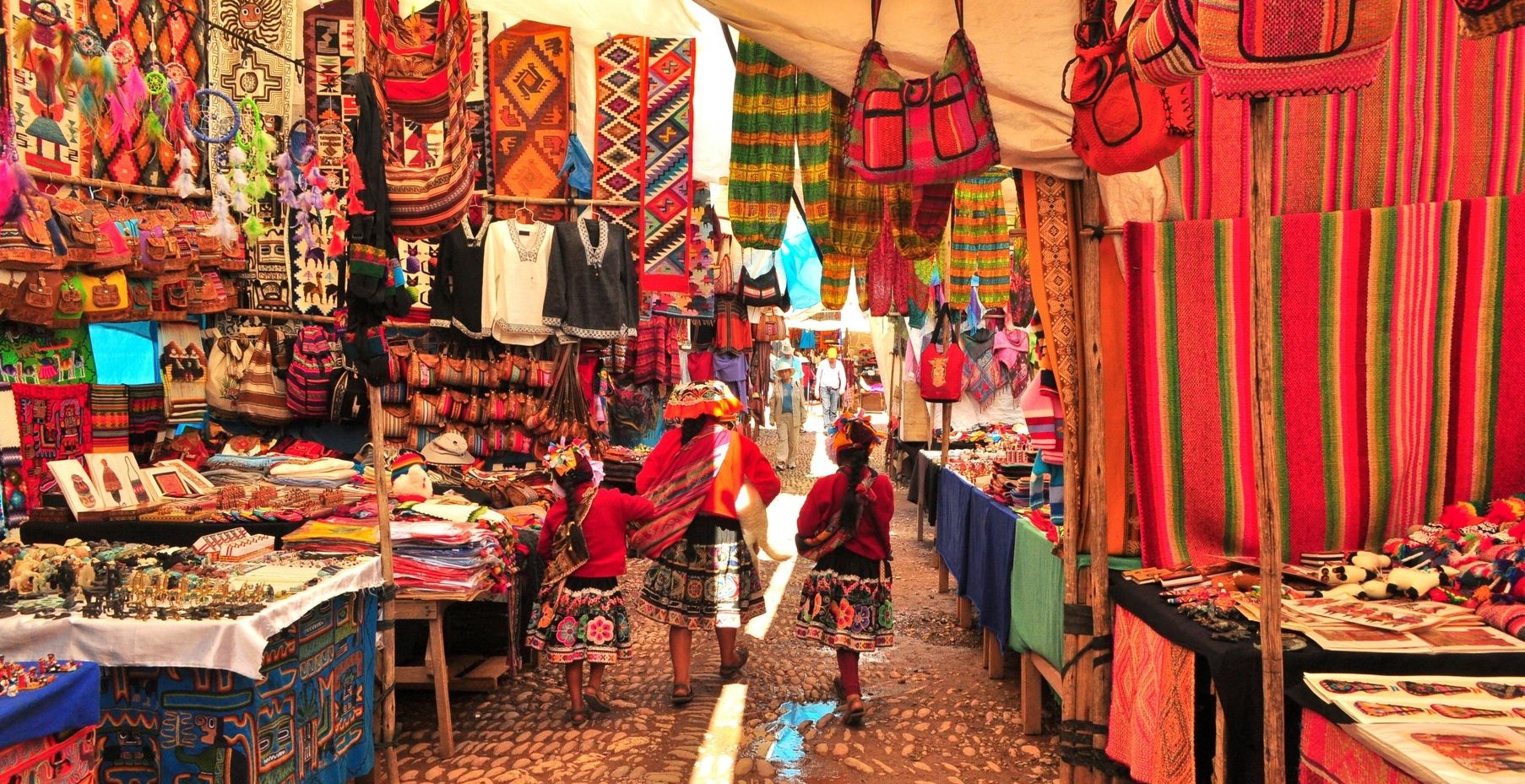
While the Ollantaytambo fortress and the Pisac Market can get overwhelmingly busy, you are guaranteed to enjoy Maras and Moray almost alone. Visit these hidden wonders to optimize your Inca experience and venture off the beaten track.
 Both Moray and the Salineras de Maras are fascinating witnesses to the ingenuity and sophistication of the Inca civilization, each excelling in its own area of expertise and contributing uniquely to the cultural and agricultural heritage of the Andean region.