
The Religion in the Inca Civilization: Gods, Beliefs and Sacred Traditions in Cusco
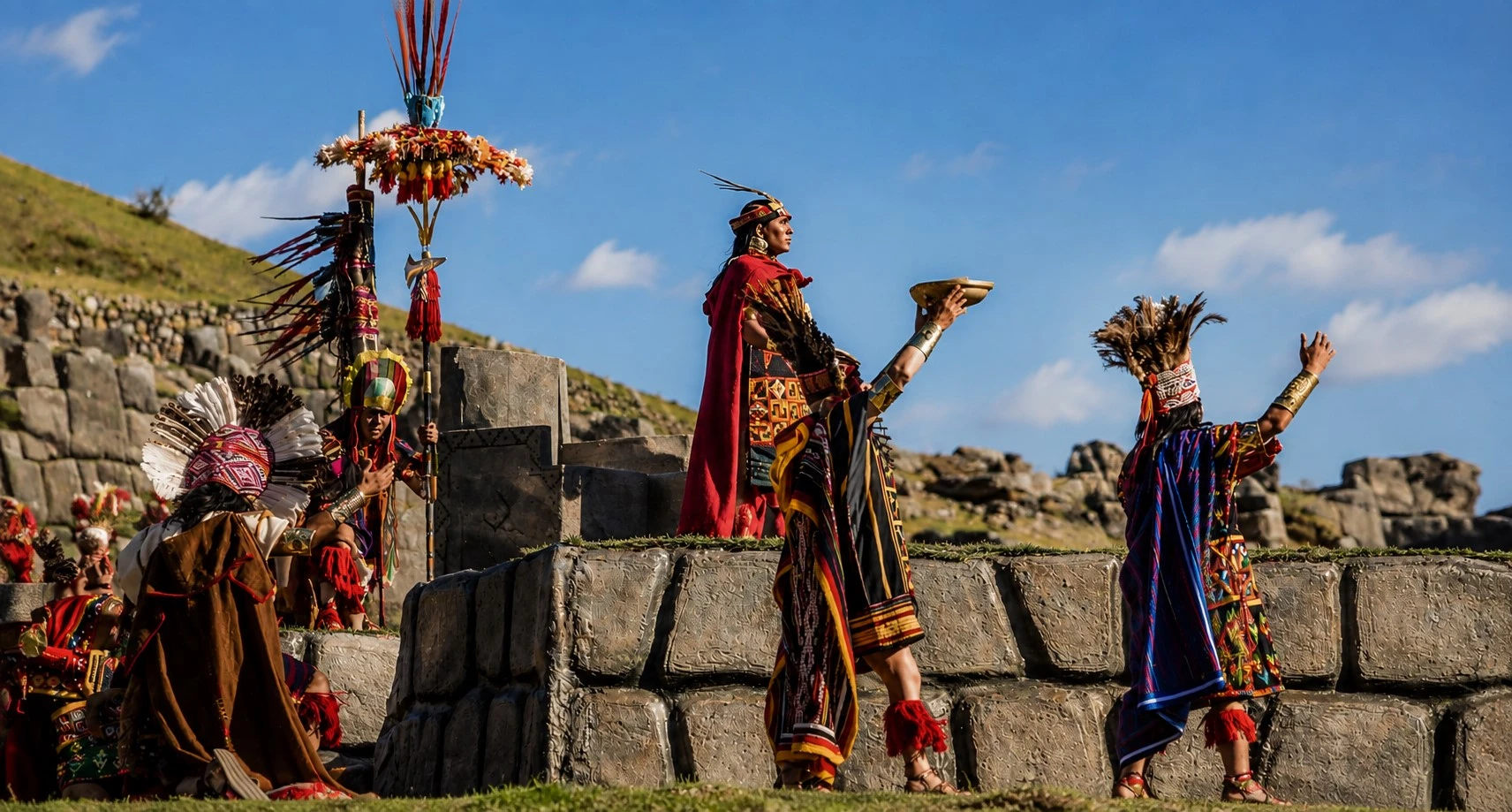 The Religion in the Inca Civilization was a group of beliefs and rites that were related to a mythological system evolving from pre-Inca times to Inca culture.
Faith in the Tawantinsuyu was manifested in every aspect of their daily life, work, festivities, and ceremonies. The Incas were polytheists and believed in local, regional, and pan-regional divinities.
Today, many of these beliefs can still be experienced when visiting important sites like Machu Picchu, where Inca spirituality is reflected in its temples and sacred spaces.
The Conformation of the World
The Inca or Andean Trilogy represents the three worlds:
- Hanan Pacha (Heaven): Represented by the condor, believed to connect the upper world with the earthly world.
- Kay Pacha (World of the living): Represented by the puma, symbolizing strength and intelligence.
- Uku Pacha (Underworld): Represented by the snake, associated with wisdom and the inner world.
Inca Mythology
 The pre-Inca civilizations that inhabited the Andes were deeply religious, with strong customs and sacred rites. When the Incas rose to power, they integrated these beliefs into their own religious system.
During their expansion, they respected local traditions but required the worship of main deities such as Viracocha, Inti, and Pachamama.
How Did Religion Influence Daily Life?
Religion was deeply integrated into every aspect of Inca society and influenced how people worked, celebrated, governed, and interacted with nature.
Farmers performed ceremonies before planting and harvesting crops, believing that honoring the gods would ensure fertile land and abundant harvests. Religious beliefs also guided important decisions made by Inca rulers, who were considered descendants of the Sun God, Inti.
Annual festivals and sacred rituals brought communities together to celebrate seasonal changes and honor their deities. Offerings to Pachamama, prayers to the Apus, and ceremonies dedicated to Inti formed part of everyday life throughout the empire.
Rather than being limited to temples, religion shaped the Inca calendar, agricultural practices, political authority, and social traditions, creating a strong spiritual connection between people, nature, and the cosmos.
Planning to Visit Cusco?
Many of the traditions and beliefs of the Inca civilization are still alive today and can be experienced by visiting archaeological sites, sacred temples, and Andean communities around Cusco and the Sacred Valley.
Exploring these places with a knowledgeable guide helps you better understand their spiritual meaning and cultural importance.
Popular experiences include:
The Inca Gods
An ideal way to understand Inca religion is by visiting sacred places and learning from expert guides who can explain the meaning behind temples, rituals, and ancient traditions.
Visiting Machu Picchu allows travelers to see how spirituality was integrated into architecture and daily life. The Incas believed in life after death and maintained a strong connection with their ancestors. For this reason, they mummified their dead and honored them through ceremonies and offerings.
Viracocha – The Creator God
Viracocha was the creator of the universe, humans, and animals. According to legend, he emerged from Lake Titicaca to bring order to the world and create the first humans.
Unlike other gods, he was not directly associated with natural elements, but represented a higher power.
Inti – The Sun God
Inti was the most important deity in the Inca civilization. He was directly connected to agriculture and life, as the sun was essential for crop growth.
Every year, the festival of Inti Raymi is celebrated in Cusco, attracting visitors from around the world and preserving this important tradition.
Pachamama – Mother Earth
Pachamama was the goddess of fertility and agriculture, representing the connection between humans and nature. The Incas made offerings to ensure good harvests and maintain balance with the environment.
Today, these traditions are still practiced in Andean communities, especially in the Sacred Valley.
Huacas
Huacas were sacred places or objects such as mountains, rivers, temples, or stones that held spiritual significance. The Incas believed these places had energy and required respect through rituals and offerings.
Many of these sites can still be visited around Cusco today, offering travelers a deeper understanding of Inca spirituality.
Importance of the Apus
The Apus were mountain spirits believed to protect people, crops, and communities. Each mountain had its own spirit, and the Incas communicated with them through rituals.
This connection between humans and nature is still present in the Sacred Valley and surrounding mountains.
Inca Mummifications
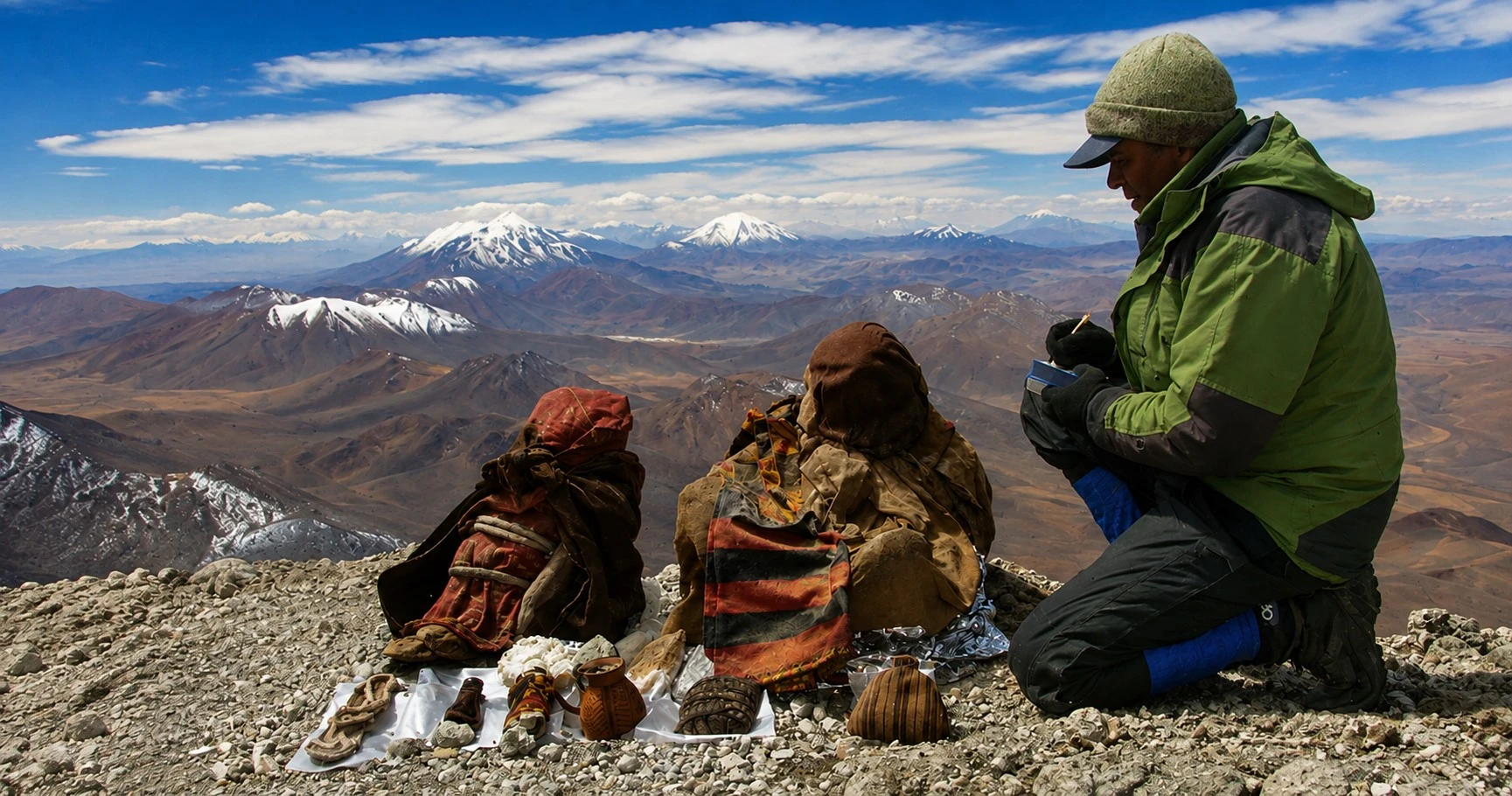 Mummification was an important practice that reflected the Inca belief in life after death. The Incas preserved their ancestors and treated them as part of the community.
Mummies were included in ceremonies and special events, showing how deeply spirituality was connected to daily life.
Deity |
Represents |
Importance |
|---|---|---|
| Viracocha | Creator | Creator of the universe and humanity |
| Inti | Sun | Agriculture, life, and royal lineage |
| Pachamama | Mother Earth | Fertility, nature, and harvests |
| Illapa | Thunder and Rain | Weather, rain, and successful crops |
| Mama Quilla | Moon | Time, ceremonies, and the lunar calendar |
Where Can You Experience Inca Religion Today?
Many elements of Inca religion can still be experienced in:
- Qorikancha
- Sacsayhuamán
- Sacred Valley
Why Is Inca Religion Important for Travelers?
Understanding Inca religion helps travelers appreciate archaeological sites beyond their physical appearance.
Places like Machu Picchu were designed with spiritual and astronomical meaning, making visits more meaningful and enriching.