Visit These 5 National Parks of Peru

Visit These 5 National Parks of Peru is a practical guide to explore some of the most important natural destinations in the country. Peru is among the most biodiverse countries in the world, and some of its most pristine areas are the National Parks in Peru.
There are more than 70 protected natural areas distributed across the coast, the highlands, and the rainforest, conserving over 15% of Peru’s territory. These areas play a key role in protecting ecosystems and are also important for tourism.
Many National Parks in Peru offer breathtaking landscapes, diverse wildlife, and local communities living nearby. While each park protects a different ecosystem, we have selected five of the best options based on accessibility, experience, and natural diversity.
1.- Manu National Park

Manu National Park is considered one of the most biodiverse places in the world. It has been visited by scientists, explorers, and international filmmakers, and many documentaries about Peru have been recorded in this region.
Manu is located between the Cusco and Madre de Dios regions, in the southern jungle of Peru. It can be reached by road from Cusco or by river from Puerto Maldonado.
One of the best ways to experience Manu is starting from Cusco, crossing the cloud forest, and continuing by boat into the Peru’s rainforest.
Its remote location makes Manu a more demanding destination, both in time and cost. However, it offers one of the most complete wildlife experiences in Peru.
Our accommodation recommendations include Cock of the Rock Lodge and Manu Wildlife Center, both located in different ecosystems and ideal for a more complete experience.
You can explore this destination through our Manu National Park tours designed from Cusco.
2.- Tambopata National Reserve
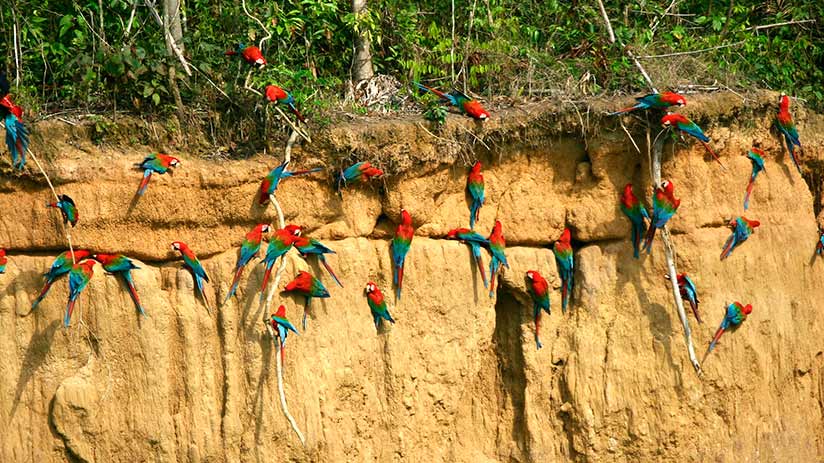
Tambopata National Reserve is one of the most accessible Amazon destinations in Peru. Located near Puerto Maldonado, it allows travelers to experience the rainforest without long travel times.
The reserve covers approximately 274,690 hectares and is known for its biodiversity. Visitors can observe wildlife, explore jungle trails, and learn about local communities.
Tambopata is a good option for travelers who want an Amazon experience with easier access compared to Manu.
3.- Nor Yauyos Cochas Landscape Reserve

Located between Lima and Junín, Nor Yauyos Cochas Landscape Reserve is a lesser-known destination. It protects the Cañete river basin and is known for its turquoise lagoons, waterfalls, and Andean landscapes.
Local communities provide basic tourism services such as accommodation, food, and guided activities. In places like Laraos, visitors can experience traditional cooking such as pachamanca in pre-Inca terraces.
Accommodation is usually provided through homestays, especially in Huancaya and Laraos. While the experience is authentic, facilities can be basic for some travelers.
4.- Huascarán National Park
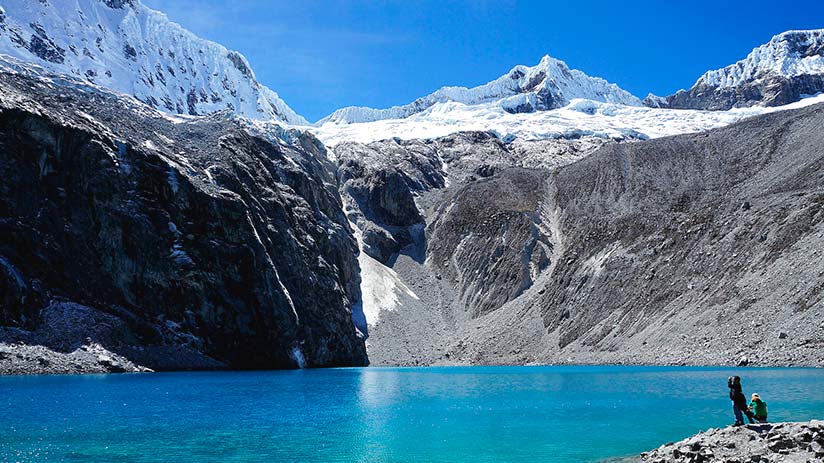
Huascarán National Park, located in the Ancash region, is one of the main destinations in Peru for trekking and mountain landscapes. It includes part of the Cordillera Blanca.
The park is known for its snow peaks, hiking routes, and high-altitude lakes. Some of the best-known treks of Peru (enlace a tu página de treks) are located in or near this park.
One of the most popular routes is the Santa Cruz Trek, a multi-day hike with high altitude conditions. For shorter visits, Laguna 69 is one of the most visited hikes in Peru and can be completed in one day.
This destination is recommended for travelers in good physical condition due to altitude.
5.- Paracas National Reserve & Ballestas Islands
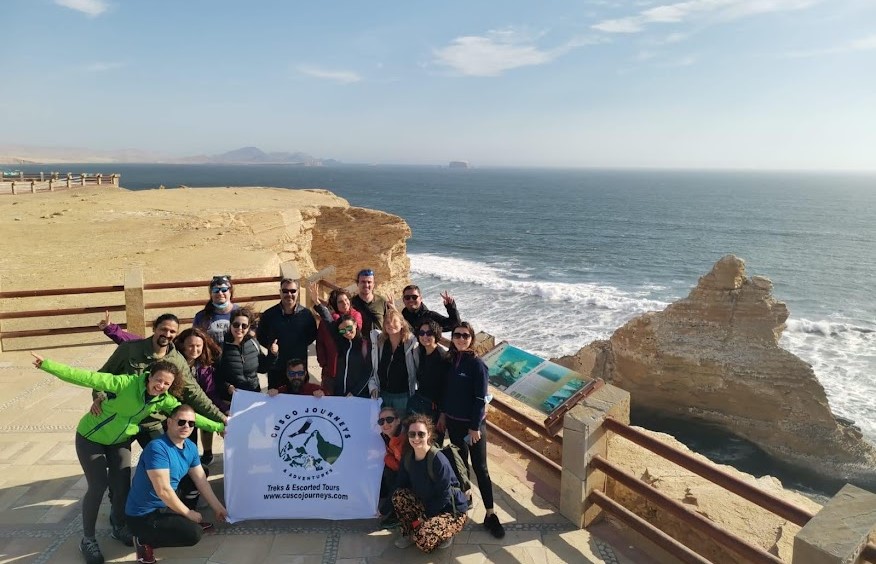
Paracas National Reserve is one of the most visited natural areas in Peru. Located in the Ica region, it combines desert landscapes with marine ecosystems.
The nearby Ballestas Islands are known for wildlife such as sea lions, penguins, and seabirds. Boat tours operate regularly from Paracas.
Paracas also has historical importance, as it was home to the Paracas culture. Visitors can explore the Julio C. Tello Museum, which presents important archaeological findings.
The reserve offers activities such as kitesurfing, windsurfing, and coastal exploration.
There are no hotels inside the reserve, but there are many accommodation options nearby. Camping is allowed only in designated areas under park regulations.
How to Visit National Parks in Peru
Traveling to national parks in Peru depends on the region:
- Amazon (Manu, Tambopata): organized tours are required
- Andes (Huascarán): possible independently or with guided treks
- Coast (Paracas): easy access from Lima
Recommended Peru Itineraries Including National Parks
If you are planning a trip to Peru, these combinations work well:
- Cusco + Machu Picchu + Manu National Park
- Lima + Paracas + Nazca + Cusco
- Lima + Huaraz (Huascarán) + Cusco
Explore our Peru travel packages: