
Best Time to Do the Inca Jungle Trek: Weather, Seasons and Expert Travel Tips
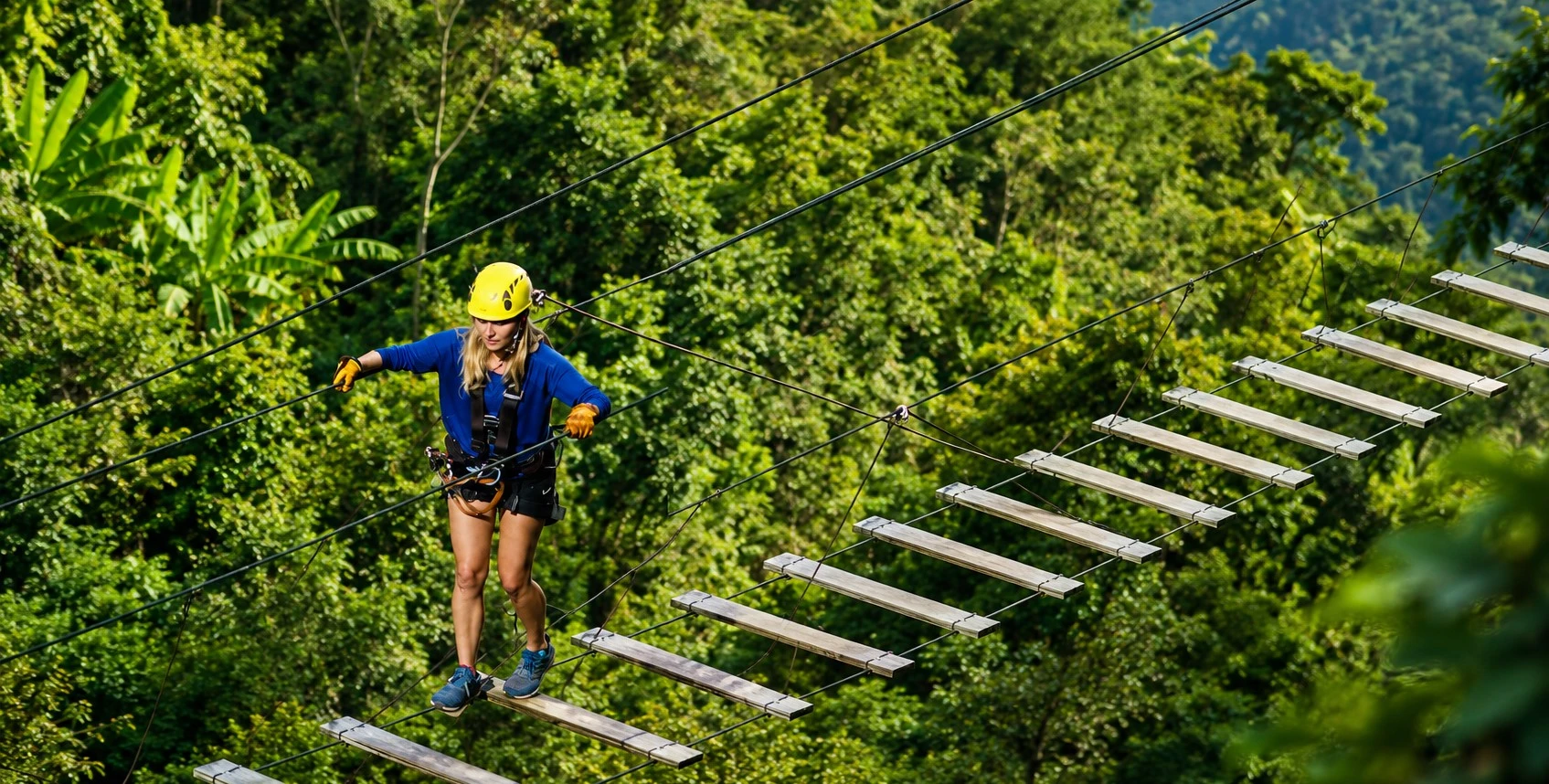 Planning your adventure at the right time can make all the difference. The Best Time to Do the Inca Jungle Trek depends on whether you prefer sunny days, lush green landscapes, or fewer crowds on the trail to Machu Picchu.
Whether you’re interested in our 3-Day Inca Jungle Trek to Machu Picchu or the more complete 4-Day Inca Jungle Trek with Mountain Biking and Hiking, understanding Peru’s seasons will help you choose the ideal departure date.
In this guide, you’ll discover the best season for the Inca Jungle Trek, compare the dry and rainy seasons, explore monthly weather conditions, and learn expert travel tips from the Cusco Journeys team.
By the end, you’ll know when to hike the Inca Jungle Trek for the best weather, breathtaking scenery, and an unforgettable adventure through the Peruvian Andes.
Why Choosing the Right Season Matters
The Inca Jungle Trek takes you through several ecosystems, from the cool mountain pass of Abra Málaga to the warm Cloud Forest and finally to Machu Picchu. Because the route changes dramatically in altitude and climate, the time of year can influence trail conditions, visibility, and your overall experience.
Choosing the right season helps you enjoy better weather for hiking, mountain biking, and outdoor activities while also making it easier to plan around Machu Picchu entrance tickets, train schedules, and accommodation availability.
Whether you prefer sunny days or lush green scenery, knowing what to expect will help you get the most out of this unforgettable adventure.
 When Is the Best Time to Do the Inca Jungle Trek?
The Best Time to Do the Inca Jungle Trek depends on the type of adventure you’re looking for. While the route is open year-round, weather conditions vary between the dry and rainy seasons.
Dry Season (May to September)
This is the most popular time to hike. Days are usually sunny with temperatures between 18°C and 25°C (64°F–77°F) in the lower valleys, while mornings at Abra Málaga Pass can drop to 2°C–8°C (36°F–46°F).
The trails are drier, mountain views are clearer, and conditions are ideal for hiking and mountain biking.
Rainy Season (November to March)
Expect warmer temperatures of 20°C to 28°C (68°F–82°F) in the cloud forest, with frequent afternoon showers. The landscape becomes greener, waterfalls are at their best, and there are fewer visitors, although some sections of the trail may be muddy.
Overall, May, June, and September offer the best balance of pleasant weather, excellent scenery, and comfortable trekking conditions.
Dry Season vs. Rainy Season
Both seasons offer incredible experiences, but choosing the right one depends on your travel style and priorities.
Feature |
Dry Season |
Rainy Season |
|---|---|---|
| Months | May – September | November – March |
| Daytime Temperature | 18°C–25°C (64°F–77°F) | 20°C–28°C (68°F–82°F) |
| Morning Temperature | 2°C–8°C (36°F–46°F) at Abra Málaga | 8°C–14°C (46°F–57°F) |
| Rainfall | Low | Frequent afternoon showers |
| Trail Conditions | Dry and stable | Wet and sometimes muddy |
| Mountain Views | Excellent visibility | Clouds are more common |
| Landscape | Dry valleys and clear skies | Lush forests and waterfalls |
| Visitor Numbers | High | Moderate to low |
| Best For | Hiking, biking, photography | Nature lovers and fewer crowds |
If your priority is stable weather, panoramic views, and ideal trekking conditions, the dry season is the best choice. If you prefer greener landscapes, quieter trails, and don’t mind occasional rain, the rainy season offers a unique and rewarding experience.

Month-by-Month Weather Guide
Although the Inca Jungle Trek is available throughout the year, each month offers different weather conditions, landscapes, and trekking experiences.
Month |
Weather |
Recommendation |
|---|---|---|
| January | Heavy rainfall, lush vegetation, 20°C–28°C (68°F–82°F). | Best for nature lovers and fewer crowds. |
| February | Wettest month with muddy trails and frequent showers. | Good if you don’t mind rain and want a quieter experience. |
| March | Rain begins to decrease and trails gradually improve. | Great balance between green scenery and better weather. |
| April | Mild temperatures and the start of the dry season. | One of the best shoulder-season months. |
| May | Sunny days, dry trails, and excellent visibility. | One of the best months for hiking and photography. |
| June | Cool mornings, warm afternoons, and very little rain. | Perfect trekking conditions but high demand. |
| July | Clear skies and comfortable daytime temperatures. | Excellent weather; book early due to peak season. |
| August | Dry, sunny, and ideal for outdoor activities. | Great month for hiking and mountain biking. |
| September | Pleasant temperatures with fewer visitors. | One of the best overall months to travel. |
| October | Occasional showers with greener landscapes. | Excellent shoulder season with moderate crowds. |
| November | Rainfall gradually increases and forests become lush. | Ideal for nature and landscape photography. |
| December | Warm weather with regular afternoon showers. | A good choice for holiday travelers. |
Best Time for Different Types of Travelers
Not every traveler is looking for the same experience. The best season depends on your interests and travel style.
- For First-Time Visitors: May to September offers the most stable weather, dry trails, and clear mountain views.
- For Photographers: May, June, and September provide excellent visibility and the best light for capturing the Andes and Machu Picchu.
- For Nature Lovers: November to March transforms the route into a lush cloud forest with blooming plants and impressive waterfalls.
- For Budget Travelers: The rainy season usually has fewer visitors, making it easier to find accommodation and travel deals.
- For Adventure Seekers: The dry season provides the best conditions for mountain biking, hiking, and ziplining.
 Expert Travel Tips
A little preparation can make your Inca Jungle Trek even more enjoyable.
- Book your Machu Picchu entrance tickets well in advance if traveling between June and August.
- Wear lightweight layers, as temperatures vary from the high Andes to the cloud forest.
- Bring a waterproof jacket in every season because mountain weather can change quickly.
- Choose hiking boots with good grip, especially during the rainy season.
- Carry sunscreen, insect repellent, sunglasses, and a reusable water bottle.
- Compare our 3-Day Inca Jungle Trek to Machu Picchu and 4-Day Inca Jungle Trek with Mountain Biking and Hiking to choose the itinerary that best matches your adventure.
Frequently Asked Questions
Si te gustó este artículo y la información que encontraste, ¡regálanos 5 estrellas!
 (Ninguna valoración todavía)
 Loading...