
Galápagos Islands
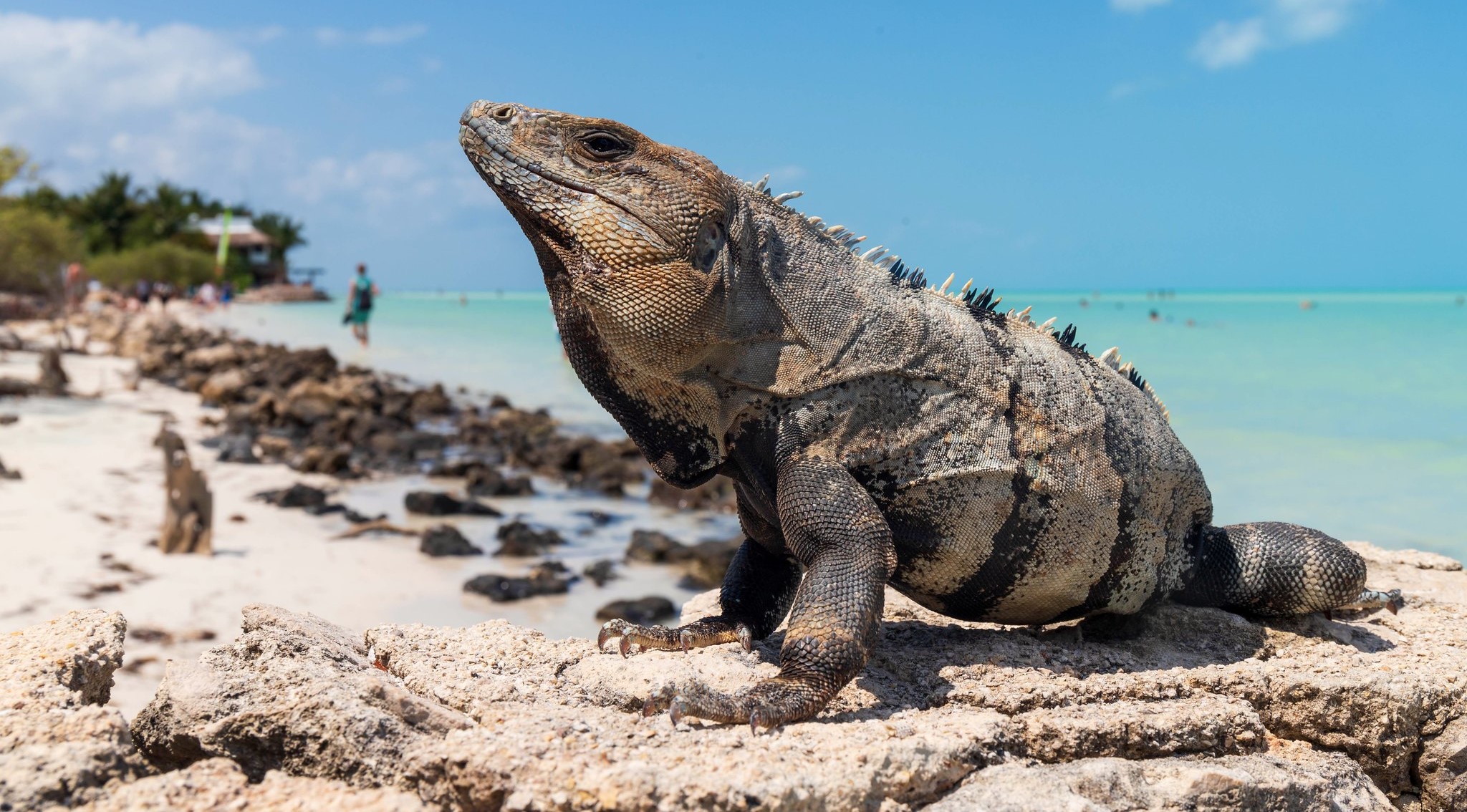 A pristine archipelago of volcanic origins, the Galápagos Islands are a living laboratory of evolution and natural wonder. Located in the Pacific Ocean, this UNESCO World Heritage site comprises 19 islands and numerous islets, each showcasing unique landscapes and ecosystems. From the rugged volcanic terrain of Isabela Island to the lush highlands of Santa Cruz, the archipelago is renowned for its extraordinary biodiversity.
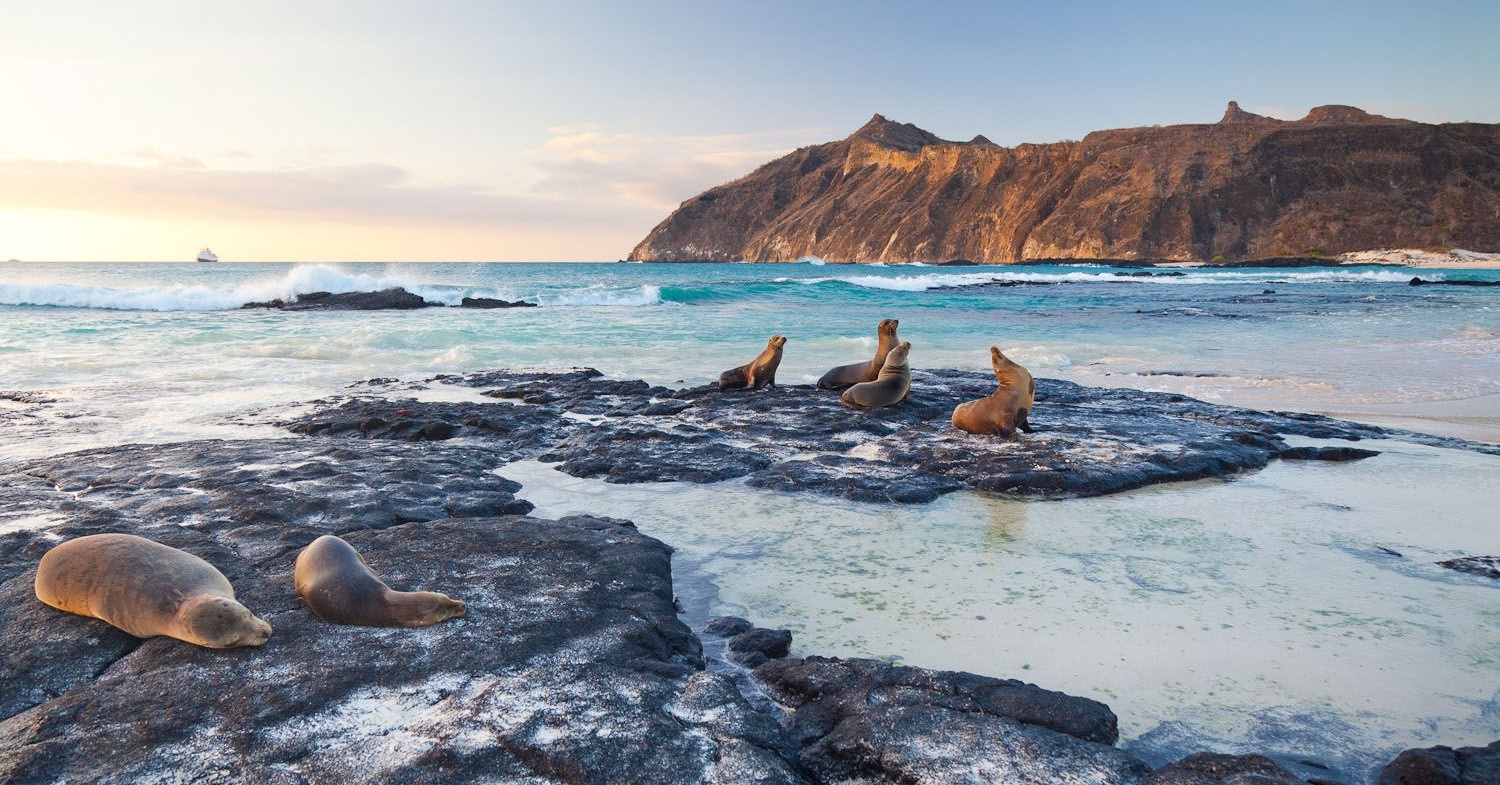
Explore the surreal volcanic formations of Española Island, where vibrant birdlife including the waved albatross performs a dramatic courtship display. Dive into crystal-clear waters around North Seymour Island, where frigatebirds and blue-footed boobies fill the skies. Relax on the sun-drenched beaches of Floreana Island, or embark on a wildlife expedition to San Cristóbal Island, where the charm of sea lions and the rich history of the Galápagos come alive.
 Every island tells a different story of adaptation and survival, making the Galápagos a quintessential destination for nature enthusiasts and explorers.
History
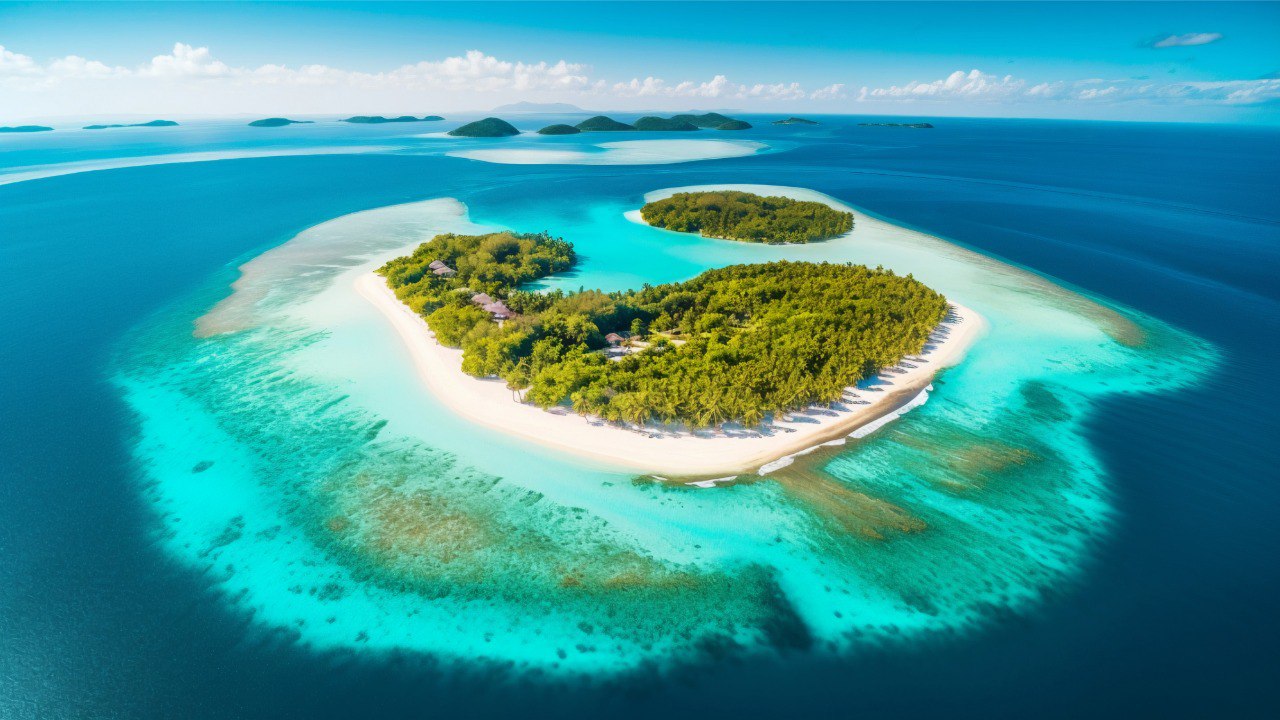 The Galápagos Islands was discovered by Spanish explorer Fray Tomás de Berlanga in 1535, remained largely overlooked until Charles Darwin’s visit in 1835 aboard HMS Beagle. Darwin’s observations of the islands’ unique wildlife, particularly the finches, were pivotal in developing his theory of natural selection. Despite their remote and challenging environment, the islands attracted whalers, pirates, and adventurers in the 19th and early 20th centuries.
The 1960s marked a turning point with the establishment of the Galápagos National Park in 1959 and the creation of the Charles Darwin Research Station in 1964. These steps initiated rigorous conservation efforts and scientific research. Designated a UNESCO World Heritage Site in 1978, the islands have since become a symbol of successful conservation and sustainable tourism, balancing ecological protection with the growing interest of eco-tourists and researchers.
Galápagos Climate & Weather:
- Dry Season (June to November): Cooler temperatures (70°F to 80°F/21°C to 27°C), less humidity, and minimal rain. Cooler, rougher seas; wetsuits recommended.
- Warm Season (December to May): Warmer temperatures (75°F to 85°F/24°C to 29°C), higher humidity, and more rain. Warmer, calmer seas; ideal for snorkeling and diving.
Each season offers unique advantages for wildlife viewing and activities.
Best Time to Visit the Galápagos Islands:
- Dry Season (June to November): Cooler weather, less rain, and ideal for wildlife viewing, especially birds. Sea conditions are rougher; wetsuits are recommended.
- Warm Season (December to May): Warmer temperatures, calmer seas, and great for snorkeling and diving. Marine life is more active, and sea turtles nest during this time.
Choose based on whether you prefer cooler, drier conditions or warmer, more active marine life.
Descriptions of the Galapagos Islands:
Santa Cruz Island
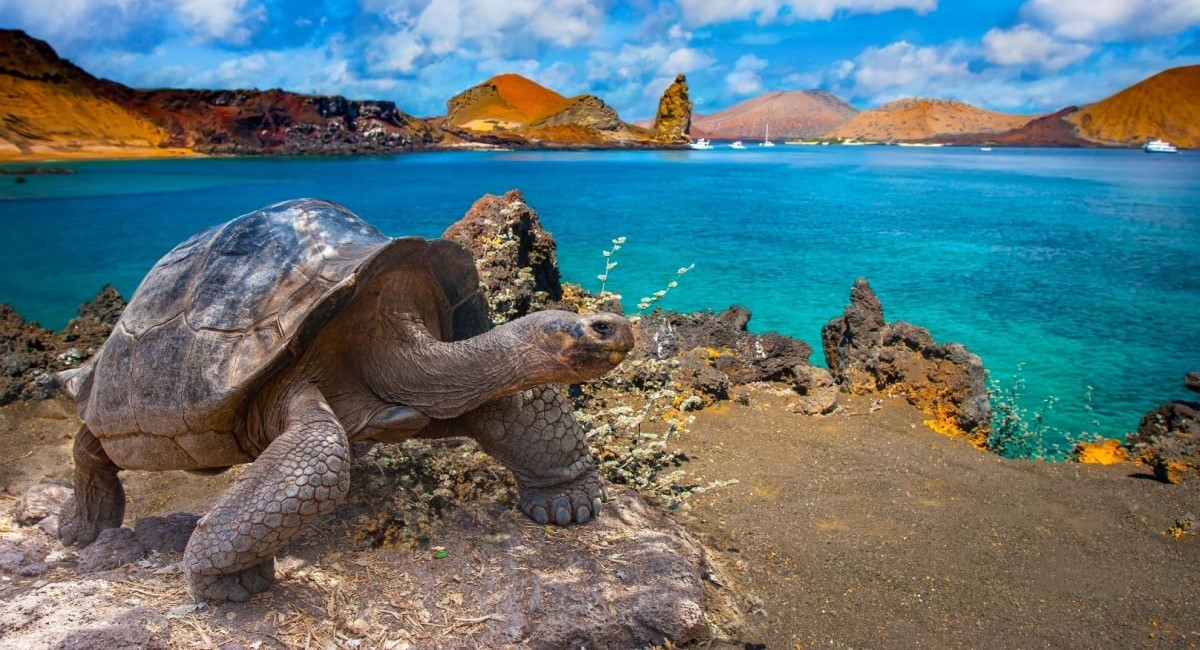 Santa Cruz is the heart of the Galápagos archipelago, serving as the main gateway for visitors. The island is home to Puerto Ayora, the largest town in the Galápagos, where you’ll find a variety of accommodations, restaurants, and shops. The island’s highlands are lush and green, contrasting with the arid lowlands.
The Charles Darwin Research Station, located near Puerto Ayora, is a key center for conservation efforts and scientific research. Here, visitors can learn about ongoing projects to protect and rehabilitate the iconic giant tortoises and other endemic species.
Isabela Island
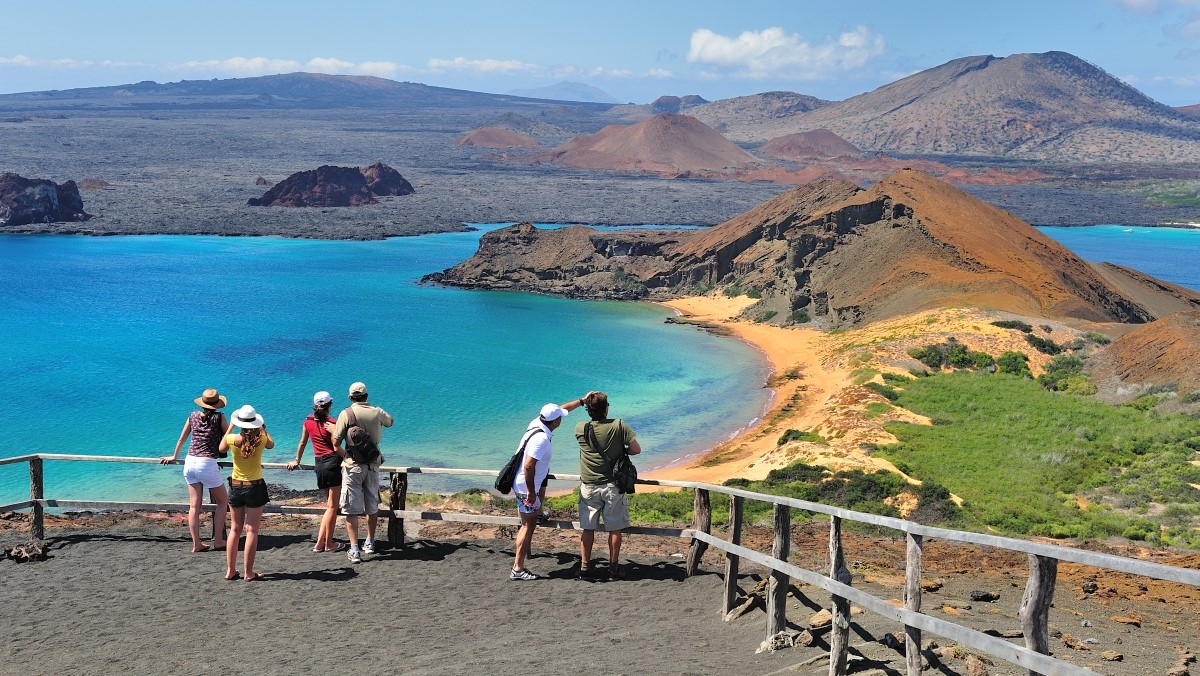 Isabela Island is the largest island in the Galápagos and features diverse landscapes, from volcanic craters to sandy beaches. It is home to five major volcanoes, including Sierra Negra, which boasts one of the largest volcanic craters in the world. The island’s varied ecosystems provide habitats for a rich array of wildlife, including marine iguanas, giant tortoises, and a variety of bird species.
The coastal town of Villamil offers access to beautiful beaches, like Playa Puerto Villamil, and opportunities for snorkeling and diving in the crystal-clear waters.
San Cristóbal Island
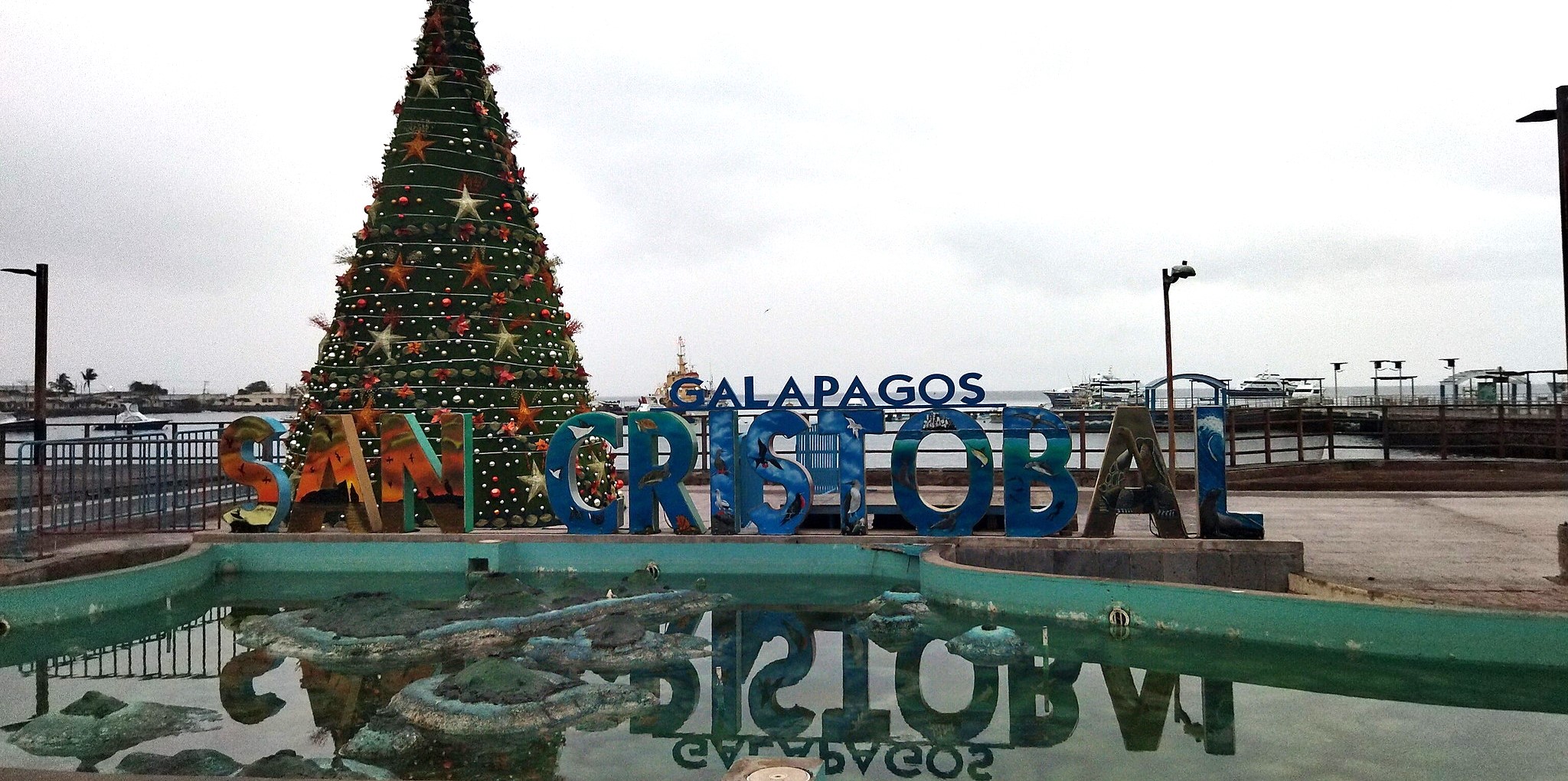 San Cristóbal, one of the easternmost islands, is known for its picturesque beaches and rich cultural history. The island is home to the Galápagos National Park headquarters and offers several attractions, such as the interpretation center where visitors can learn about the archipelago’s history and conservation efforts.
Highlights include Playa Mann, a sandy beach ideal for swimming and relaxing, and the nearby Kicker Rock, a popular snorkeling spot known for its dramatic rock formations and diverse marine life, including sea turtles and manta rays.
Floreana Island
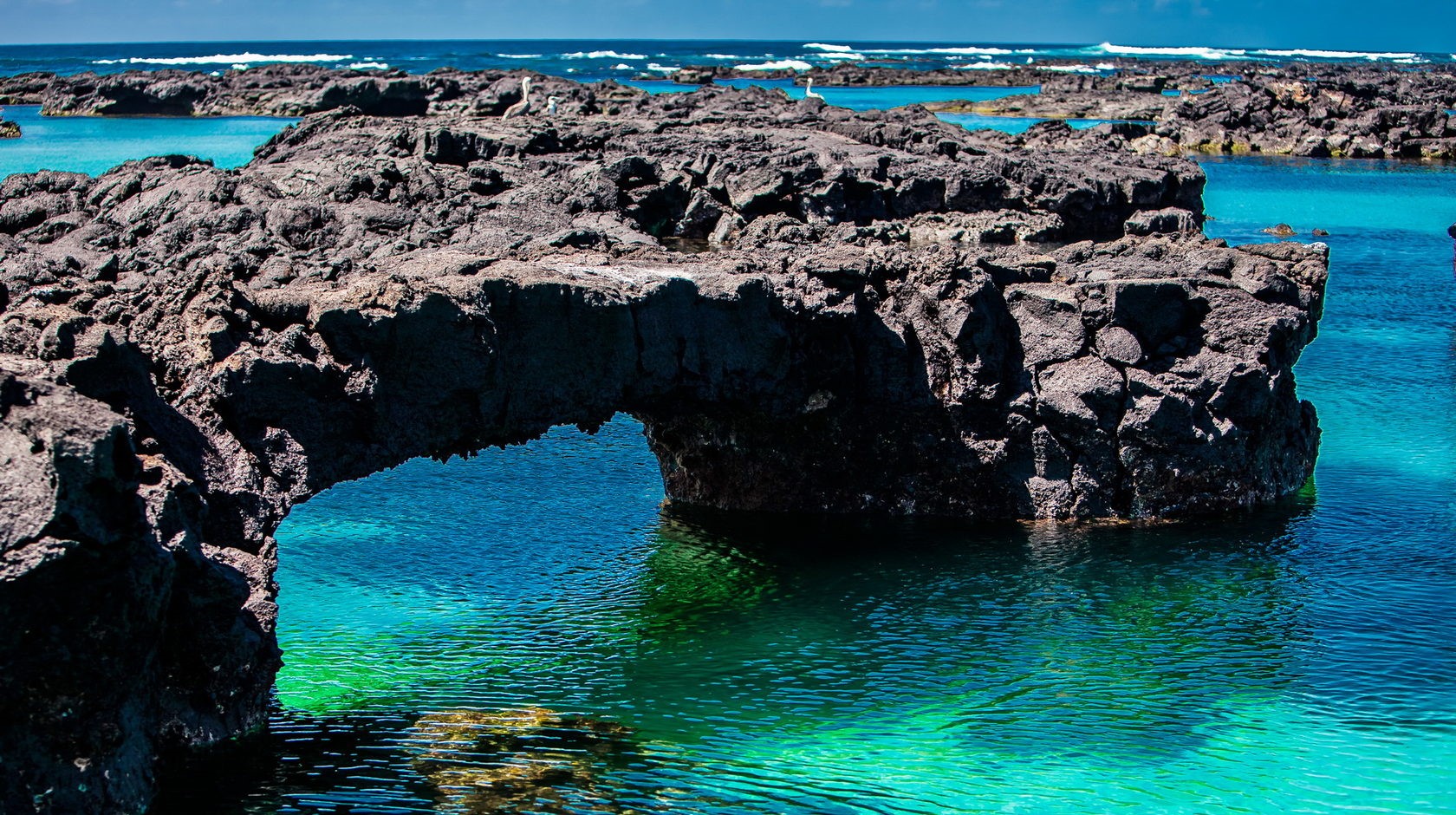 Floreana Island is historically significant, known for its role in early exploration and settlement. The island features intriguing sites such as Post Office Bay, where a wooden barrel has served as a makeshift post office since the 18th century. Visitors can leave postcards in the barrel, which are later picked up by other travelers.
Floreana is also known for its rich marine life and excellent snorkeling opportunities at places like Devil’s Crown, a submerged volcanic caldera teeming with colorful fish and coral.
Genovesa Island
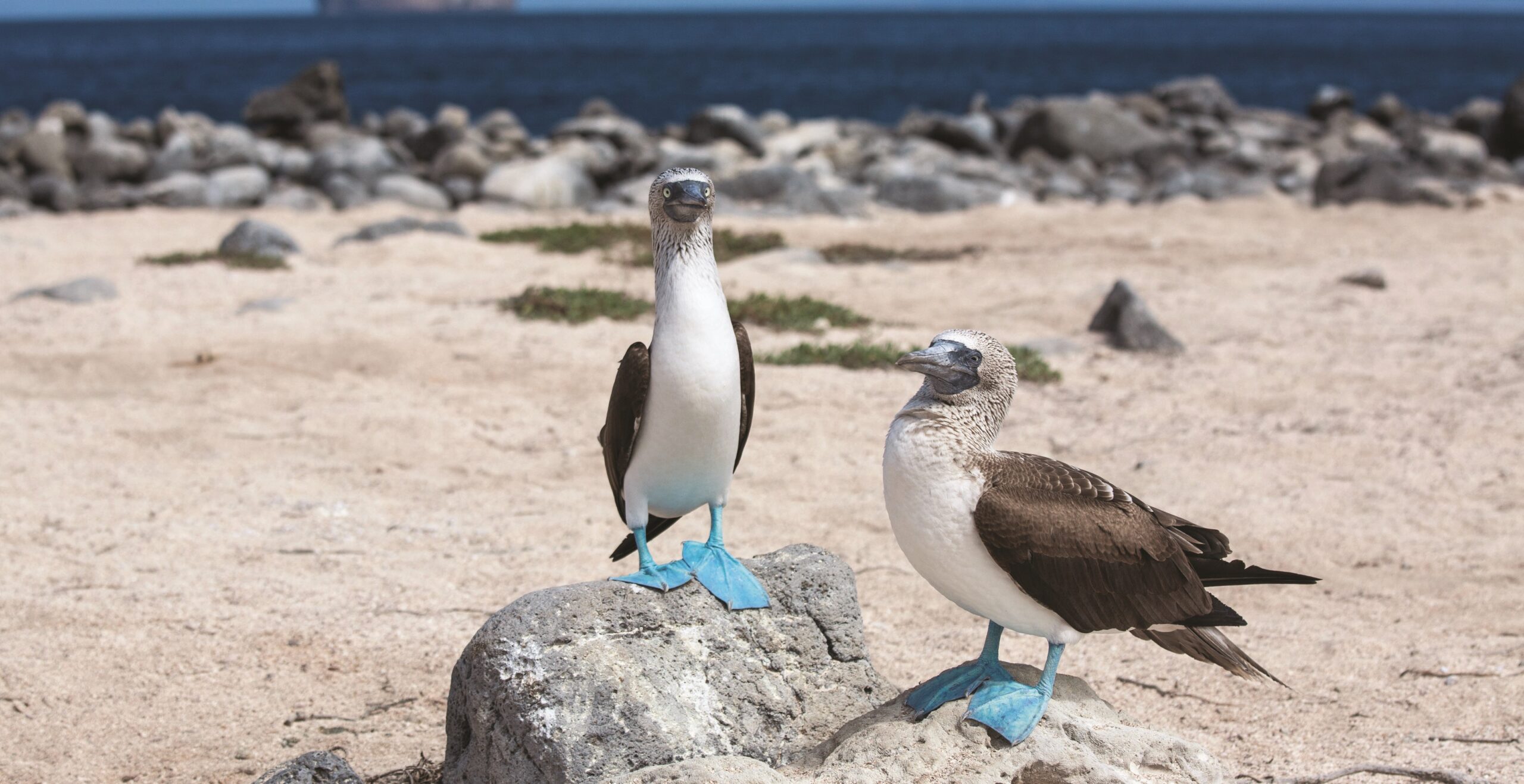
Genovesa, often called Tower Island, is renowned for its exceptional birdwatching opportunities. The island’s volcanic caldera and steep cliffs create dramatic scenery, and the flat interior is home to large colonies of seabirds, including red-footed boobies, Nazca boobies, and storm petrels.
The island’s remote location and limited human impact make it a haven for these birds, offering visitors a unique chance to observe them up close in their natural habitat.
Española Island
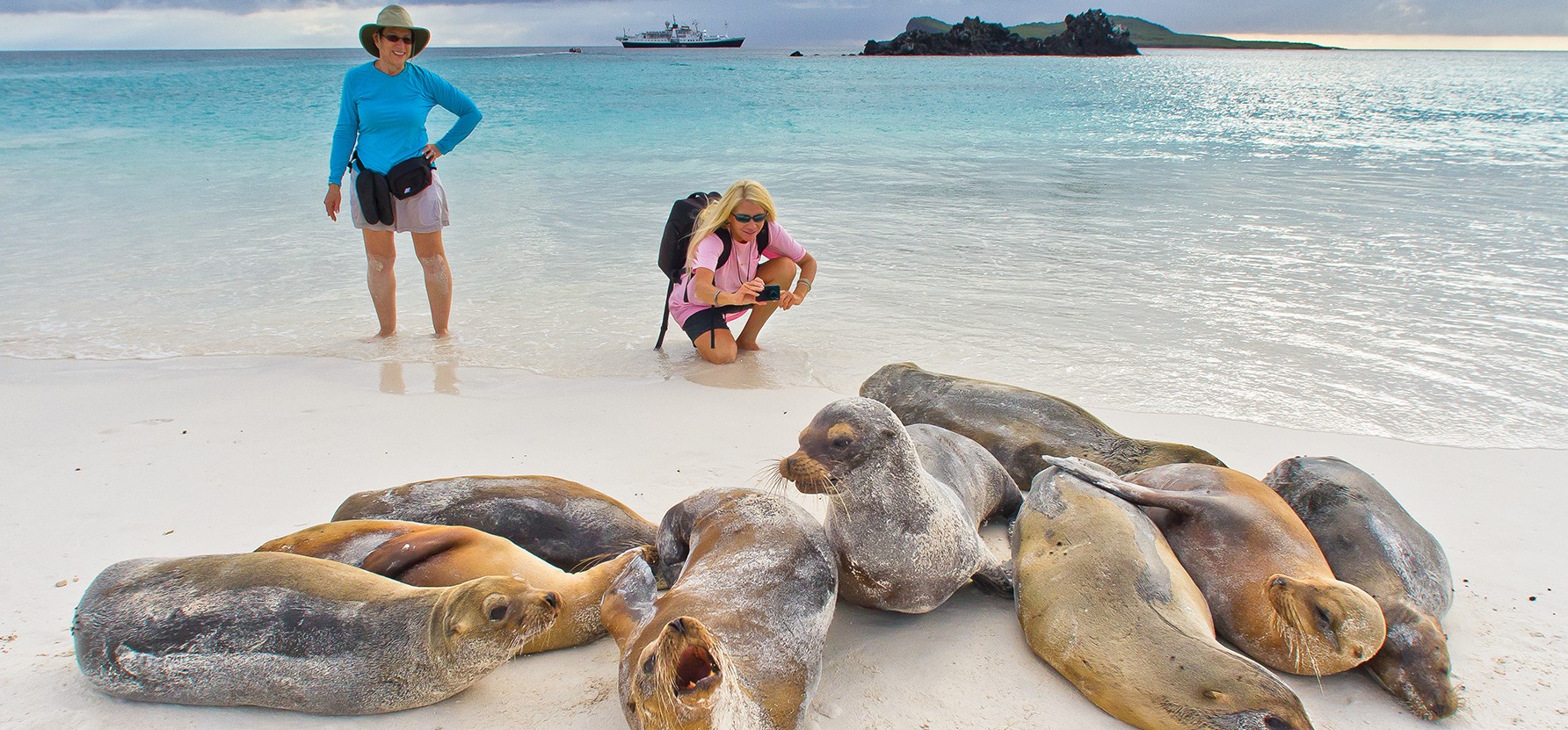 Española Island is one of the oldest in the archipelago and is noted for its unique wildlife and striking landscapes. It is the primary nesting site for the waved albatross, which performs an elaborate courtship dance during the breeding season from April to December.
The island also features beautiful beaches such as Gardner Bay, with white sands and clear waters perfect for snorkeling. Española’s dramatic volcanic formations, including the dramatic cliffs of Punta Suarez, offer breathtaking views and excellent opportunities for wildlife observation.
North Seymour Island
 North Seymour Island is known for its thriving populations of seabirds, including frigatebirds and blue-footed boobies. The island’s flat terrain and well-defined trails make it relatively easy to explore, and visitors can observe the impressive courtship displays of the frigatebirds, with their distinctive red throat pouches.
The island’s arid landscape is dotted with cacti and has a rugged beauty, providing a stark contrast to the lush highlands of other islands.
The Galápagos Islands offer an unparalleled adventure with their unique wildlife, stunning volcanic landscapes, and pristine beaches. Each island features distinct ecosystems, from the dramatic cliffs of Española to the crystal-clear waters of North Seymour. A must-visit for nature lovers, the archipelago is a living showcase of evolution and biodiversity.
