
Discover the Ultimate Travel Guide for Uyuni Salt Flats
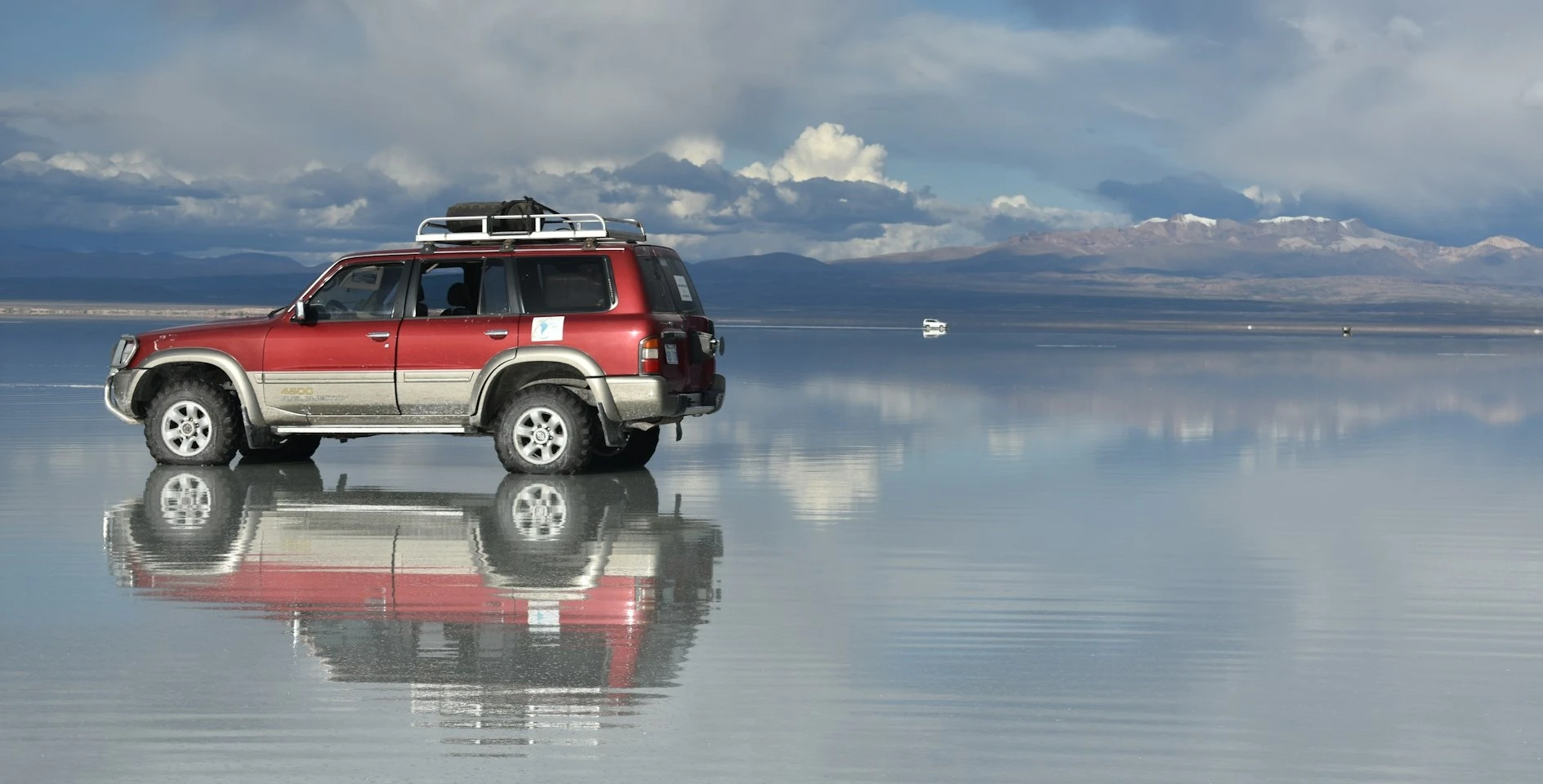 The Ultimate Travel Guide for Uyuni Salt Flats shows why the Uyuni Salt Flats, or Salar de Uyuni, are one of Bolivia’s most astonishing natural wonders. Spanning over 10,582 km² (4,086 mi²), this surreal landscape captivates visitors with its endless white salt crust in the dry season and a mirror-like surface during the rains.
Whether you are a photographer, adventure seeker, or nature enthusiast, Uyuni offers an unforgettable experience. Located in southwestern Bolivia, Salar de Uyuni is the world’s largest salt flat and home to vast lithium resources.
Its otherworldly beauty and unique reflections make it a must-see destination for travelers from around the globe.
Where is it Located?
Salar de Uyuni sits in the southwest of Bolivia, in the Potosí Department, at an average altitude of 3,656 meters (11,995 feet) above sea level. The nearest town, Uyuni, serves as the gateway for exploring the flats and surrounding attractions like colorful lagoons, volcanic formations, and unique islands dotted with giant cacti.
Why is it so famous?
Salar de Uyuni is famous for its surreal landscapes. During the rainy season, a thin layer of water transforms the salt flats into a giant natural mirror, creating incredible reflection photography opportunities.
In the dry season, the blindingly white salt crust stretches to the horizon, giving the impression of walking on another planet. Additionally, the flats contain a massive portion of the world’s lithium reserves and host unique wildlife such as flamingos in the high-altitude lagoons.
The Highlights: What to Expect from Your Uyuni Salt Flats Tour
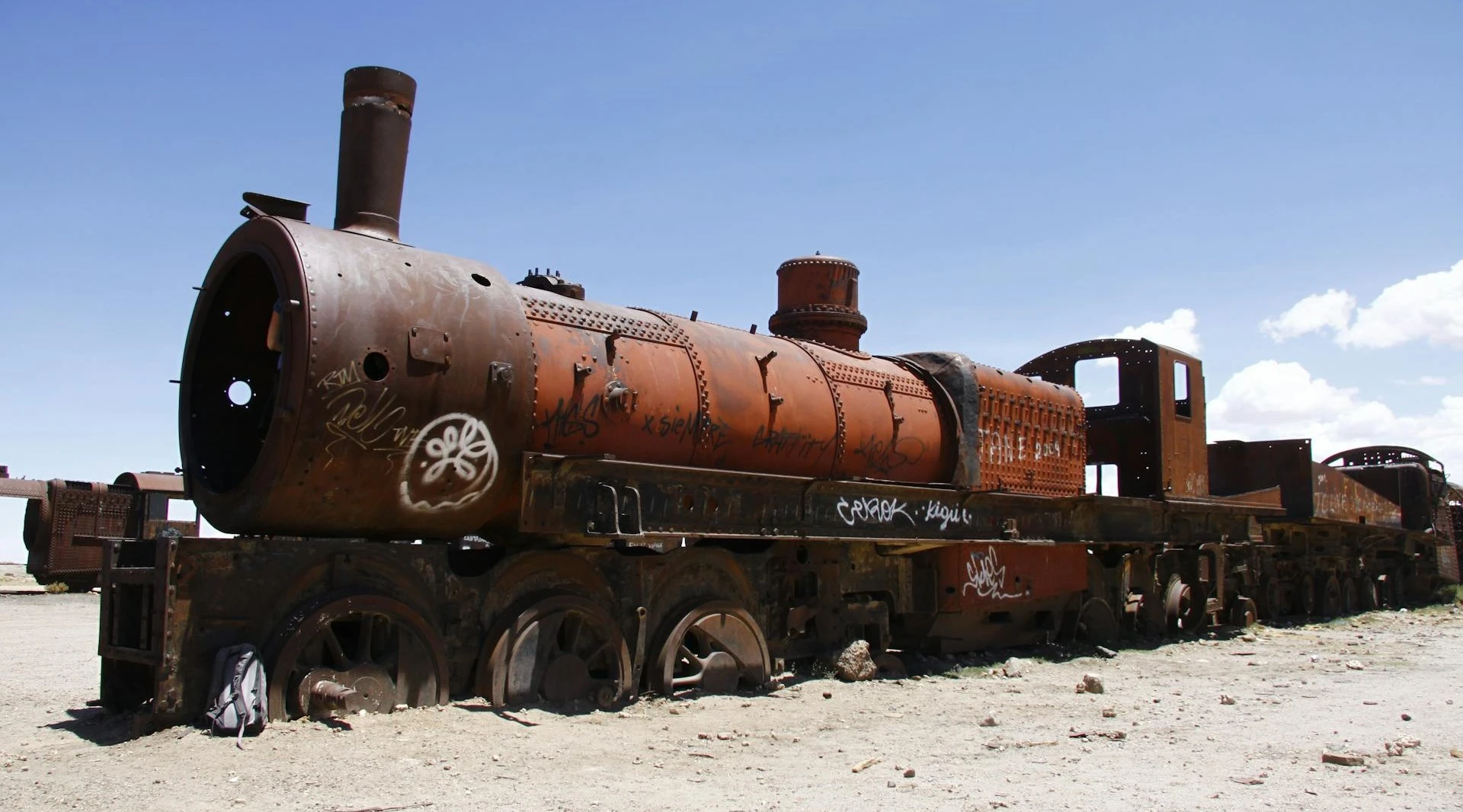 Here’s a step-by-step look at the must-see highlights of the Uyuni Salt Flats portion of the Andean Treasures & Bolivia Highlights Tour. We’ve carefully selected the most fascinating sights for an unforgettable experience.
Day 1: Salt and Sightseeing
Your adventure begins as soon as you arrive in Uyuni. You’ll be transferred from the airport to Villamar, with plenty of sightseeing along the way. First, visit San Cristobal Church, one of the oldest in the Bolivian Altiplano. Then, explore the villages of Culpina K and Alota, known for their charming architecture and local culture.
Before checking into your hotel, stop at Valle de las Rocas (Rock Valley), where ancient volcanic rocks have eroded into mesmerizing formations. Enjoy lunch at your accommodation and spend the afternoon exploring the hotel and surroundings before dinner and a restful night.
Day 2: Colorful Lagoons and Wildlife
After breakfast, start a full-day tour of the salt flats. Visit Laguna Colorada (Red Lake), famous for its white borax islands contrasting with the reddish water. Spot the elegant James’ Flamingo, a rare high-altitude bird found only in the Andes.
Next, explore Dali’s Valley, a dry desert landscape, and visit Chalviri Hot Springs and Sol de Mañana Geysers. End the day at Laguna Verde (Green Lake) at the base of Llicancahur Volcano. Its striking green color comes from copper minerals in the water—a perfect finale to a day full of natural wonders.
Day 3: Saying Goodbye to Salt
On your final day, visit Incahuasi Island, a rocky island in the middle of the salt flats covered with giant cacti. This unique location offers incredible views and the perfect photo opportunity before concluding your Uyuni adventure.
Best Time to Visit Salar de Uyuni
Salar de Uyuni has two seasons: wet and dry. The great news is there is no bad time to visit the salt flats in Bolivia and each season has its advantages.
- The dry season (May–November): Delivers the classic white salt-flat views stretching to the horizon. Clear skies make for excellent stargazing, and some areas are only accessible at this time. June to August is peak season.
- The rainy season (December–April): Creates a thin layer of water that forms the famous mirror effect, ideal for stunning photos, sunrises, and sunsets. Temperatures are also milder than in the dry season.
Be aware that December and January are the wettest months and sometimes excessive rain can lead to tour cancellations.
Packing List for Salar de Uyuni
Visiting Salar de Uyuni requires preparation for both cold nights and sunny days, as well as some practical essentials for tours and photography. Here’s a comprehensive list of what to bring to make your trip comfortable and memorable:
- Warm jacket
- Warm hat
- Sleeping bag (usually available to rent from the tour company)
- Waterproof clothing (if visiting during the wet season)
- Hiking shoes and comfortable socks
- Long pants
- T-shirt
- Towel
- Swimwear
- Sunscreen and lip balm
- Sunglasses
- Sun hat
- Water / water filter and snacks
- Personal toiletries and medication
- Hand sanitiser
- Cash (around 200 BOB for entry to sites, extra snacks, tips, etc.)
- Torch or headlamp
- Powerbank
- Camera / phone
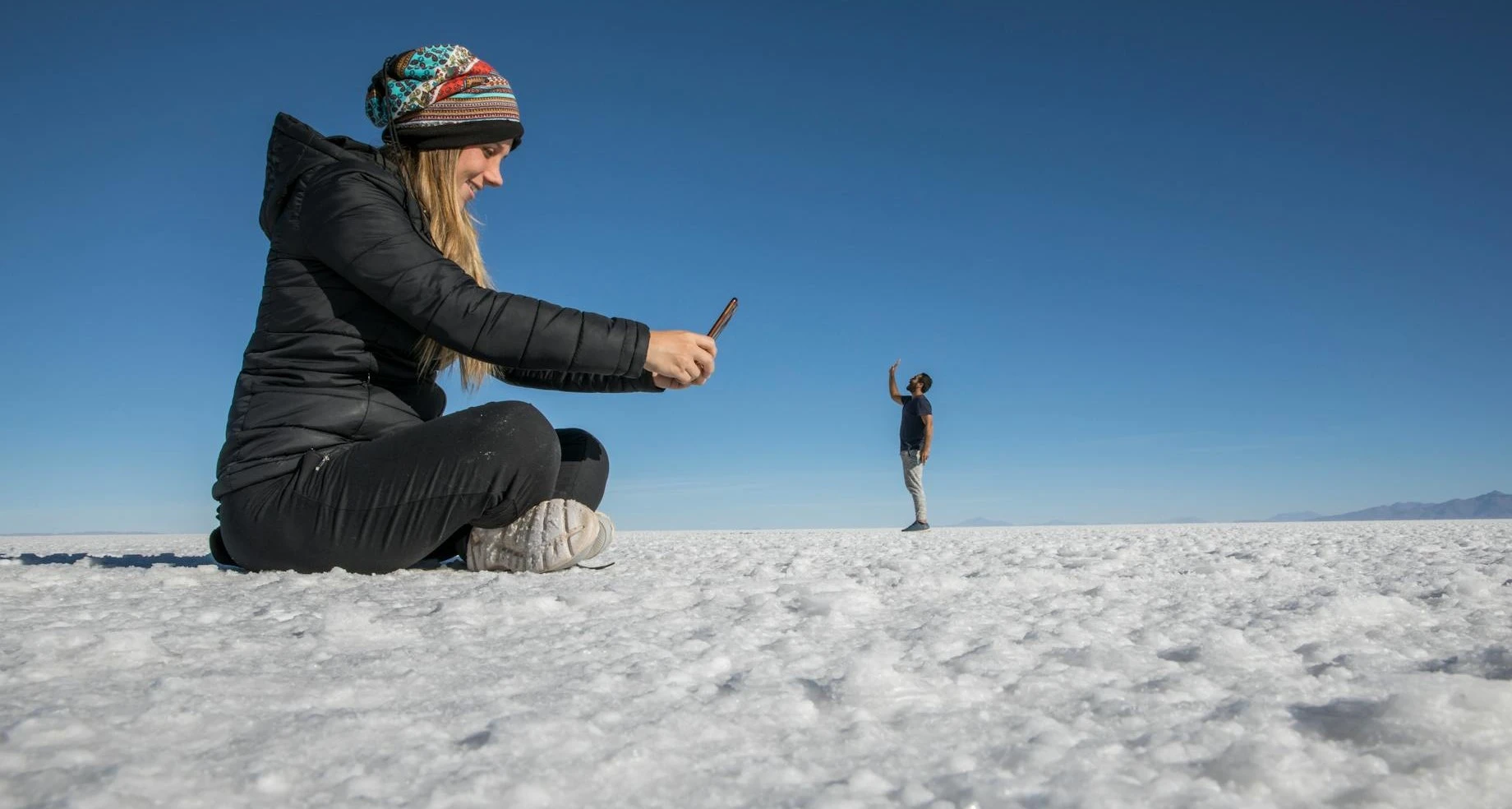
- Props for perspective photos (tour guides often provide some)
- Copy of your passport
FREQUENTLY ASKED QUESTIONS ABOUT THE TRAVEL GUIDE UYUNI
📩 Get in Touch Now | 🌐 Visit Our Website
Si te gustó este artículo y la información que encontraste, ¡regálanos 5 estrellas!
 (Ninguna valoración todavía)
 Loading...