
6 Essential Tips for Inca Trail to Machu Picchu
 Hiking the Inca Trail to Machu Picchu is a dream for many travelers, and following the right Tips for Inca Trail to Machu Picchu can make all the difference between a challenging hike and an unforgettable adventure.
From preparing your body for high altitude and securing your Machu Picchu reservations to choosing the best Inca Trail to Machu Picchu tours, every detail matters.
In this guide, you’ll find practical, experience-based advice to help you tackle the classic Inca Trail to Machu Picchu with confidence and make the most of this incredible journey.
1.- Prevent Altitude Sickness Before It Starts
Altitude sickness (locally known as soroche) is one of the biggest challenges when hiking the Inca Trail to Machu Picchu. Since parts of the trail exceed 4,000 meters (13,000+ feet), symptoms like headaches, dizziness, nausea, and shortness of breath are common.
To significantly reduce the risk, focus on these essential steps:
- Arrive in Cusco at least two days early. This allows your body to gradually adapt to the altitude before beginning the trek.
- Take it easy during your first days. Light walks around Cusco are ideal; avoid intense physical activity right away.
- Stay well hydrated and try coca tea. Coca leaves have been traditionally used in the Andes to help alleviate altitude discomfort.
- Consult your doctor if necessary. Preventative medication such as Acetazolamide (Diamox) may be recommended, especially if you have heart or respiratory conditions.
Taking altitude seriously ensures that your experience on the classic Inca Trail to Machu Picchu remains enjoyable instead of physically overwhelming.
2.- Prepare Physically for the Classic Inca Trail
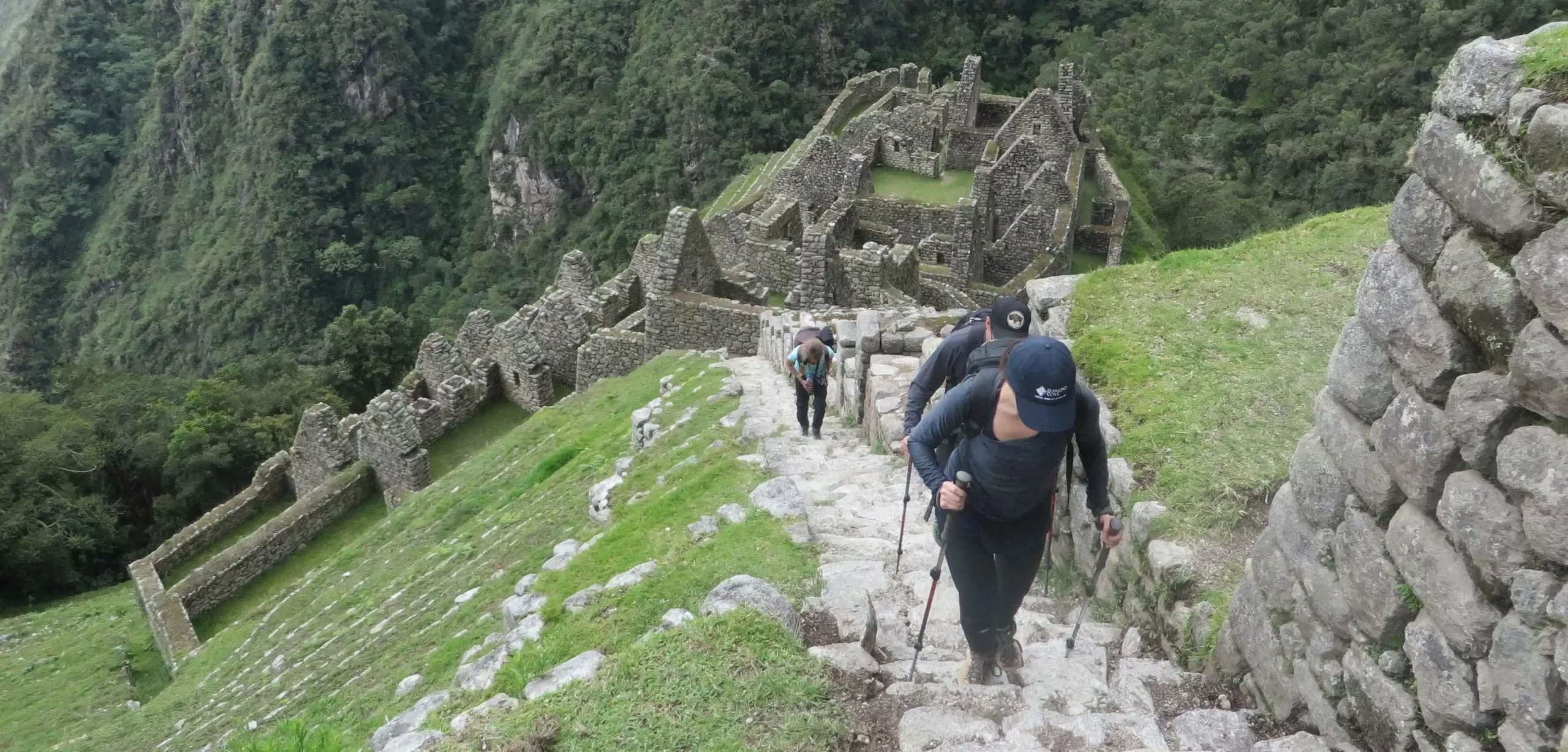 The classic Inca Trail to Machu Picchu covers approximately 42 km (26 miles) over 4 days. The terrain includes steep ascents, stone steps, and long descents that challenge even active travelers.
Before beginning your adventure, focus on building endurance and strength:
- Incorporate regular hikes into your routine. Aim for 1–2 hikes per week several weeks before your trip.
- Add cardio training. Running, cycling, or stair climbing will improve stamina.
- Practice hiking uphill if possible. Incline training helps simulate Dead Woman’s Pass, the highest point of the trail.
- Use trekking poles during training. They reduce strain on your knees and improve stability on uneven terrain.
With proper preparation, hiking the Inca Trail to Machu Picchu becomes far more manageable and allows you to focus on the stunning scenery rather than fatigue.
3.- Pack Smart and Bring Only the Essentials
Packing correctly is crucial. Carrying too much weight can make the trek unnecessarily difficult, while forgetting important items can affect your comfort and safety.
Here are the key essentials you should prioritize:
- Layered clothing for changing weather conditions.
- High-quality hiking boots with ankle support.
- Headlamp, portable chargers, and extra batteries.
- Reusable water bottle (minimum 2 liters).
- Passport and confirmation of your Machu Picchu reservations.
- Basic medication kit (pain relievers, anti-diarrheal medicine, altitude medication, personal prescriptions).
Packing light but strategically ensures your Inca Trail to Machu Picchu Peru experience remains comfortable and efficient from start to finish.
4.- Book Authorized Inca Trail to Machu Picchu Tours
The Inca Trail cannot be done independently. All travelers must book through licensed Inca Trail to Machu Picchu tours operated by authorized agencies.
When choosing your tour operator, consider the following:
- Verify official authorization. Only licensed operators can legally access the trail.
- Look for small group sizes. Smaller groups typically provide a more personalized experience.
- Confirm what’s included. Porters, meals, permits, entrance tickets, and safety equipment should be clearly specified.
- Book several months in advance. Only 500 permits are issued daily (including staff), and spots sell out quickly.
Choosing the right operator ensures your classic Inca Trail to Machu Picchu journey is safe, organized, and enriching.
5.- Choose the Right Season and Secure Permits Early
Timing plays a major role in your overall experience on the Inca Trail to Machu Picchu.
Keep these seasonal considerations in mind:
- Dry season (April to November) offers the best trekking conditions.
- High season (June to August) requires booking 4–5 months in advance.
- Shoulder months (April, May, September, October) provide excellent weather with fewer crowds.
Planning ahead not only guarantees permit availability but also helps secure flights, accommodations, and Machu Picchu reservations without last-minute stress.
6.- Understand the Route with an Inca Trail to Machu Picchu Map
Before your trek, reviewing an Inca Trail to Machu Picchu map helps you visualize the route, elevation changes, and archaeological sites along the way.
Understanding the trail layout allows you to:
- Anticipate physically demanding sections.
- Recognize important landmarks like Dead Woman’s Pass and the Sun Gate (Inti Punku).
- Mentally prepare for daily distances and altitude changes.
Being familiar with the route enhances your confidence and appreciation of the historical path you’re walking.
The Best Inca Trail to Machu Picchu Tours
Choosing the right tour depends on your schedule, fitness level, and travel goals. Here are the most popular options:
The Classic 4-day Inca Trail Tour is undoubtedly the best option because it ranks among the top ten treks in the world. Experience four full days walking where the Incas once traveled, exploring heritage sites and breathtaking landscapes along the way.
This tour culminates at Machu Picchu, arriving through the iconic Sun Gate for an unforgettable first view of the ancient citadel.
2-day Short Inca Trail: This is a short but exciting journey, perfect for travelers with limited time. You will hike for one day, visiting Chachabamba, Wiñay Wayna, and Inti Punku, and be at Machu Picchu the following day.
The tour requires minimal packing, and you will enjoy panoramic views from the train along the way.
Ultimate 5-day Inca Trail Tour: This extended itinerary lets you explore hidden sections of the trail and lesser-known Inca sites that only a few visitors experience.
It is available every day for a minimum of two travelers and offers a deeper cultural and natural experience along the Inca Trail to Machu Picchu Peru.
Each of these Inca Trail to Machu Picchu tours provides a unique perspective on this legendary route, ensuring that every traveler can find the right experience for their time, fitness level, and interests.