
Discover How to Prepare for the Salkantay Trek with Essential Tips
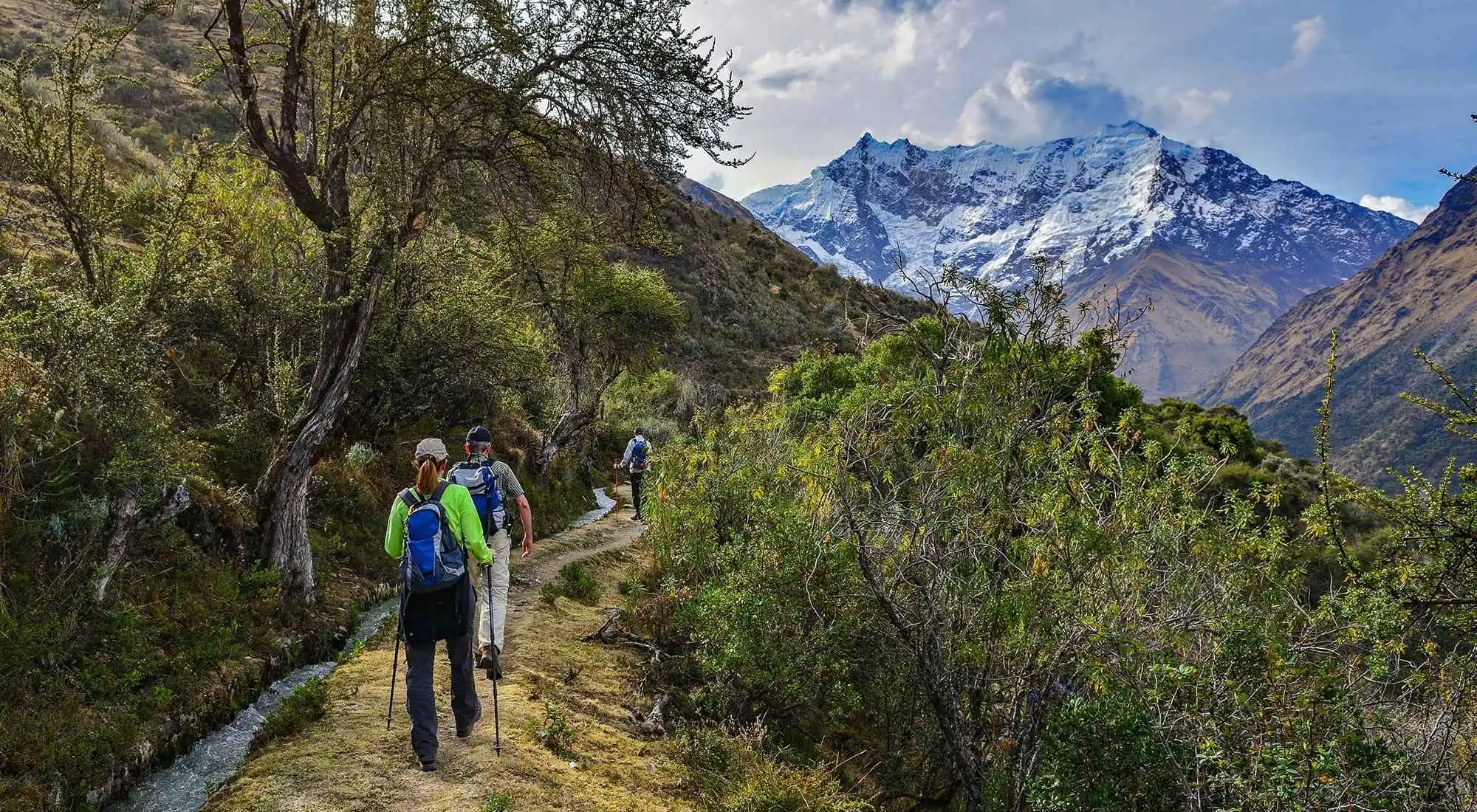 How to Prepare for the Salkantay Trek is essential for anyone planning to face altitude, steep terrain, and weather changes along this trek to Machu Picchu. The trail reaches high points such as the Salkantay Pass at 4,630 m / 15,190 ft, making acclimatization extremely necessary.
This guide covers how to adapt to high altitude, what gear is truly needed, how to train effectively, and how to manage long hiking days in the Andes. You’ll also find practical information about distances, climate, campsites, nutrition, safety, and recommended strategies to avoid common mistakes.
The goal is to help you approach the Salkantay Trek with confidence and realistic expectations. Whether you are an experienced hiker or this is your first multi-day trek, this information ensures a safer and more efficient experience.
What Is the Salkantay Trek?
The Salkantay Trek is considered one of the best alternative routes to Machu Picchu, known for its dramatic landscapes and varied ecosystems.
The trail descends from snow-capped mountains into cloud forests and finally into tropical valleys, creating a unique transition rarely found in other Andean hikes. Along the way, travelers encounter glacial lagoons, rocky passes, waterfalls, and small rural communities.
Unlike the Inca Trail, the Salkantay Trek does not require limited permits, making it more accessible while still offering a demanding and rewarding adventure.
The route typically covers 70–75 km (43–46 miles) over 4 to 5 days, depending on the itinerary.
Difficulty of the Salkantay Trek
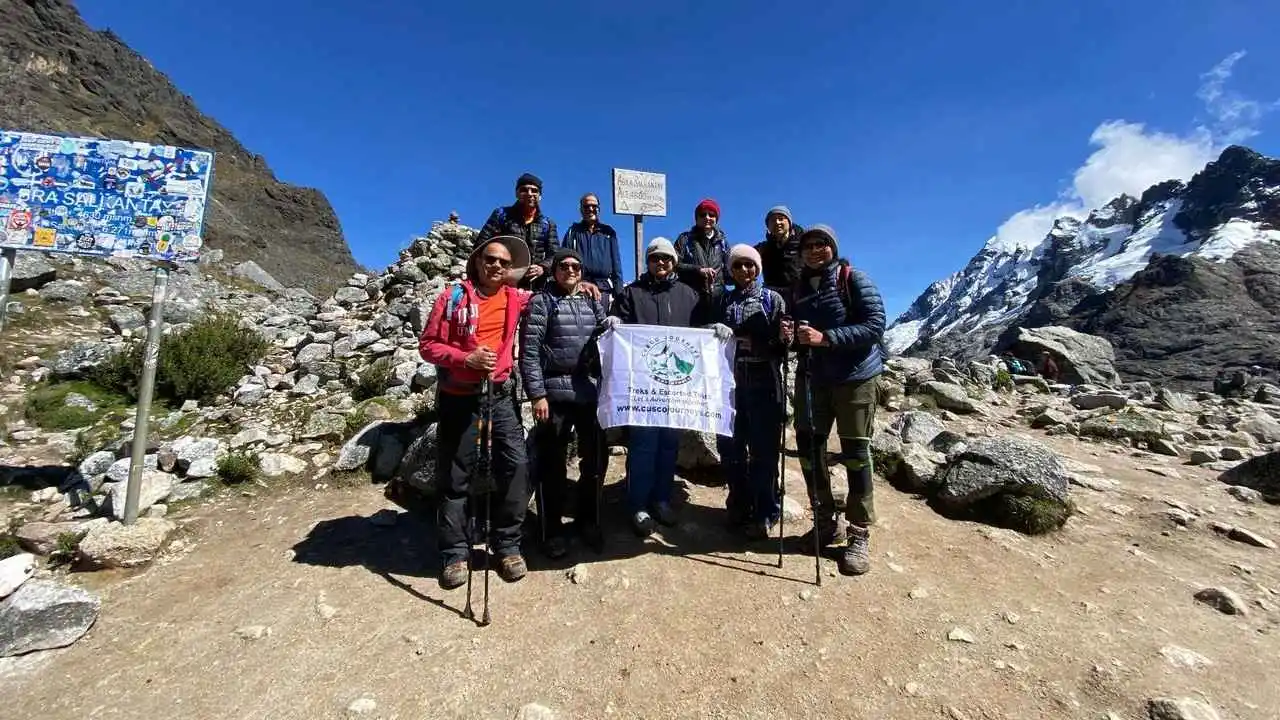 The Salkantay Trek is considered moderate to challenging due to steep ascents, long distances, and rapid changes in altitude. Terrain varies between rocky sections, uneven paths, long descents, and exposed areas where temperatures drop significantly at night.
The highest point is the Salkantay Pass at 4,630 m / 15,190 ft, where oxygen levels are noticeably lower. This is where most hikers feel the effects of altitude, especially if they have not properly acclimatized.
Completing the trek does not require professional athletic conditioning, but it does require good health, physical preparation, and mental resilience.
History
The name Salkantay originates from the Quechua language and translates to “wild mountain” or “untamable peak.” Sallqa means wild or unrestrained, while Antay can refer to the Andes or signify “that which causes avalanches.”
For centuries, Salkantay has held great significance for Andean civilizations. The Incas regarded it as an Apu, a sacred mountain spirit with protective power over the surrounding lands and communities.
In Andean traditions, Apus serve as guardians of both people and nature. Salkantay was honored in ceremonies to ensure bountiful harvests and safeguard the local population. These customs are still practiced today in highland communities, enriching any Salkantay Trek experience with cultural depth.
Altitude and Acclimatization
Altitude is one of the main factors that determine the difficulty of the Salkantay Trek. Symptoms of altitude sickness may include headaches, nausea, fatigue, and shortness of breath. Proper acclimatization significantly reduces risks.
Main Altitudes of the Salkantay Trek
| Point | Height (m) | Height (ft) |
|---|---|---|
| Soraypampa | 3,900 m | 12,795 ft |
| Humantay Lagoon | 4,200 m | 13,780 ft |
| Salkantay Pass | 4,630 m | 15,190 ft |
| Chaullay | 2,900 m | 9,514 ft |
| La Playa | 2,060 m | 6,758 ft |
| Aguas Calientes | 1,900 m | 6,233 ft |
Understanding these changes is key to knowing what to expect from the climate, difficulty, and daily physical effort.
Best Time to Do The Salkantay Trek
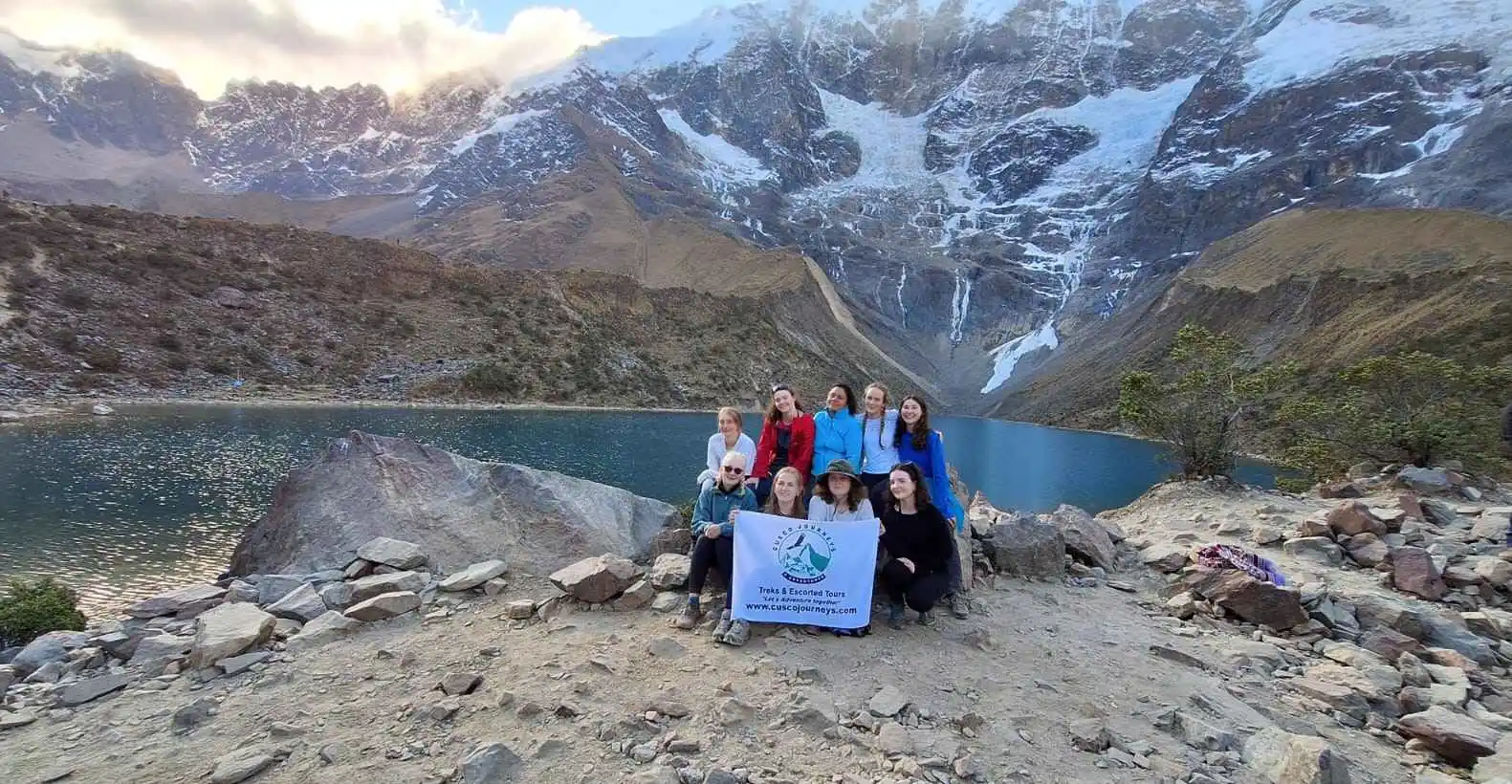 The ideal period to hike the Salkantay Trek to Machu Picchu is the dry season, from May to October. During this time, skies are mostly clear, rainfall is minimal, and trekking conditions are safer. The trails are firmer, views are more vivid, and the landscapes showcase their full dramatic beauty.
Between November and April, the wet season brings frequent rain, which can make the trail more slippery and challenging.
However, the surroundings turn lush and vibrant, offering a unique and photogenic scenery that many Salkantay Trek itineraries emphasize for photographers and nature enthusiasts.
Recommended Acclimatization Schedule
- Spend 2–3 days in Cusco (3,400 m / 11,155 ft) before starting the trek.
- Avoid alcohol during the first days.
- Hydrate consistently.
- Drink coca or muña tea, traditionally used to relieve altitude discomfort.
- If necessary, consult a doctor about altitude sickness medication before traveling.
Preparing in advance helps your body perform better at high points like the Salkantay Pass.
How to Train for the Salkantay Trek
Training should focus on endurance, leg strength, cardiovascular fitness, and familiarity with steep terrain. You don’t need to be an expert hiker, but consistent preparation improves performance and reduces fatigue.
Recommended Training Plan:
- Hiking practice: start with short routes and gradually increase distance and elevation gain.
- Hill or mountain training: include climbs to adapt to uphill efforts.
- Strength exercises: squats, lunges, deadlifts, and step-ups.
- Cardio sessions: jogging, cycling, or stair climbing 3–4 times per week.
- Backpack training: walk with a light backpack to simulate real conditions.
A minimum of 4 to 6 weeks of preparation is ideal for most travelers.
Nutrition Before and During the Trek
 Before the Trek
- Prioritize hydration for several days before the hike.
- Consume carbohydrates (pasta, rice, quinoa, bread, oats) for sustained energy.
- Include lean proteins (chicken, fish, eggs, legumes).
- Add fruits and vegetables to maintain optimal vitamin and mineral levels.
During the Trek
- Bring energy snacks like nuts, granola bars, dried fruit, or protein bars.
- Hydrate consistently.
- Consume light meals that are easy to digest.
- Replenish electrolytes with sports drinks or salty foods.
Nutrition plays a key role in maintaining stable energy throughout the trek.
Essential Gear for the Salkantay Trek
Packing correctly can determine the comfort and success of your hike. Temperatures change dramatically between cold mountain mornings and warmer cloud forest zones.
- Waterproof hiking boots (already broken in)
- Layered clothing (base layer, fleece, waterproof jacket)
- Trekking pants
- Gloves, hat, and neck buff
- Headlamp
- Warm socks
- Poncho or rain gear
- Water bottle or hydration system
- Sunscreen and insect repellent
- Lightweight backpack
- Personal medications and documents
A good gear selection prevents common problems such as extreme cold, blisters, or dehydration.
Alternatives to the Salkantay Trek
For those wishing to reach Machu Picchu via a different route than the Salkantay Trek, there are several options that offer their own combination of scenery, culture, history, and challenge. Each alternative allows a unique way to experience the Andes.
1.- The Classic Inca Trail remains the most iconic option. This 42 km, four-day route passes original Inca stone staircases, cloud forests, archaeological centers, and the famous Sun Gate. Due to limited permits, booking months in advance is essential.
2.- The Inca Jungle Adventure combines outdoor sports with tropical landscapes. The itinerary often includes downhill biking, short hikes, zip-lining, and sections through the high rainforest. It’s ideal for travelers seeking a dynamic, adrenaline-focused experience.
3.- The Lares Trek provides deep cultural immersion. It crosses remote villages where traditional weaving, alpaca herding, and highland farming remain daily practices. It also features thermal baths and scenic viewpoints, with fewer crowds.
Other cultural or scenic routes, like Hike to Ancascocha or the hike to Huchuy Qosqo, offer shorter distances and moderate difficulty. They include tranquil lagoons, isolated valleys, and archaeological remains, perfect for travelers seeking a less demanding yet rewarding experience.
Each alternative has its strengths: history, biodiversity, living culture, or adventure activities. The best choice depends on your fitness level, available time, and the type of experience you want on your way to Machu Picchu.
Frequently Asked Questions
📩 Get in Touch Now | 🌐 Visit Our Website
Si te gustó este artículo y la información que encontraste, ¡regálanos 5 estrellas!
 (Ninguna valoración todavía)
 Loading...