
Virgen de la Candelaria Festival in Puno: Faith, Tradition, and Folklore on the Shores of Lake Titicaca
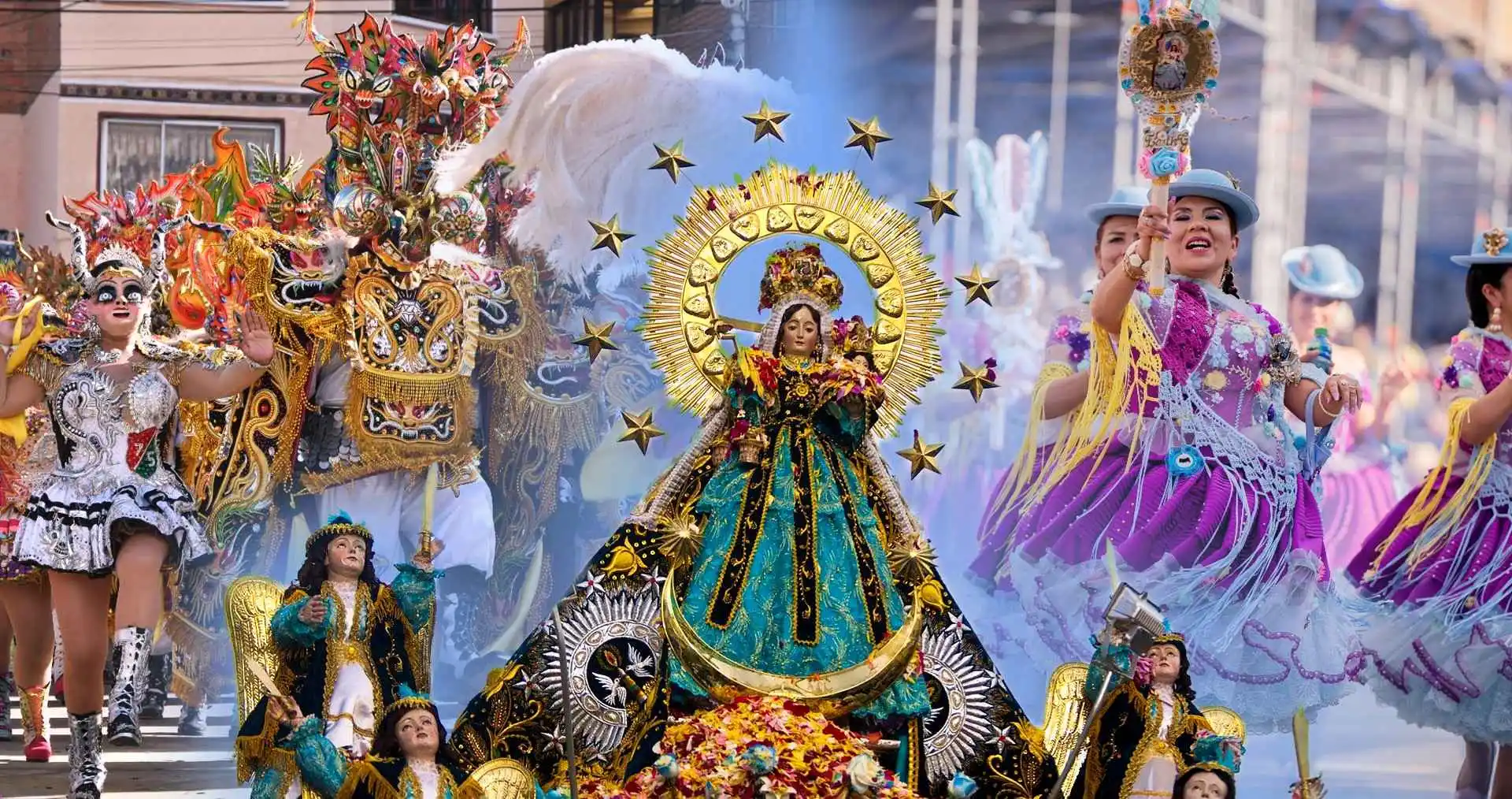 The Virgen de la Candelaria Festival in Puno is one of the most important cultural and religious events in Peru and South America. Every year, between January and February, thousands of dancers, musicians, and devotees gather in Puno, on the shores of the majestic Lake Titicaca, to honor the patron saint of Peru’s folklore capital.
This festival offers not only a deep spiritual experience but also a unique opportunity to witness the living Andean syncretism, combining Catholic rituals with pre-Hispanic traditions, making it a must-see for travelers interested in cultural tourism.
What is the Virgen de la Candelaria Festival?
The Virgen de la Candelaria, affectionately called Mamacha Candelaria, is the patron saint of Puno. Her festival is a vibrant mix of Catholic devotion and ancestral Andean rituals, with the Virgin symbolically linked to Pachamama (Mother Earth).
For more than two weeks, the city becomes a colorful stage where music, dance, faith, and local culture intersect, establishing Puno as the heart of Andean folklore.
History of the Virgen de la Candelaria in Puno
The devotion to the Virgin originated in Spain, specifically the Canary Islands, and spread to the Andes during colonial times. In Puno, her image became central to local devotion in the late 16th century, when she was credited with protecting the city from internal conflicts.
Over time, Catholic imagery merged with pre-Hispanic agricultural and ritual practices, creating one of the most unique expressions of cultural syncretism in Peru.
Cultural and Religious Significance
 The festival is more than a religious event; it represents:
Key elements of its cultural significance include:
- Preservation of Andean traditions and identity
- Gratitude to the earth for harvests and fertility
- Transmission of folklore to new generations
- Reinforcement of faith and communal values
In recognition of its cultural and historical importance, UNESCO declared the festival a Masterpiece of the Oral and Intangible Heritage of Humanity in 2014.
When is the Virgen de la Candelaria Festival Celebrated?
The festival takes place from mid-January to mid-February, with February 2 as the central day. In 2026, the main celebrations occur from January 16 to February 10, featuring religious activities, dance competitions, and grand parades.
Main Events of the Festival
The Virgen de la Candelaria Festival includes a variety of events that blend devotion, dance, and music. The main highlights are:
- February 2 – Central Day: Solemn Mass and the grand procession of the Virgin through Puno’s streets.
- February 3 – Presentation of Native Dances: Groups perform traditional dances in colorful costumes through the city center.
- February 8 – Band Competition: Bands perform throughout the city with music that accompanies the dance groups.
- February 10 – Costume Contest: The “Trajes de Luces” competition at Enrique Torres Belón Stadium showcases intricate and sparkling costumes.
- February 11 – Grand Parade and Veneration: More than 4 km of streets filled with dancers, musicians, and devotees honoring the Virgin.
These events showcase the festival’s cultural richness, attracting thousands of participants and visitors from across Peru and beyond.
Traditional Dances and Costumes
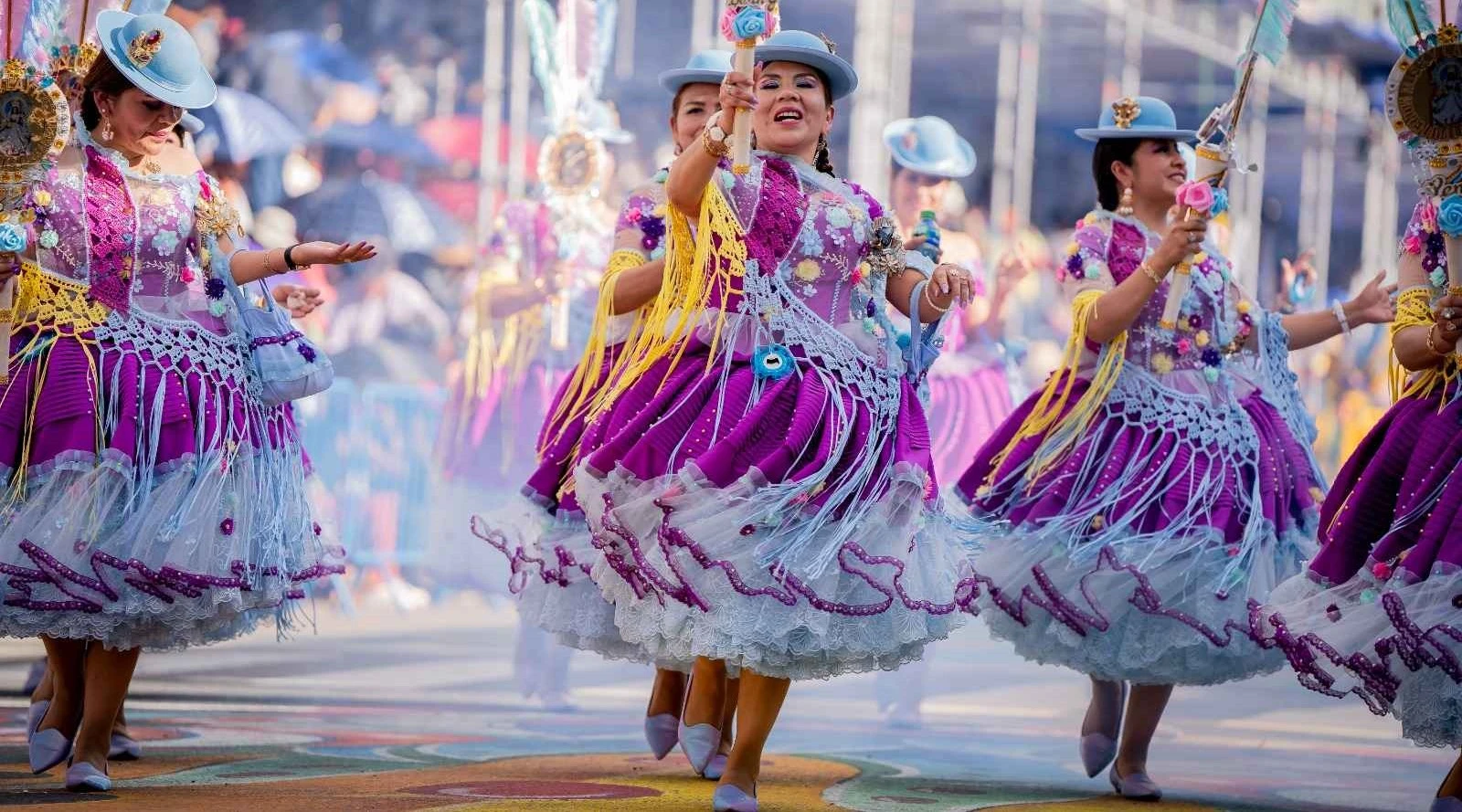 During the festival, the city is alive with movement, music, and color. The dances reflect Andean heritage and include:
- Diablada – Devil-inspired dance symbolizing the triumph of good over evil
- Morenada – A tribute to African heritage and Andean identity
- Caporales – Energetic dance representing colonial-era overseers
- Sikuris – Flute and drum performances from highland communities
- Tinkus, Kullawadas, Waca-wacas – Regional dances with historical and ritual significance
The costumes are considered offerings of devotion and are blessed before being worn, symbolizing gratitude and respect for the Virgin.
Visiting Puno and Lake Titicaca
Puno sits at over 3,800 meters above sea level, providing breathtaking views of Lake Titicaca, the highest navigable lake in the world. Visitors can combine the festival experience with:
- Boat tours to the Uros floating islands
- Visits to Taquile and Amantaní islands
- Experiential tourism with local communities
This makes the festival a perfect opportunity for cultural and adventure tourism in the southern Andes of Peru.
Practical Tips for Attending the Festival
- Book in advance: Reserve flights and hotels 2–3 months ahead.
- Acclimate to altitude: Arrive a few days early to avoid altitude sickness.
- Dress warmly: Bring jackets, sweaters, and thermal clothing.
- Protect yourself from the sun: Sunscreen, lip balm, and sunglasses are essential.
- Try local food: Enjoy trout, chairo soup, kankacho, and alpaca dishes.