

 (+51) 966405778 | (+51) 980811833


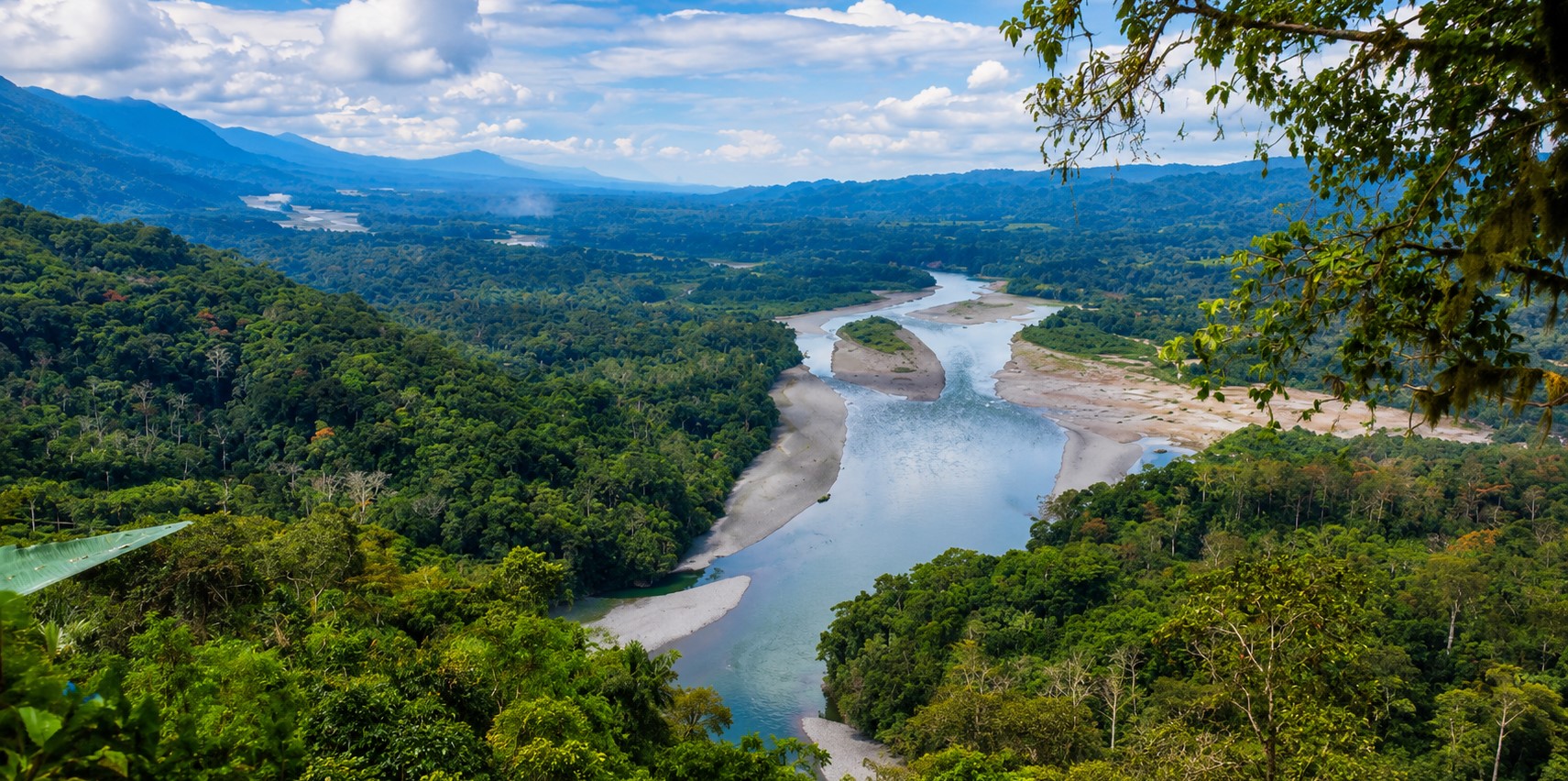 Planning a trip to the Peruvian Amazon begins with understanding one of its most extraordinary destinations. This Manu National Park Guide introduces you to Peru’s largest protected rainforest and one of the most biodiverse places on Earth.
Located between the regions of Cusco and Madre de Dios, Manu National Park protects an incredible variety of ecosystems, from Andean cloud forests to the Amazon lowlands. Recognized as a UNESCO World Heritage Site and Biosphere Reserve, it is home to thousands of plant species and an astonishing diversity of wildlife, making it a dream destination for nature lovers, birdwatchers, photographers, and adventure travelers.
Whether you are planning your first Amazon adventure or researching Peru’s most remarkable natural attractions, this Manu National Park Guide provides the essential information you need before your visit.
Learn about the park’s unique wildlife, protected zones, best time to visit, how to get there, and the unforgettable experiences that await in one of the world’s most pristine rainforests.
Where Is Manu National Park?
Manu National Park is located in southeastern Peru, spanning the regions of Cusco and Madre de Dios. Covering approximately 1.7 million hectares (4.2 million acres), the park stretches from the eastern slopes of the Andes to the Amazon rainforest.
Its elevation ranges from about 300 meters (984 feet) to over 4,000 meters (13,120 feet) above sea level, creating an exceptional variety of ecosystems within a single protected area.
Most visitors begin their journey in Cusco, following a scenic route through the cloud forest before descending into the Amazon Basin. Because much of the park is carefully protected, access is only possible with authorized operators and licensed guides.
This controlled tourism helps preserve Manu’s unique biodiversity while allowing visitors to experience one of the world’s last truly untouched rainforests.
Why Visit Manu National Park?
A visit to Manu National Park offers one of the most authentic wildlife experiences in South America. Its remote location and strict conservation policies have preserved vast areas of primary rainforest, allowing visitors to explore nature in its purest form.
The park is home to more than 1,000 bird species, around 220 mammal species, over 150 amphibian species, and hundreds of reptiles and fish. During your journey, you may spot colorful macaws, giant river otters, several monkey species, capybaras, black caimans, tapirs, and countless tropical birds. Lucky visitors may even catch a glimpse of the elusive jaguar, one of the Amazon’s most iconic predators.
Beyond its incredible wildlife, Manu offers breathtaking landscapes, peaceful rivers, oxbow lakes, and lush rainforest trails. Whether you enjoy birdwatching, wildlife photography, jungle hikes, or simply immersing yourself in nature, Manu National Park provides an unforgettable adventure while supporting conservation and sustainable tourism in the Peruvian Amazon.
Wildlife of Manu National Park
Manu National Park is one of the most biologically diverse places on Earth, offering exceptional opportunities to observe wildlife in its natural habitat. Scientists have recorded more than 1,000 bird species, around 220 mammal species, over 150 amphibian species, approximately 130 reptile species, and thousands of insects and butterflies.
This extraordinary biodiversity makes Manu a paradise for wildlife enthusiasts, birdwatchers, photographers, and researchers.
Among the park’s most famous mammals are the jaguar, giant river otter, Brazilian tapir, capybara, spectacled bear, puma, and at least 13 species of monkeys, including the red howler monkey, squirrel monkey, and spider monkey. These animals thrive within Manu’s protected forests, where human activity remains limited.
Birdwatchers travel from around the world to admire Manu’s spectacular birdlife. Visitors may encounter colorful scarlet macaws, blue-and-yellow macaws, harpy eagles, toucans, hoatzins, hummingbirds, and Peru’s national bird, the Andean cock-of-the-rock, famous for its vibrant orange plumage and impressive courtship displays.
The park also shelters black caimans, anacondas, poison dart frogs, giant butterflies, and an astonishing variety of orchids, giant trees, and medicinal plants. Every excursion offers new opportunities to discover the incredible biodiversity that has made Manu National Park one of the world’s most important conservation areas.
Manu National Park Zones
To protect its unique ecosystems, Manu National Park is divided into different management zones, each with specific conservation objectives and visitor regulations.
Cultural Zone
The Cultural Zone is the most accessible area of the park and the only section where tourism infrastructure is permitted. Visitors can explore cloud forests, rainforest trails, rivers, and wildlife while staying in eco-lodges. Most multi-day tours operate within this zone, making it ideal for travelers seeking an authentic Amazon experience.
Reserved Zone
The Reserved Zone offers a more remote and pristine environment. Access is limited to authorized guided tours with special permits, helping protect its fragile ecosystems. Visitors who enter this area enjoy outstanding wildlife viewing, untouched rainforest, oxbow lakes, and some of the best birdwatching opportunities in the Amazon.
Restricted Zone
The Restricted Zone is closed to tourism and dedicated exclusively to scientific research and the protection of indigenous communities living in voluntary isolation. Strict regulations ensure these ecosystems remain undisturbed, preserving Manu’s extraordinary biodiversity for future generations.
Best Time to Visit Manu National Park
Manu National Park can be visited throughout the year, but the experience varies depending on the season. Both the dry and rainy seasons offer unique opportunities to explore the Amazon rainforest and observe its extraordinary wildlife.
-
Dry Season (May to October)
The dry season is the most popular time to visit Manu National Park. Rainfall is less frequent, making jungle trails easier to walk and river excursions more comfortable. Wildlife is often easier to spot as animals gather near rivers and water sources. These months are also ideal for birdwatching, photography, and hiking through the cloud forest and rainforest.
-
Rainy Season (November to April)
During the rainy season, the rainforest becomes greener and more vibrant. Rivers rise, allowing boats to reach areas that are difficult to access during the dry months. Although showers are common, wildlife remains active, and the forest is filled with colorful flowers, butterflies, amphibians, and lush vegetation.
Visitors should simply be prepared for occasional rain and humid conditions. No matter when you visit, Manu National Park offers unforgettable encounters with nature and incredible biodiversity throughout the year.
How to Get to Manu National Park
Most visitors begin their journey to Manu National Park from Cusco. The adventure starts with a scenic drive across the Andes, passing traditional villages, high mountain landscapes, and the cloud forest before descending into the Amazon Basin.
Depending on the itinerary, travelers continue by boat along the Madre de Dios or Manu River to reach remote rainforest lodges and protected areas. Since access to much of the park is restricted, visitors must travel with an authorized tour operator and licensed guide.
Guided tours not only ensure safe access but also provide valuable insight into the region’s wildlife, ecosystems, and conservation efforts.
Things to Do in Manu National Park
There are countless ways to experience the beauty of Manu National Park, making every visit unique. Whether you enjoy wildlife, photography, or adventure, the park offers unforgettable activities for all nature lovers.
- Wildlife Watching: Observe monkeys, giant river otters, tapirs, capybaras, caimans, and many other Amazon species in their natural habitat.
- Birdwatching: Discover one of the world’s richest birding destinations, home to macaws, toucans, hummingbirds, harpy eagles, and the colorful Andean cock-of-the-rock.
- Jungle Walks: Explore rainforest trails with expert naturalist guides who explain the fascinating plants, insects, and wildlife of the Amazon.
- River Excursions: Navigate winding rivers and peaceful oxbow lakes while searching for wildlife along the riverbanks.
- Night Walks: Experience the rainforest after sunset, when frogs, insects, spiders, reptiles, and nocturnal mammals become active.
- Nature Photography: Capture breathtaking landscapes, exotic wildlife, and vibrant rainforest scenery in one of the world’s most photogenic natural environments.
Each excursion offers a different perspective of the Amazon, making Manu National Park an unforgettable destination for travelers seeking authentic experiences in the heart of nature.
What to Pack for Manu National Park
To enjoy a safe and comfortable adventure in Manu National Park, be sure to pack:
- Lightweight, breathable clothing
- Long-sleeved shirts and long pants
- Comfortable hiking shoes or trekking boots
- Waterproof jacket or rain poncho
- Hat or cap for sun protection
- Sunscreen
- Insect repellent
- Reusable water bottle
- Binoculars for wildlife viewing
- Camera with extra batteries and memory cards
- Flashlight or headlamp
- Personal medications and a basic first-aid kit
- Sunglasses
- Small backpack for daily excursions
- Waterproof bags to protect electronics and important
Responsible Tourism
Manu National Park is one of the world’s most important protected areas, and every visitor plays a role in preserving its unique ecosystems. Always follow your guide’s instructions, stay on designated trails, avoid disturbing wildlife, and never feed wild animals. Carry reusable items whenever possible and take all waste back with you.
By practicing responsible tourism, you help protect Manu’s incredible biodiversity and support the conservation of this extraordinary natural heritage for future generations.
